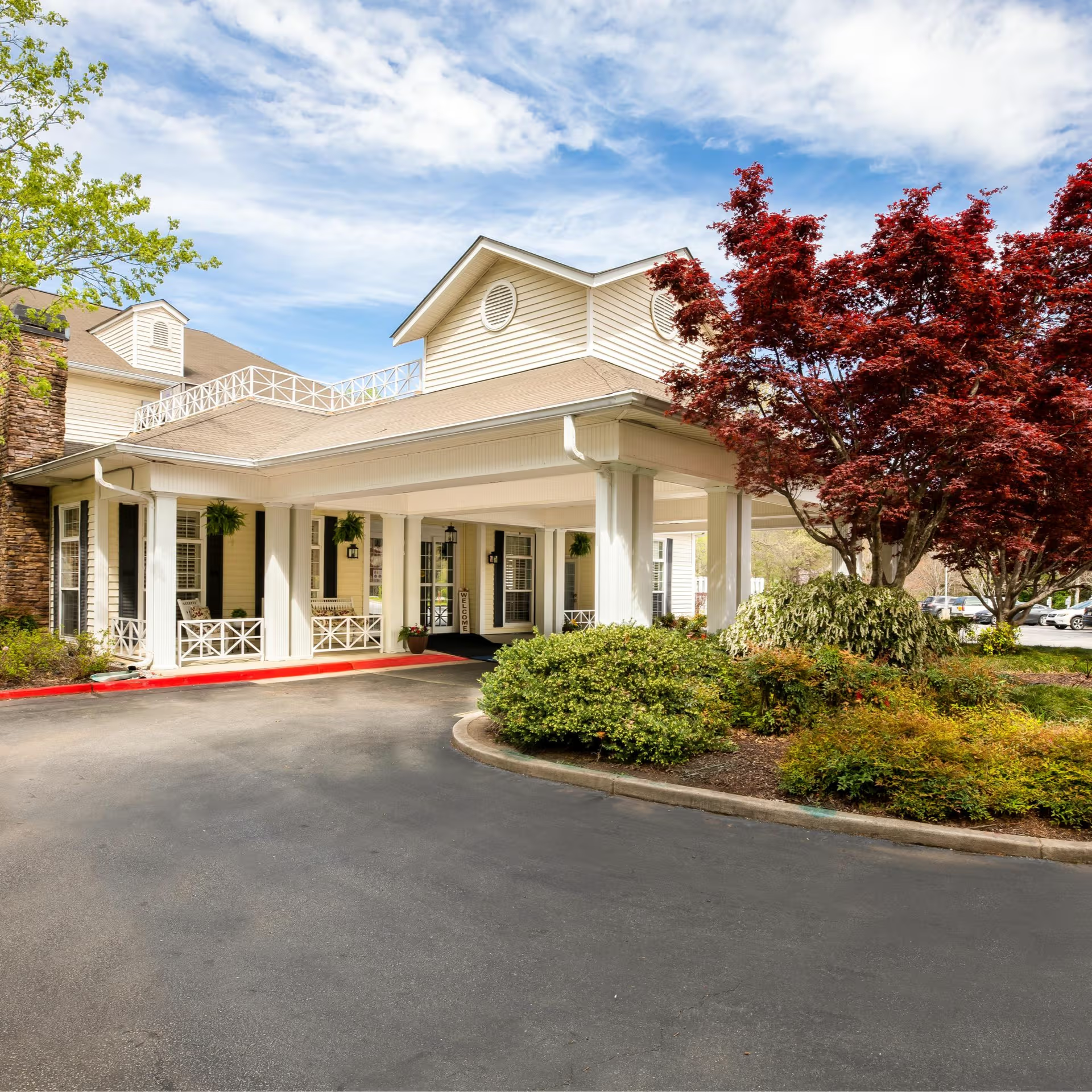
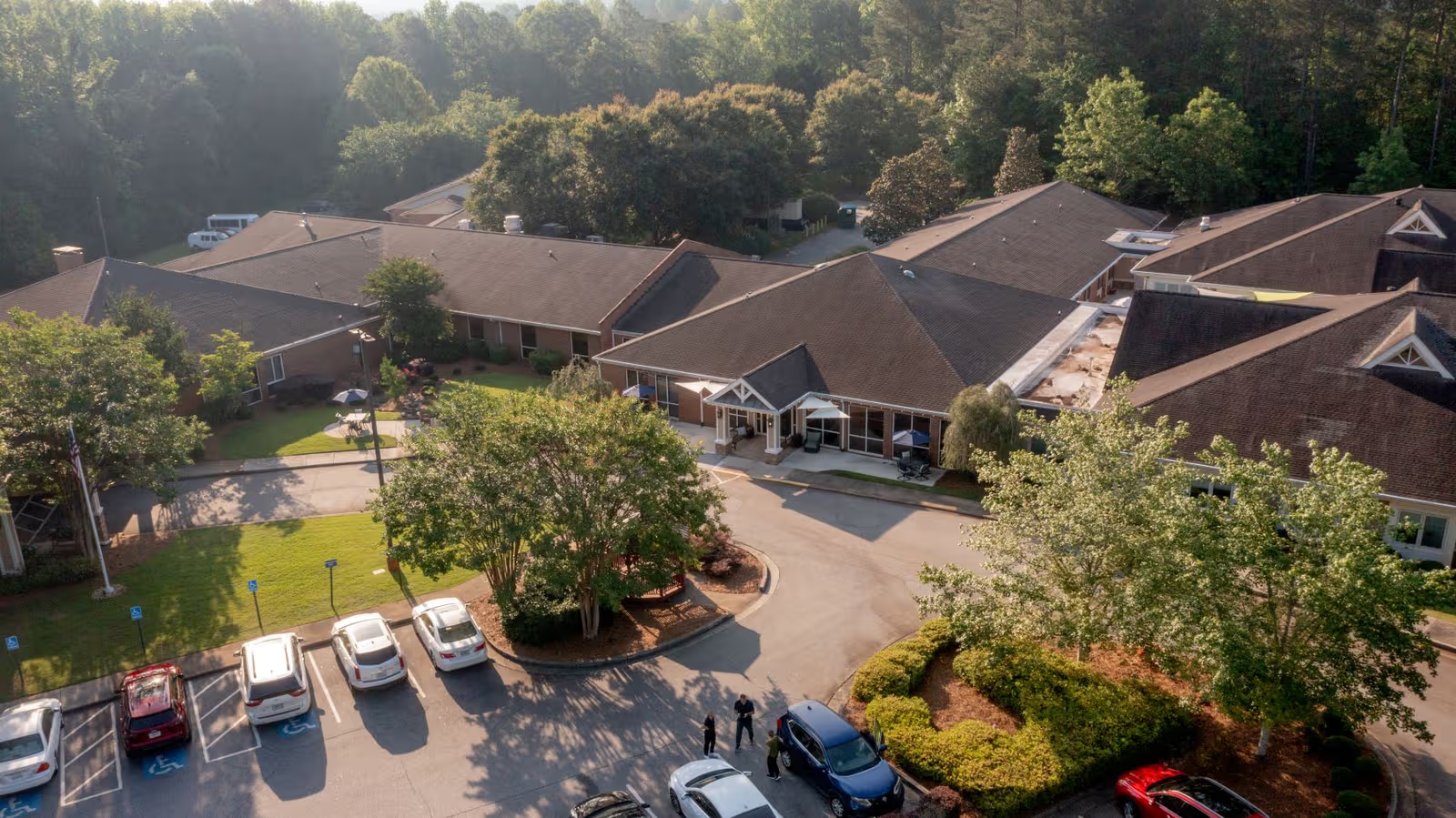
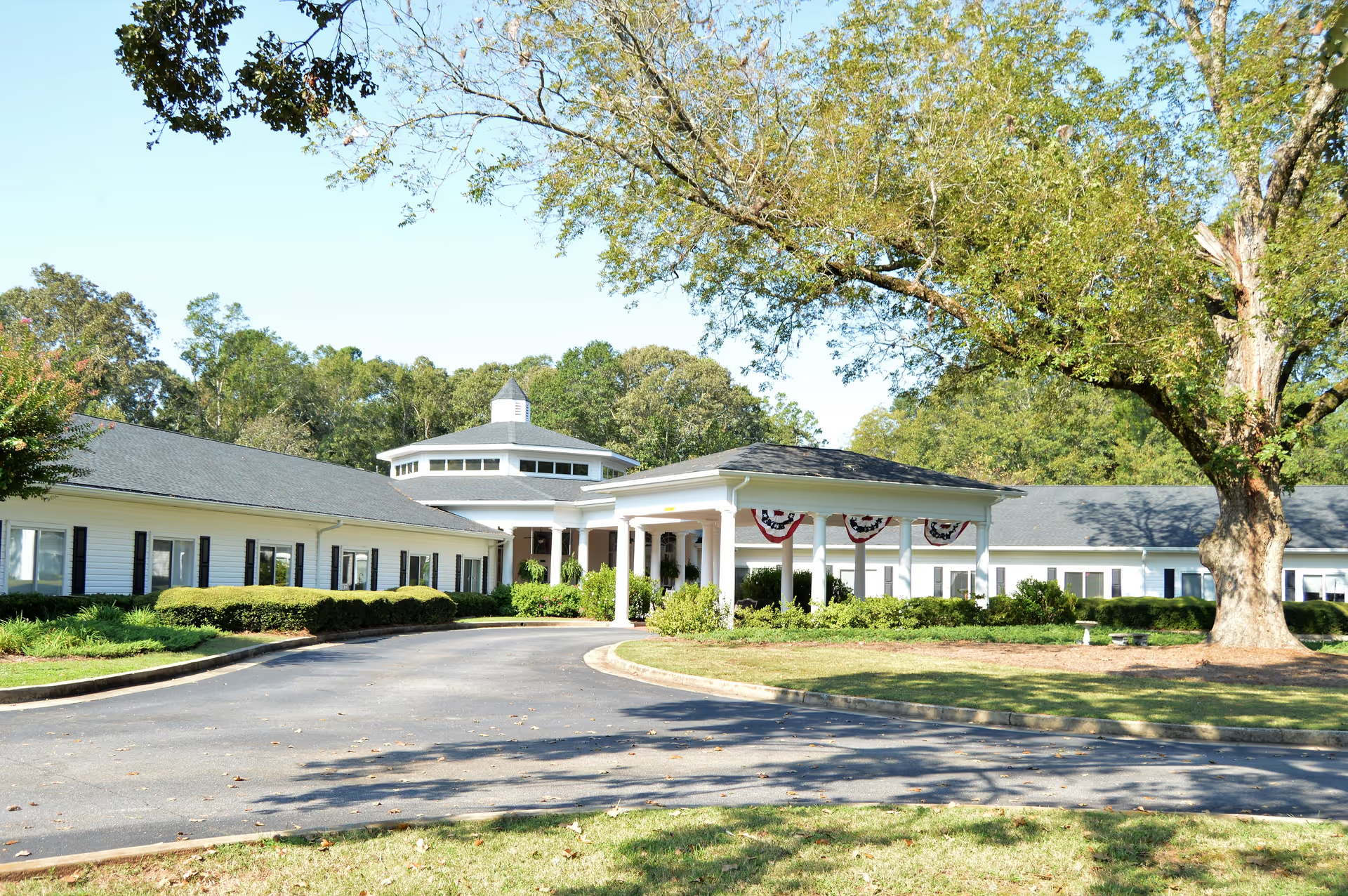
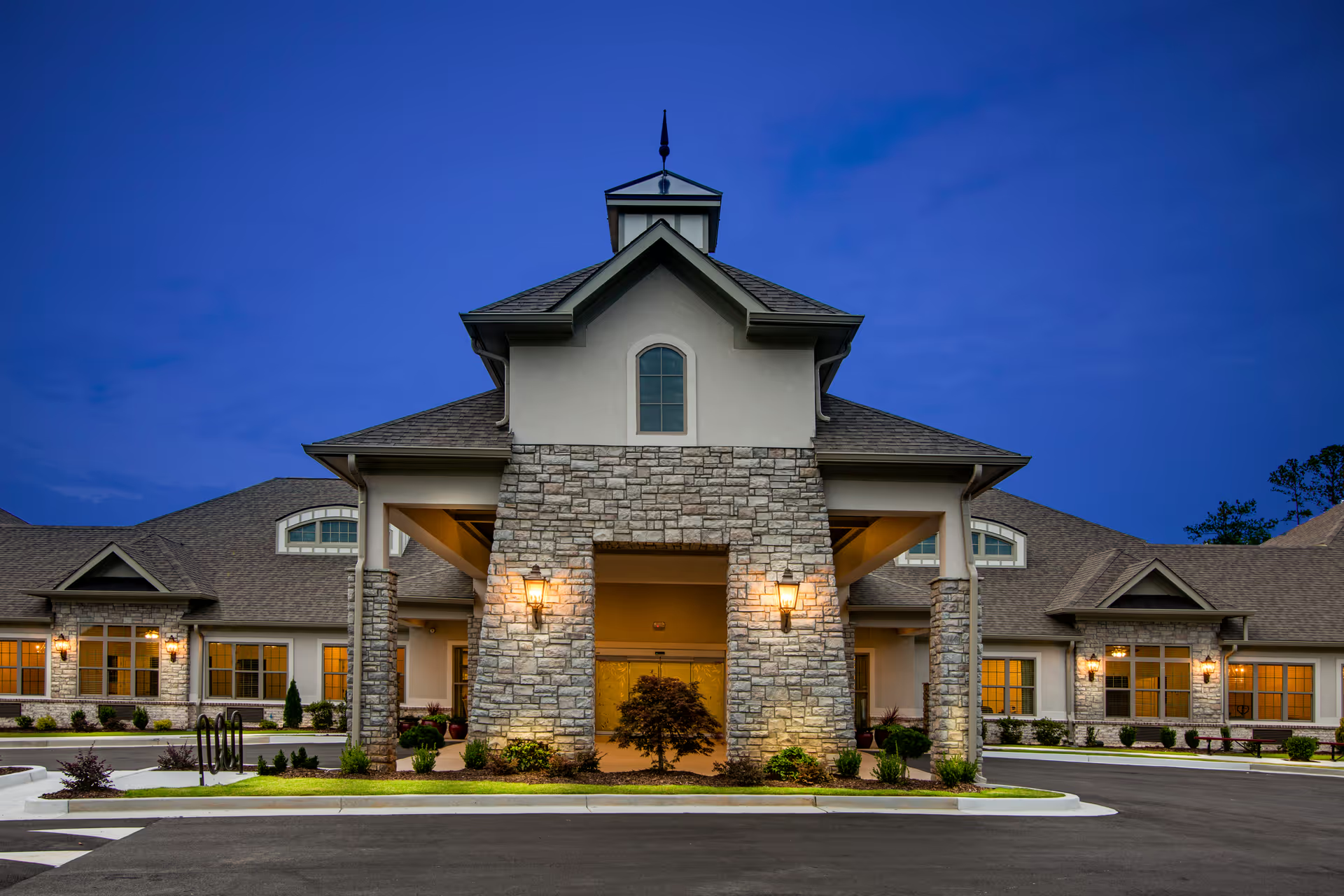
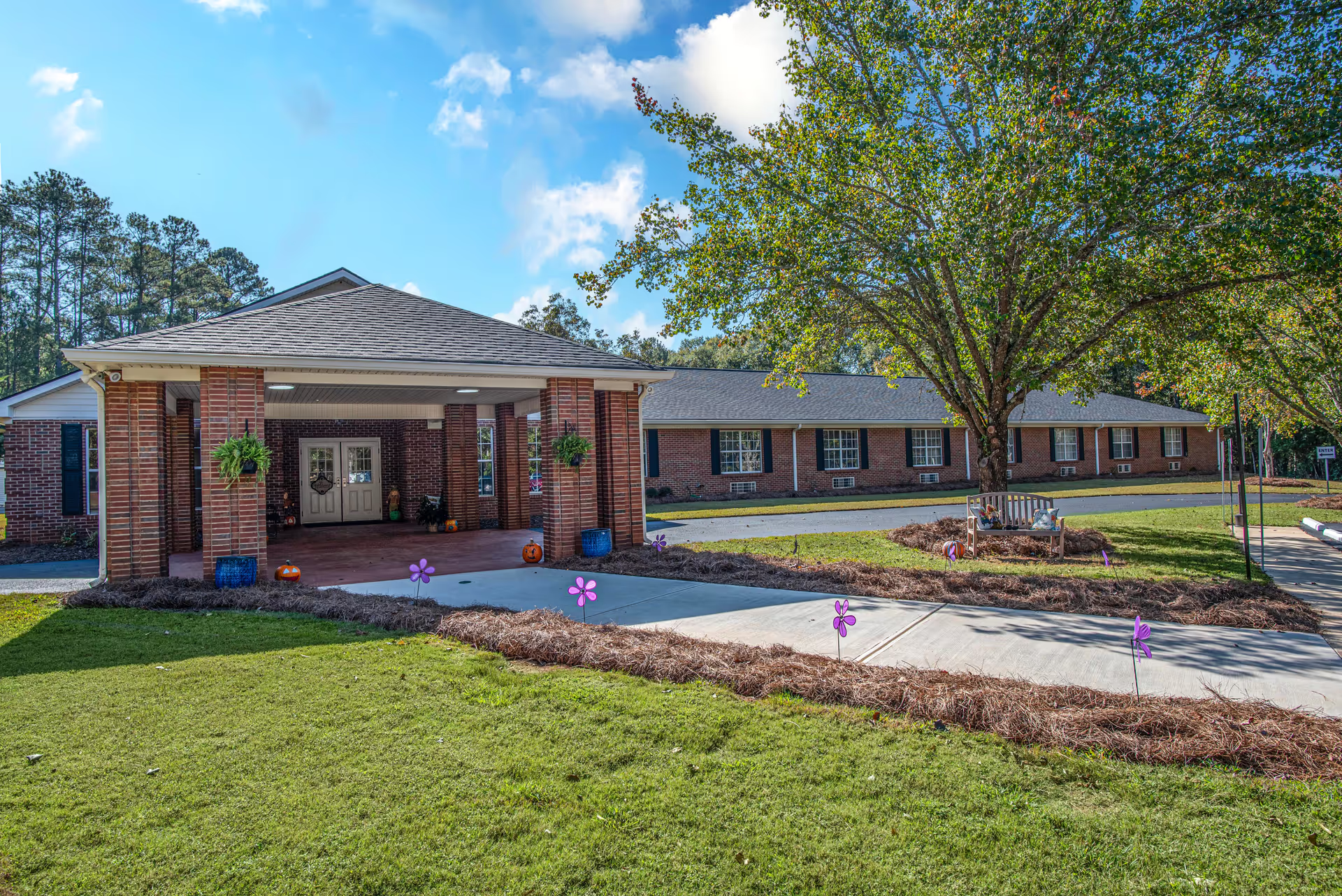
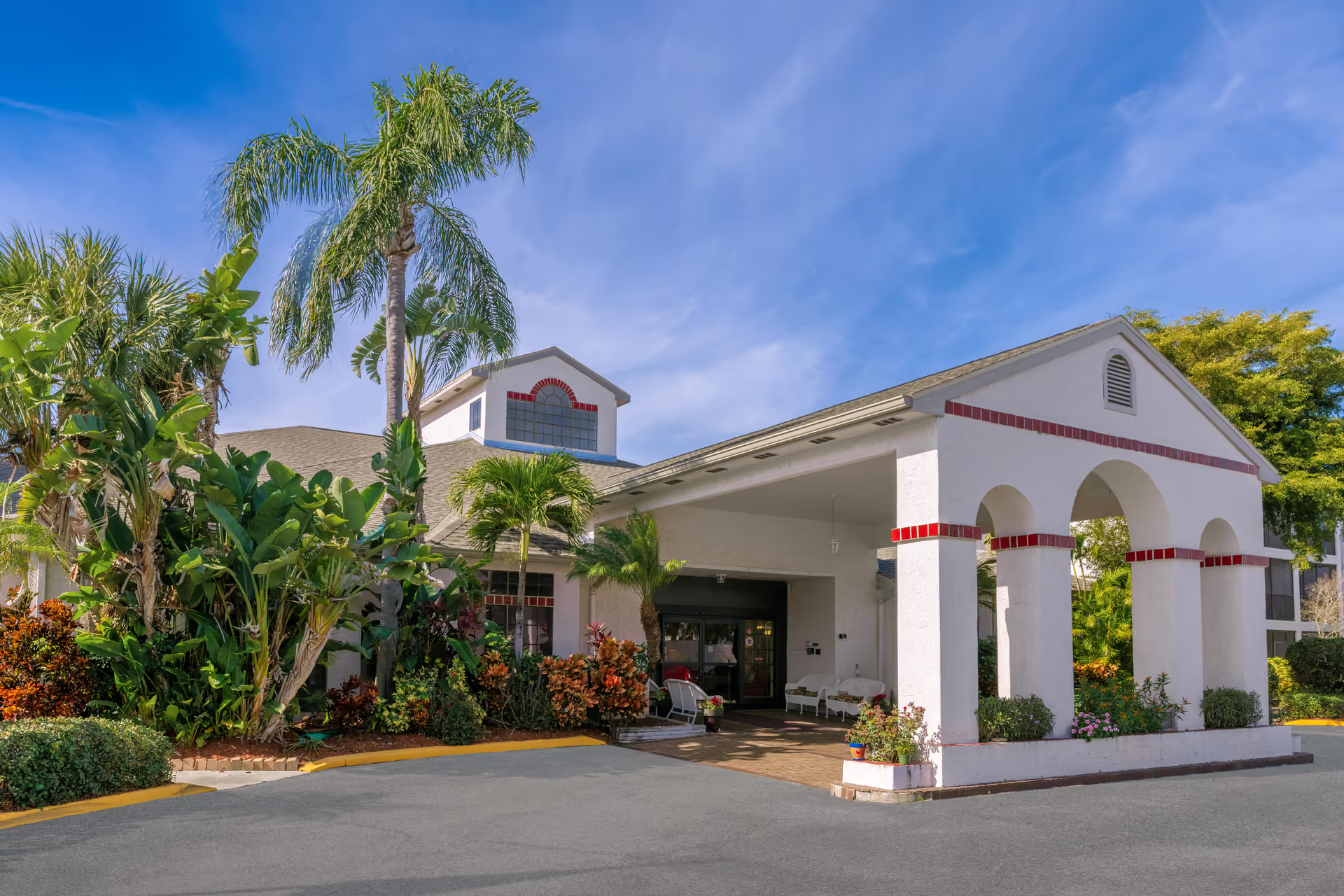
Overall impression: The Landing is described predominantly as a new, well-maintained community with a strong emphasis on compassionate, resident-centered staff and attractive physical spaces. Reviewers consistently highlight courteous, organized caregivers and leadership that prioritizes individualized transition support and frequent communication in routine circumstances. The facility’s new construction, thoughtful common spaces (theater, arts-and-crafts areas, private family rooms), and landscaped outdoor areas contribute to a positive first impression for prospective residents and families.
Care quality and staff: Care is frequently characterized as attentive and proactive, with staff described as caring, professional, and family-like. Families report responsive caregivers, consistent room checks, and leadership that is engaged with care planning. The activities director and program staff receive particular praise for personalized programming and events that reduce loneliness and encourage resident engagement. However, there are isolated but notable concerns about inconsistent operational follow-through: some accounts indicate lapses in personal-care and sanitation processes and instances where management responsiveness to complaints was perceived as inadequate. These items suggest variability in night or shift coverage and in escalation/complaint-resolution workflows rather than a uniformly poor standard.
Dining: Dining is a strength for many reviewers. The community’s dining program is often described as chef-driven with a varied menu, daily options, and special dining events. Multiple families praised meal quality, presentation, and the availability of menu-ordering. Contrasting accounts indicate occasional declines or variability in meal quality over time, which points to potential inconsistencies in kitchen staffing, menu execution, or quality-control processes that prospective residents should verify during a tour and follow-up visits.
Activities and programming: The Landing offers a robust set of engagement opportunities, including arts and crafts, events (tailgates and similar social gatherings), theater amenities, and technology-enabled activities. Programming is noted as individualized and supportive of transitions, with staff who proactively communicate and involve families. This is a clear operational strength that supports resident well-being and social engagement across levels of care.
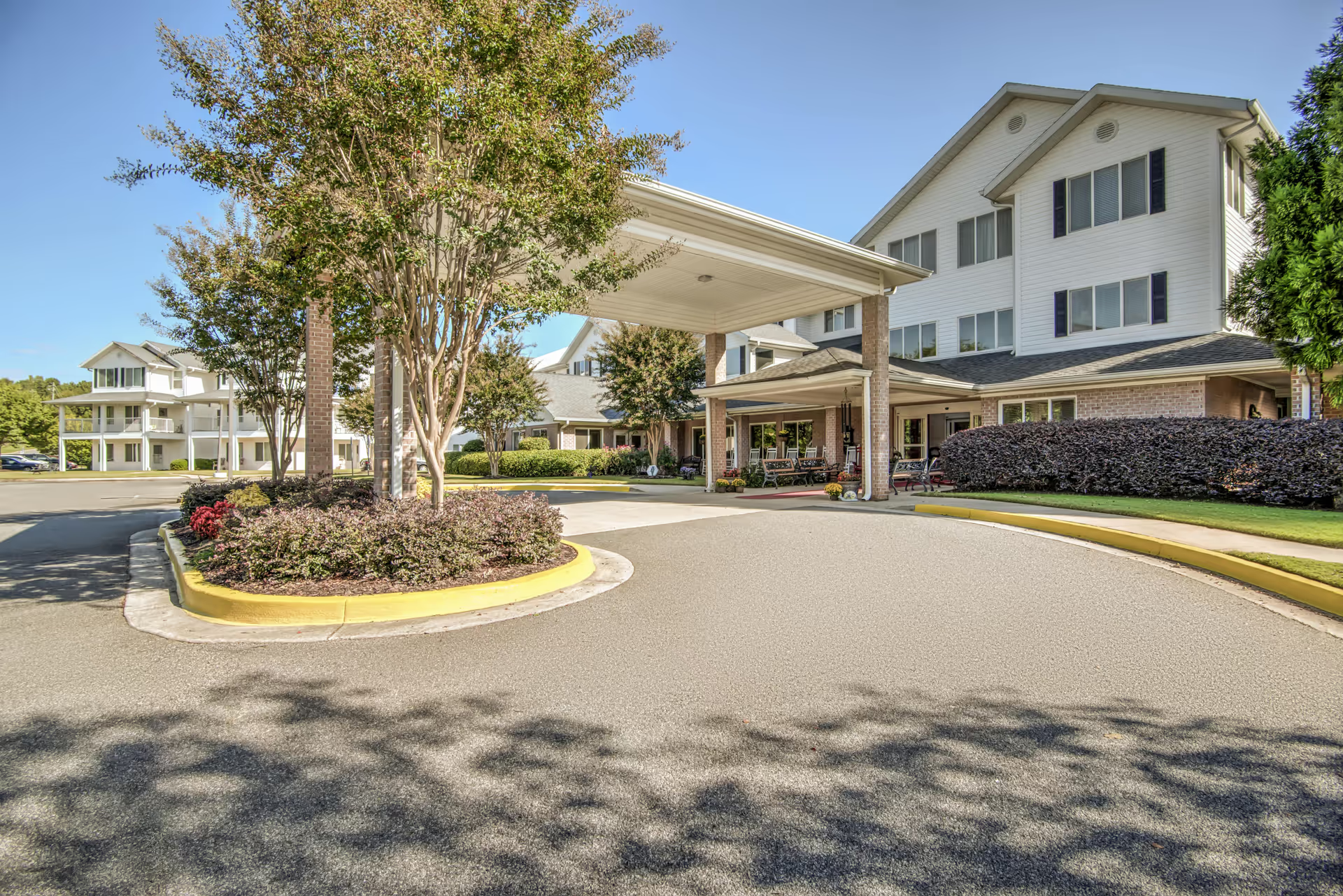
Facilities and accessibility: The building is new, visually appealing, and generally well appointed. Apartments are described as roomy one-bedroom units with kitchenettes and accessible bathrooms. The community supports multiple levels of care—independent living, assisted living, and memory care—enabling age-in-place. Notable facility-level limitations include a smaller, more confined memory-care unit with limited common-area access, and a vertical three-story design that depends on elevators. These characteristics raise practical considerations around mobility, daily access to outdoor spaces for memory-care residents, and emergency-evacuation procedures in a multilevel setting.
Management and communication patterns: Leadership receives praise for commitment to excellence and for smooth admissions and move-in processes in many accounts. Families describe clear onboarding, frequent routine communication, and well-organized paperwork. Conversely, a subset of experiences documents gaps in communication during crises (for example, limited updates during lockdowns) and perceived delays or non-responsiveness from management when addressing certain complaints, including refund or billing issues. Prospective families should clarify escalation pathways, family-notification protocols during infection-control events, and documented refund/contract policies before committing.
Notable patterns for decision-making: The Landing’s primary strengths are its staff culture, newer facilities, active programming, and generally strong dining experience. Important trade-offs include the community’s premium pricing and limited smaller-unit inventory (no studios), the constrained layout and amenity access for memory-care residents, and the operational risks tied to elevator dependency and emergency-evacuation planning. There are mixed signals on operational consistency—many families report excellent, family-like care and communication, while a minority report sanitation and responsiveness concerns. Visitors should prioritize a focused tour of the memory-care areas, ask about emergency and infection-control communication protocols, observe dining at mealtime, and review contract terms related to pricing and complaint resolution to determine fit for their needs.