Overall impression Orchard at Athens presents as a modern, well‑appointed assisted‑living and memory‑care community with strong aesthetic and amenity offerings. Reviewers consistently praise the facility’s bright design, spacious suites with large bathrooms, attractive common areas (movie theater, game rooms, salon, spa, fountain squares), and well‑maintained grounds and walking paths. Many families describe a warm, family‑like atmosphere and a sense of peace of mind tied to visible safety features and pandemic precautions.
Care and staff The dominant theme in the reviews is positive: caregivers, med techs, and leadership are frequently described as compassionate, professional, and attentive. Reviewers report individualized care plans, respectful interactions, and staff who handle challenging dementia‑related behaviors with patience. At the same time, there are recurring operational concerns: some families describe variability in responsiveness (especially by phone/email), uneven nighttime rounding, and examples that suggest gaps in medication‑monitoring and clinical follow‑up. Several comments also point to high staff turnover or mixed staffing that can affect continuity of care. There are a small number of serious allegations about staff conduct and workplace culture; prospective families should treat those as important, verify outcomes, and consult regulatory records as part of due diligence.
Dining, activities, and therapies Dining is widely regarded as a strength: on‑site food preparation, thoughtful presentation, and appetizing menus are mentioned repeatedly. The community offers a wide range of activities and programs — social events, parties, transportation to town, and engagement suited to assisted living and memory care — and many reviewers appreciate the variety and frequent programming. A few reviewers noted that memory‑care programming can be lighter on weekends and holidays, which could be relevant for families seeking continuous engagement for residents with dementia. On‑site therapeutic services (physical therapy room, podiatry visits) and amenities (private dining rooms, salon, theater) enhance the experience for many residents.
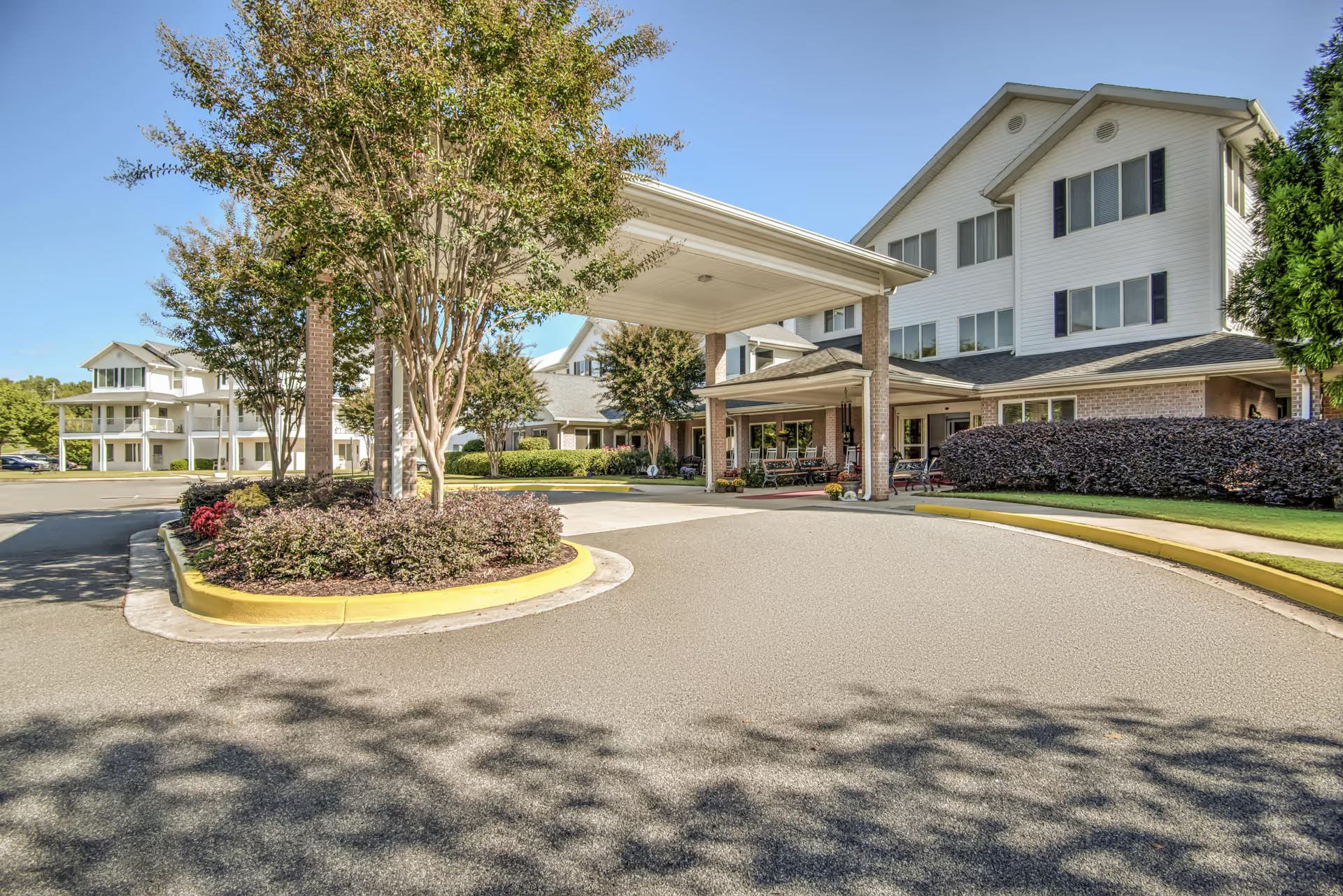
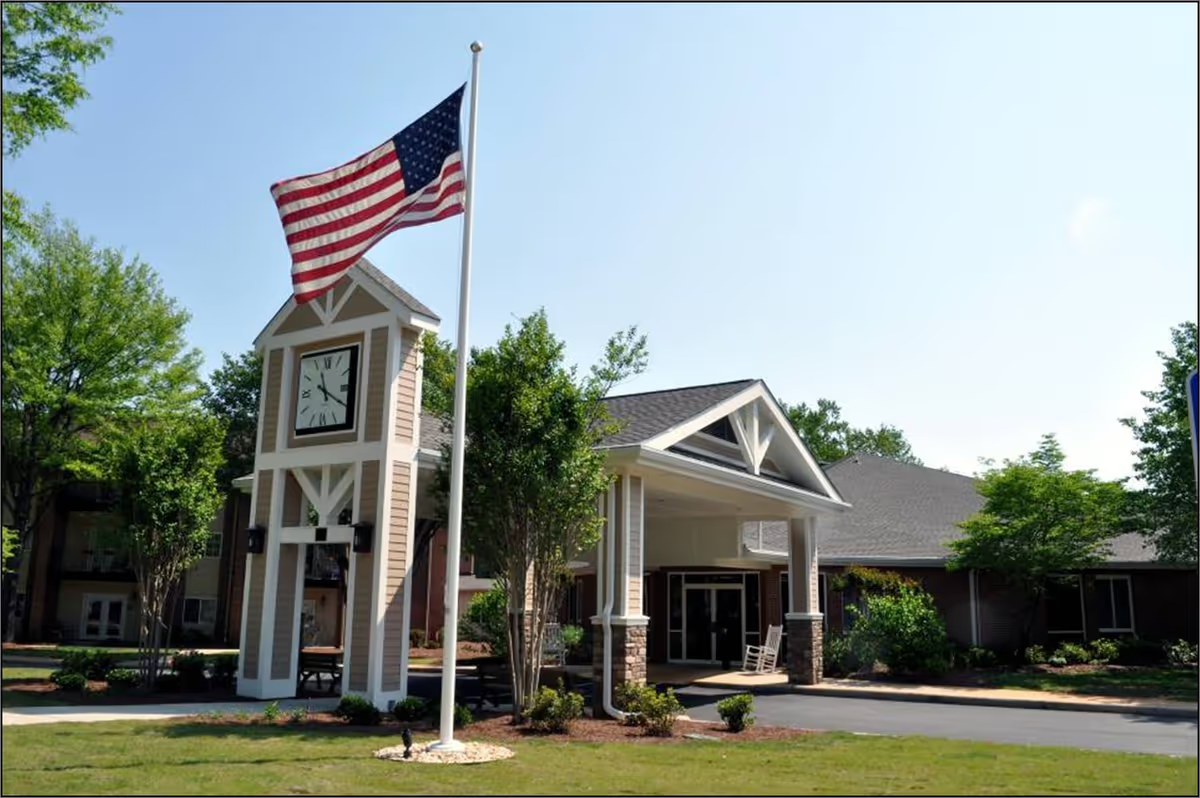
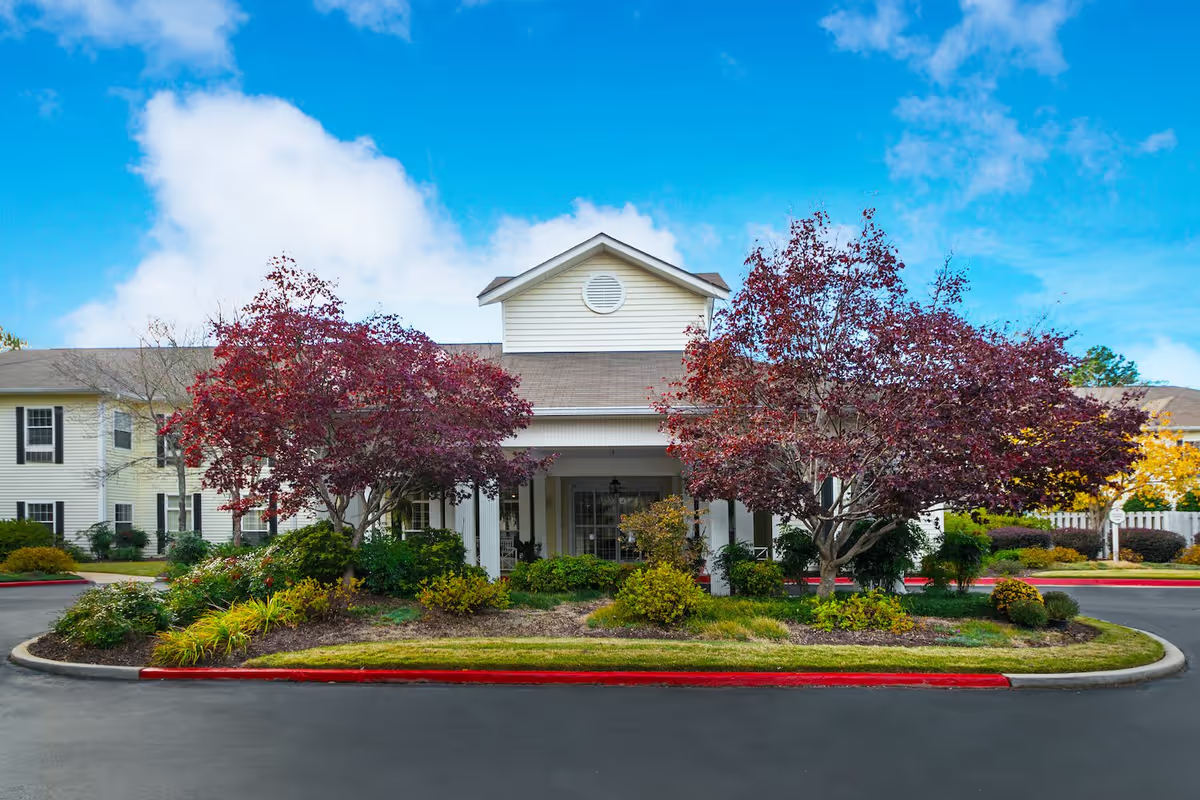
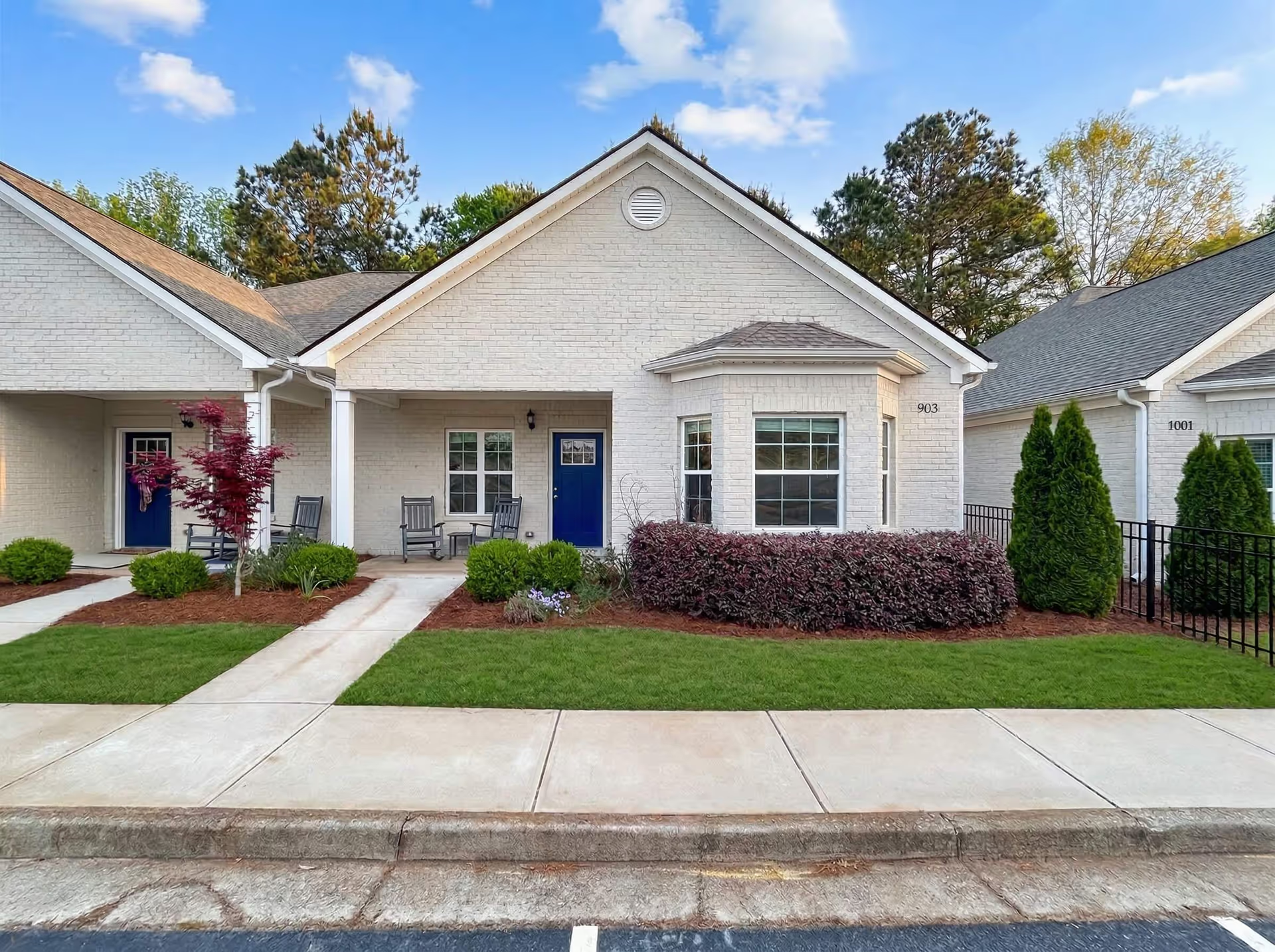
Facilities and environment The physical environment is a clear selling point: modern construction, abundant natural light, attractive landscaping, enclosed memory‑care patios, and accessible outdoor spaces. Suites and common areas receive consistently favorable comments for cleanliness and upkeep. The campus feel, central squares and fountains, and resident‑friendly design elements (resident‑controlled hallway lighting, paved perimeter paths) contribute to a home‑like atmosphere for many families.
Management, operations, and financial matters Many reviewers highlight smooth admissions, responsive leadership, and effective operational systems. Conversely, there are recurring operational critiques: inconsistent staffing patterns, communication lapses, and instances of billing errors and delayed refunds. Cost is another common theme; reviewers frequently describe the community as upscale and relatively expensive, with negotiated discounts sometimes required to reconcile price with family budgets. A number of reviewers also described growing‑pain logistics associated with a new or recently opened facility, which some families experienced as temporary service gaps.
Notable patterns and recommendations for prospective families The pattern of reviews is polarized: a large portion describe excellent care, engaging programming, and a high‑quality environment, while a smaller but significant set raises concerns about staffing consistency, communication, and isolated serious incidents. Prospective families should confirm staffing ratios, nighttime‑rounding policies, medication‑administration protocols, billing and refund procedures, and weekend memory‑care programming during a tour. Review state inspection reports and ask for examples of how the community addresses staff turnover and family communication. In sum, Orchard at Athens offers many visible strengths in environment, dining, and amenity levels, and frequently delivers compassionate care, but families should investigate operational and administrative practices to ensure they match their expectations for consistency and clinical oversight.