TerraBella Epps Bridge (Iris Place/TerraBella Athens) receives consistent praise for its people-centered environment and active social programming. Families and residents frequently highlight kind, attentive staff, a warm community culture, and a broad activities calendar that includes exercise classes, art and writing groups, musical programs, church services, bingo, outings, and volunteer-led events. These offerings, combined with organized transportation and social pairing for new residents, support social engagement and successful acclimation for many residents.
Dining is a focal point of the community experience and elicits mixed but specific impressions. Numerous reviewers applaud the nutritious, chef-prepared meals, multiple menu choices, dietary accommodations, and generous portions. At the same time, there are recurring operational concerns: meal service can be slow, dining periods lengthy for large numbers of diners, occasional shortages of menu items, and variability in food quality and seasoning. Reviewers also note understaffing at peak mealtimes, which contributes to wait times and inconsistent table service.
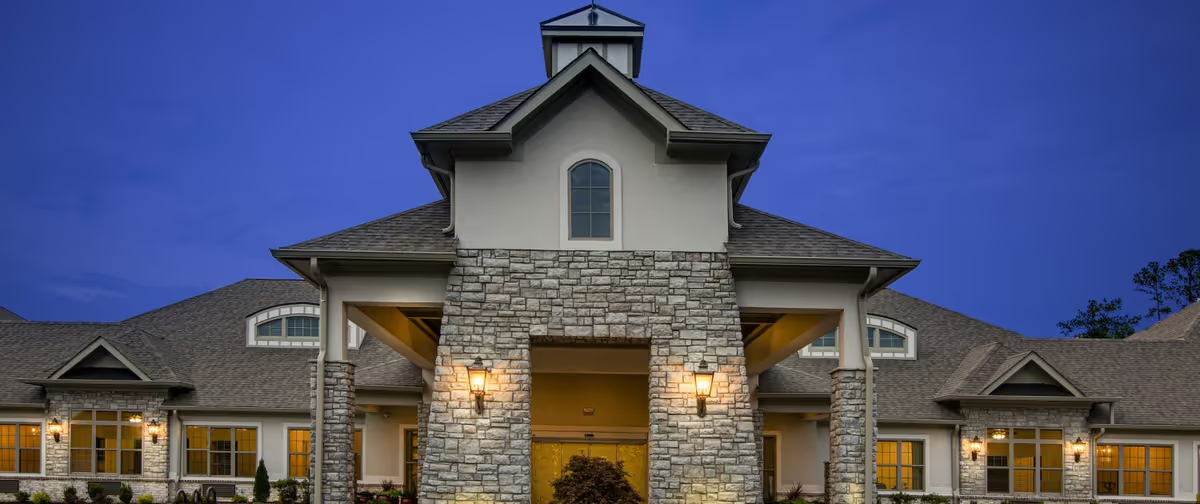
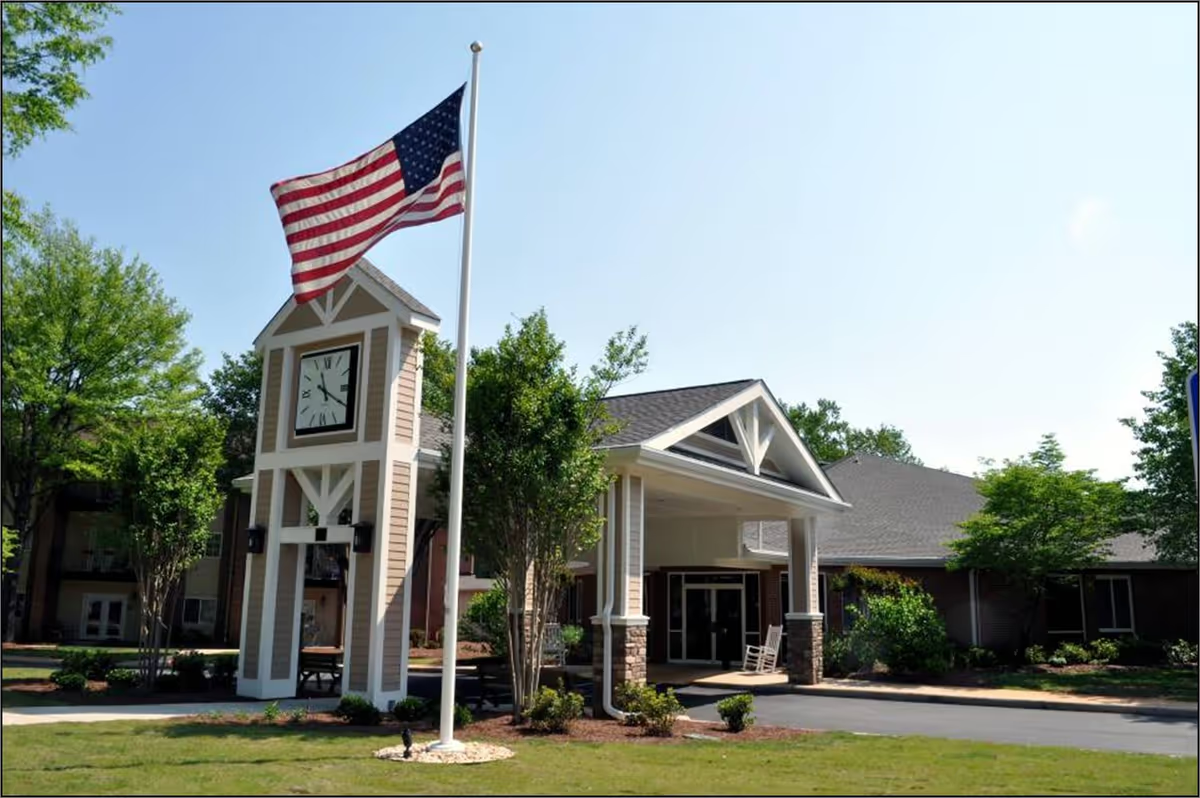
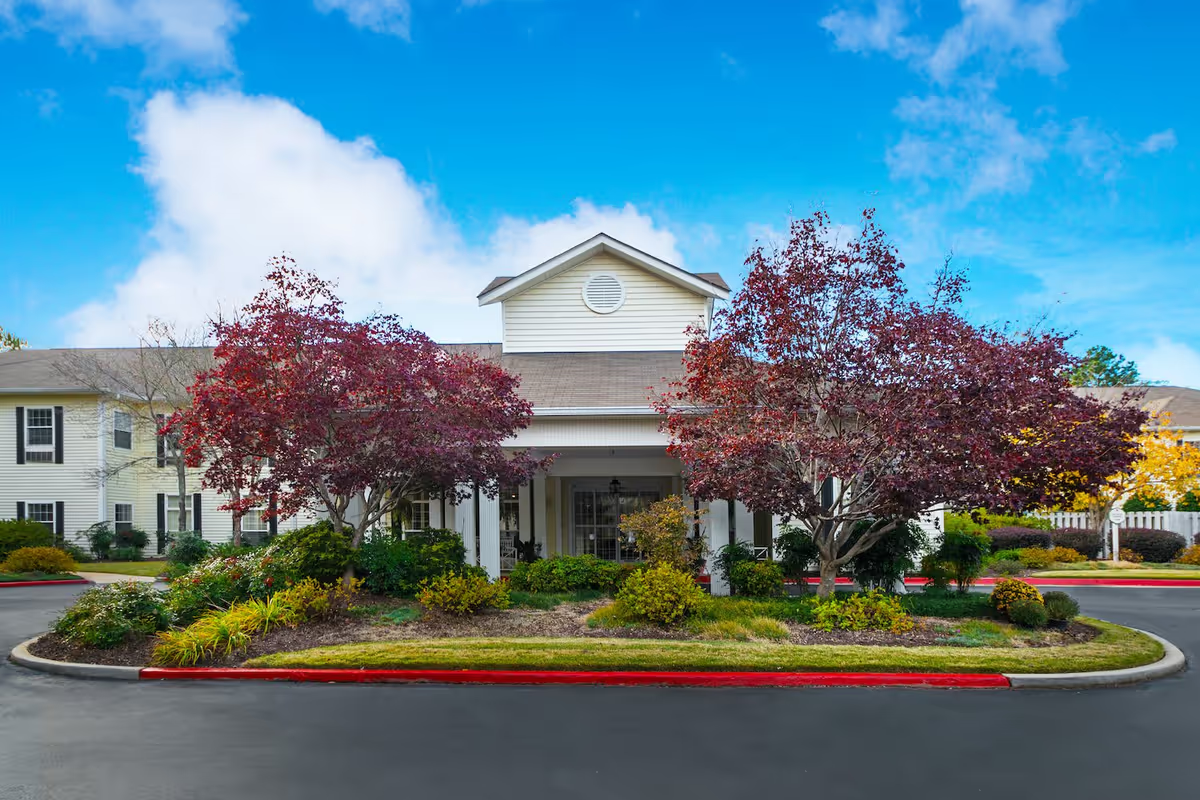
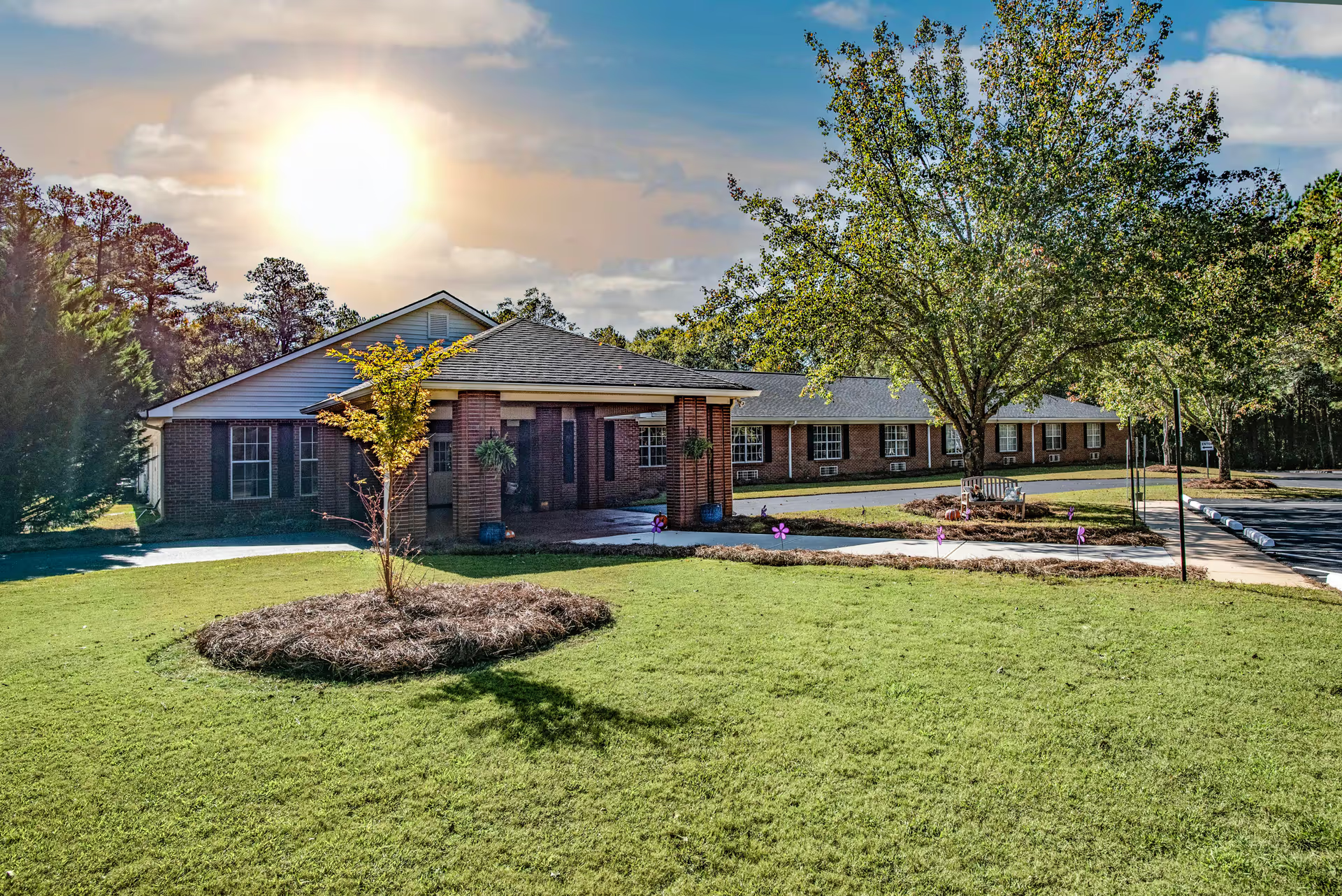
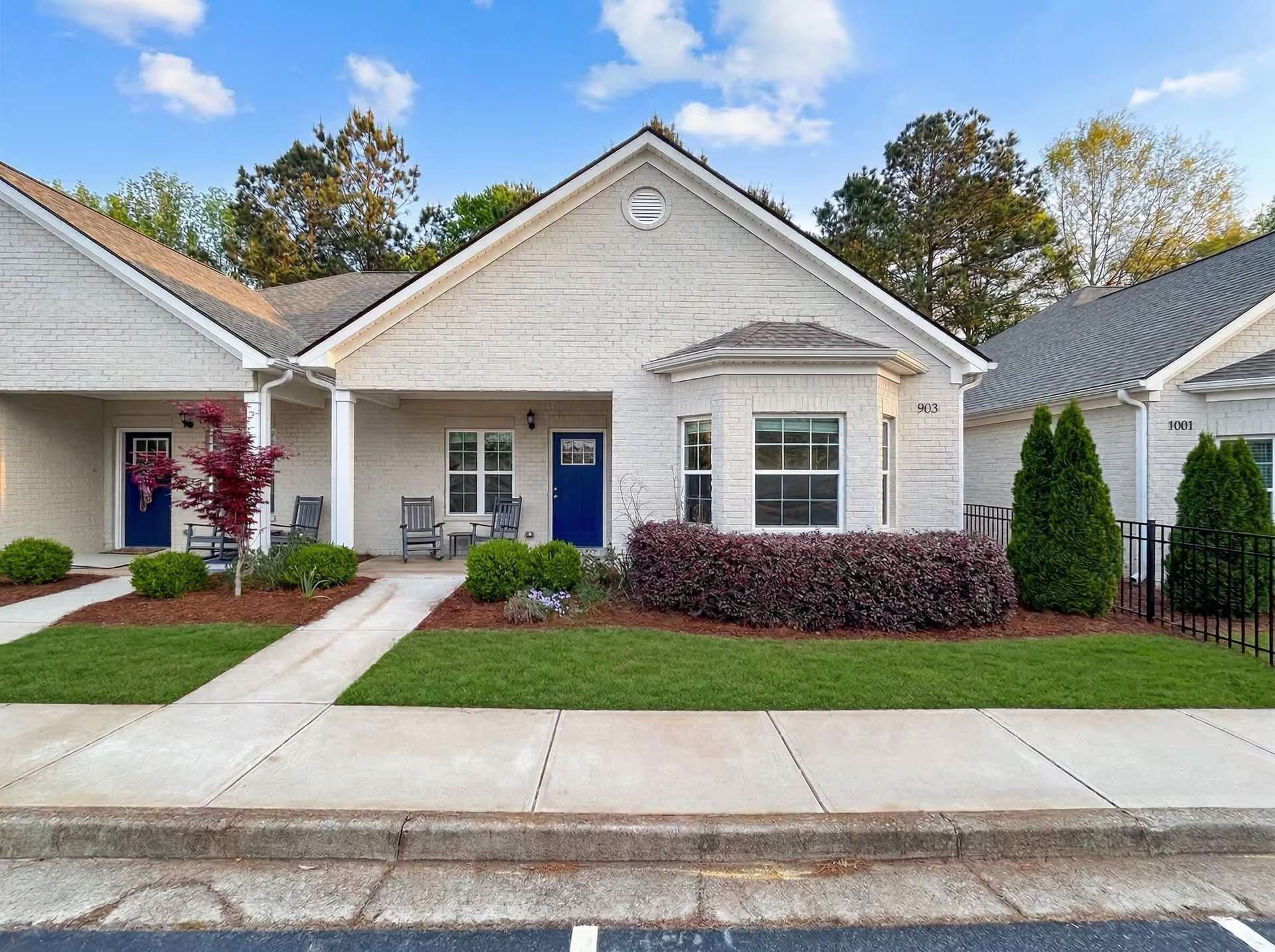
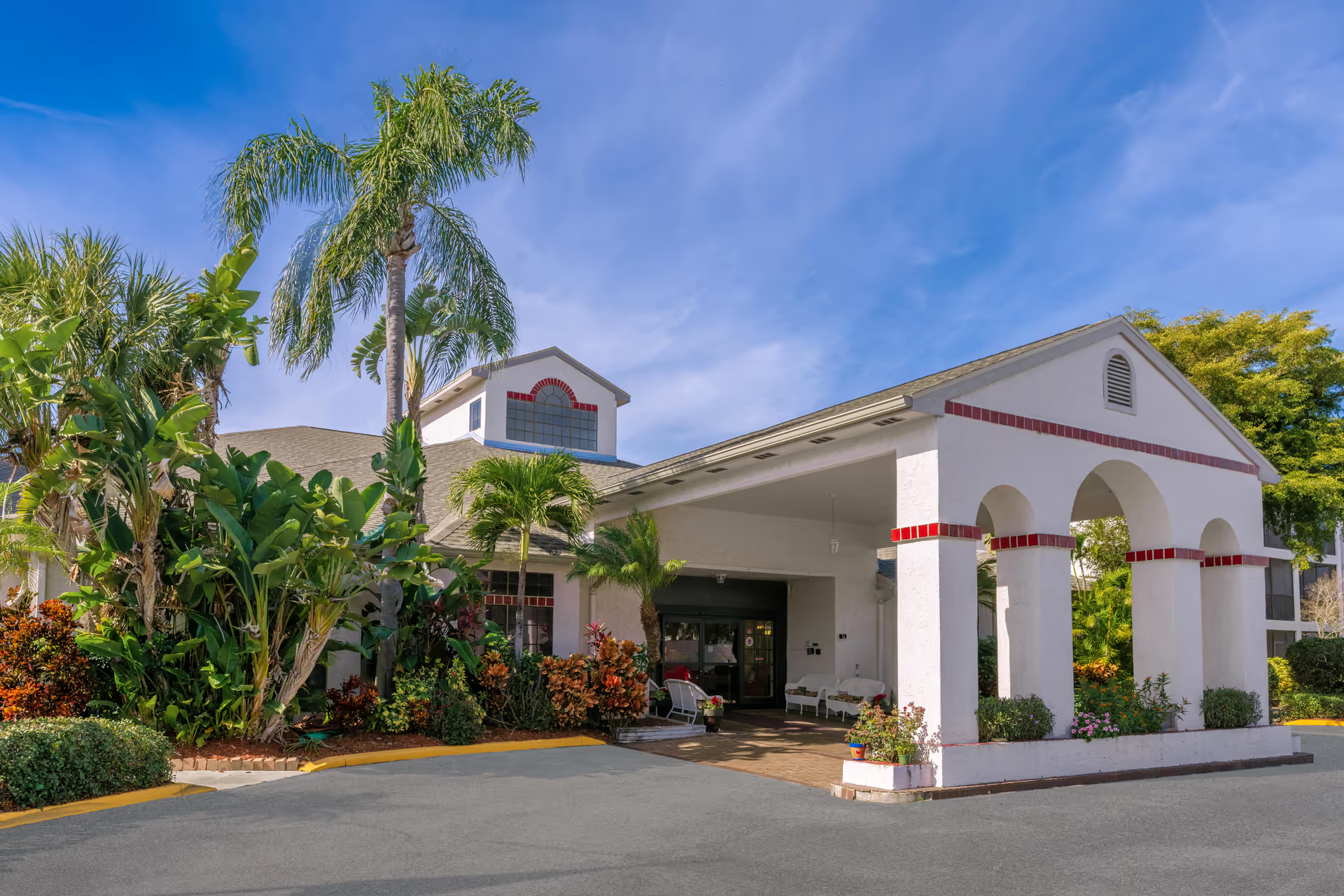
Facility condition and operations show a split picture. Several buildings and units have recent renovations, bright open floor plans, large windows, porch or patio access, and well-kept grounds that many residents find attractive and safe for walking. Conversely, other areas—particularly older cottages—are described as dated, in need of updates, or having accessibility limitations. Recurring operational issues include slow maintenance response, intermittent elevator reliability, and intermittent internet/phone outages. There are also isolated but meaningful concerns about pest control and roof/leak repairs; these have contributed to perceptions of uneven upkeep across the campus.
Care and clinical support appear generally adequate for independent living needs. Weekly housekeeping, linen service, routine wellness checks, and availability of on-site rehabilitation are cited positively. However, the community relies on external or private caregivers for residents with higher-acuity needs, which points to limited on-site assisted-care capacity. Families value staff attentiveness and safety checks, but note that clinical oversight and emergency responsiveness have been inconsistent at times.
Management and communication present a clear pattern of variability. Many reviewers praise on-site staff, individual managers, and tour personnel for being helpful and proactive; others describe periods of poor responsiveness, remote corporate communication gaps, or managers who were difficult to reach. Pricing and perceived value are also mixed: some families find the fees competitive and flexible, while others criticize premium pricing, unexpected increases, or unclear billing communications.
Overall, prospective residents and families will find strong social programming, compassionate frontline staff, appealing outdoor spaces, and solid meal offerings among the community's principal strengths. Important considerations before committing include the condition of specific units (newly renovated versus older cottages), the potential for maintenance or service delays, dining service timing, and the level of on-site clinical care needed. A focused tour that inspects the specific building/unit of interest and a conversation about current maintenance, internet/phone reliability, staffing at meal times, and long-term pricing policy will help families weigh whether the community’s strengths align with their priorities.