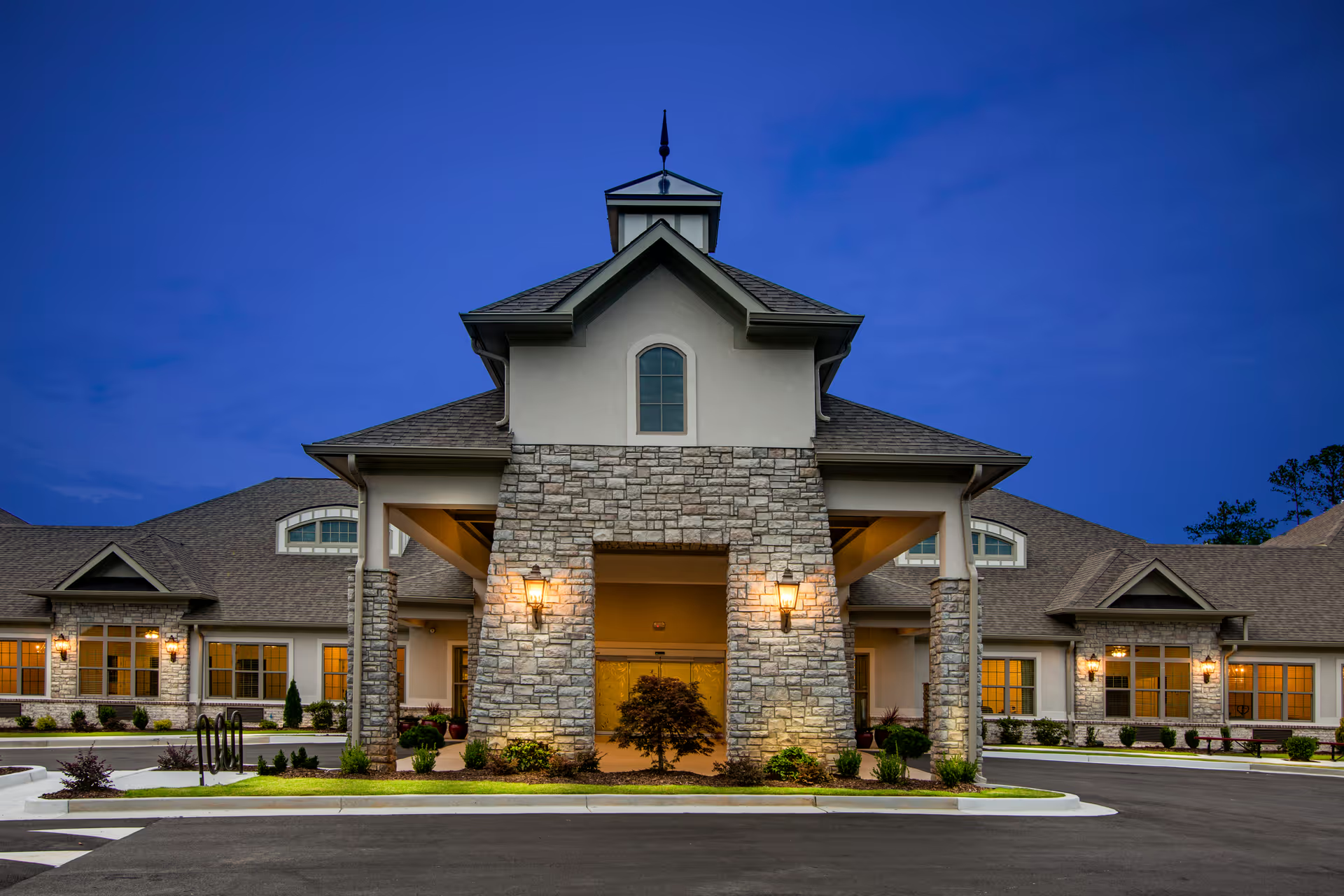
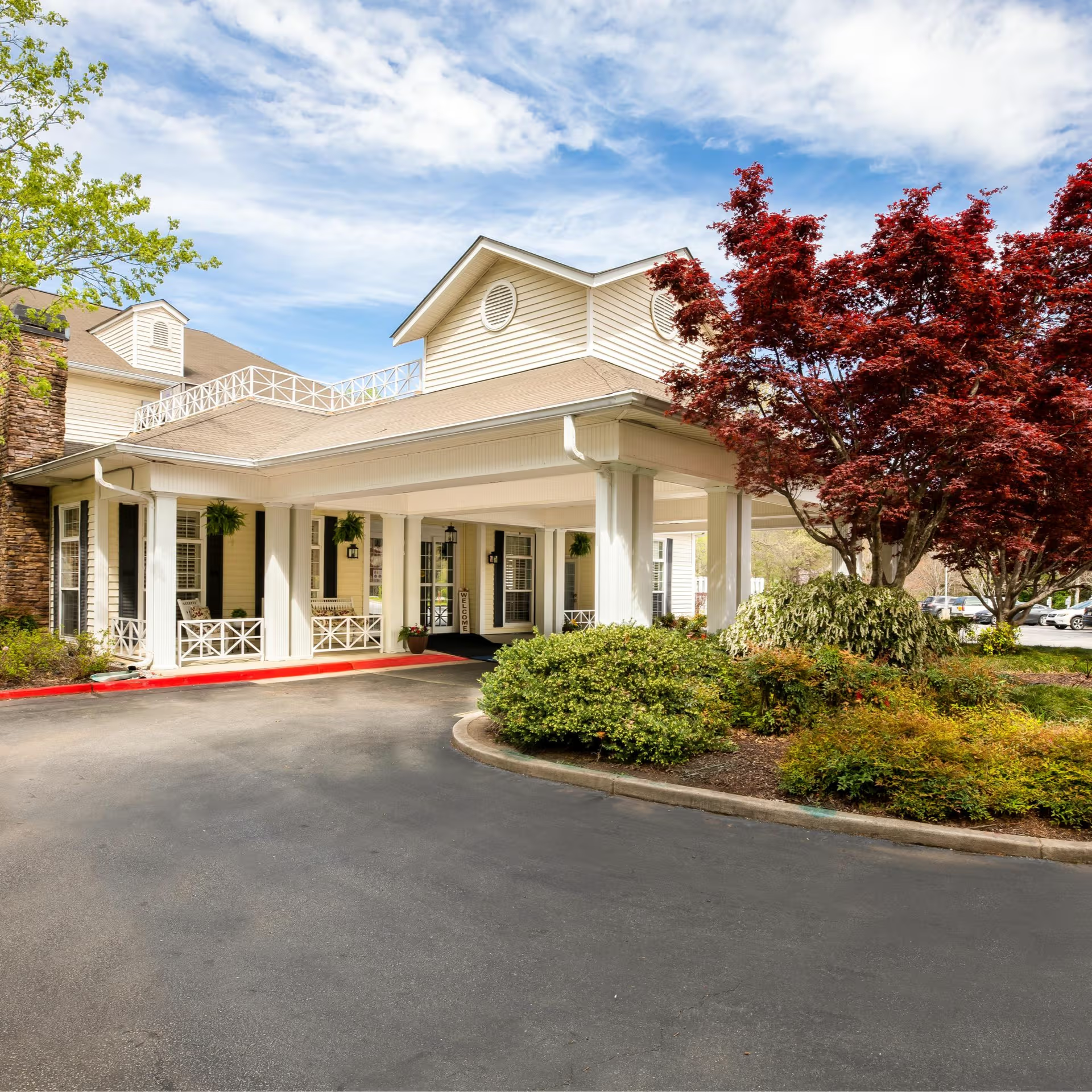
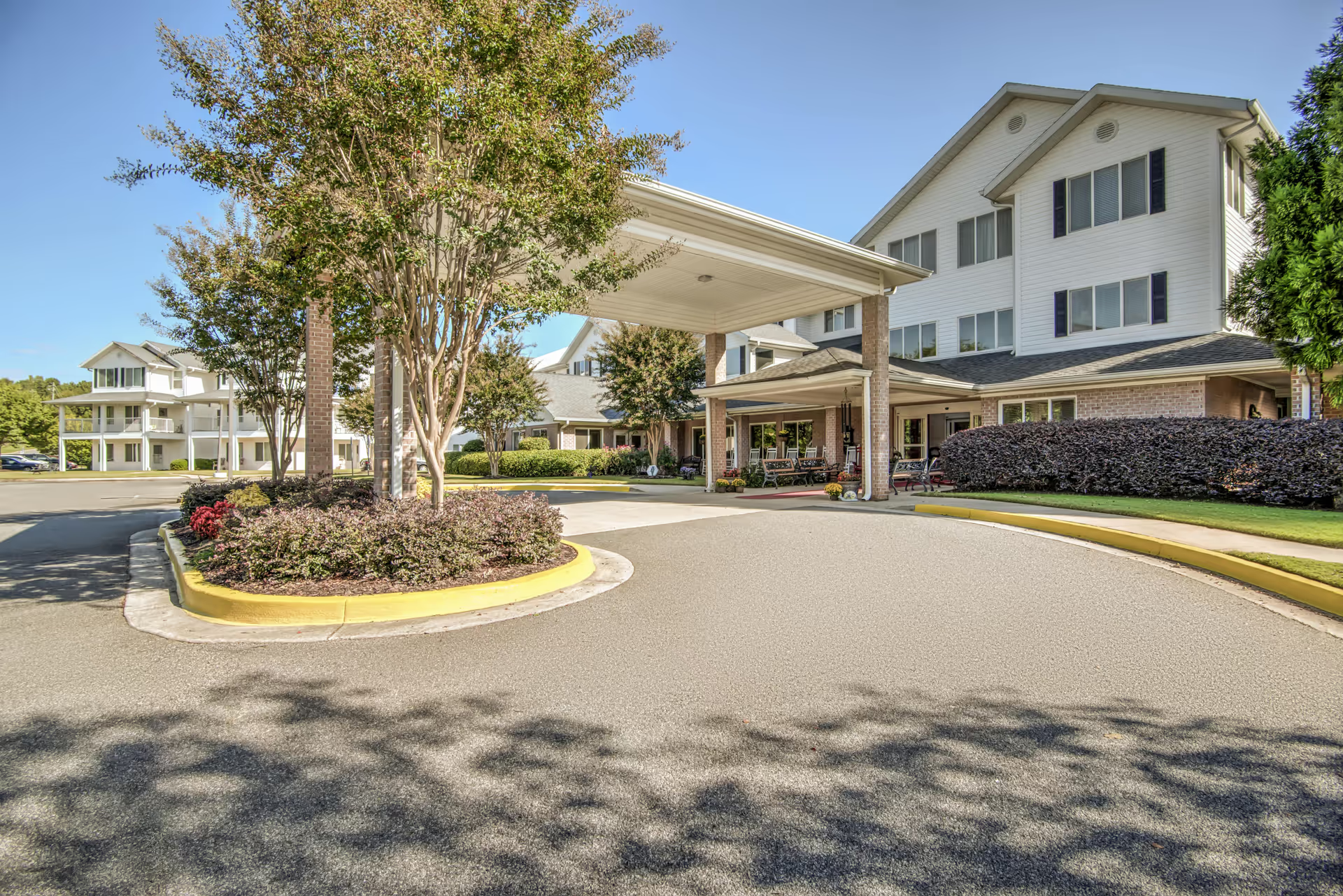
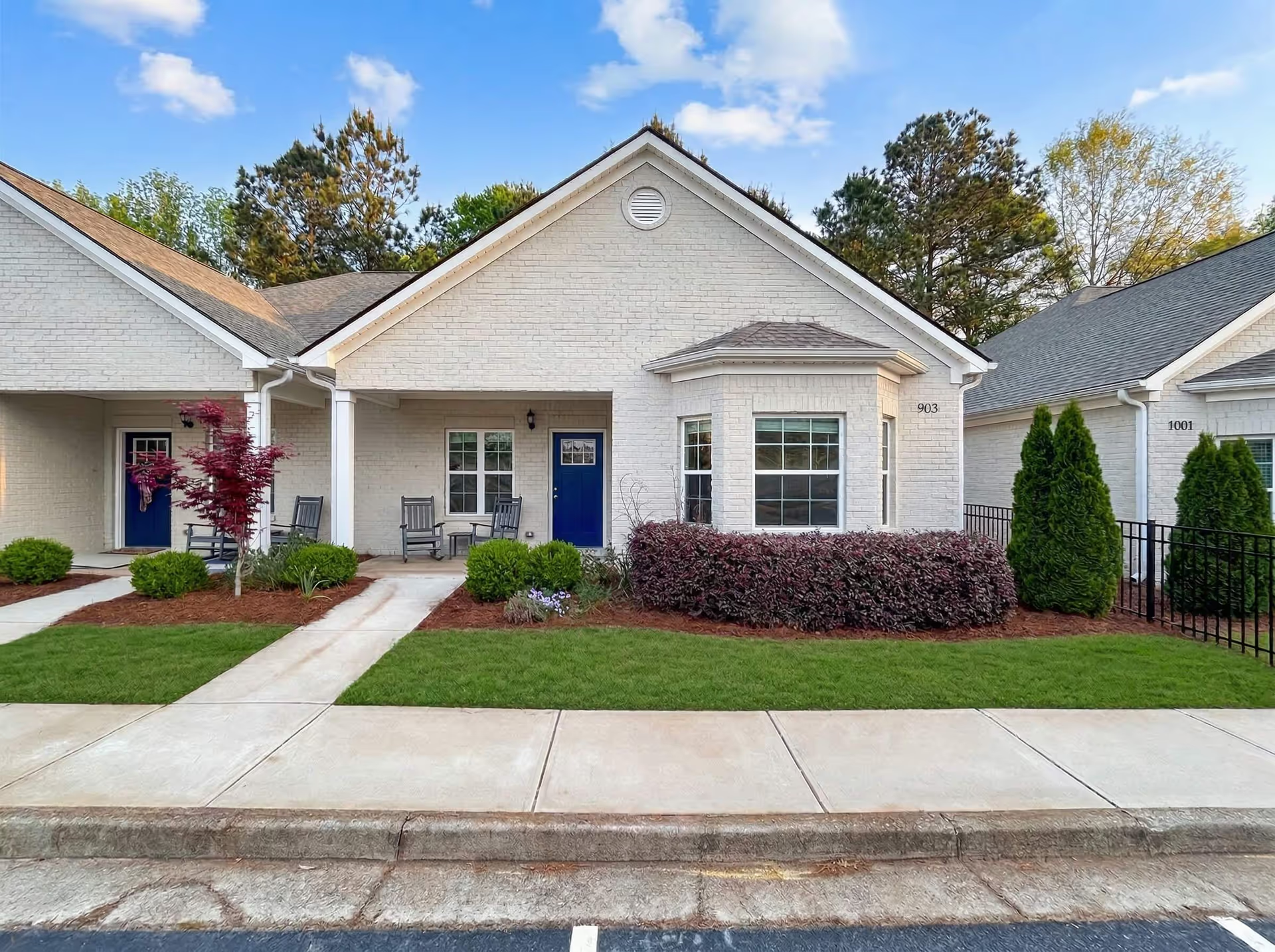
Haven Memory Care is consistently described as a small, locally owned memory-care community with a focused clinical model for dementia (including Alzheimer’s, Lewy body, and vascular dementias). Many families praised the RN-led ownership and clinical leadership, noting an experienced nursing presence, individualized care plans, and a compassionate workforce trained in dementia care. The facility’s size and home-like, recently renovated décor are frequently cited as strengths that contribute to a calm, secure environment where residents often show improved engagement, alertness, appetite, and functional gains.
Care and staffing are central strengths and also a source of mixed feedback. Positive comments emphasize patient, respectful staff who provide dignity-focused care, smooth admissions guidance, and responsive problem correction. The owner-led model and presence of licensed nursing staff are described as reassuring to families. At the same time, reviews indicate variability in staff performance and conduct, with particular concern about overnight coverage and night-shift practices. Reviewers also raised issues consistent with staff morale and turnover; these operational patterns can affect consistency of care and should be clarified during a family’s evaluation.
Dining and activities receive generally favorable remarks: meals are described as home-cooked with variety, and the community supports bingo, arts and crafts, birthday celebrations, and other social events. These offerings support socialization and family involvement. However, activity programming appears uneven across days and times in some descriptions — several reviewers mentioned limited daytime engagement or a concentrated morning schedule — so expect variability in how active residents are during the day depending on staffing and programming cadence.
Facility condition and management are similarly mixed. Many reviewers highlight a soothing, well-maintained, and newly renovated interior and exterior. Conversely, a subset raised concerns about cleanliness, sanitation in some resident areas, and inconsistent maintenance in certain spaces. Management is praised for being hands-on, family-oriented, and spiritually supportive, but the combination of perceived maintenance inconsistencies and the staffing variability noted above suggests families should verify current conditions and oversight practices in person.
Notable patterns for prospective families: the community’s dementia specialization, small size, and RN leadership are clear positives for residents who benefit from individualized, low‑scale memory care. Potential risks to probe further include overnight staffing ratios and supervision, protocols for hydration, toileting and medication monitoring, the consistency of daytime activities, and any recent staff turnover or performance improvement plans. During a visit, families may wish to ask for staffing schedules, examples of clinical monitoring logs, sample activity calendars, and recent maintenance or survey records to confirm that the current operational practices match the positive experiences many reviewers describe.
Overall, Haven Memory Care presents as a focused, compassionate memory-care option with strengths in personalized dementia care, clinical leadership, and a home-like environment. These advantages are counterbalanced by operational inconsistencies in staffing, monitoring, activities, and occasional maintenance or sanitation concerns — areas worth verifying directly with management before placement.