Overall impression: Feedback indicates a facility with notable strengths in clinical care, rehabilitation, and hospitality, tempered by intermittent operational weaknesses. Many comments emphasize compassionate nursing, capable CNAs, strong wound-care management, and an effective physical-therapy/rehab program. Housekeeping, sanitation, and dining environment are repeatedly described as well maintained, and the facility’s affiliation with a hospital is viewed as a clinical advantage. Activities staff and communal dining are cited as supportive of resident socialization, and spiritual services and family-oriented reception were also appreciated.
Care and clinical services: Clinical capabilities are a clear strength. Review content highlights attentive nursing presence, coordinated wound care, and successful rehab outcomes. Families and visitors frequently describe thoughtful, individualized attention and positive interactions with nursing leadership. At the same time, there are intermittent accounts indicating gaps in bedside conduct and responsiveness; these translate into concerns about timely attention to urgent needs and the consistency of hands-on care.
Staff, management, and communication: Administrative responsiveness and social-services support receive positive mention; several comments describe helpful, coordinated administration and welcoming front-desk staff. However, operational inconsistencies are evident in communication practices—specifically delayed notifications to families and uneven information flow following care events. Staffing variability is another recurring pattern: while some shifts provide consistent, attentive coverage, others appear to result in reduced continuity of care.
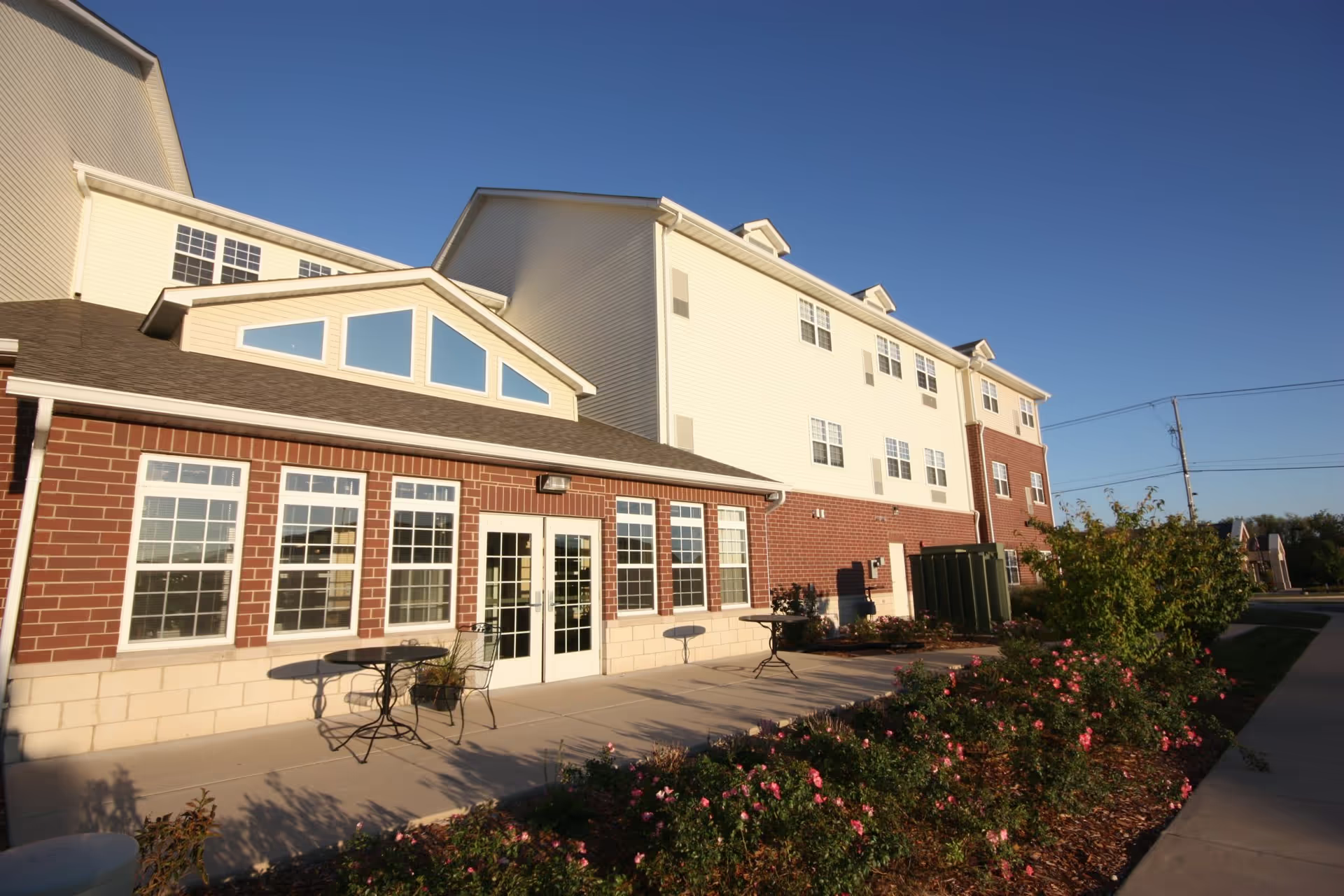
Dining, activities, and facilities: Dining is generally described positively—cafeteria-style service with daily menu options and attentive waitstaff, plus a pleasant dining room atmosphere. The facilities are reported clean and well kept, and housekeeping and laundry teams are characterized as dedicated. Activities programming is described as engaging and conducive to socialization, and spiritual offerings (including mass) are noted as supportive for residents and families.
Notable patterns and recommendations for prospective families: The dominant pattern is one of solid clinical and hospitality services punctuated by occasional operational lapses. When evaluating the facility in person, prospective residents and families may wish to ask about current staffing levels and turnover, fall-prevention and transfer protocols, typical response times for urgent calls, family-notification procedures, and how the facility monitors bedside conduct and communication consistency. Confirming the scope and scheduling of rehabilitation services, wound-care oversight, and the role of the hospital affiliation may help align expectations with an individual resident’s needs.