Overall impression: Reviews describe a facility with notable clinical strengths and active social programming, but with variability in operational consistency. Many accounts highlight skilled, compassionate nursing and caregiving, effective wound care, and a strong physical/occupational therapy team that supports mobility and discharge back to the community. Social services and individual staff members are frequently praised for responsiveness, discharge planning, and practical assistance that helps residents settle and retrieve belongings.
Care and staff: Clinical care quality appears to be a relative strength; multiple descriptions emphasize attentive nurses and CNAs, helpful therapists, and effective wound-management practices. At the same time, reviewers point to inconsistent communication and responsiveness across shifts or units. Specific operational concerns include delays or inconsistencies in medication administration and documentation, and occasions where staff conduct was perceived as dismissive. These patterns suggest variability in staff performance and oversight rather than uniformly consistent practice.
Dining and nutrition: Meal service shows mixed performance. When meals are served as intended, reviewers described them as cooked and palatable, and certain items (biscuits, cheeseburgers) received positive mention. However, there are recurring observations of incomplete trays, missing items (including beverage options), delayed or inconsistent meal delivery, and occasional poor temperature/portioning. These inconsistencies contribute to perceptions of diminished value given the facility's cost.
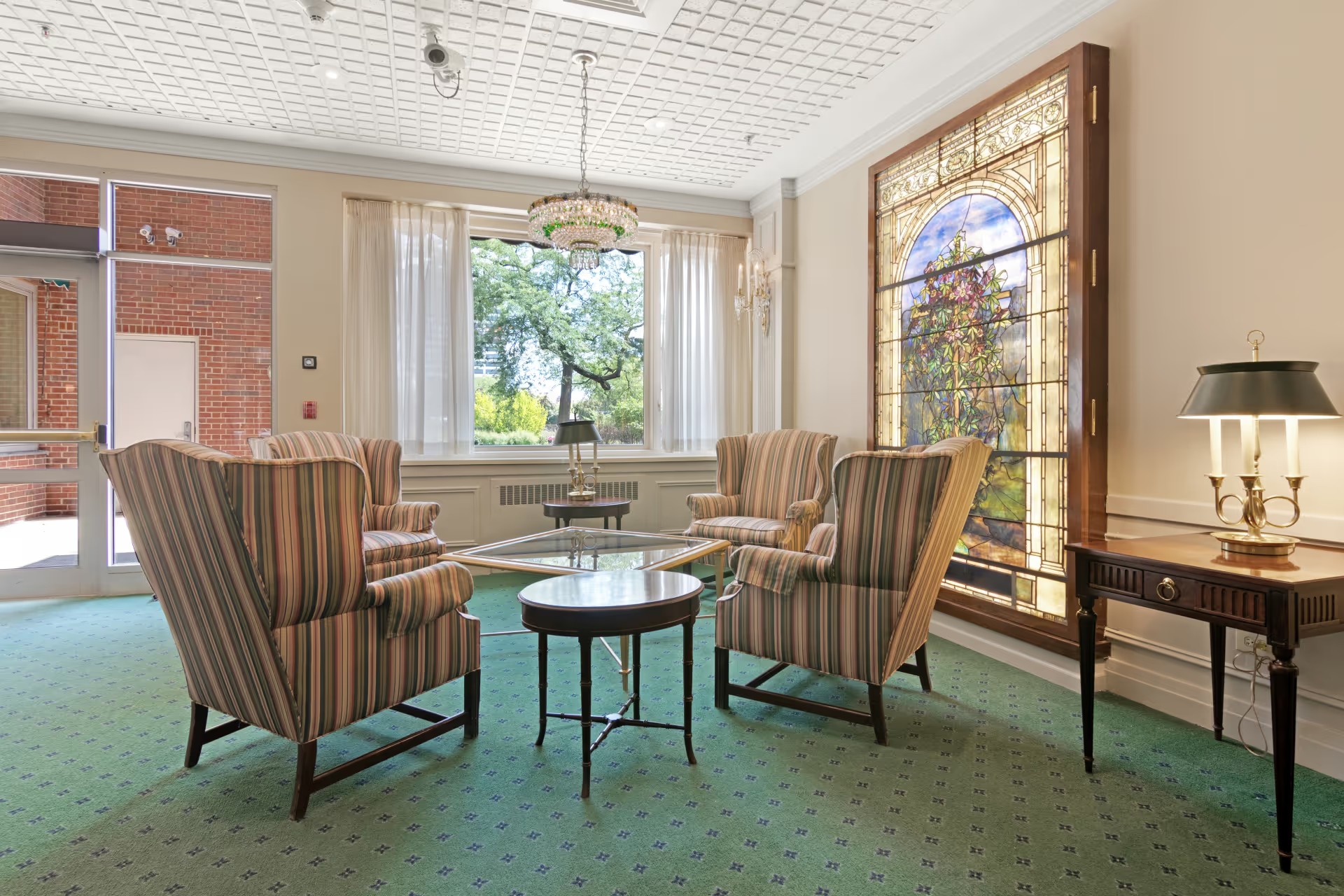
Facilities and maintenance: Several reviews commend cleanliness, pleasant public areas, and well-maintained spaces such as a patio, activities room, and televisions in rooms. Contrasting accounts raise concerns about sanitation and pest control in particular resident areas, worn or dirty furniture, broken elevators, and inconsistent tagging or servicing of equipment. A notable infrastructure-related event described a prolonged water outage with detection of Legionella in the water system; water use was restricted and bathing was limited during that event, and at least one resident transfer occurred. Such incidents point to gaps in water-safety and broader facility-maintenance response protocols.
Activities and amenities: The facility offers active programming and multiple communal spaces (library, computer room, activities room, patio) that residents and families found engaging. Therapy spaces were described as updated, and activity staffs received positive remarks for creating a social atmosphere and helping residents connect with peers.
Management and patterns: Management responsiveness appears mixed: some families report prompt, empathetic follow-up from named staff, while others describe unhelpful interactions or slow remediation of issues. Financial concerns were consistent enough to note: the monthly cost is perceived as high by some families relative to the frequency of service lapses. Overall, the pattern is one of strong clinical and rehabilitative capacity combined with operational inconsistencies in housekeeping, meal delivery, infrastructure maintenance, and medication oversight.
Implications for prospective families: The facility demonstrates clear strengths in nursing, therapy, and social supports, but variability in day-to-day operations creates uneven resident experiences. Prospective residents and families should prioritize clarifying current practices around medication administration and audits, meal schedules and contingency plans, pest-control records, water-safety/infrastructure protocols, accessibility features in specific rooms or bathrooms, and how management handles and documents corrective actions when issues arise.