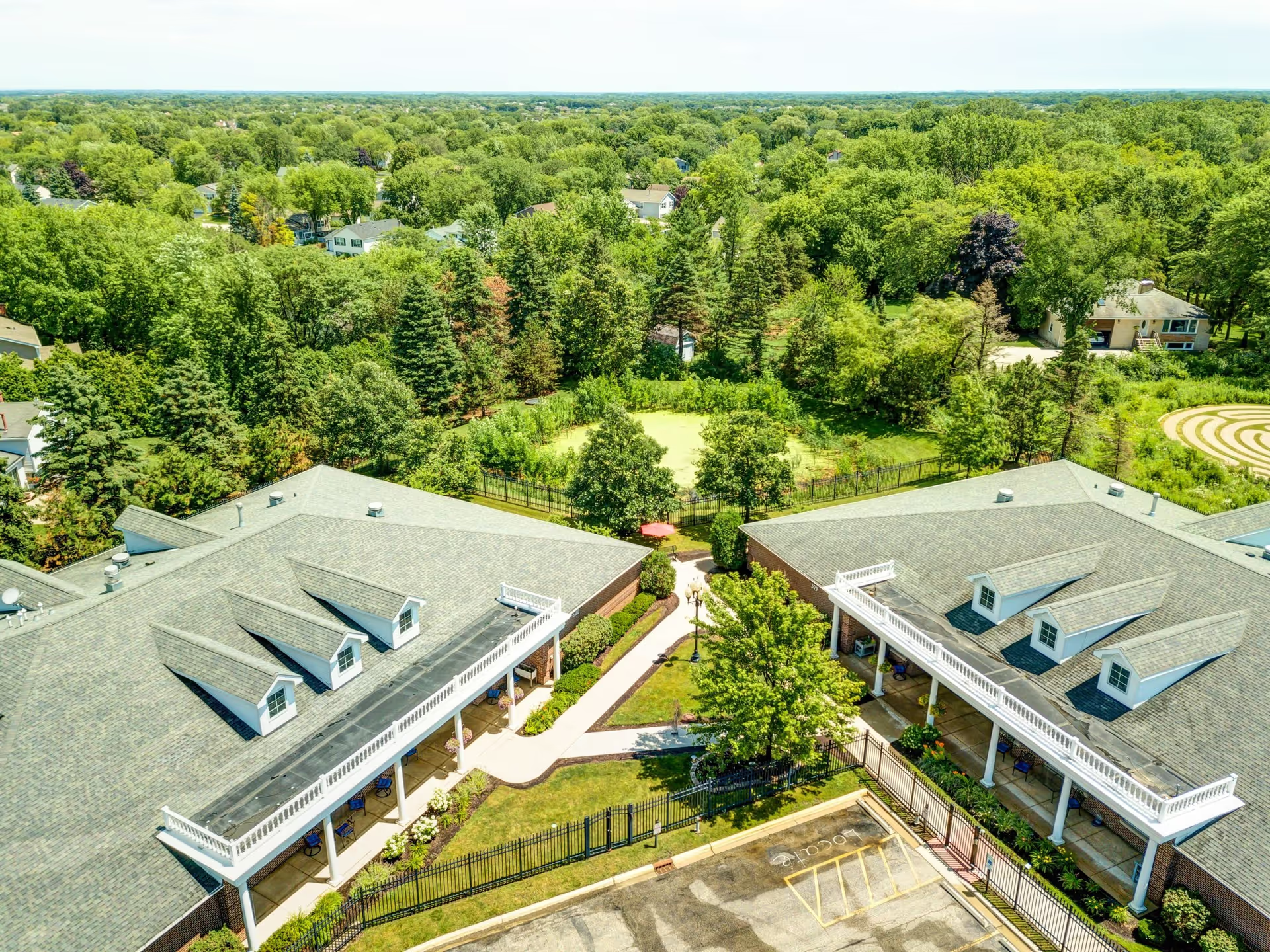
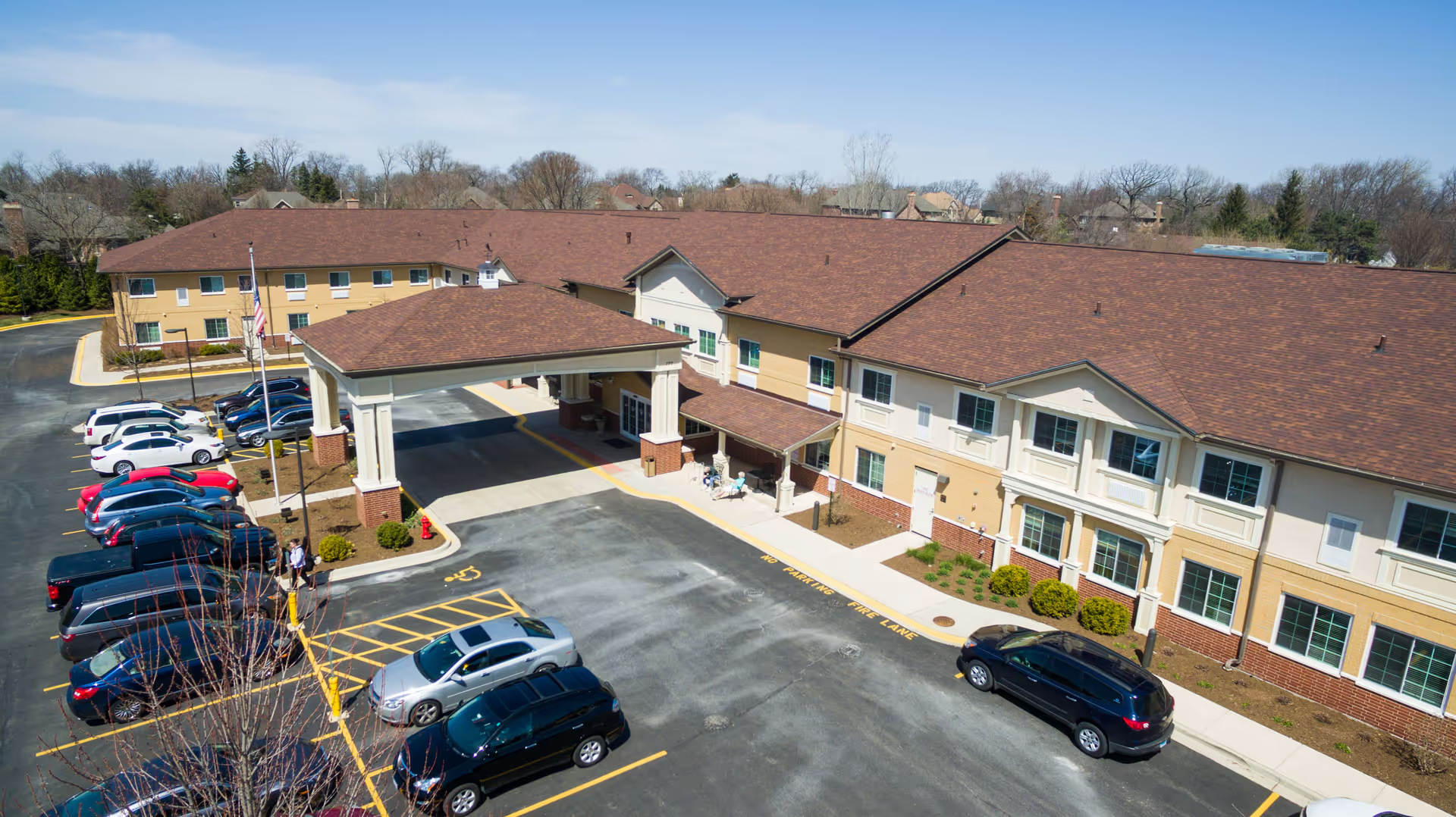
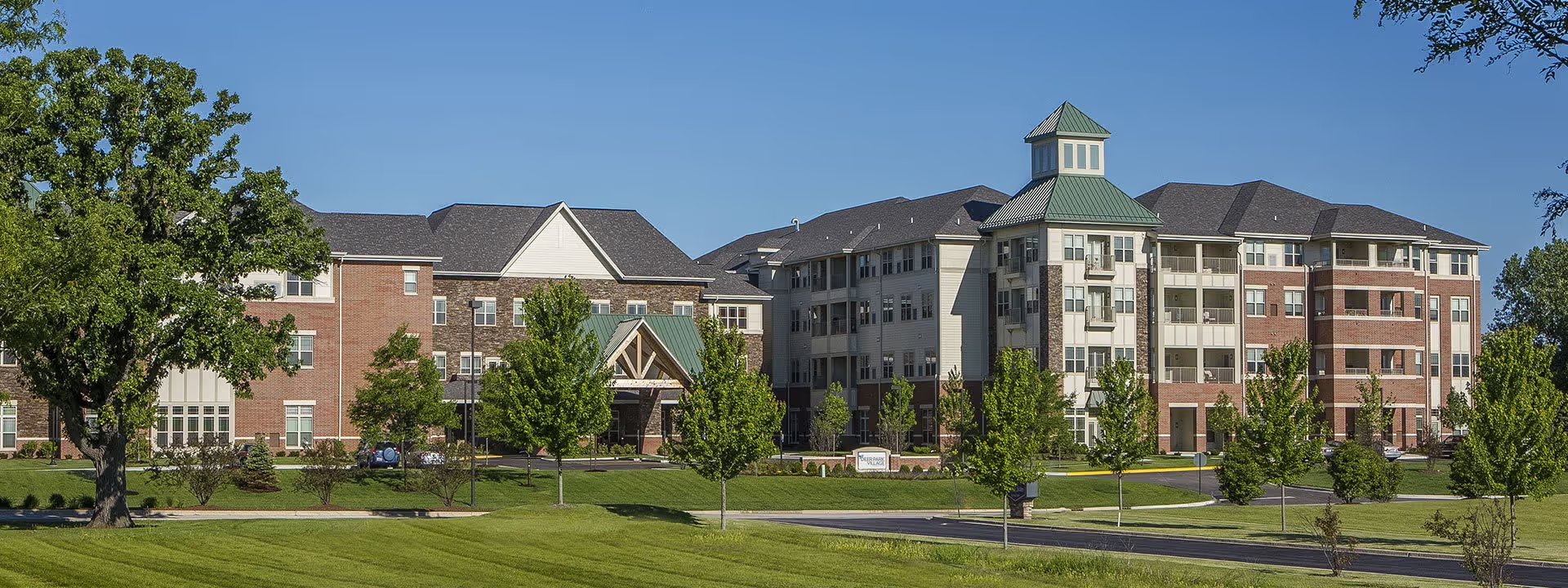
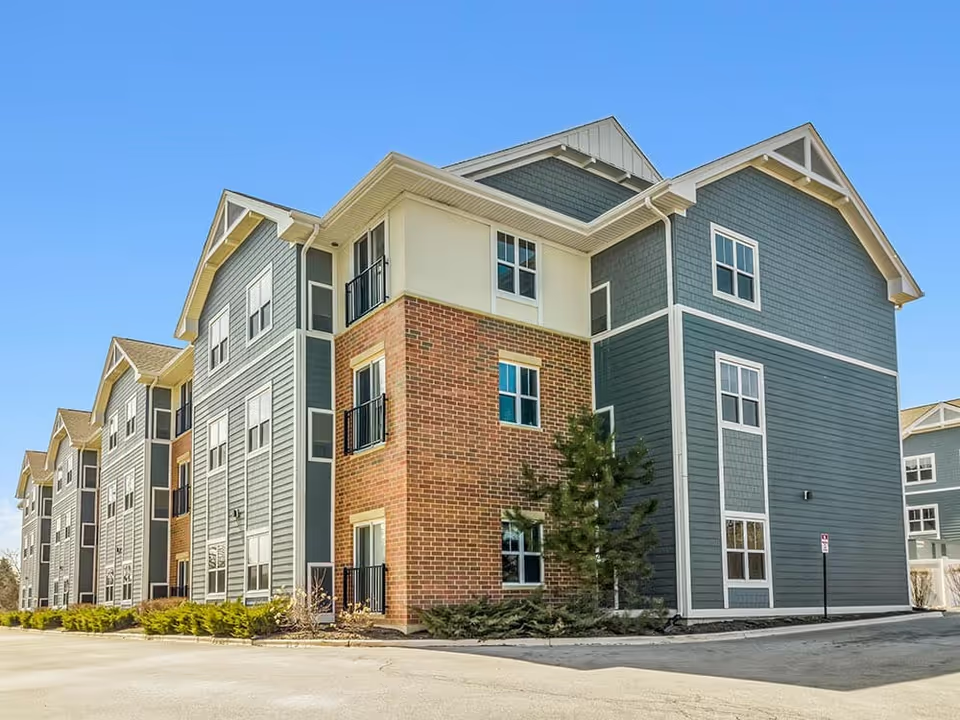
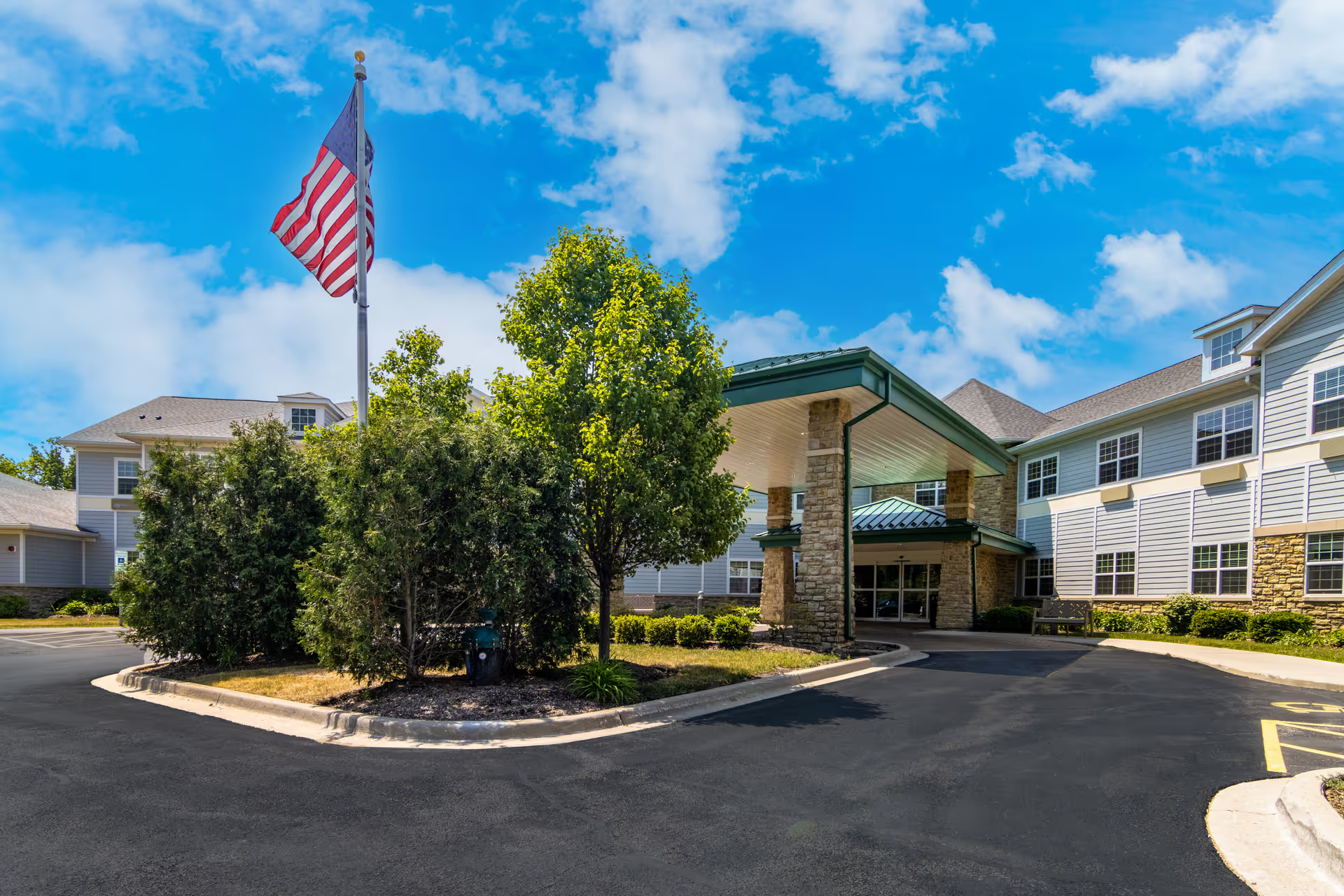
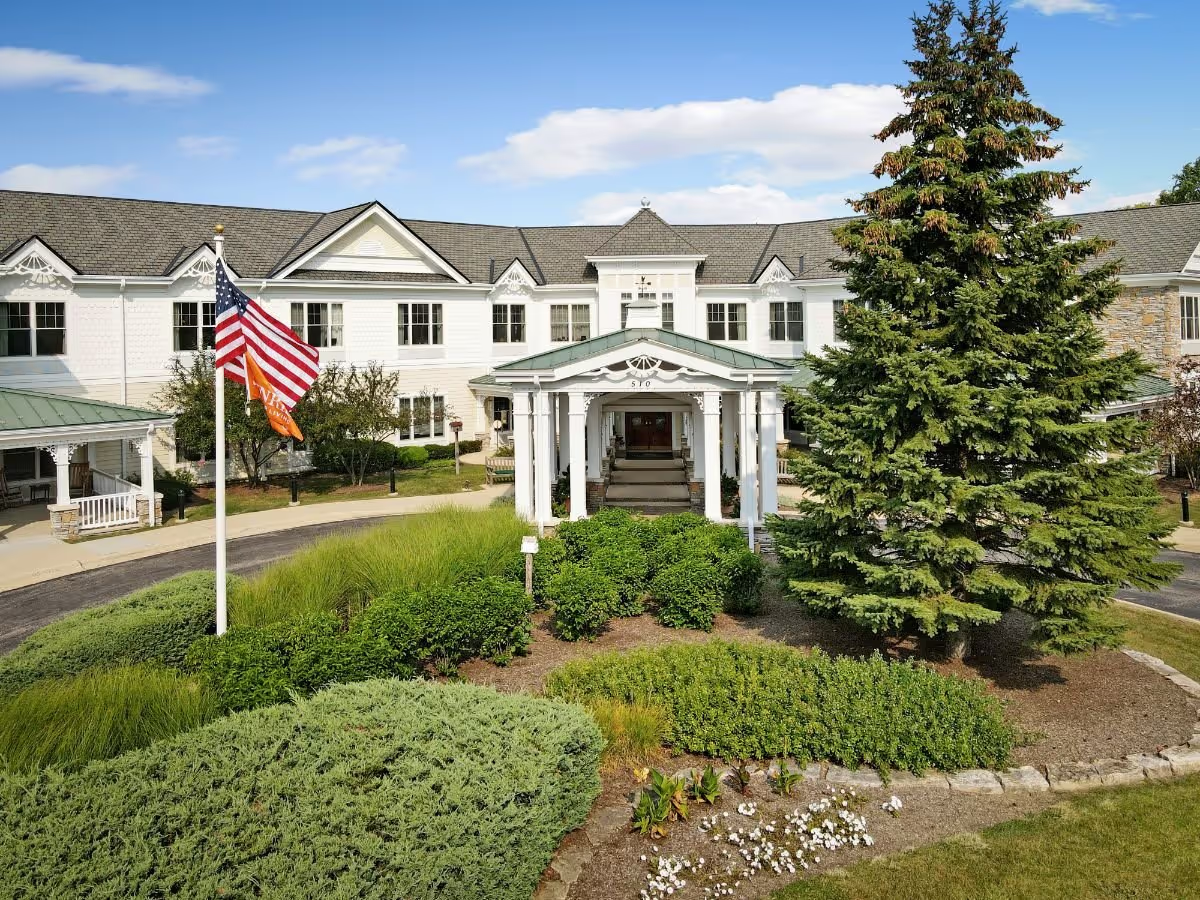
Lexington of Lake Zurich elicits a mixed but informative set of impressions: many families praise the facility’s physical environment, rehabilitation services, and direct-care aides, while others describe operational and clinical variability that mattered for their individual experience. The facility is frequently described as clean, bright, and well maintained, with attractive landscaping, private rooms and patios, and a community atmosphere that some residents and families found welcoming. Rehabilitation services (PT/OT) and the ability to administer IV/antibiotic therapy on site are recurring strengths; several accounts link those services to measurable recovery and improved functional outcomes.
Care and staffing present a bifurcated picture. Numerous reviewers commend nursing assistants and certain nurses for compassion, responsiveness, and consistent assignment patterns that helped residents feel secure. At the same time, there are credible patterns indicating inconsistent nursing quality, understaffing—particularly overnight—and handoff/shift-to-shift communication gaps. Those operational weaknesses are associated with concerns about transfer safety, delays in attending to resident needs, and questions about medication documentation and access. An isolated but serious allegation about medication handling was also described; families should verify medication protocols and record access during any evaluation.
Dining and programming show similar variability. Activity programming is often highlighted as plentiful, varied, and encouraging of participation, contributing positively to social engagement and quality of life for many residents. Dining impressions range from adequate to very good, with some reviewers praising the food and choices while others described limited quality or continuity of meal service. Administrative processes such as billing and refunds are occasionally described as slow, which is an operational detail to confirm with the business office.
Facility size and management factors are additional considerations. The building’s scale allows for broad services—including specialty visits like neurology and robust therapy facilities—but also creates wayfinding challenges and potential for crowding in smaller rooms or when double-occupancy is used. Admissions experiences are mixed: some families found the admissions team helpful and informative, while others experienced communication weaknesses during placement and intake. Physician presence on the floor is perceived as limited by some families, so confirm physician coverage and rounding routines when assessing clinical oversight.
For prospective residents and families: Lexington offers clear strengths in environment, rehabilitation capability, and many dedicated caregiving staff, but it also demonstrates variability in nursing consistency, night staffing, medication recordkeeping, and administrative responsiveness. A focused in-person tour and direct questions about staffing ratios (day and night), transfer and medication protocols, room configuration and occupancy, physician coverage, and billing/refund procedures will help align expectations and identify whether the facility’s strengths match the prospective resident’s care priorities.