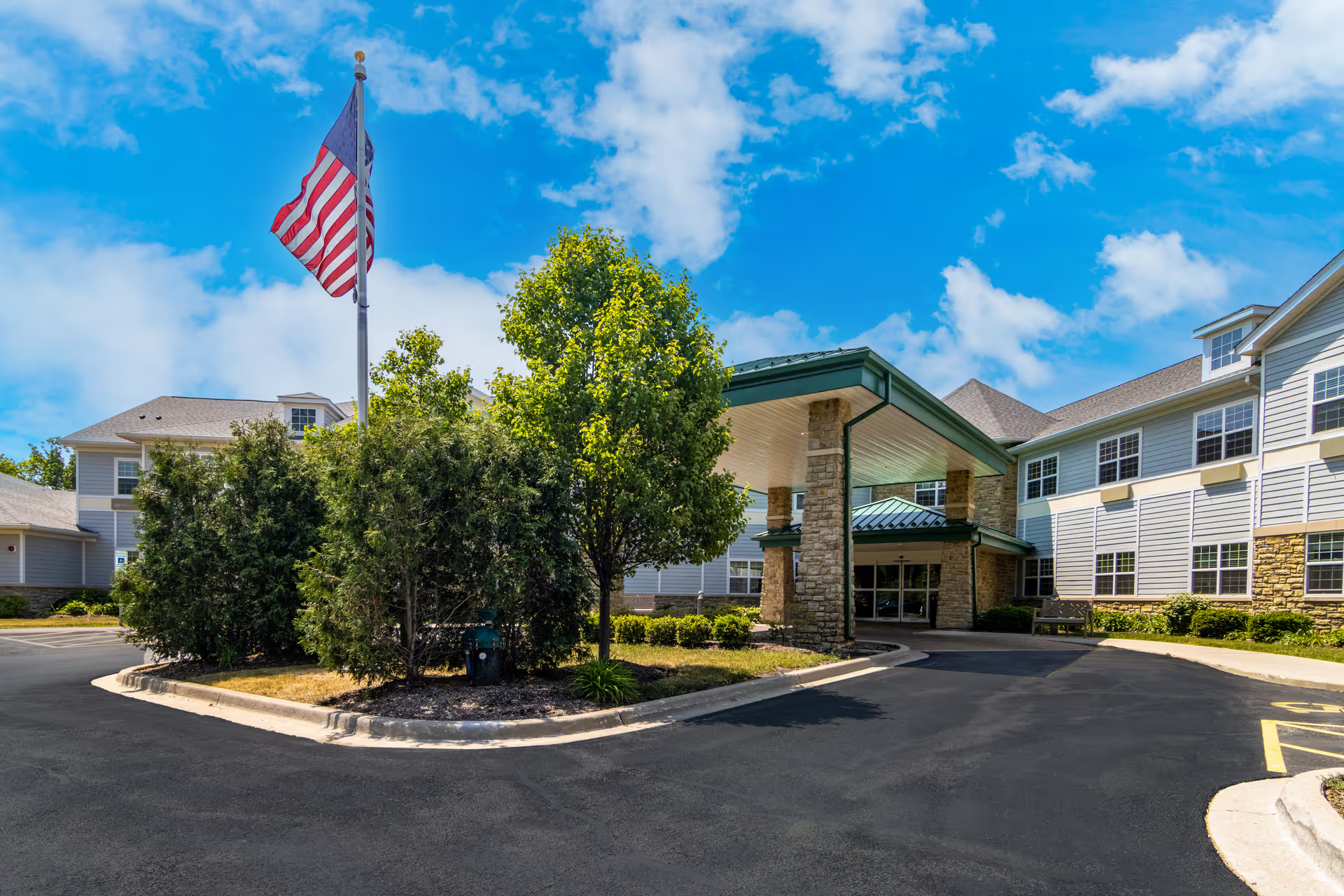
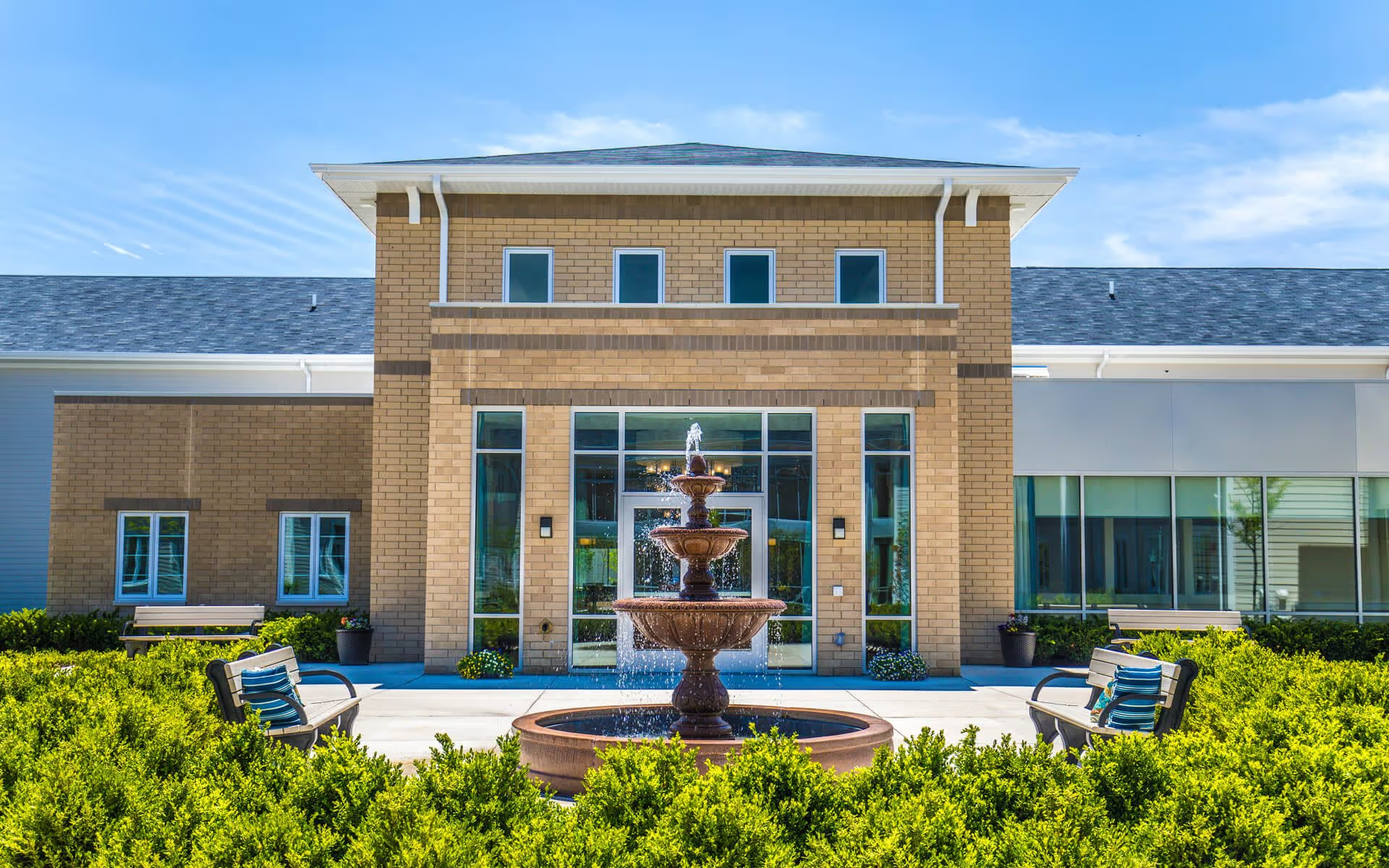
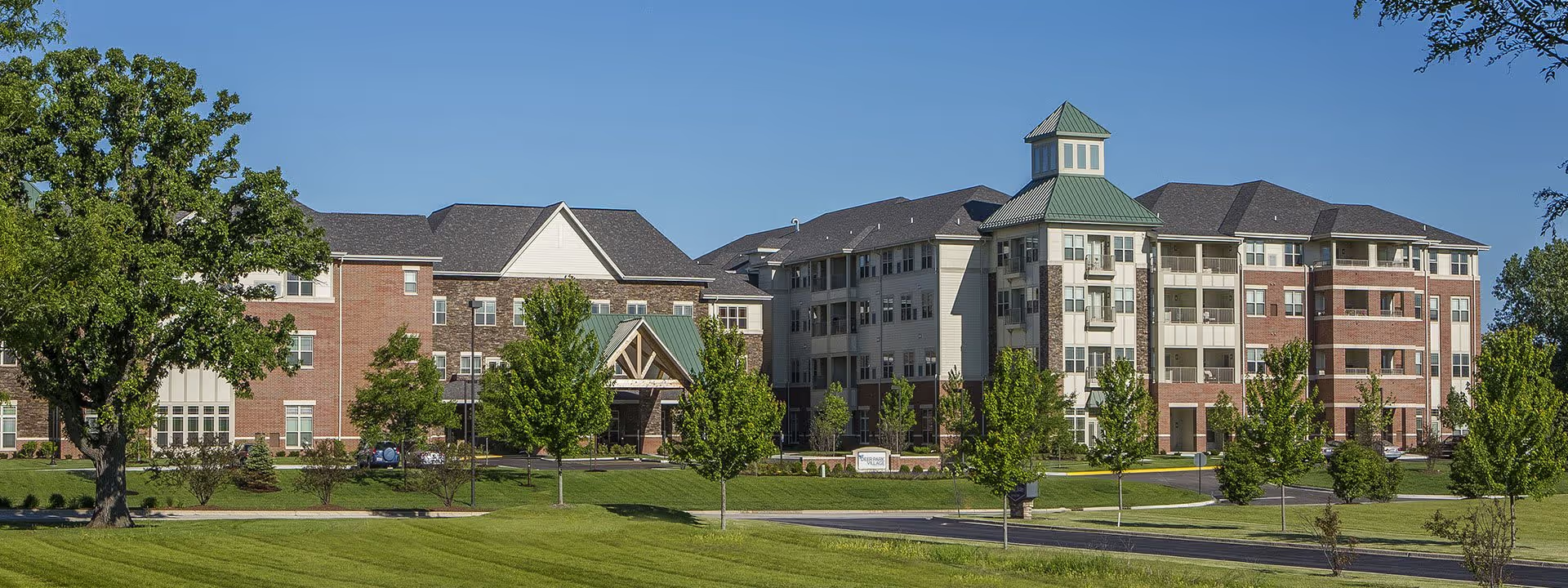
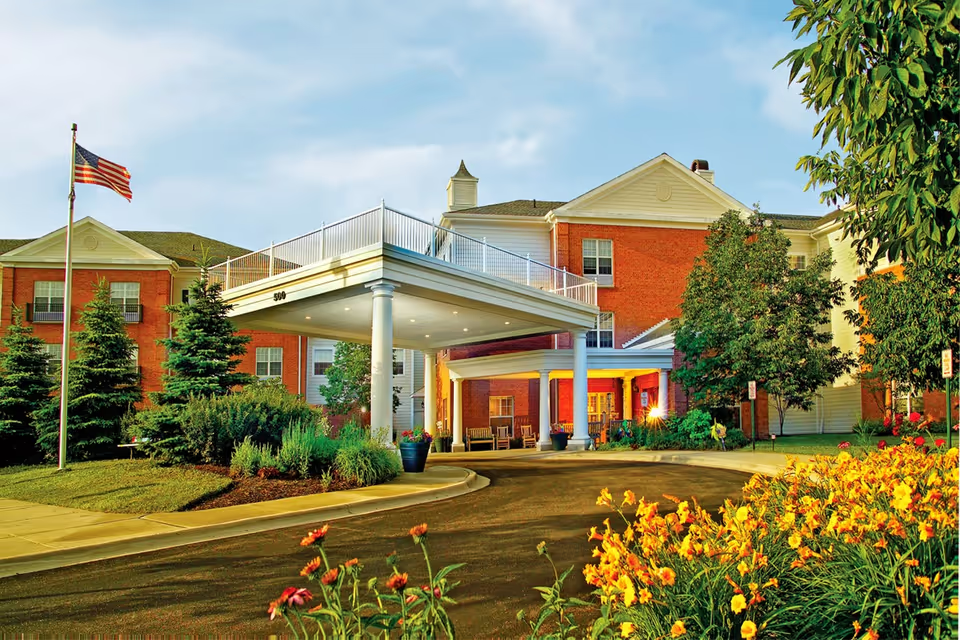
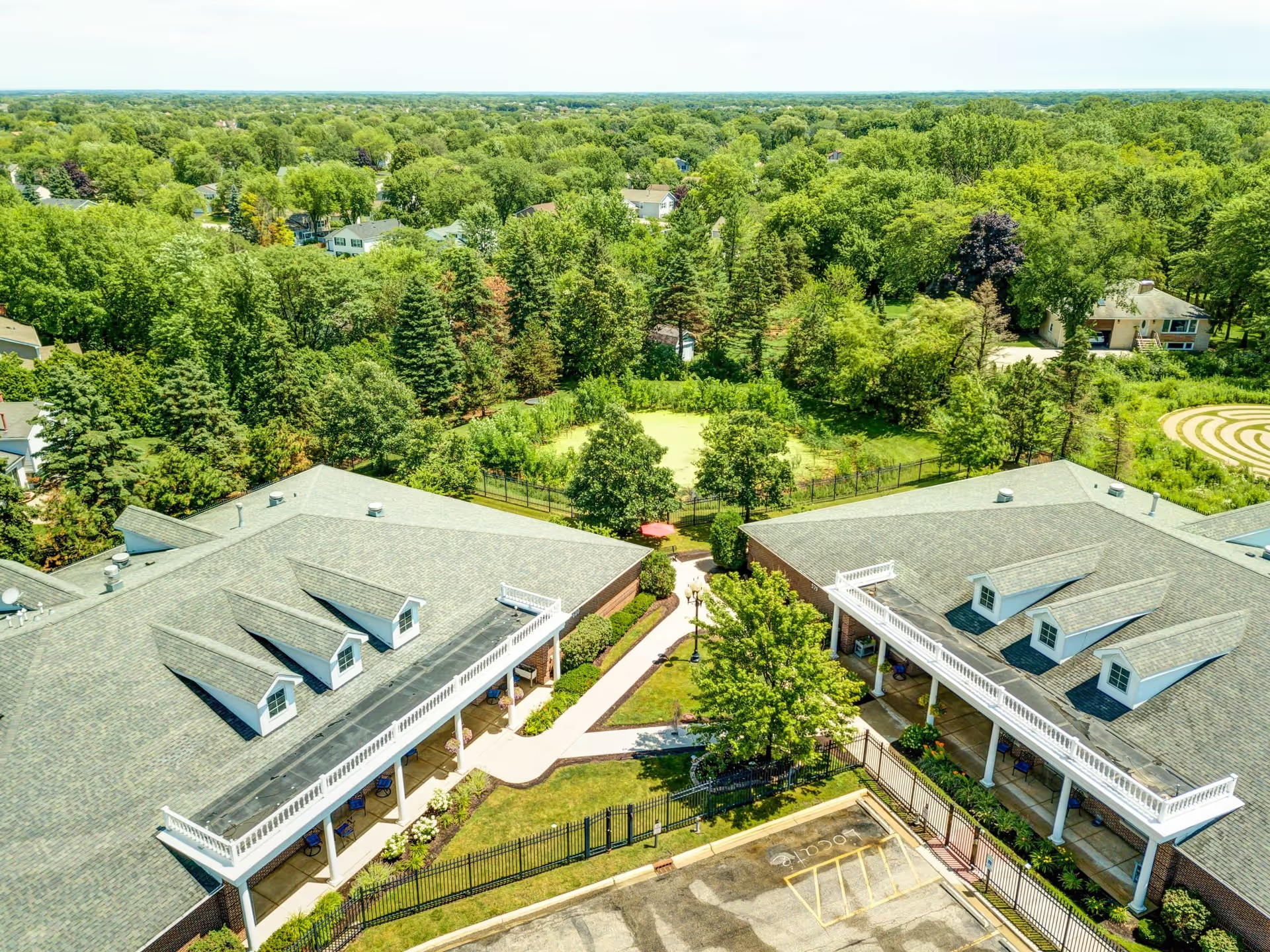
The reviews describe a facility with widely divergent experiences: several families and patients praise the clinical rehabilitation services, certain nurses and CNAs, and the activities program, while other accounts raise operational and clinical concerns that appear to vary by unit and shift. Strengths commonly cited include effective physical and occupational therapy, an active calendar of social and recreational activities, and visible outdoor spaces that are suitable for relaxation. Multiple reviewers also described helpful social-services staff and instances of good discharge coordination and hospice collaboration.
Care quality is mixed. Many reviewers reported compassionate, attentive nursing and CNA care, timely medication administration, and successful short-term rehab outcomes. Conversely, a number of reviews describe delays in responding to call lights, inconsistent personal care (including bathing and incontinence-care delays), and lapses in clinical monitoring such as wound care and post-fall assessment. Several accounts raised concerns about medication timing errors and transfer/fall-safety practices; these suggest areas where clinical protocols and monitoring may be unevenly applied.
Staffing and staff conduct are notable sources of variation. Positive comments single out individual staff by name and praise professionalism and responsiveness. At the same time, other reviews describe problematic tone, derogatory remarks, and limited English proficiency among some licensed staff, which affected communication and resident experience. The pattern indicates variability in staff training, staffing levels, and supervisory oversight across shifts.
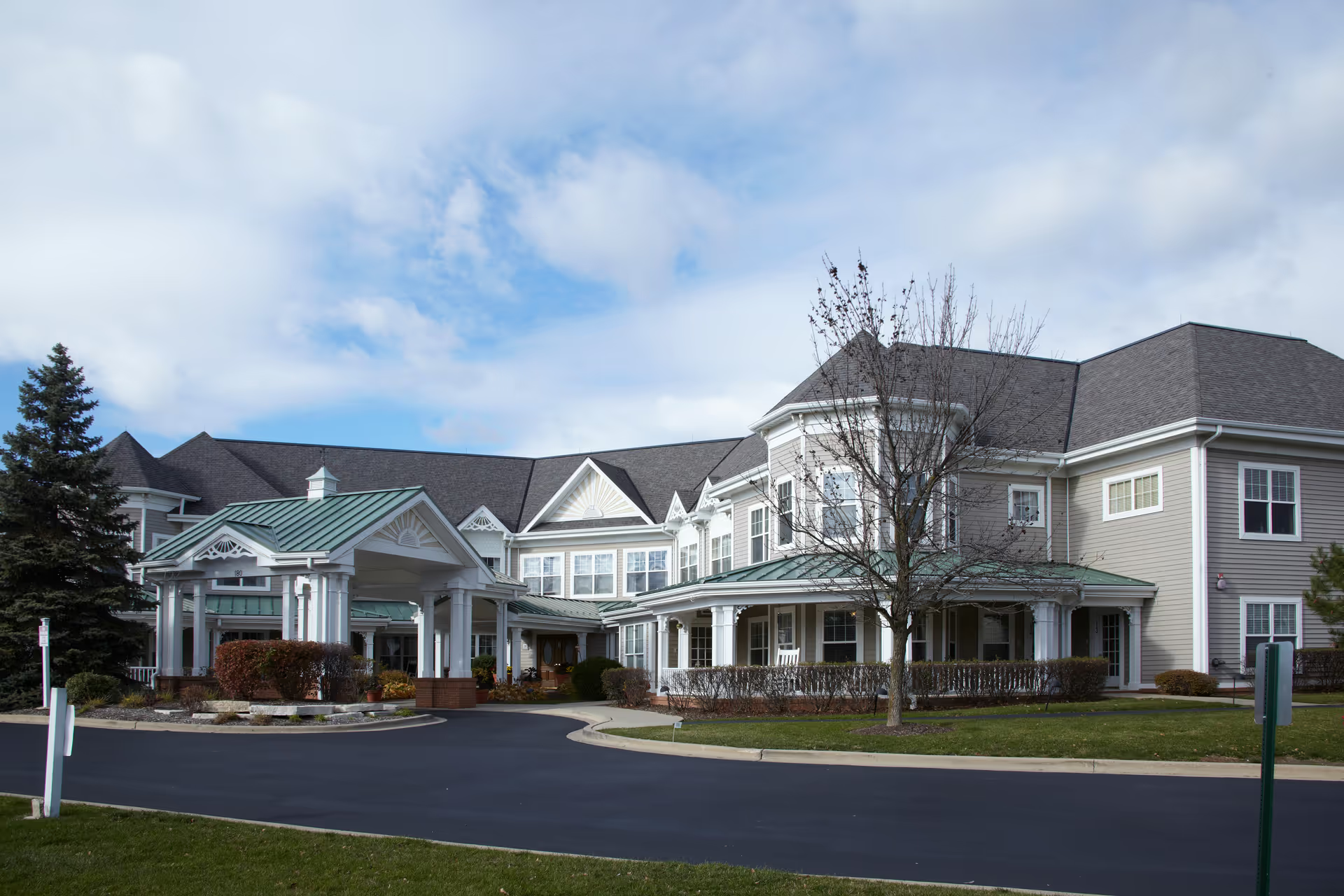
Dining and amenities show inconsistency. Some residents found the food adequate and appreciated meal accommodations, while others reported congealed meals, kitchen closures, and a decline in meal quality on certain days. Amenity access also differs by room and unit: some residents have private rooms with TVs and phones, whereas others reported shared rooms, overcrowding, or lack of in-room telephones and televisions. The building is frequently described as older and in need of remodeling, but common areas are often kept clean and orderly.
Management and communication present mixed impressions. Positive experiences mention clear communication, supportive leadership, and effective coordination. However, several reviewers described unresponsiveness from administrative staff, delays or failures to communicate about appointments and prognosis, and dissatisfaction with how end-of-life or bereavement communication was handled. There are also serious individual claims about missing personal items and medication/device mismanagement; these have been characterized by reviewers as allegations of theft and clinical errors and warrant careful investigation by prospective families.
Overall pattern: the facility can deliver strong rehabilitation and compassionate care in many cases, but reviewers describe significant variability in operational consistency — particularly regarding responsiveness, personal-care routines, transfer safety, meal service continuity, and unit-level staff behavior. Prospective residents and families should weigh the facility's therapy strengths and outdoor/common-area amenities against the reported variability in day-to-day care and administrative responsiveness. When considering admission, families may wish to ask about unit staffing levels, fall-prevention protocols, communication practices, property-security controls, and specific amenity availability for the intended unit or room.