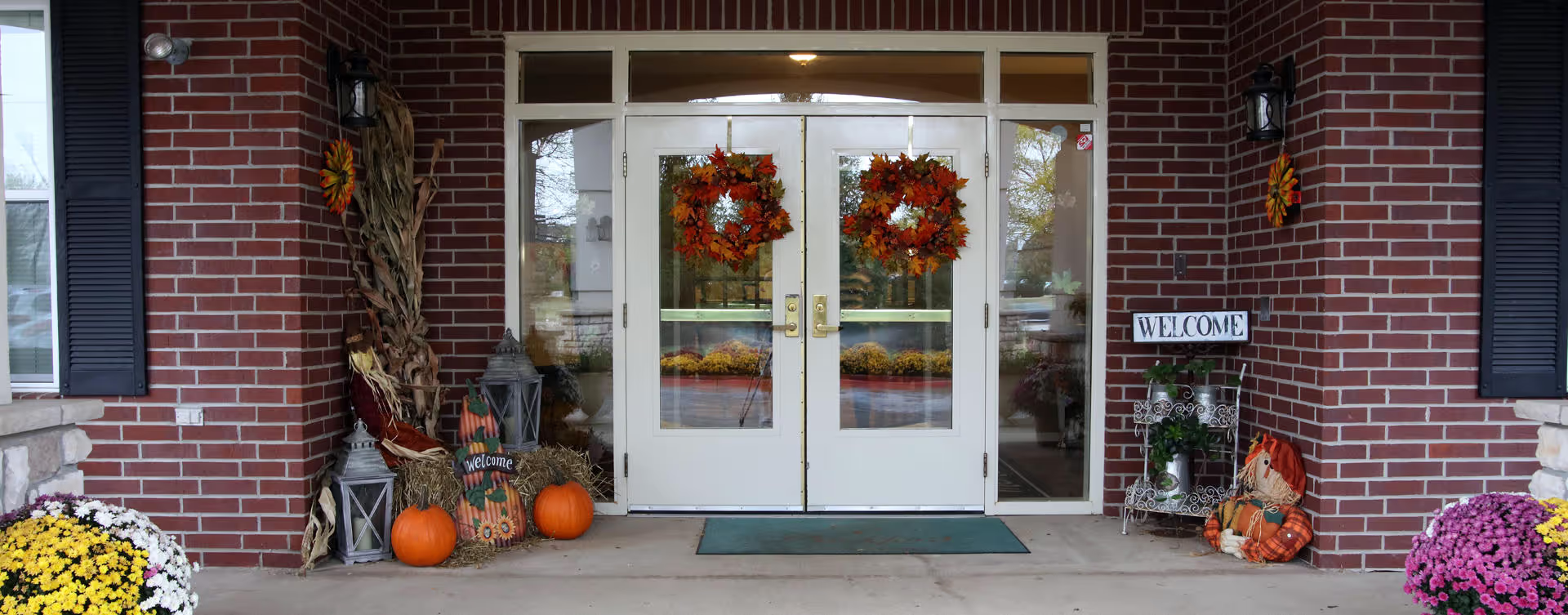
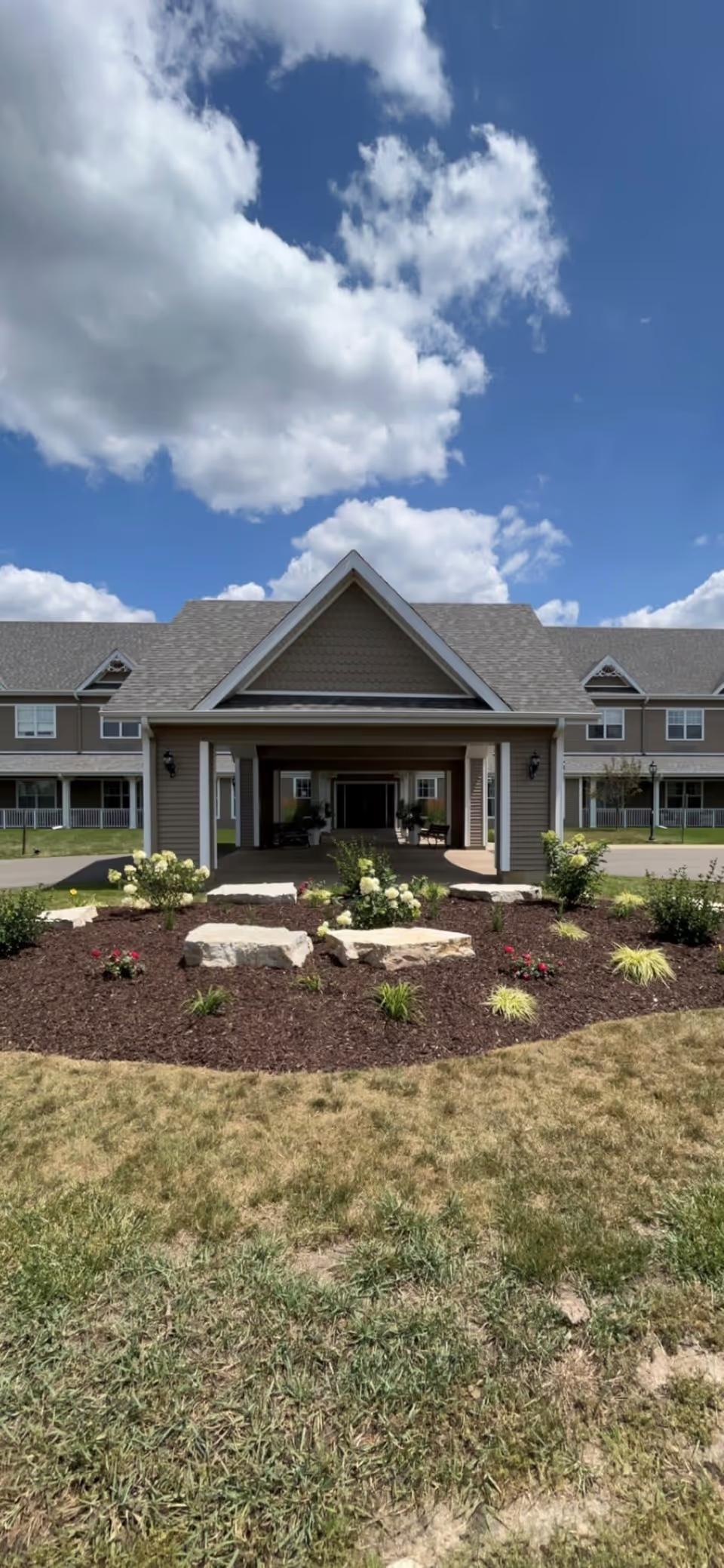
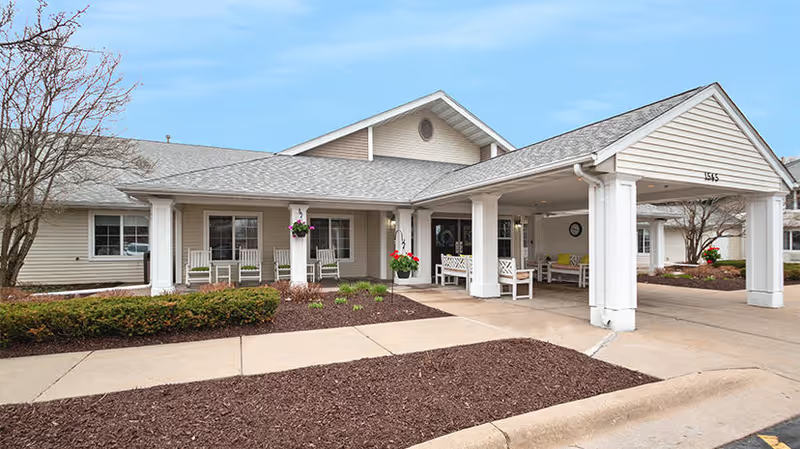
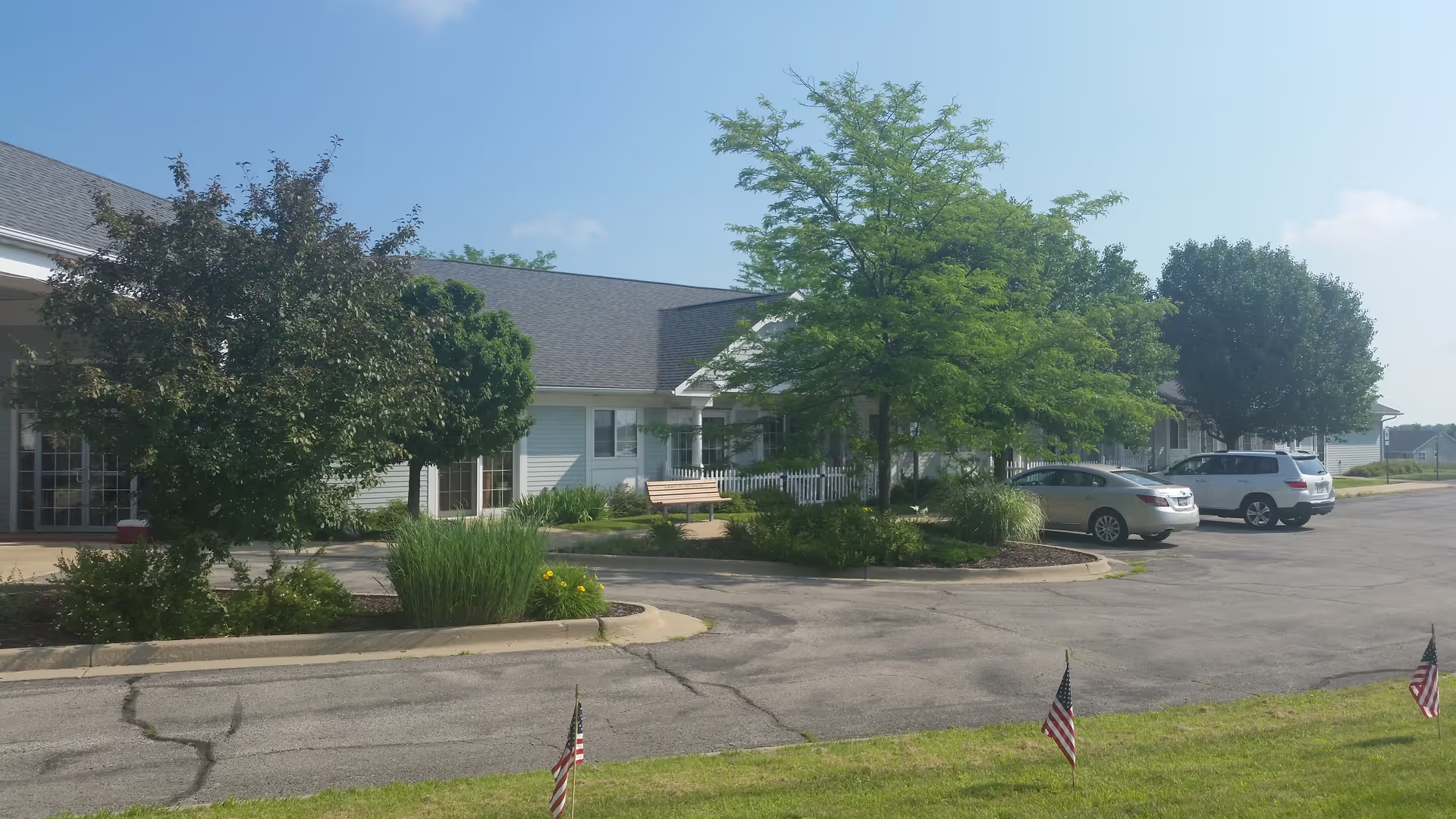
The reviews present a mixed but consistent picture: East Bank Center receives frequent praise for its therapy programs, dining, and many frontline caregivers, while also exhibiting operational weaknesses that families should evaluate before placement. Numerous families and former patients emphasized strong physical and occupational therapy, individualized nutrition planning, and a generally warm, family-like atmosphere. Housekeeping and communal cleanliness are often described positively, and activities and social programming are noted as contributing to patient well-being. Several reviewers highlighted specific clinicians and nurse practitioners who provided clear communication and compassionate oversight.
Clinical care quality appears variable across shifts and staffing configurations. Positive accounts describe timely medication administration, effective pain control, attentive CNAs and nurses, and successful rehabilitation trajectories leading to discharge home. Conversely, other accounts raise serious concerns about medication errors, interruptions in medication supply, delays in addressing assistance requests, and lapses in clinical monitoring such as wound and incontinence-care follow-up. A small number of reviews referenced hospitalization and infection-related complications; these were framed by families as concerns about clinical escalation and post-incident follow-up rather than a uniform institutional pattern.
Staffing and staff conduct are recurring themes. Many reviewers praised long-tenured, compassionate staff and skilled therapists; at the same time, variability is reported where agency or temporary personnel are used and where some staff conduct and responsiveness were perceived as unprofessional or inattentive. This contributes to uneven experiences depending on unit, shift, and individual caregiver. Communication pathways between staff and families are sometimes described as strong (including proactive administrators and nurse practitioners), yet other families experienced delayed updates, incomplete charting, and inconsistent transfer of diagnostic information to physicians.
Dining, housekeeping, and activities are generally strengths. The facility’s kitchen receives repeated positive comments for quality, variety, and the ability to accommodate special diets. Housekeeping and common-area cleanliness receive favorable mentions, though some reviews flagged localized sanitation and ventilation or heating issues. Recreational offerings, social activities, and amenities such as movie nights and pet-friendliness were highlighted as meaningful contributors to patient morale.
Administrative operations show mixed performance. Admissions and some aspects of discharge coordination were praised for being smooth and supportive, yet billing, insurance pre-authorization, and claims adjudication emerged as a common administrative pain point for families. Reviewers described delays or denials in insurance processing and occasional surprise billing concerns, indicating the need for prospective families to verify coverage and authorization procedures in advance.
Notable patterns for prospective residents and families: evaluate medication-administration and pharmacy-supply practices during intake, clarify staffing patterns and the use of agency personnel, confirm communication expectations and family update protocols, and review discharge and transfer-safety procedures. Also verify insurance pre-authorization and billing practices before admission. Overall, East Bank Center offers strong rehabilitative services, quality dining, and many dedicated caregivers, but families should be prepared to ask targeted operational questions to mitigate the variability reflected in these reviews.