Overall impression: Reviews convey a mixed but instructive picture. Staff at Shelbyville Manor are frequently described as compassionate and attentive, particularly nursing personnel and CNAs, and the presence of on-site hospice expertise is highlighted as a strength for residents needing end-of-life support. At the same time, reviewers raise consistent operational concerns that appear to affect how care is delivered and how families are kept informed.
Care quality: Strengths include empathetic hands-on care and individualized attention from bedside staff. The facility's hospice capacity is noted as a clinical asset for residents with palliative needs. However, the summaries also point to gaps in clinical oversight and care-process consistency; these concerns suggest variability in clinical practice and occasional shortfalls in follow-through on medical tasks or coordination of care plans. Prospective families should confirm clinical oversight structures, medication-management protocols, and how care plans are reviewed and updated.
Staff and management: Frontline staff receive strong positive mentions for compassion and engagement, but organizational and staffing issues are a recurring theme. Descriptors such as disorganized or minimally staffed indicate inconsistent coverage and weak operational coordination. In addition, failures to follow up on phone commitments point to administrative-process weaknesses and unreliable family communication. These patterns suggest that management-level improvements in staffing allocation, shift coverage, and communication workflows could significantly affect resident experience.
Activities and dining: Activity programming is consistently described as engaging, which is a clear positive for resident quality of life. There is little specific information about dining quality or menus in the available summaries; because that area is not well-documented here, families should request sample menus, observe mealtime service, and ask about special-diet accommodations during a visit.
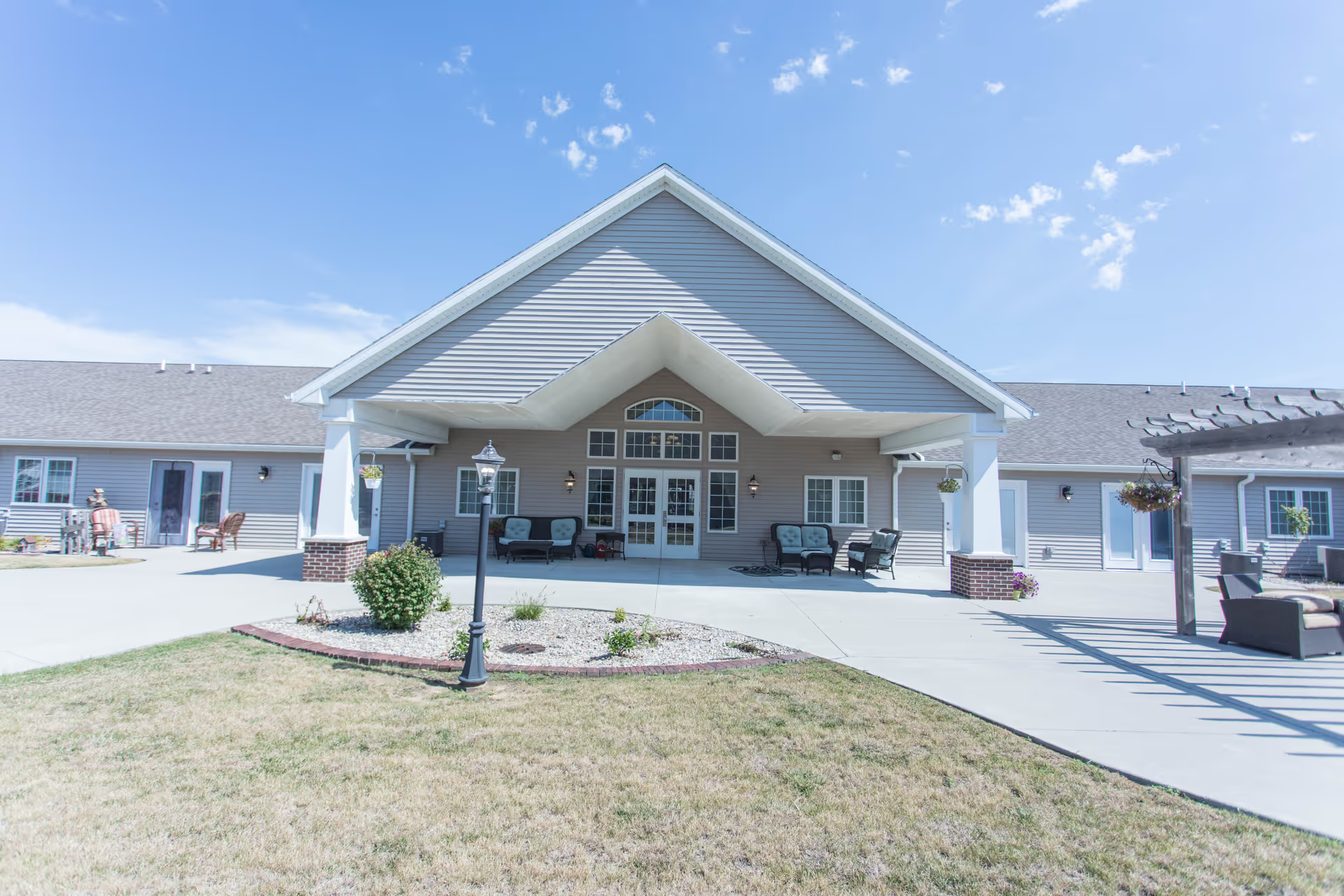
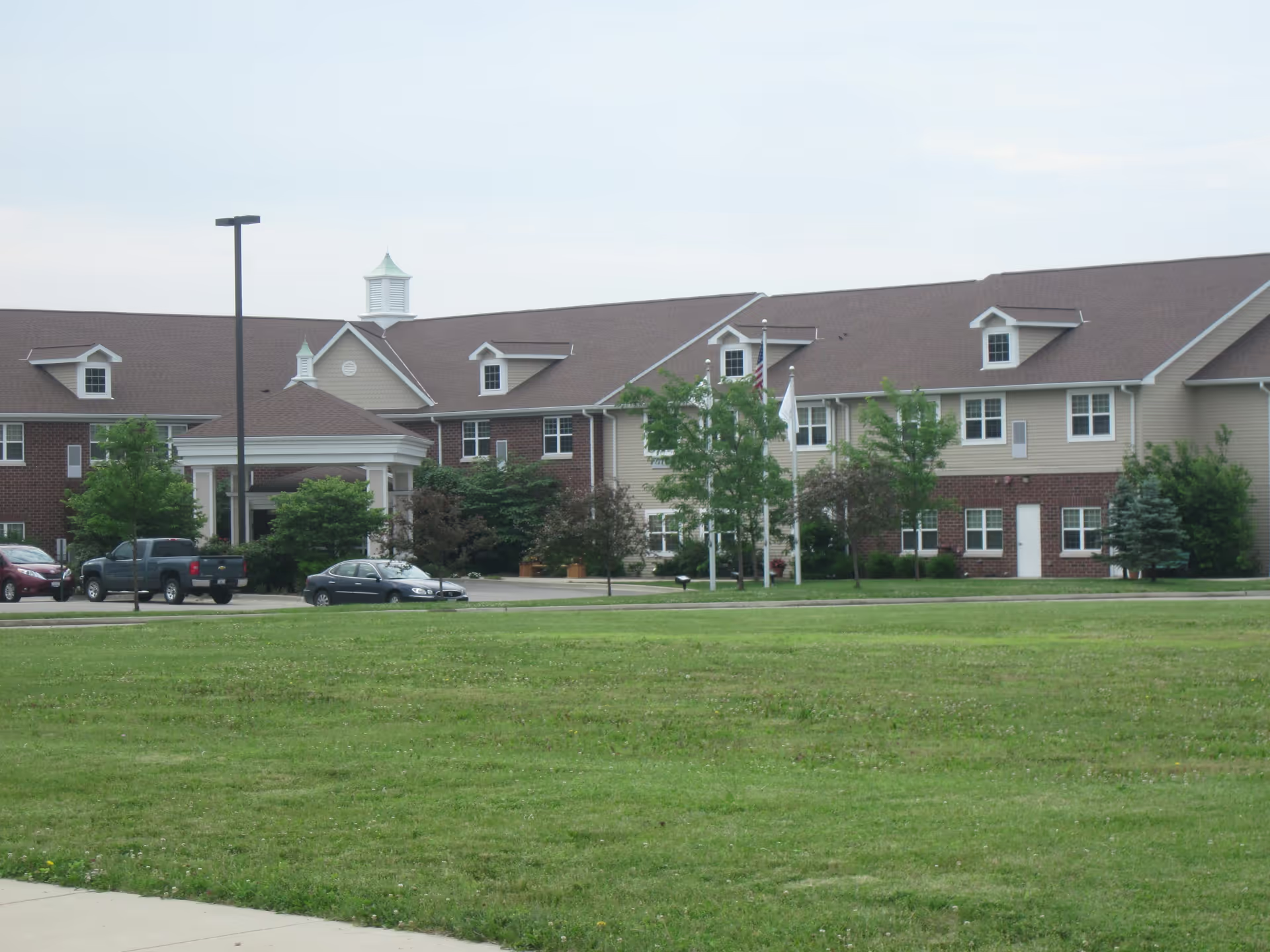
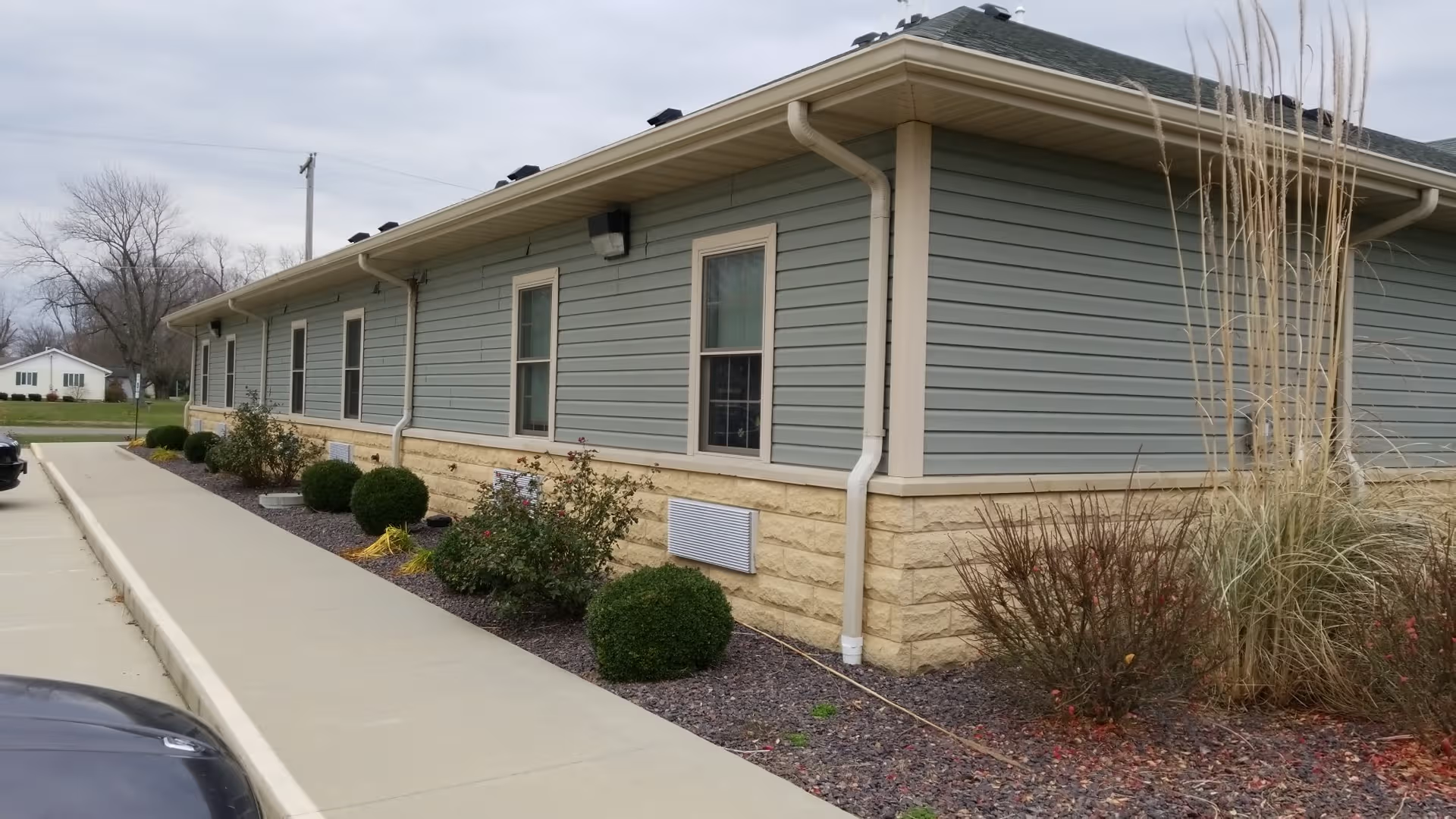
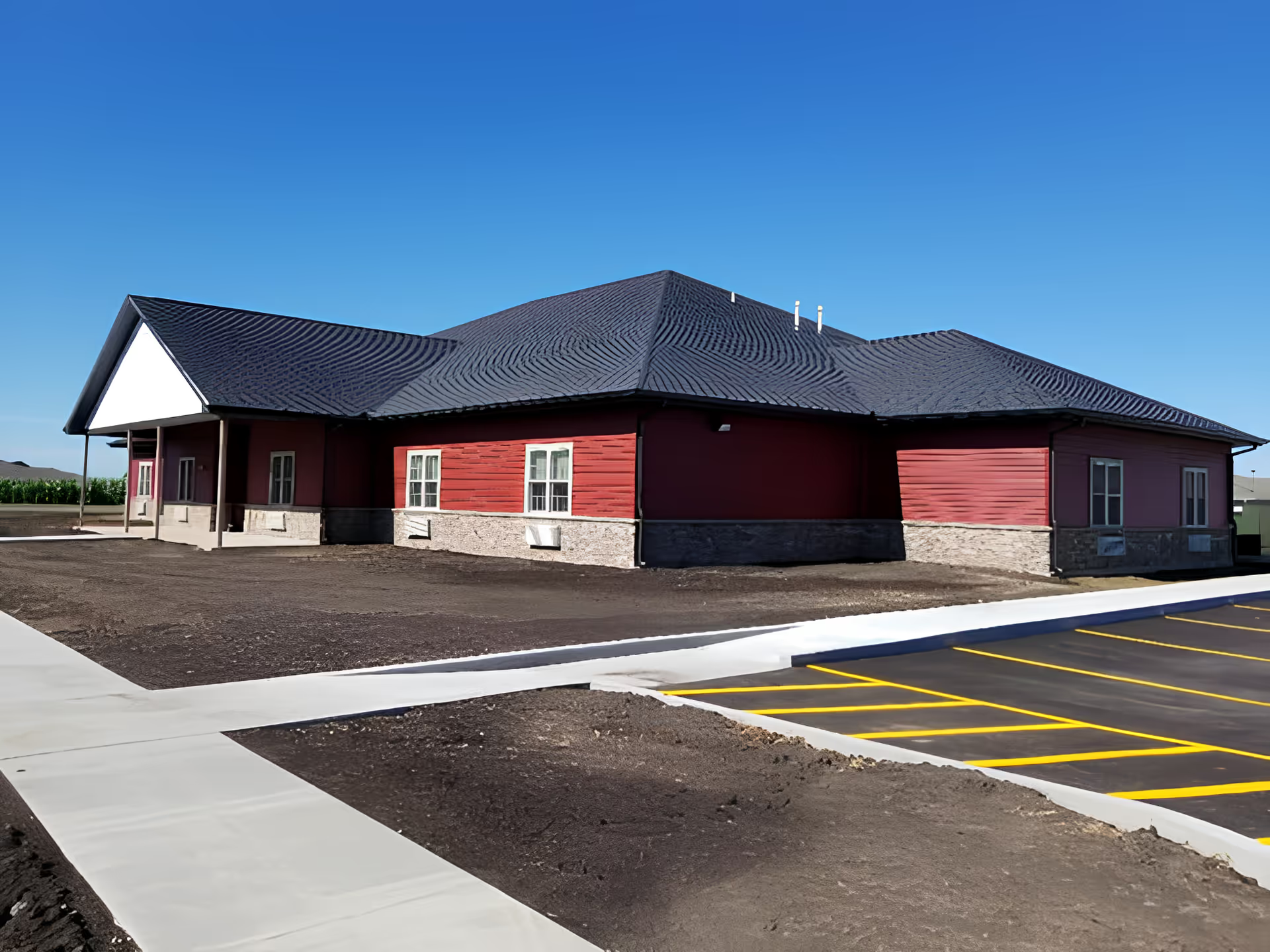
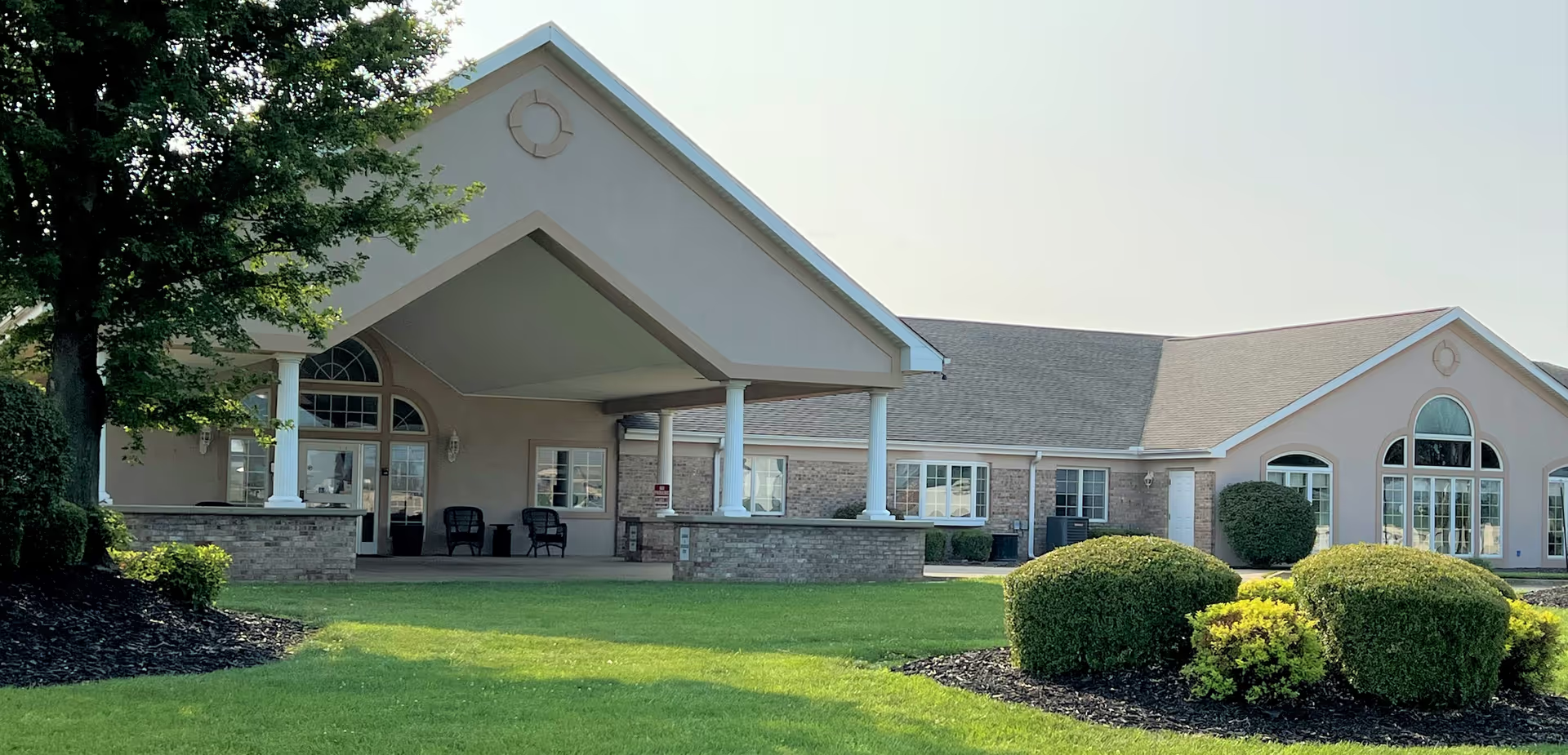
Facilities and environment: The summaries provide limited detail about the physical plant and general maintenance. Given the absence of substantive commentary, an in-person tour focusing on cleanliness, room layout, common spaces, and infection-control measures is recommended to assess the environment directly.
Notable patterns and recommendations: The dominant pattern is a strong caregiving culture at the frontline level coupled with operational inconsistencies that can affect clinical reliability and family communication. When evaluating Shelbyville Manor, consider verifying staffing ratios and typical coverage, asking how clinical oversight is performed (including hospice integration), and testing administrative responsiveness (for example, follow-up on questions you leave by phone). Observing activities and speaking with current families can help confirm the positive reports about engagement and bedside care while clarifying the extent of the organizational concerns.