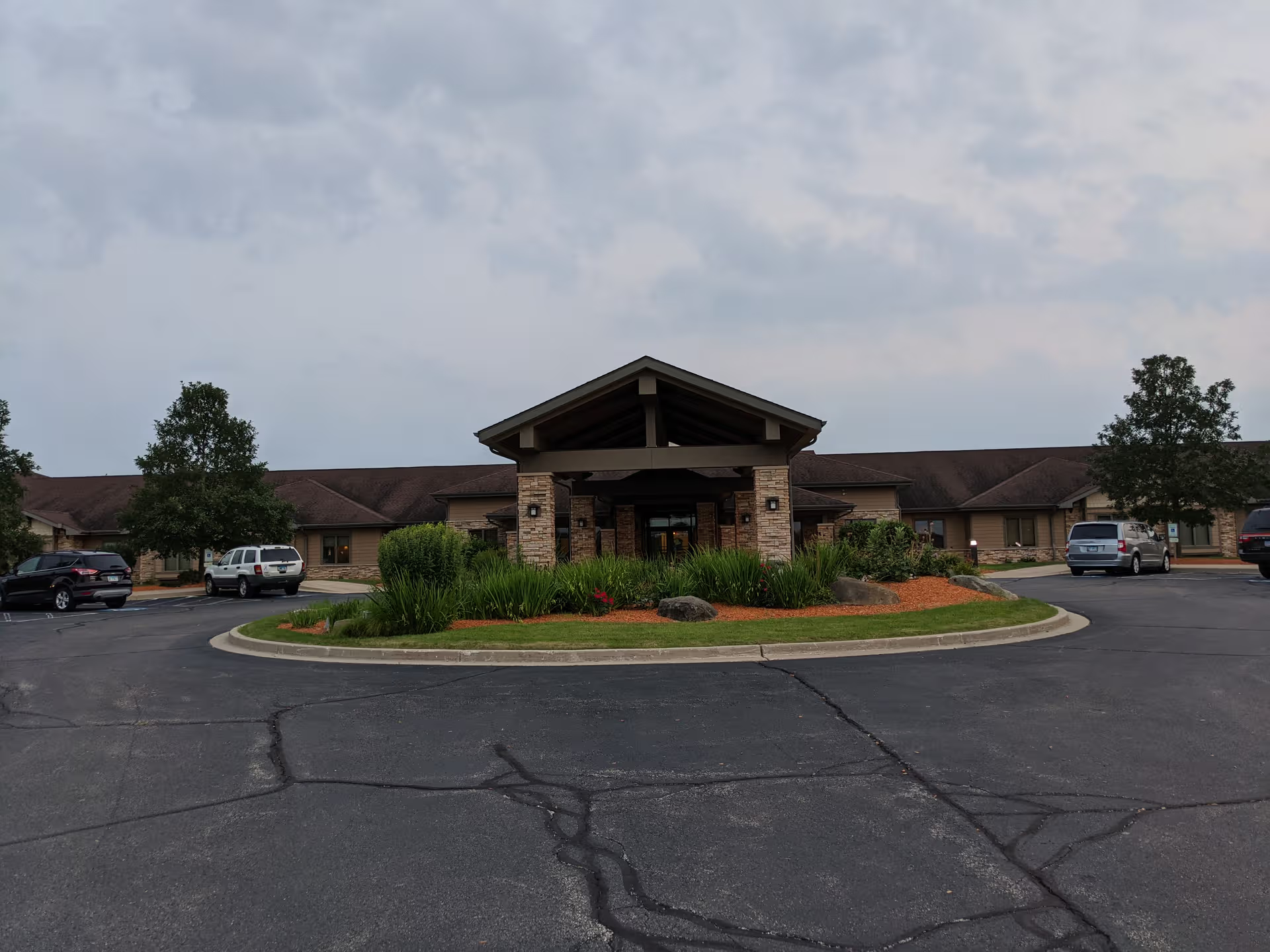
Fair Oaks Rehabilitation & Health Care Center elicits strongly polarized impressions. Many accounts emphasize a high level of human-centered care: staff are regularly described as compassionate, welcoming, and communicative; admissions and billing personnel are frequently praised as knowledgeable and helpful; and family communication and visitor accommodation are commonly noted as strengths. The facility's therapy resources — including a large on-site physical therapy department and staff who provide device instruction — are repeatedly cited as a core asset that supports recovery and independence.
Clinical quality descriptions are mixed. Numerous reviewers describe individualized, goal-focused care plans and effective rehabilitation programming that led to measurable progress. Conversely, there are also significant clinical-process concerns: descriptions of missed medications, delayed recognition of acute conditions requiring hospital transfer, and gaps in clinical follow-up point to inconsistent medication-administration and escalation processes. These clinical-process weaknesses appear episodic but consequential, and they represent an important area for operational attention.
Staff performance is a clear strength in many accounts but shows variability. Many families report attentive, compassionate, and professional caregivers who go above and beyond, while other accounts describe delayed responses or inconsistent attention to personal-care tasks. This pattern suggests variability in staffing consistency or coverage across shifts rather than uniform staff performance.
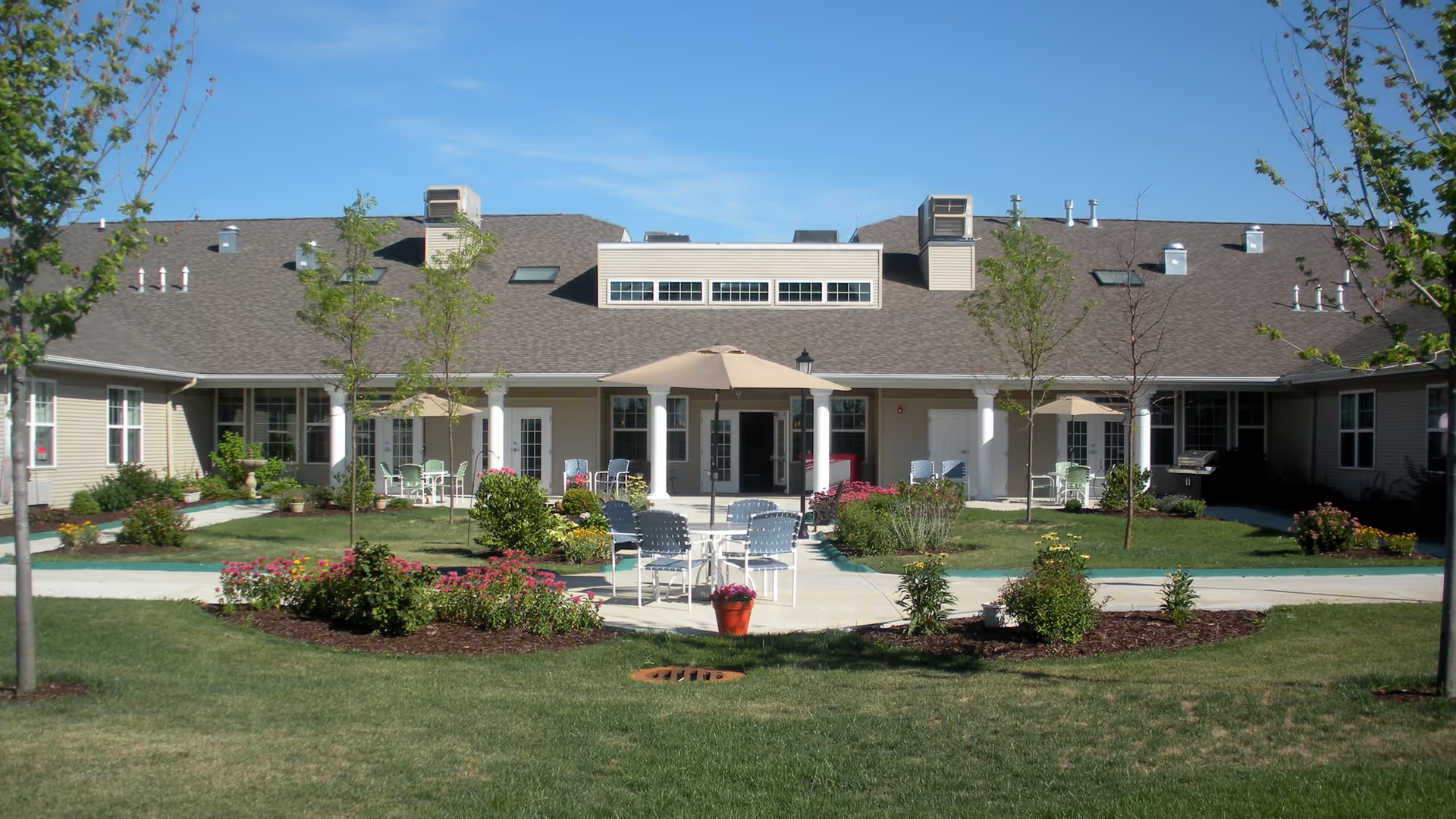
Dining and activity programming show similar divergence. Several reviewers praise engaging, holistic activities (including attractive common spaces and courtyard access) and a supportive, community-oriented atmosphere. At the same time, there are reports of meals that did not meet expectations and cases where prescribed diets were not consistently followed. Activity offerings and social programming are generally seen as positive contributors to resident well-being, whereas meal-service reliability appears uneven.
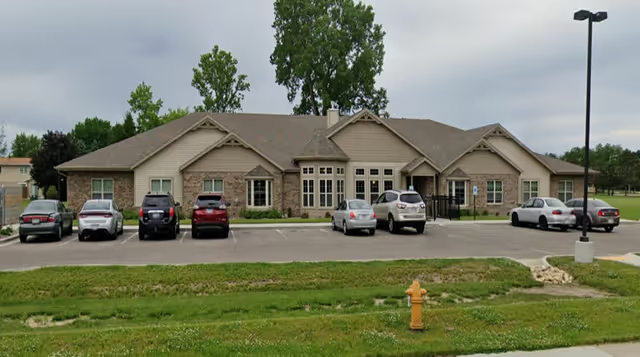
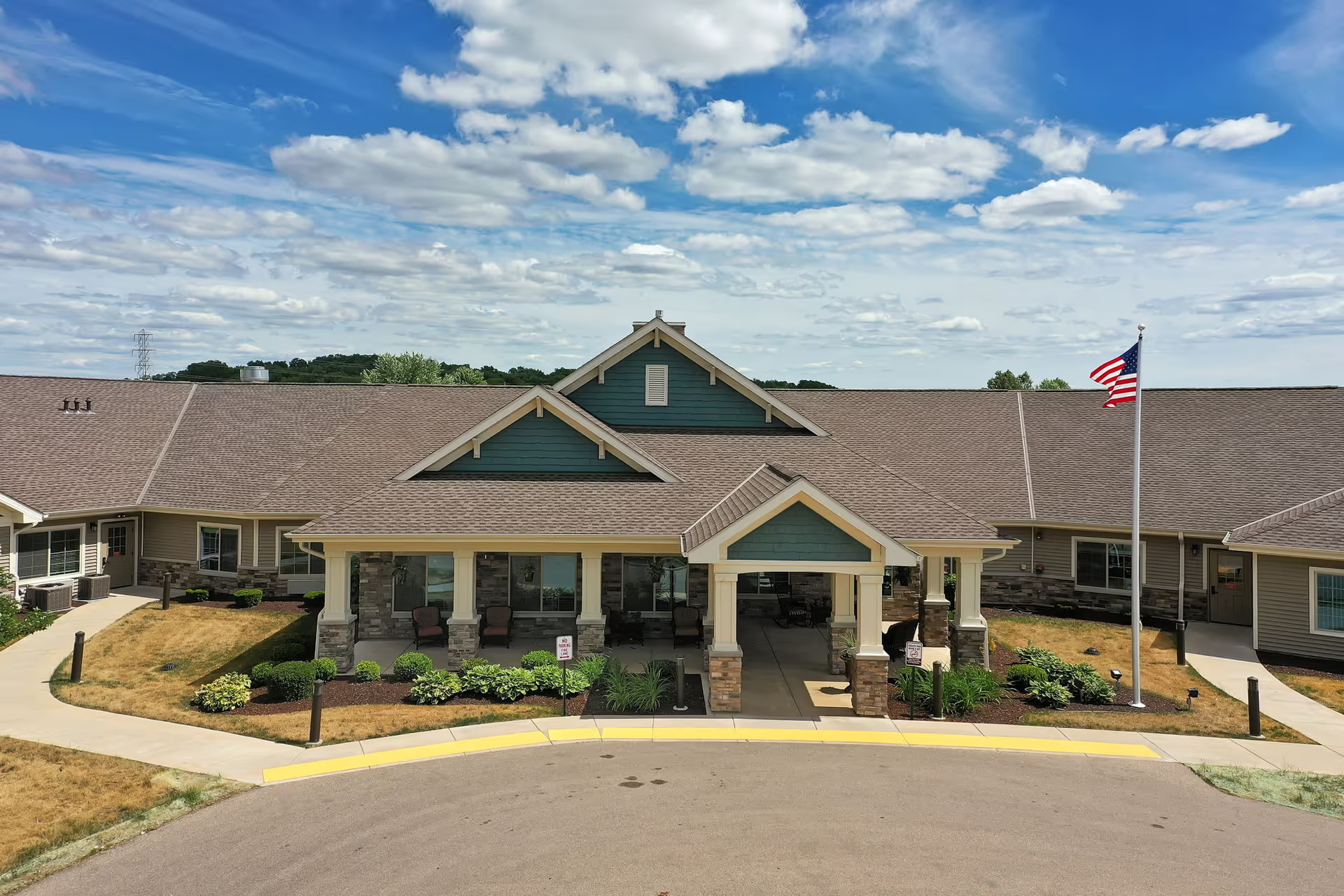
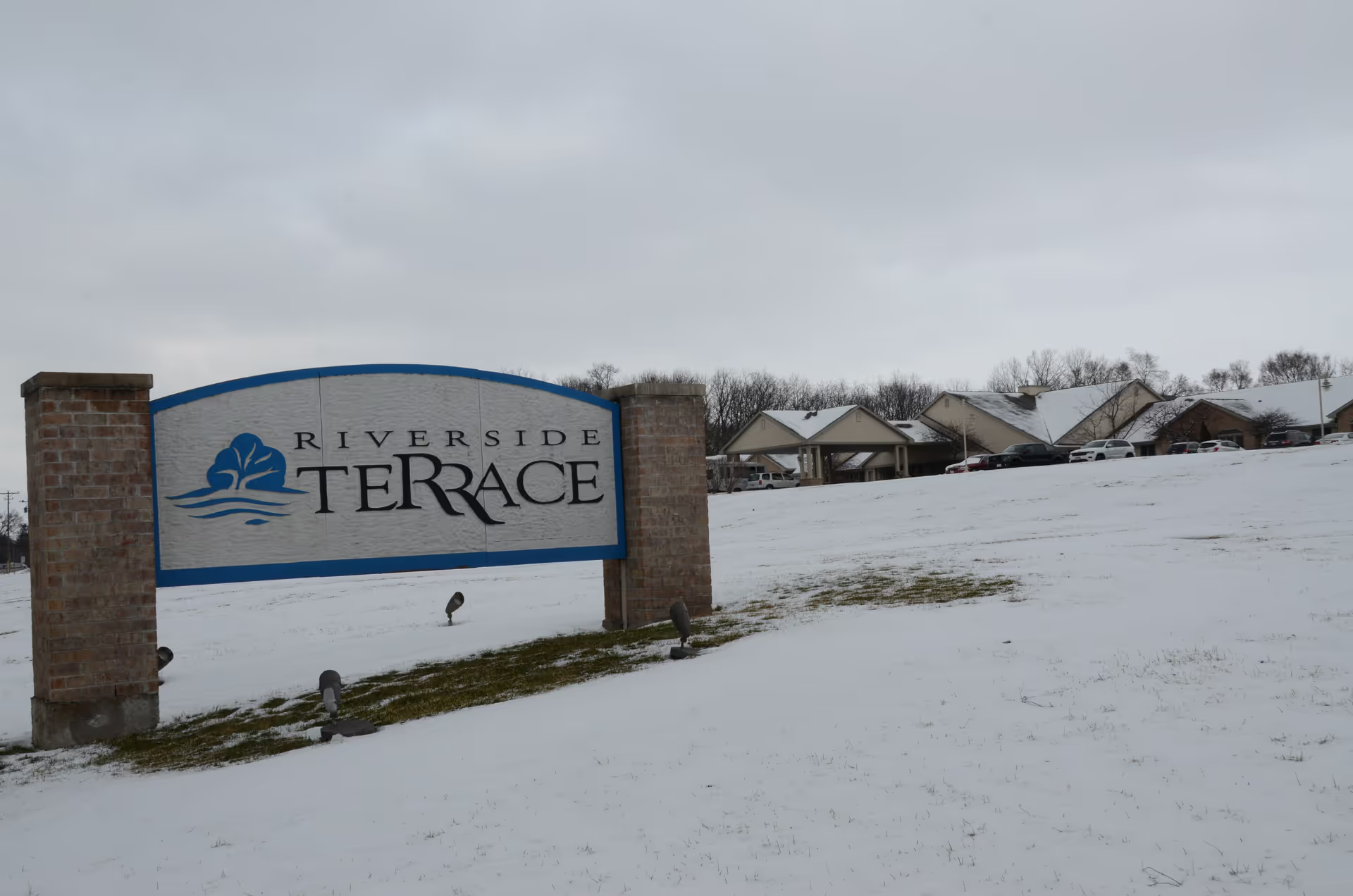
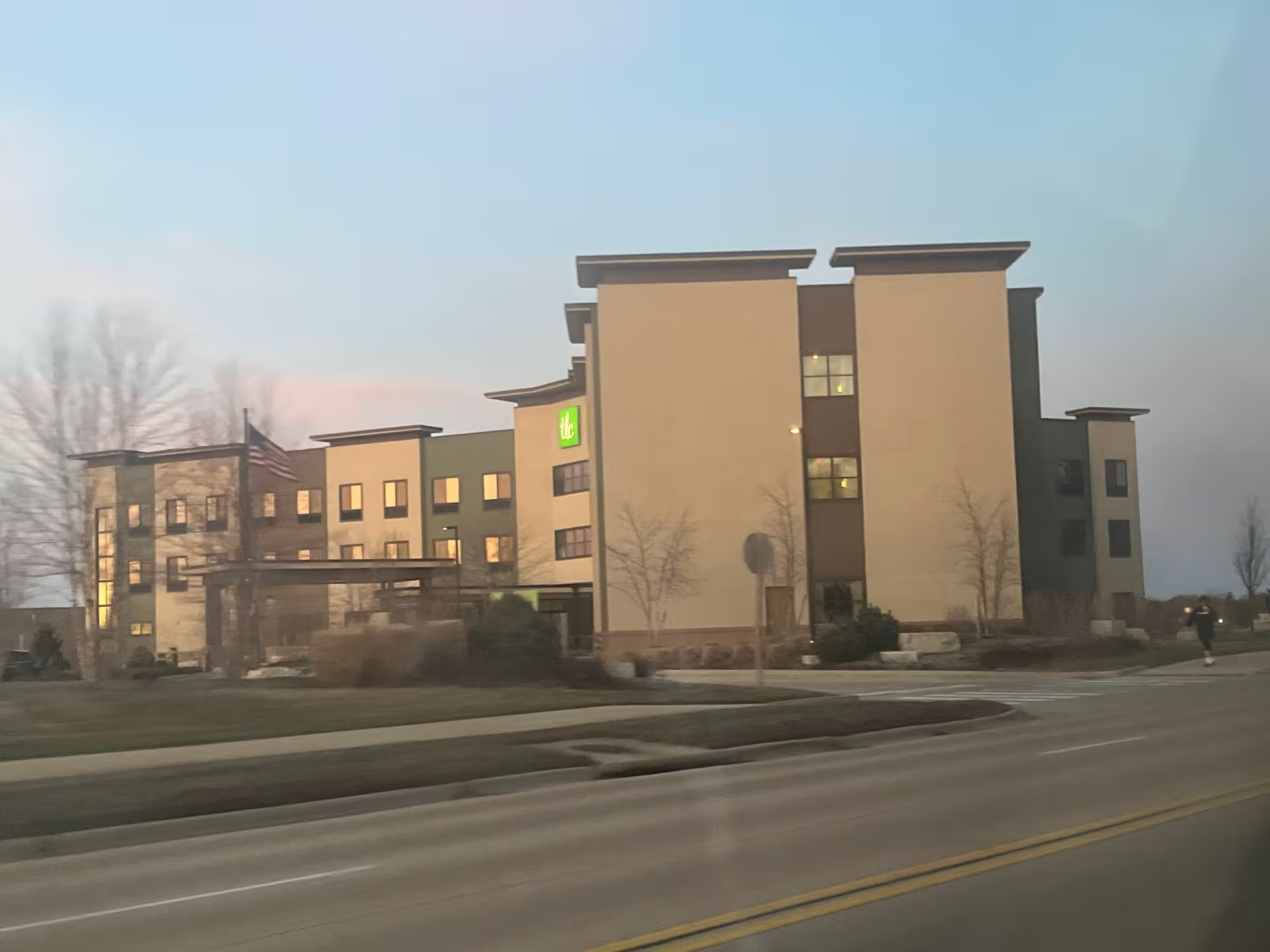
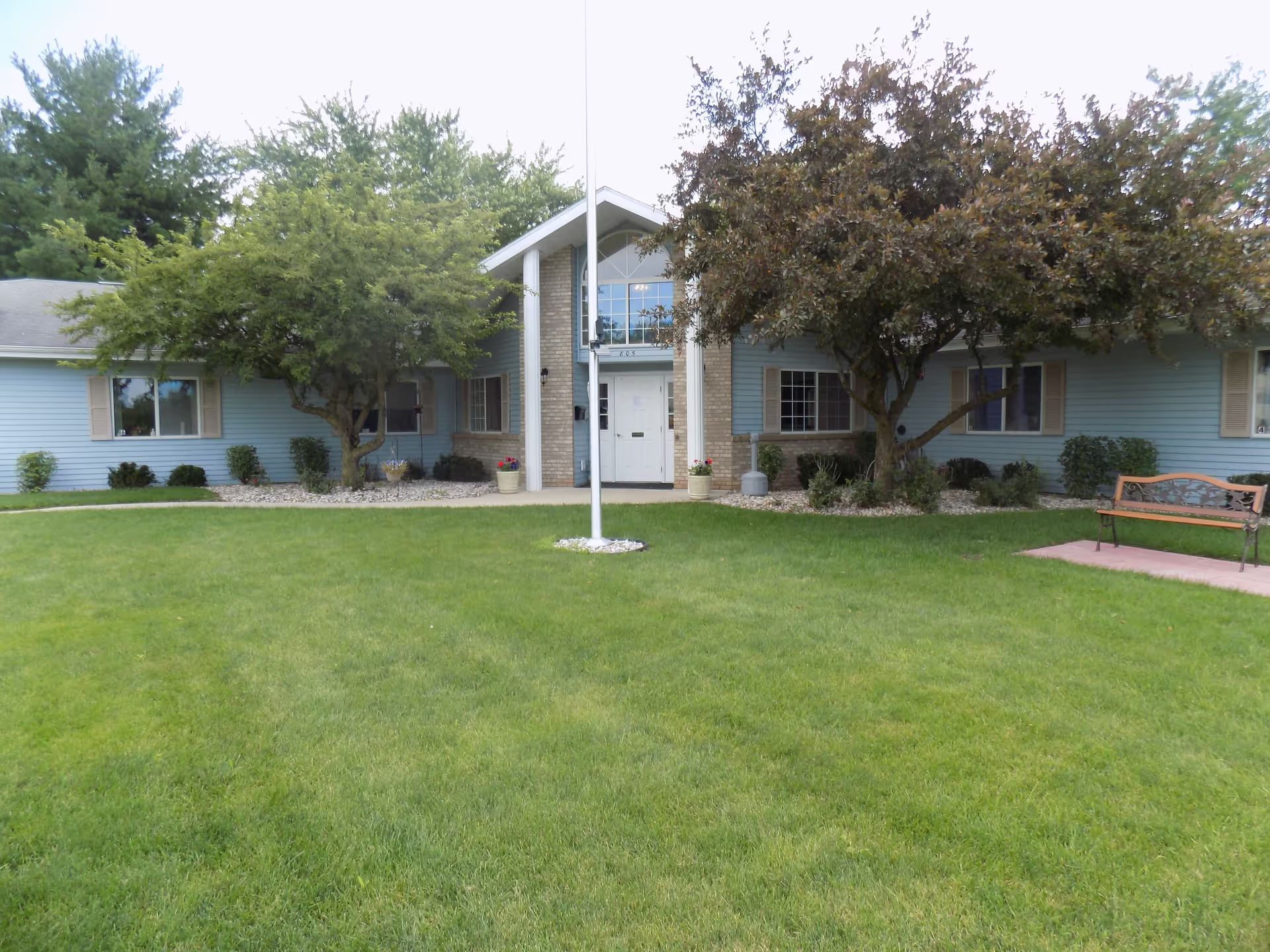
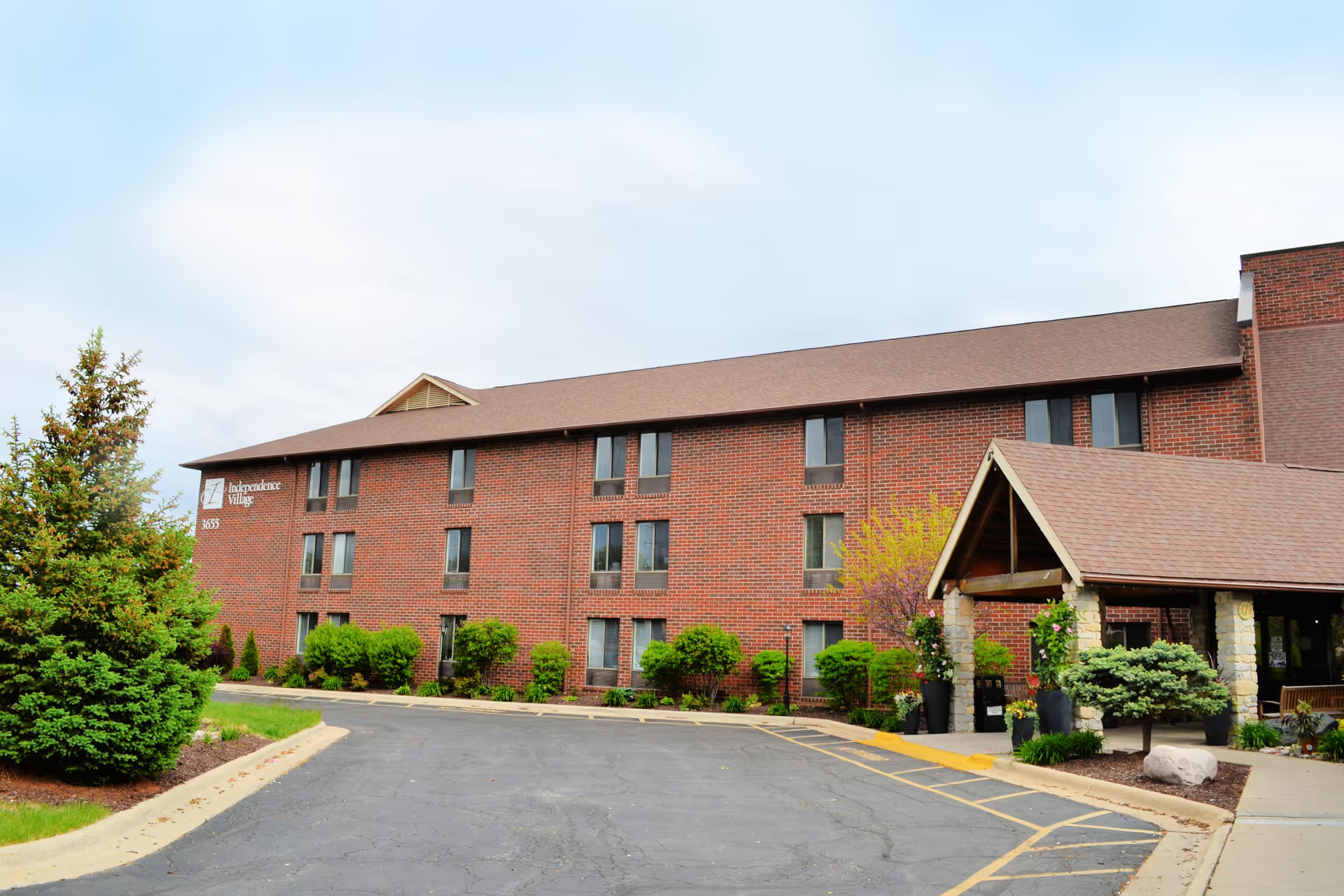
The physical environment is experienced as bright and homelike by many, with clean common areas and a welcoming lobby. However, other accounts note an older building that would benefit from cosmetic updates and cite sanitation and odor-management issues in specific areas. Security features such as locks and passkeys receive positive mention, yet intake and visitor-processing procedures have been described as inconsistent in some instances.
A discrete operational concern arises around personal property and inventory control. There are mentions of missing items and related worries, which suggest weaknesses in property oversight and staff oversight protocols rather than a broader pattern of pervasive misconduct; nonetheless, this is a specific area families may wish to confirm during tours.
In summary, Fair Oaks demonstrates clear strengths in staff compassion, therapy services, family communication, and certain facility amenities. However, prospective residents and families should balance these strengths against documented variability in personal-care routines, medication and clinical follow-up, meal-service consistency, and facility maintenance. When evaluating Fair Oaks, consider asking for specifics about staffing ratios and continuity, medication-administration safeguards, housekeepers and odor-control protocols, diet-adherence procedures, property-inventory controls, and any recent quality-improvement initiatives under the current management team.