Experiences at Sage Bluff vary considerably. Many residents and families describe kind, attentive staff, helpful rehabilitation, and care that supports recovery or long-term well-being. Positive accounts include staff who communicate regularly, respond to questions, and provide compassionate support during hospice and other end-of-life care. Other family accounts describe delays or gaps in ordered therapy and clinical services, slow responses to requests for assistance, and difficulty obtaining updates from nursing staff. These differing experiences suggest that care and communication may not be consistent across residents, shifts, or teams.
Staff interactions are a prominent strength in many accounts, including welcoming front-desk personnel, friendly caregivers, and individual staff members praised for exceptional support. However, some families describe concerns about staff professionalism, communication tone, and administrative responsiveness. Reviews also vary in their assessments of leadership: some credit new directors with improving operations and being responsive, while others raise concerns about management conduct and access to administrators. Families considering Sage Bluff may wish to ask how care concerns are escalated, how often families receive updates, and how the facility supports residents with dementia-related needs.
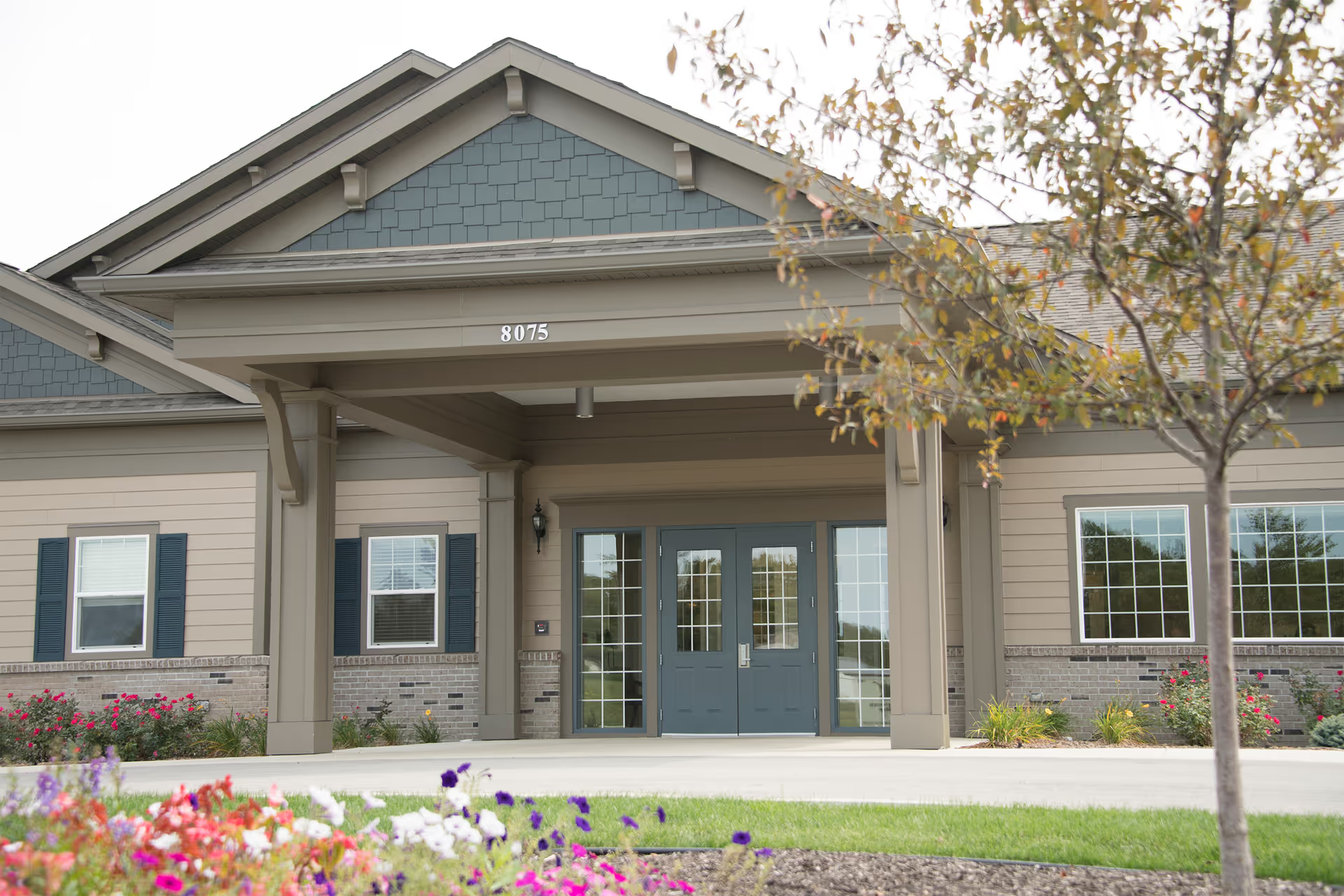
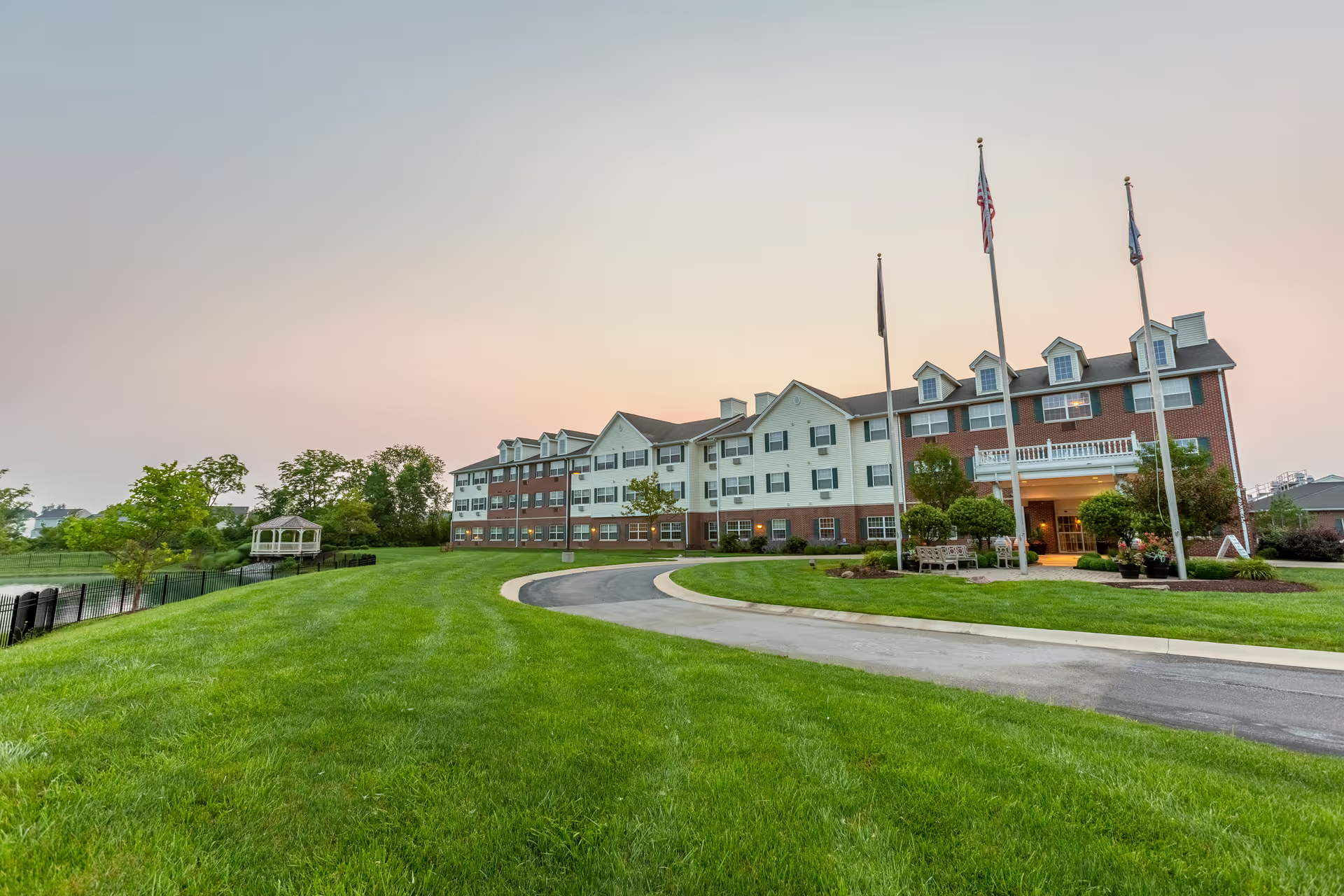
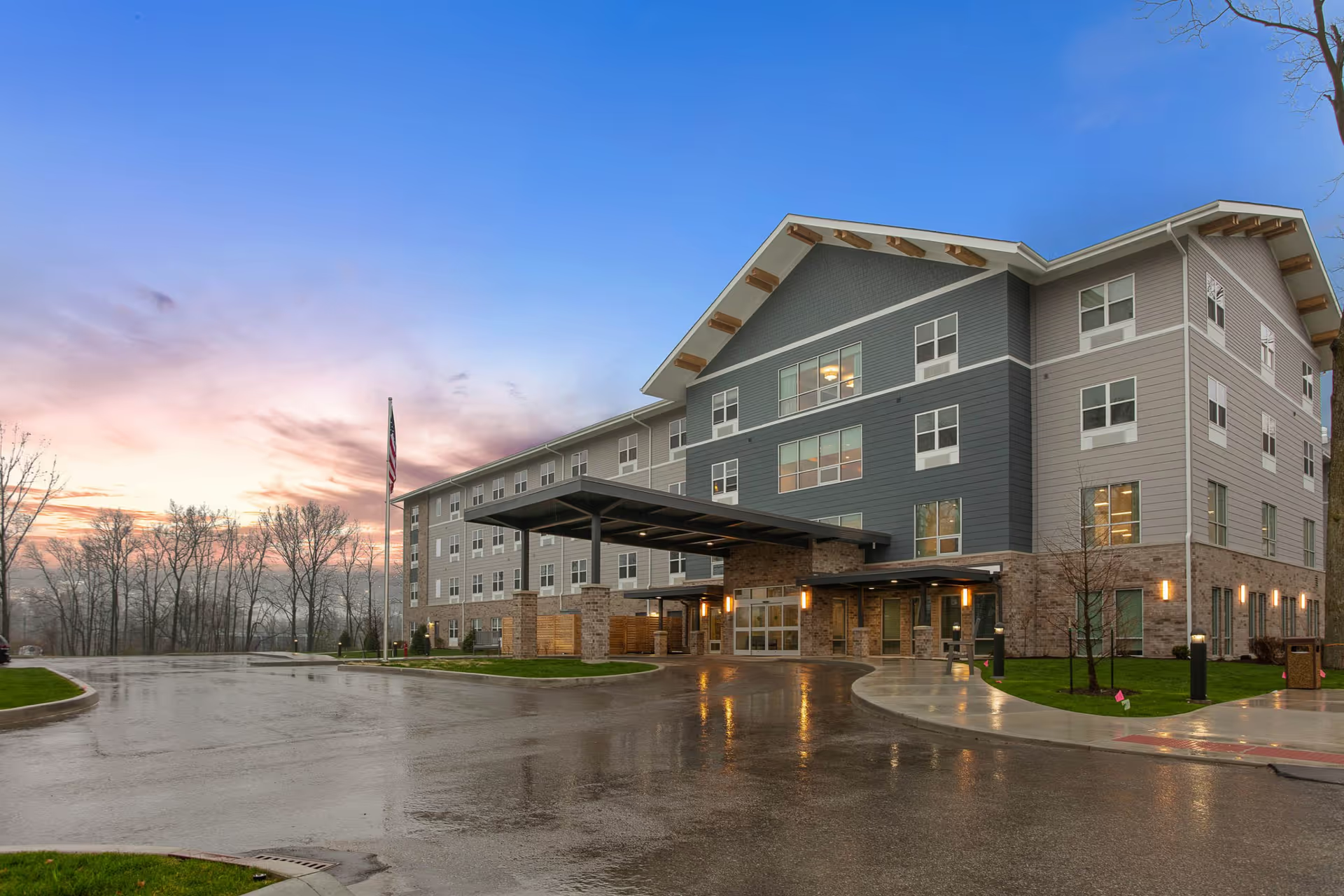
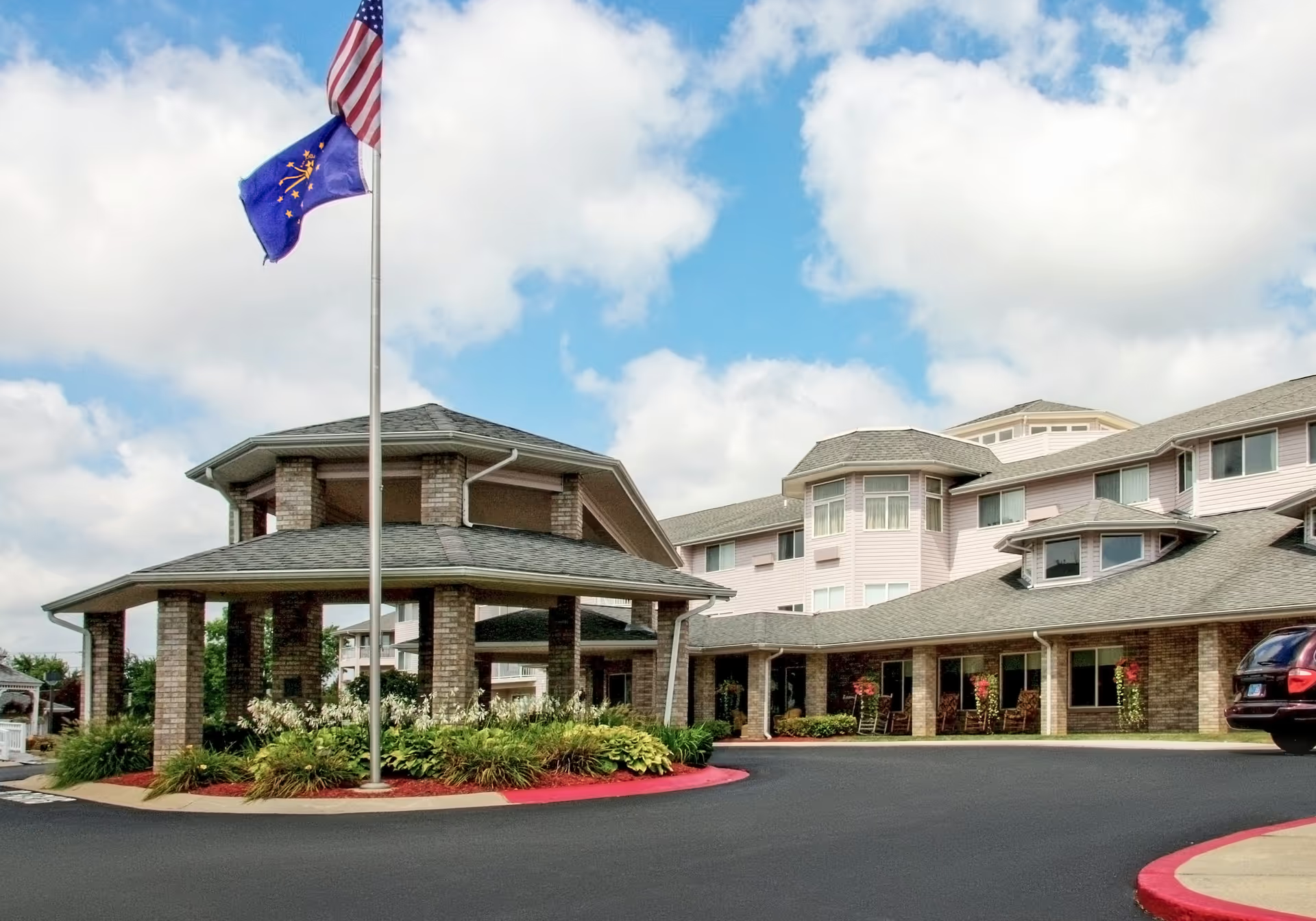
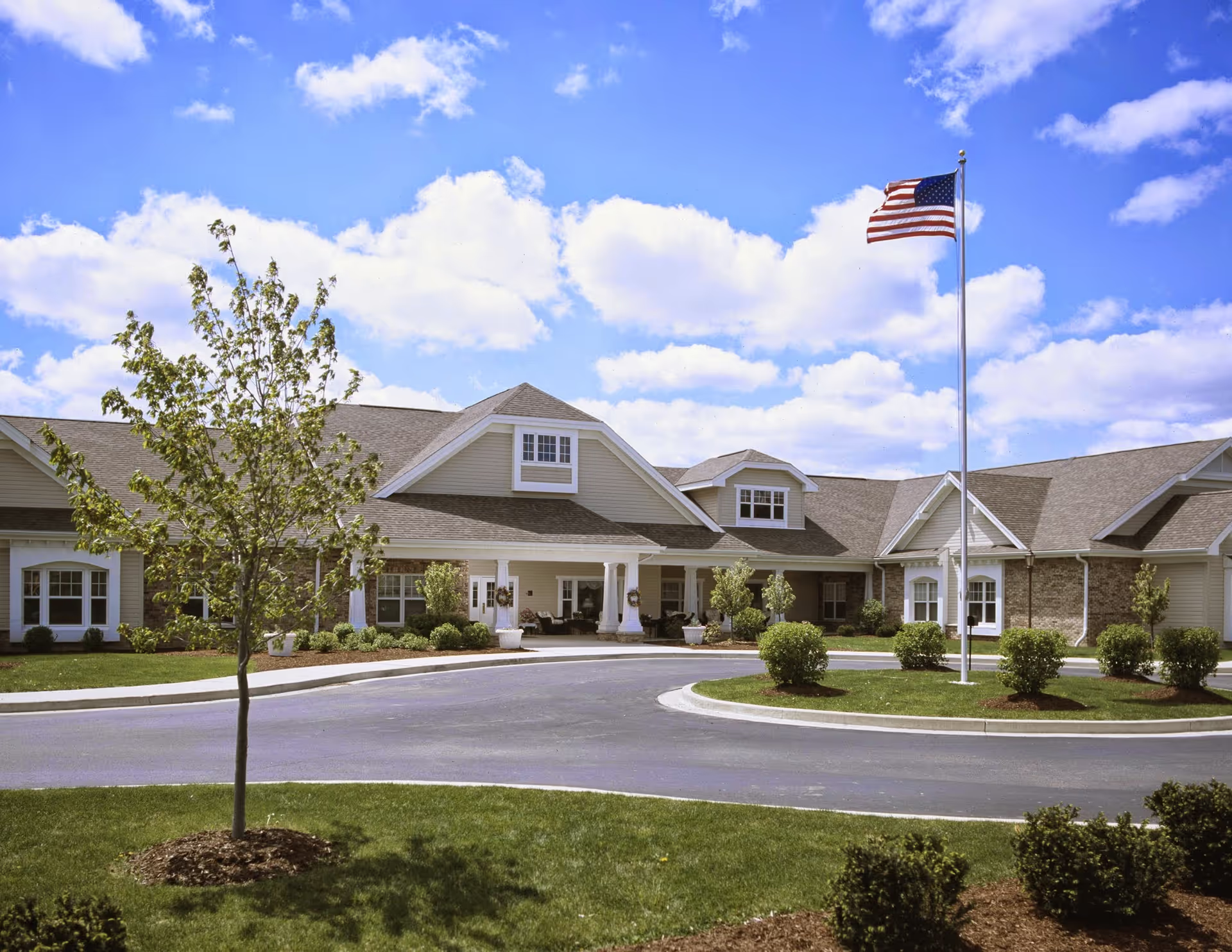
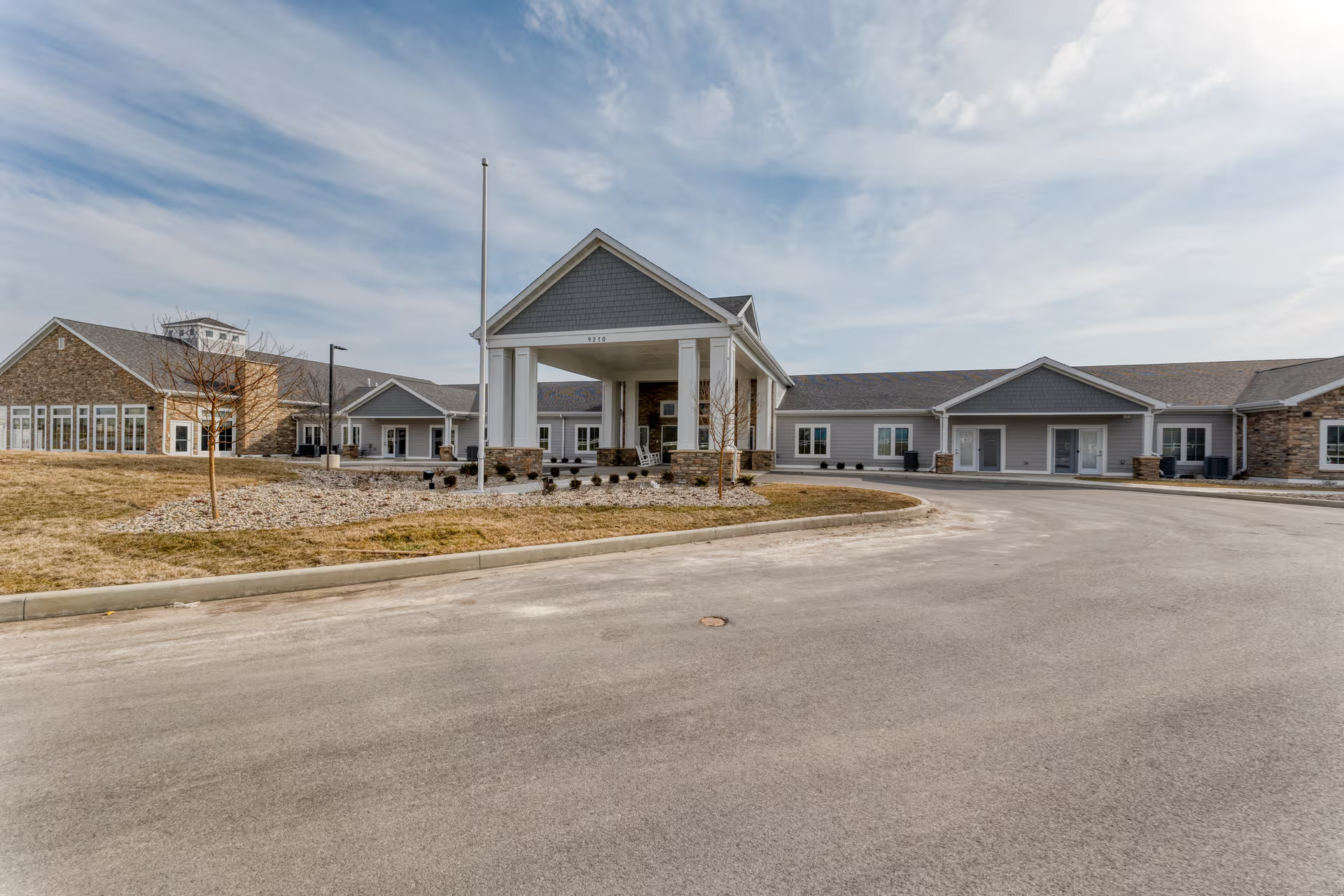
The building is frequently described as attractive, spacious, and well maintained, with private or semi-private rooms, private bathrooms, and a courtyard. Several residents and visitors also praise the activities program, including daily options and outings, as well as the welcoming atmosphere. Housekeeping feedback is mixed: some describe clean rooms and common areas, while another family reports needing to address room upkeep themselves. Dining feedback is similarly varied. Some residents praise the food and portions, while others describe inconsistent meal quality or incomplete trays.
Overall, the reviews present a facility with appealing accommodations, an active program, and examples of compassionate, effective care, alongside meaningful concerns about consistency in clinical follow-through, response times, family communication, housekeeping, and dining. The most useful assessment for a prospective resident or family would include a direct visit, discussion of the individual’s care and dementia-support needs, and questions about staffing, clinical-service follow-through, meal practices, and the process for raising concerns.