Overall impression: Reviews portray a facility where many frontline caregivers are described as compassionate, attentive, and family-oriented, and where dementia-specific and long-term care can be delivered in a personalized manner. At the same time, there are recurring operational issues that produce variability in day-to-day resident experience. Prospective residents and families should weigh the evident strengths in staff rapport and programming against persistent concerns about consistency of care and facility operations.
Care and clinical patterns: Numerous accounts praise nurses and direct-care staff for individualized attention, dementia familiarity, and efforts that make residents feel at home. However, reviewers also describe variability in clinical capacity: staffing levels sometimes affect response times and routine assistance, and reviewers expressed concerns about palliative-care expertise and how end-of-life decisions and documentation are handled. There are also concerns about medication management and consent processes that families should clarify with administration.
Direct care and personal needs: Positive feedback highlights attentive caregiving and emotional support, yet other comments indicate inconsistent assistance with toileting and grooming; in particular, practices that rely on incontinence products rather than toileting assistance were noted as a pattern. Families should discuss toileting, grooming, and medication-consent protocols during tours to understand daily routines and contingency staffing plans.
Dining and activities: The activities program is commonly described as engaging and residents are observed to participate and appear content in group offerings. Conversely, dining quality is frequently characterized as substandard relative to expectations, and some families feel the cost does not reflect local alternatives. There are also isolated concerns about resident autonomy during activities and feeding that merit discussion with staff about individualized care plans.
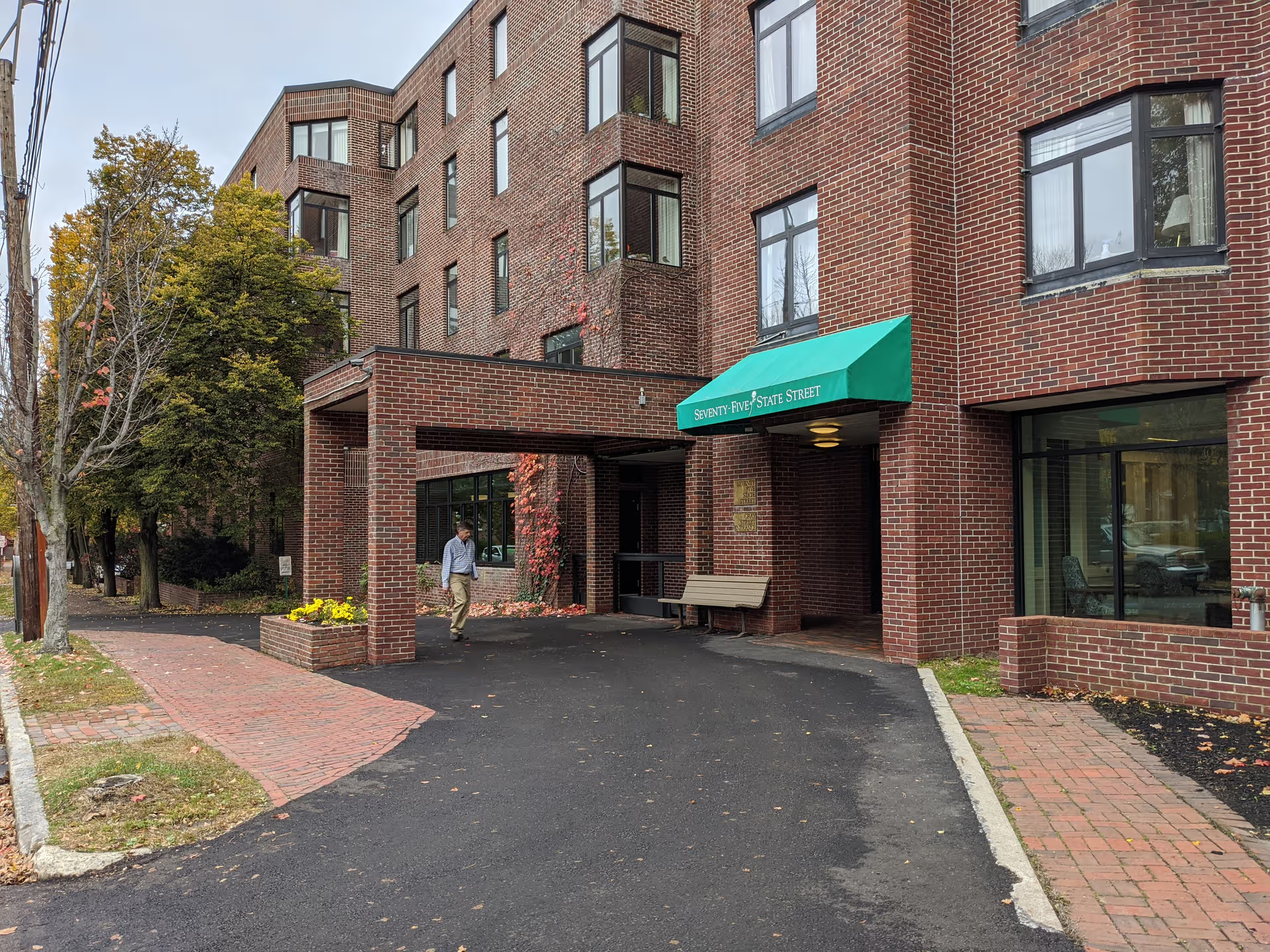
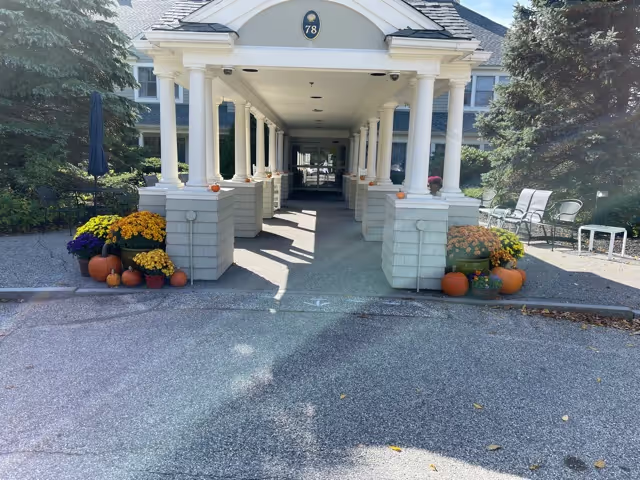
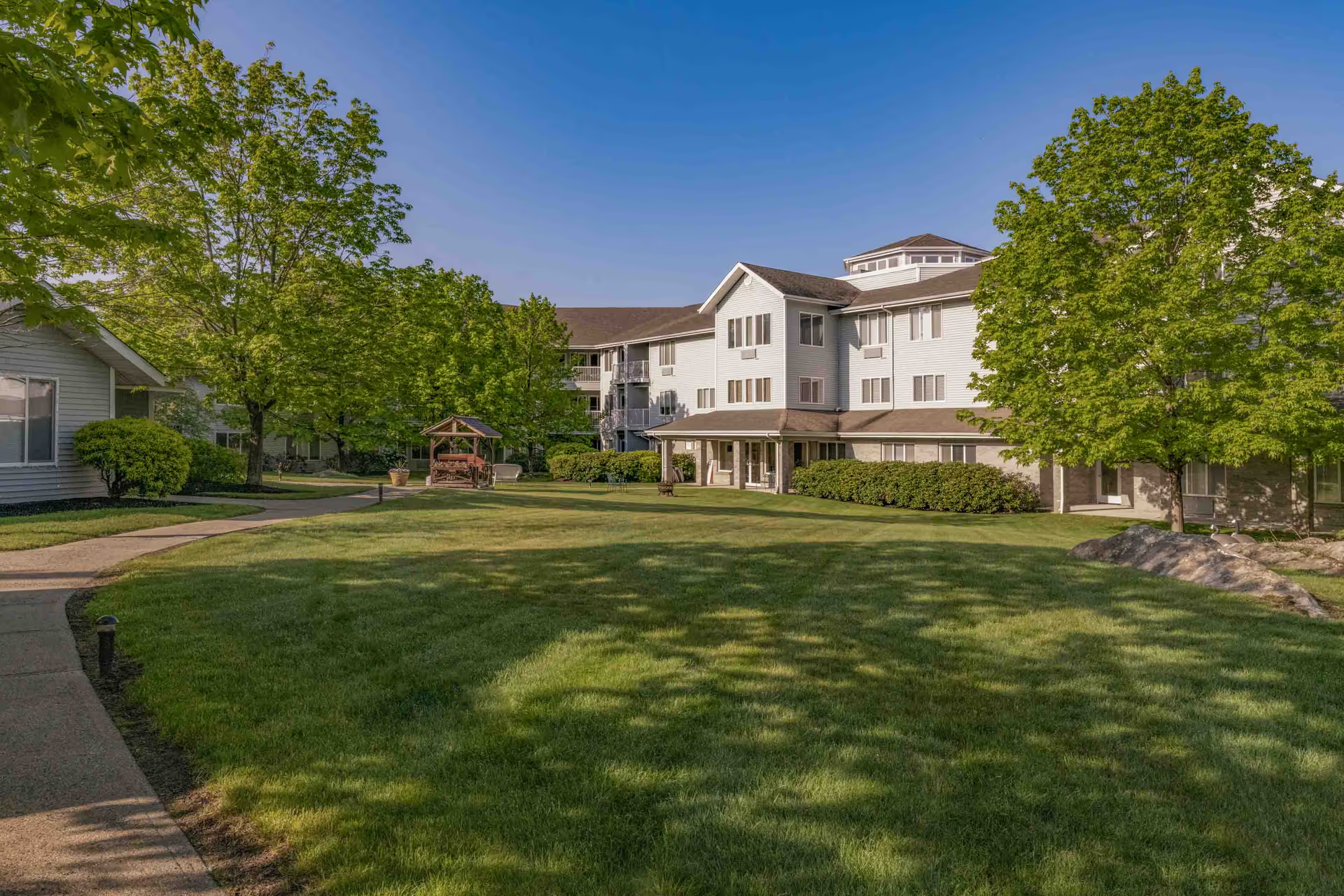
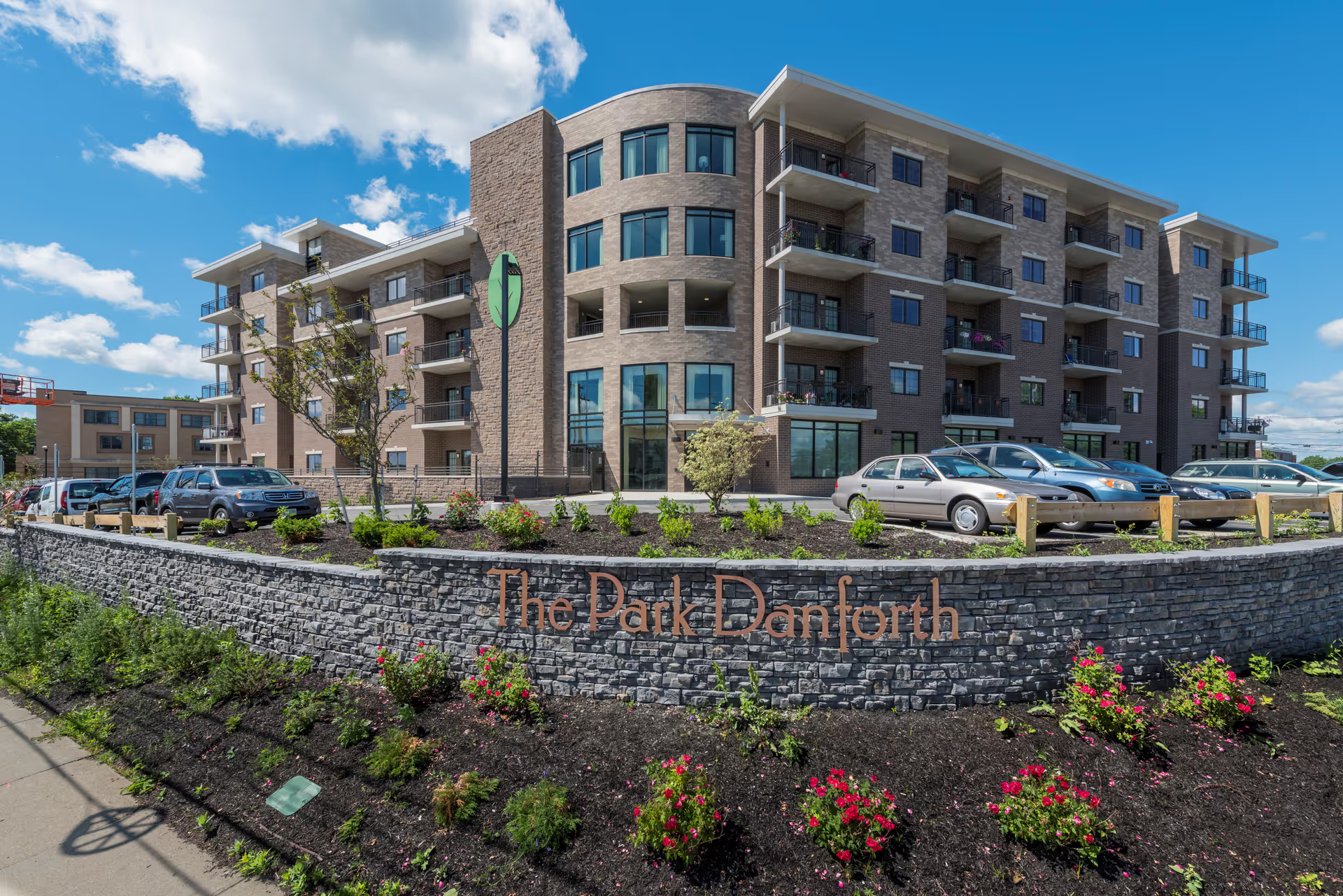
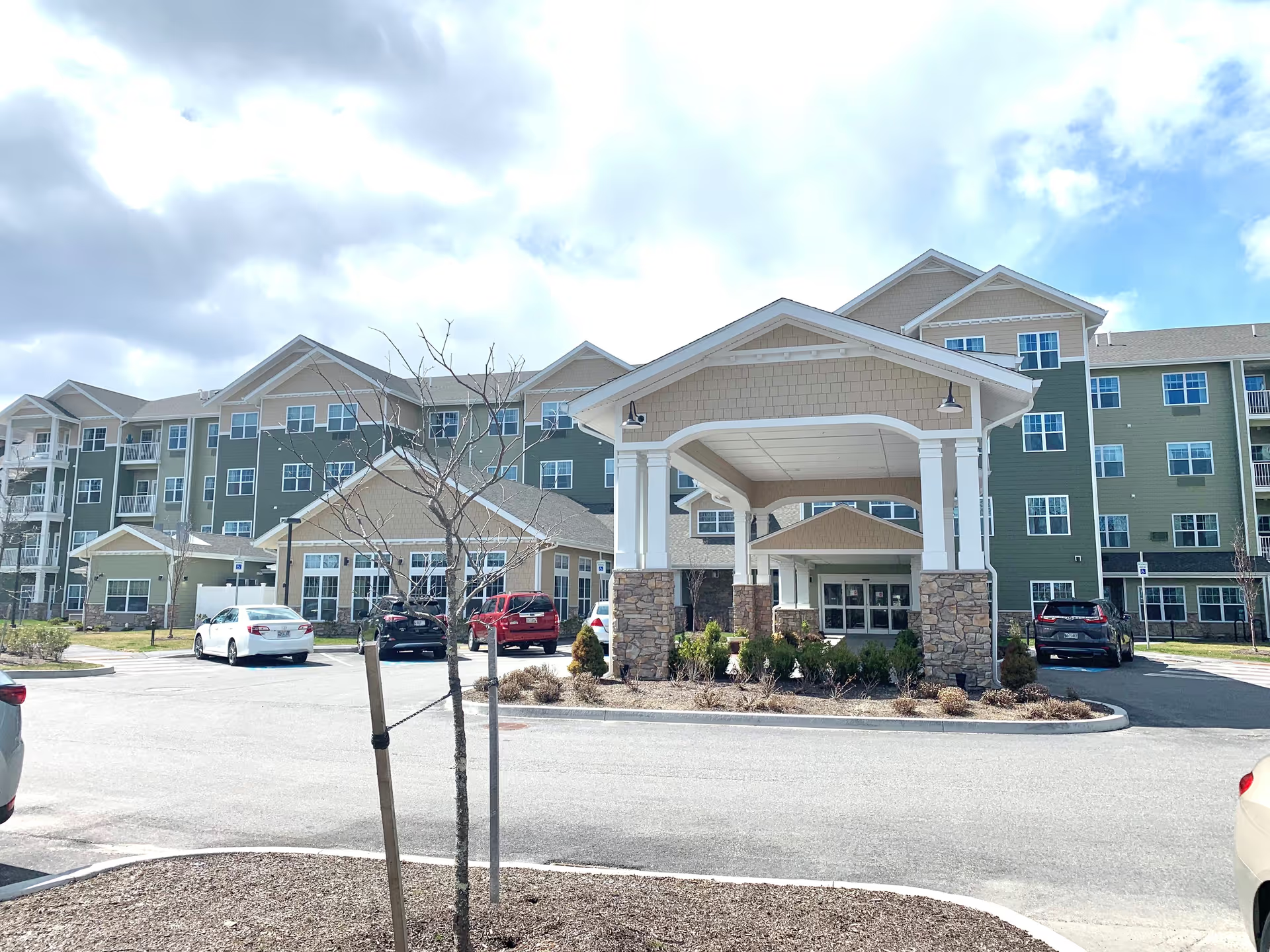
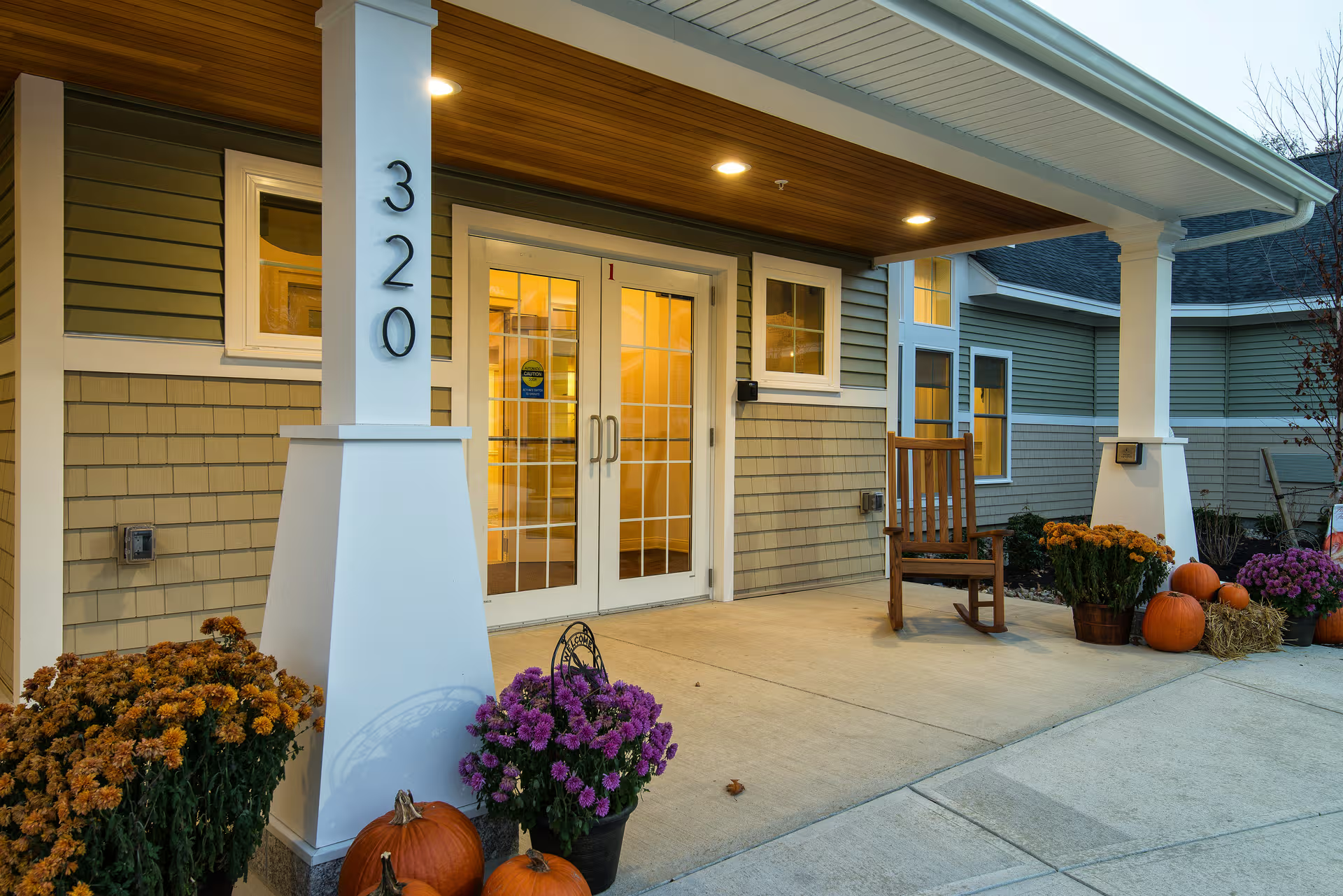
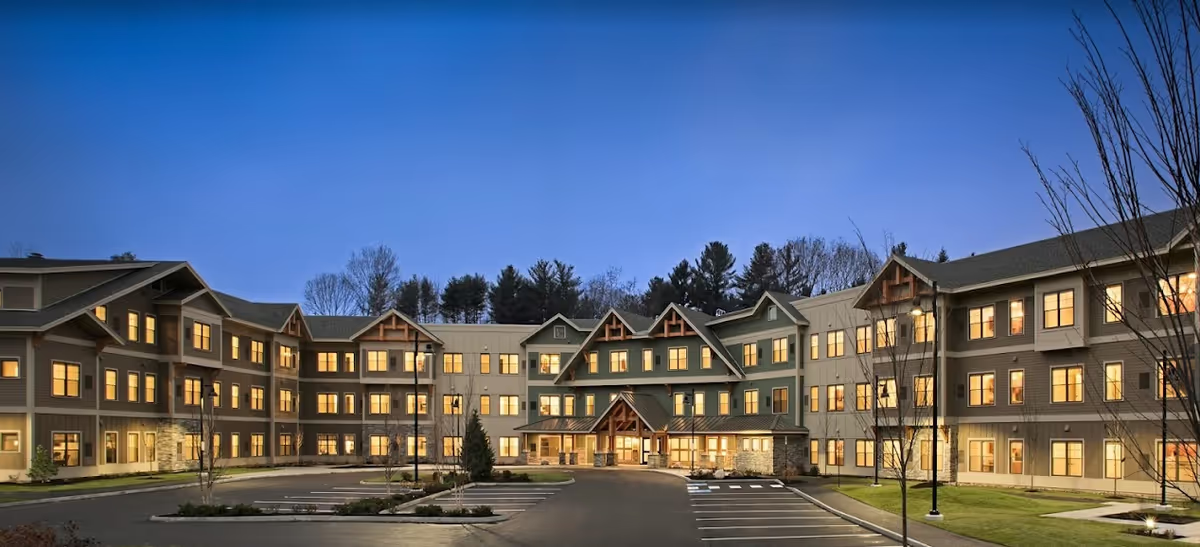
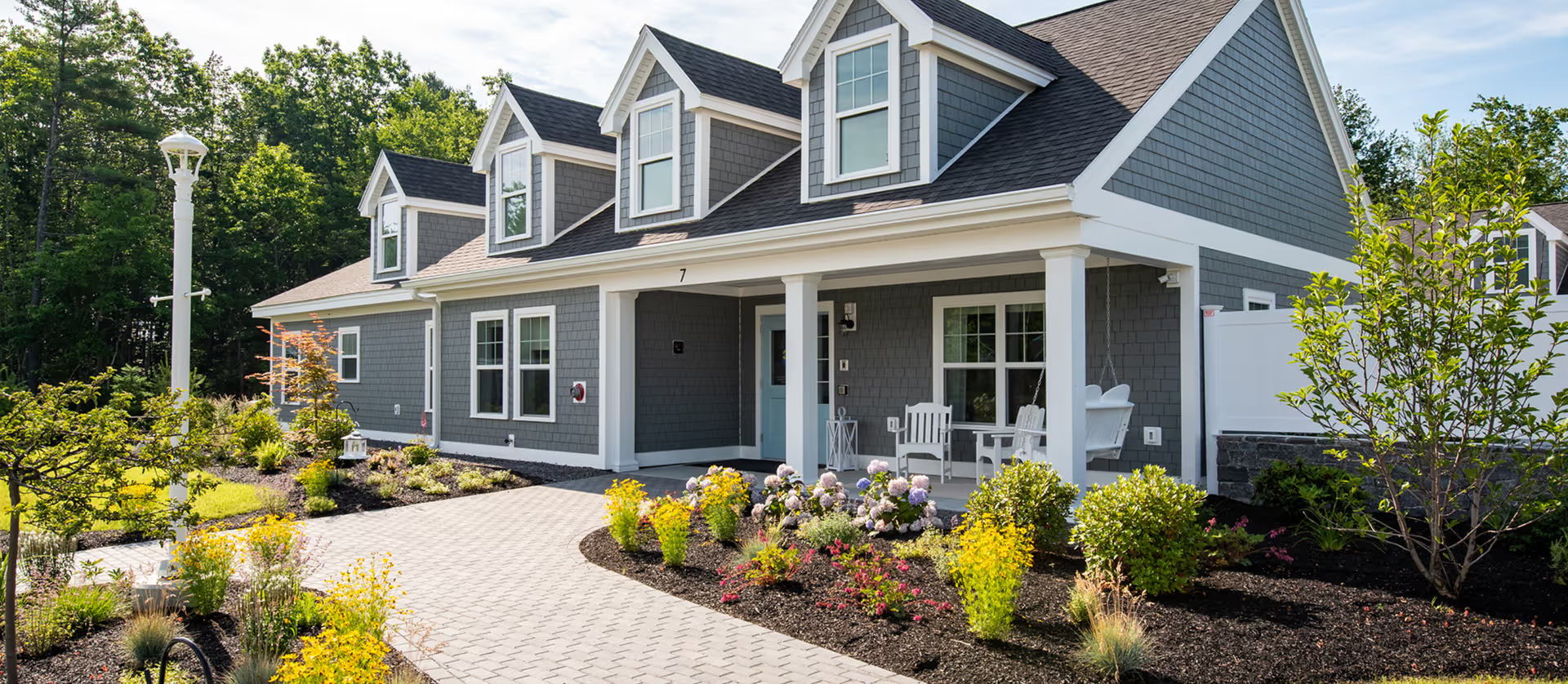
Facilities and environment: Rooms are generally considered adequate and functional; an outdoor area is available, though some reviewers find it modest compared with nearby options. Multiple comments referenced odor and general cleanliness issues in particular areas, indicating uneven environmental maintenance. Families should inspect common areas and ask about cleaning schedules and pest-control policies.
Management and communication: A notable pattern is inconsistent communication and documentation — examples cited include inaccurate records and situations that placed training or caregiving burden on families. These indicate opportunities for stronger family-staff communication protocols, clearer documentation practices, and enhanced staff training. Given the mixture of high-touch caregivers and systemic gaps, prospective families may want to seek specific assurances about staffing ratios, clinical competencies (especially palliative care), and how the facility escalates and documents care concerns.
Bottom line: The facility appears capable of providing warm, personalized care, particularly in dementia and long-term settings, driven by engaged direct-care staff. At the same time, operational inconsistencies — in staffing, sanitation upkeep, dining, documentation, and certain clinical areas — create variability in resident experience. Visitors should verify key practices in person, ask for up-to-date staffing and clinical credentials, and discuss written care plans and communication expectations before making placement decisions.