Overall impression: Reviews of John Scott House Nursing & Rehabilitation Center are polarized, with a clear split between strong rehabilitation- and therapy-focused experiences and serious operational concerns that affect day-to-day resident comfort. Many accounts emphasize effective clinical rehabilitation, attentive nursing, and an approachable management team. At the same time, other accounts raise significant sanitation and personal-care concerns that families should evaluate closely when touring the facility.
Care quality and clinical services: The facility is frequently praised for its physical and occupational therapy programs and for producing measurable functional gains that support return-to-home goals. Discharge planning is often described as thorough and family-inclusive, with proactive post-discharge follow-up. Nursing staff and therapists are commonly described as compassionate and skilled, and many families report trusting relationships with clinicians. However, there are noted inconsistencies in clinical monitoring in a minority of accounts, including concerns about hydration and timely clinical attention in individual cases.
Staff and management: Leadership visibility and approachability are recurring positives; several accounts highlight senior management and head nurses who engage with families and address concerns. Duty nurses and many aides are described as prompt and professional. Counterbalancing this, reviewers describe variability in caregiver behavior and communication tone, with uneven performance among CNAs and isolated reports of delays in attending to residents. Staff morale and turnover appear to be a recurring operational theme that may contribute to inconsistent care delivery.
Dining and nutrition: Dining receives mixed feedback. Positive comments note pleasant meals on some occasions, while recurring operational issues include inconsistent food quality, limited menu choices for therapeutic or post-operative diets, and meal-service timing problems that can result in cold plates. Families with specific dietary needs (for example, diabetic or post-op diets) should verify menu flexibility and kitchen accommodations prior to placement.
Activities and social environment: Programming includes daily activities, social events like bingo, and family- and pet-friendly visitation. The environment is described as homelike in many common areas, with opportunities for family involvement and child visits. Activity breadth may be modest compared with newer or larger facilities, but therapy integration and social engagement are strengths for many residents.
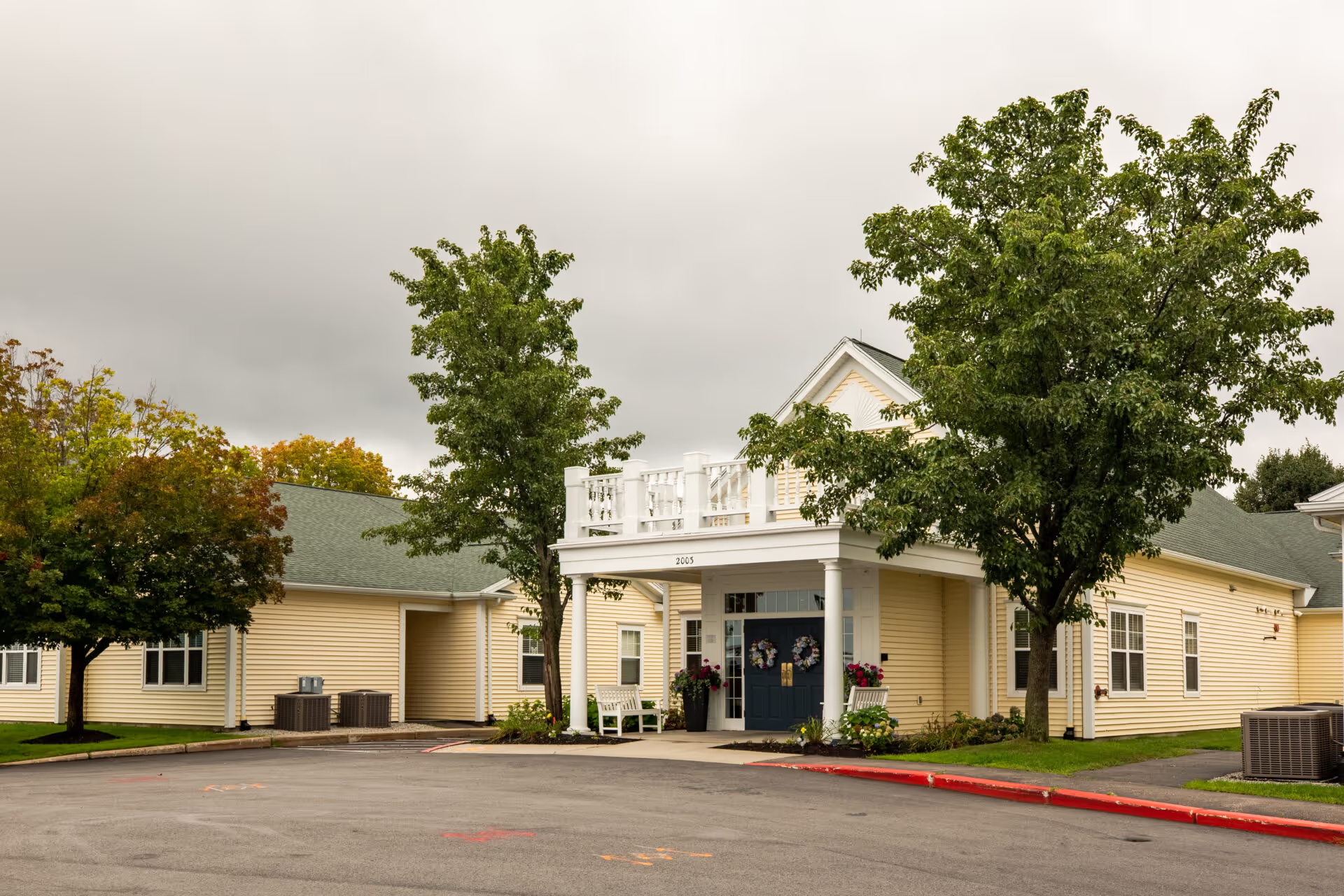
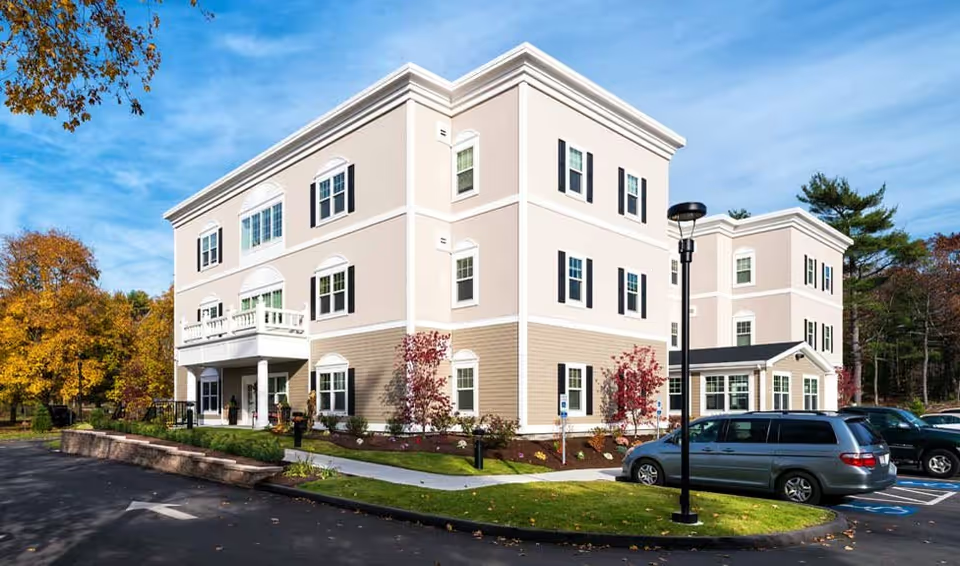
Facilities and housekeeping: The building is characterized as an older, compact brick structure with small rooms and dated furnishings in places; some reviewers appreciate balconies and homelike common areas. Cleanliness impressions are mixed: several families report a generally clean, well-kept appearance, while others report sanitation concerns and incontinence-care delays that merit investigation during an in-person tour. Prospective residents should inspect room size, layout, and housekeeping practices directly.
Notable patterns to consider: The strongest, consistent positives are the therapy services, compassionate clinical staff, and visible leadership with solid discharge planning. The most serious recurring negatives are sanitation and incontinence-care delays, variable CNA performance and communication, inconsistent meal quality and therapeutic-diet availability, and facility-aging issues. There are also comments suggesting that placement decisions can be influenced by payer/insurance considerations, which may affect length of stay or service options.
Recommendation for families: Visit in person focused on both clinical and operational items: observe therapy sessions, ask for examples of individualized diet accommodations, review staffing patterns across shifts, inspect housekeeping routines and odor control in patient rooms and common areas, and speak directly with leadership about responsiveness to concerns. Because experiences vary considerably, an on-site assessment combined with direct questions about care plans, CNA training, and contingency protocols will give the clearest picture for individual needs.