Overall impression: Reviews portray The Bostonian Nursing Care & Rehabilitation Center as a facility with clear strengths in rehabilitation, personable staff, and a generally well-maintained environment. Many families describe effective physical and occupational therapy that produced measurable strength and mobility improvements, and multiple accounts single out skilled therapists for timely progress. Admissions and front-office coordination receive positive mention for being welcoming and well organized.
Care and clinical concerns: Nursing care and aide support are frequently described as compassionate and attentive, with several staff members named for personalized attention. Medication administration and routine nursing tasks are often reported as timely. However, several reviewers raised serious clinical concerns related to wound management and to delays in certain clinical tasks. These accounts point to inconsistent adherence to physician wound-care orders and to episodic delays in monitoring and task completion. Relatedly, some families reported gaps in communication when clinical problems emerged. Together, these patterns suggest the facility provides generally good day-to-day nursing care but may have uneven performance on higher-acuity or protocol-driven clinical needs.
Staff, culture and management: The facility is repeatedly praised for staff empathy and professionalism; notable individuals in nursing and admissions are highlighted for creating a family-centered atmosphere. At the same time, a minority of comments describe episodes of inattentiveness or blunt interpersonal tone from staff and slower responses for non-routine issues. This combination indicates a broadly positive culture with some variability in individual staff responsiveness. Several reviewers also noted strong coordination at admission and praised managers who facilitated transitions and kept families informed during times of heightened concern (for example, infection-control periods).
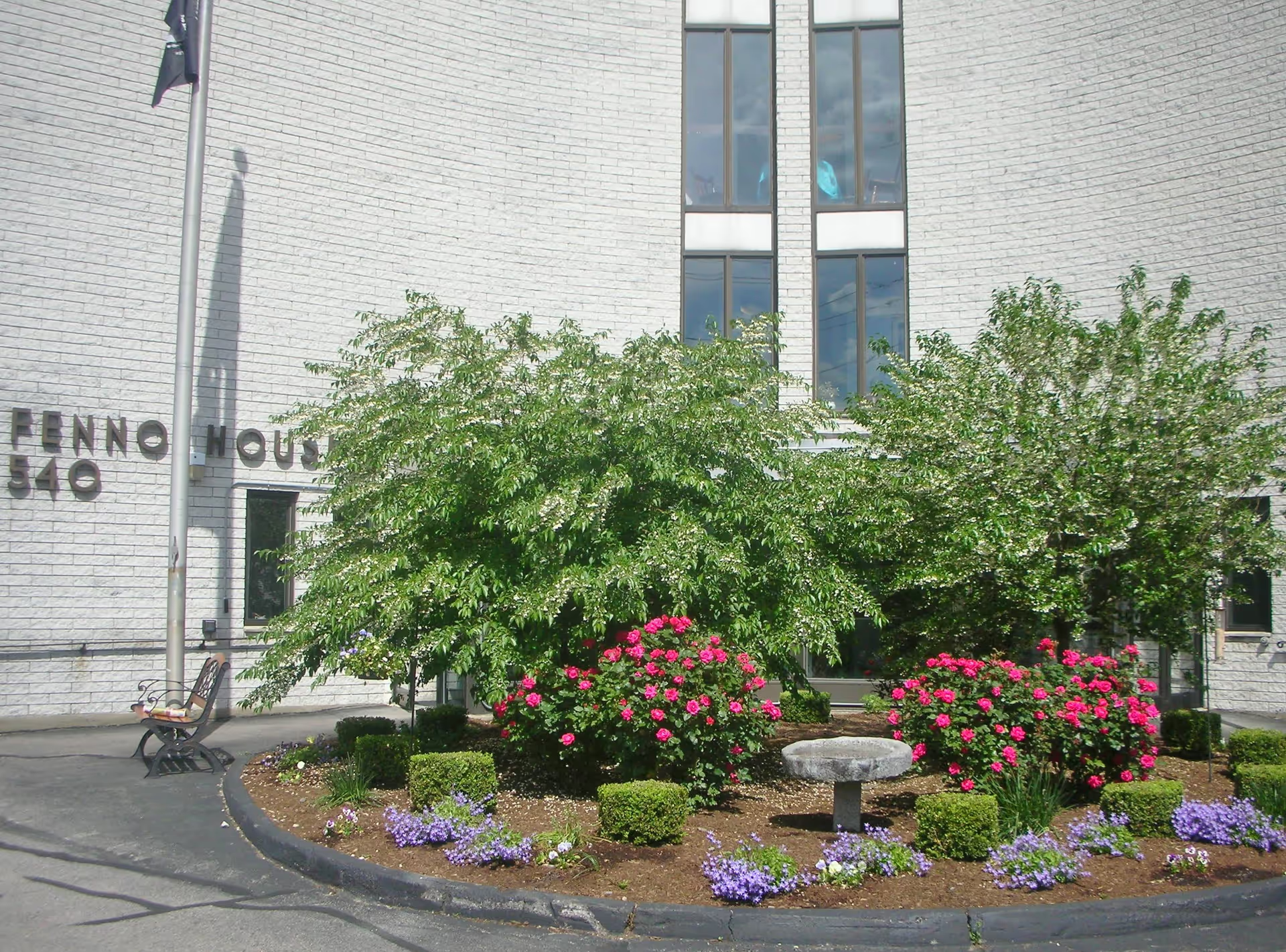
Dining, activities and facilities: Dining services are described as varied and attentive, with families appreciating meals and meal-service responsiveness. Recreational and social activities such as music, haircuts, and outdoor seating receive positive feedback and are seen as meaningful quality-of-life contributors. Physical spaces are characterized as clean and well maintained, and common/outdoor areas are described as pleasant and accessible.
Notable patterns and considerations for families: The dominant positive themes are effective rehabilitation, compassionate frontline caregivers, and a clean, welcoming environment. The primary areas warranting careful inquiry are clinical follow-through for specialized care (particularly wound care), timely completion of monitoring tasks, and consistency of staff responsiveness. Prospective residents and families may wish to ask about wound-care protocols, staffing levels for higher-acuity needs, escalation procedures for missed clinical tasks, and how the facility documents and communicates adverse events. Clarifying billing and perceived value may also be helpful given occasional remarks about cost relative to service.
Bottom line: The Bostonian appears well suited for residents needing active rehabilitation and a compassionate caregiving environment, with strong administrative coordination and pleasant facilities. Families should balance those strengths against reported variability in clinical follow-through for complex wound care and in responsiveness during certain episodes, and should seek specific assurances about protocols and communication processes when those issues are relevant to a prospective resident’s needs.