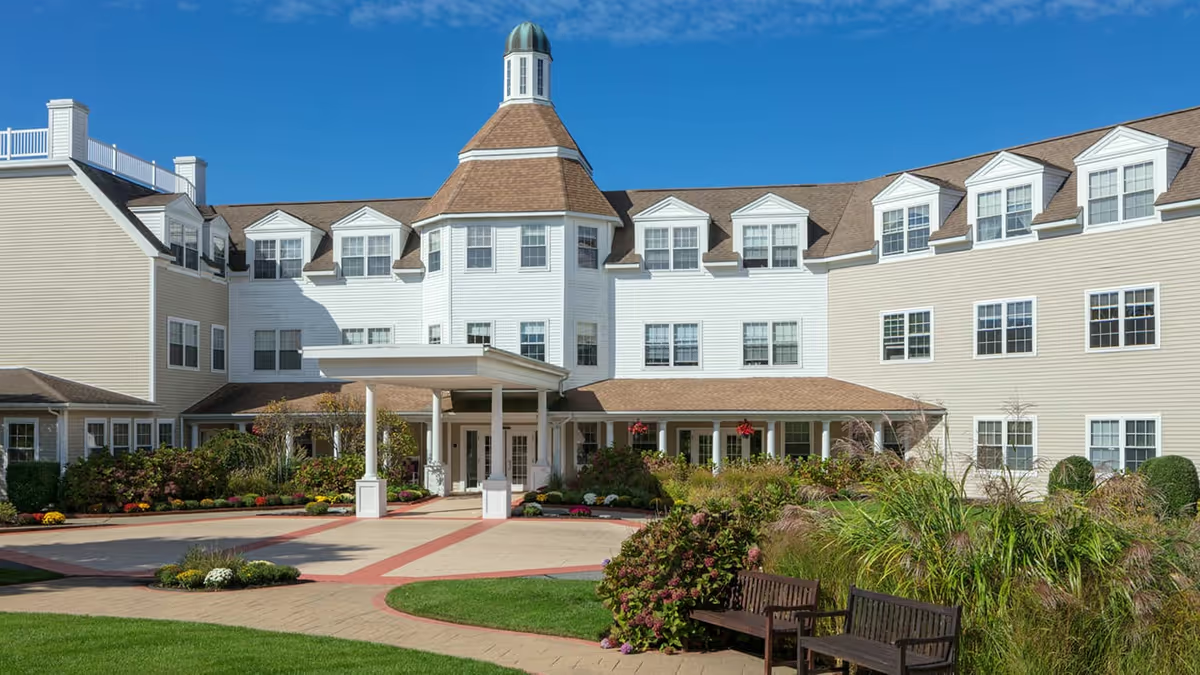
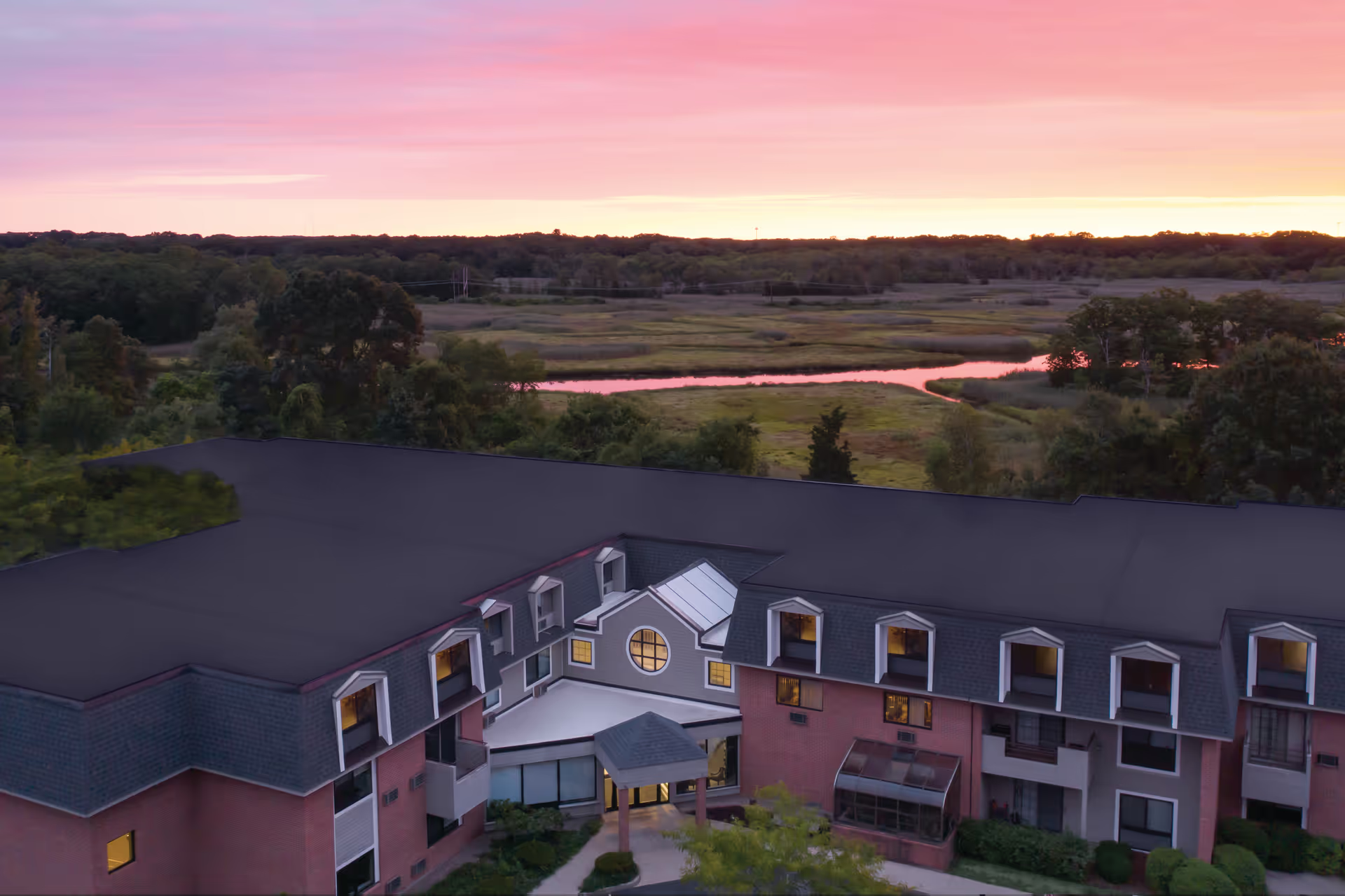
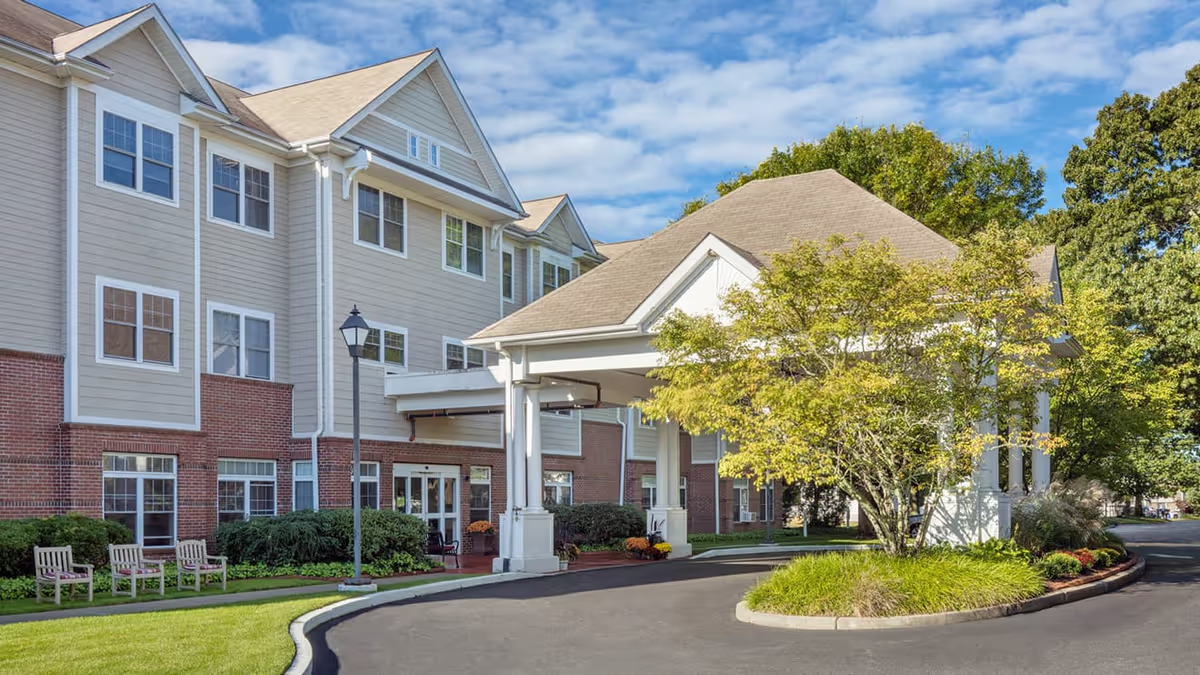
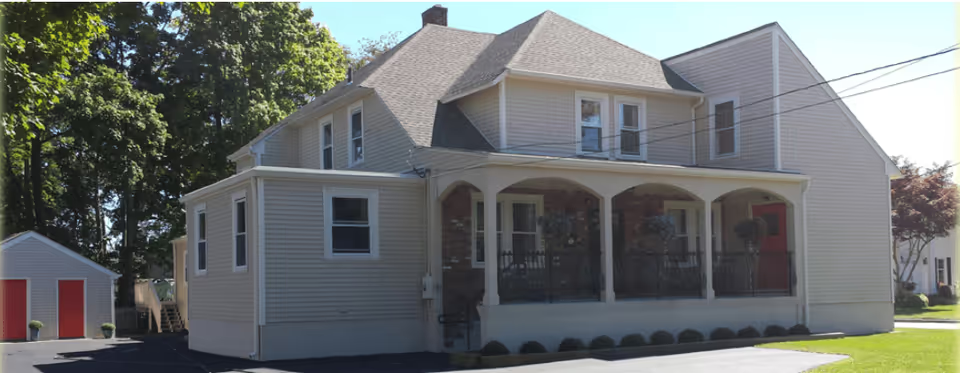
Transitional Care Unit in Fall River, MA, offers care for seniors who are leaving the hospital but still need help before going home, and the place feels a lot like a step in between, with staff who focus on diagnosing atrial fibrillation and finding good treatment options if someone's got heart rhythm problems, and they'll help get the right specialists involved since they've got a big focus on cardiac rhythm care and electrophysiology. There are active clinical trials going on and they share results, provide society guidelines, and have patient resources so people can learn more about their health and recovery, and sometimes they'll offer education and training programs ranging from beginner classes to summits for arrhythmia, plus ablation programs and things for advanced practice providers. The facility is known for having all sorts of specialized medical equipment-minimally invasive surgical instruments like atrial lift systems, graspers, needle holders, rakes, retractors, blades, scissors, and they provide cryo nerve block therapy using specific probes like cryoSPHERE® MAX and cryoSPHERE®+.
If someone needs left atrial appendage management, they've got devices like the AtriClip PRO-Mini® Device, AtriClip® FLEX-Mini™ Device, and AtriClip PRO® Device, as well as epicardial access tools like EPi-Ease™ and hybrid total thoracoscopic therapy options like isolator® synergy™ access® clamp and transpolar pens. They've got ablation sensing units and switch matrix, plus cryoablation probes and other tools like the cryoICE® BOX V6 and the lumitip™ dissection system and a multifunctional ablation generator (MAG), with services focused on ablation and cryoablation for those who need them.
The unit sits inside Warren Center - Genesis Health Care and works closely with doctors, therapists, and social workers to make sure everyone's care after surgery or illness is coordinated, using what they call a multidisciplinary approach, which basically means different experts work as a team. Patients get meals and dining options, a choice between shared or private rooms with various amenities, and daily activities if they want something to do. There are specific therapy spaces and programs to help people regain independence, particularly after surgery or an illness, and they help with things like bathing, dressing, and medicine.
The staff is trained for intermediate care or "step-down" care, which means they're ready for people who don't need full hospital treatment anymore but aren't quite ready to go home either. They focus on smooth transfers from hospital to recovery, handle chronic care management, and coordinate for complex conditions or procedures. The setup is aimed at helping people recover well, avoid going back to the hospital, and stay safe, all while having some comfort in their rooms and support close by. The activities, room amenities, and programs all try to provide a community feel, while the healthcare side pays close attention to pain management and making sure recovery goes smoothly. The Transitional Care Unit works to make each person's move from hospital back to regular life a bit easier, with services tailored for seniors' needs during these important times.