Reviews of Reservoir Center for Health & Rehabilitation present a mixed picture: several families and residents praise the clinical and rehabilitative strengths of the site, while others report important operational and quality concerns. The facility receives consistent positive comments about its rehabilitation services (PT/OT), individualized case management and social-work support, and a welcoming reception area. Multiple reviewers noted caring, engaged nurses, CNAs and activities staff who provide meaningful interactions and programming; activity staff were cited for individualized attention such as beverage rounds and small incentives. Several accounts also emphasize effective COVID-era infection-control practices and an overall clean, hotel-like interior in some units.
At the same time, a substantial set of operational weaknesses emerges across reviews. The most recurrent issues relate to inconsistent staffing and slow response times to resident call-for-help, which reviewers linked to periods when assistance was delayed for over several minutes. Reviews indicate irregularities in personal-care schedules (including bathing frequency) and incontinence-care follow-through, creating sanitation-care and hygiene concerns. Clinical-monitoring gaps were reported in ways that families felt increased infection risk or led to unplanned emergency transfers; these concerns point to weaknesses in follow-up and infection-prevention processes rather than isolated events.
Dining and nutrition experiences were also mixed. Some residents and families praised the meals and dining atmosphere, while others described inconsistent food quality and failures to adhere to therapeutic diets (for example, diabetic and low-salt specifications). Service issues such as presentation and portion variability were noted. Activities programming was generally viewed positively where present, but COVID restrictions and post-pandemic service adjustments left some residents with limited group options or more room-based activities than before.
Facility management and staff conduct present a split pattern: several reviewers singled out individual staff members (including a named clinician) and the case-management team for commendation, while others described variable professionalism and concerning conduct. Some reviews raise serious allegations about staff behavior; these are fewer in number but significant in nature and should prompt prospective families to seek documentation of incident resolution and oversight. Communication practices also varied—while many families reported clear, reassuring updates, others reported transfers or clinical escalations without timely family notification.
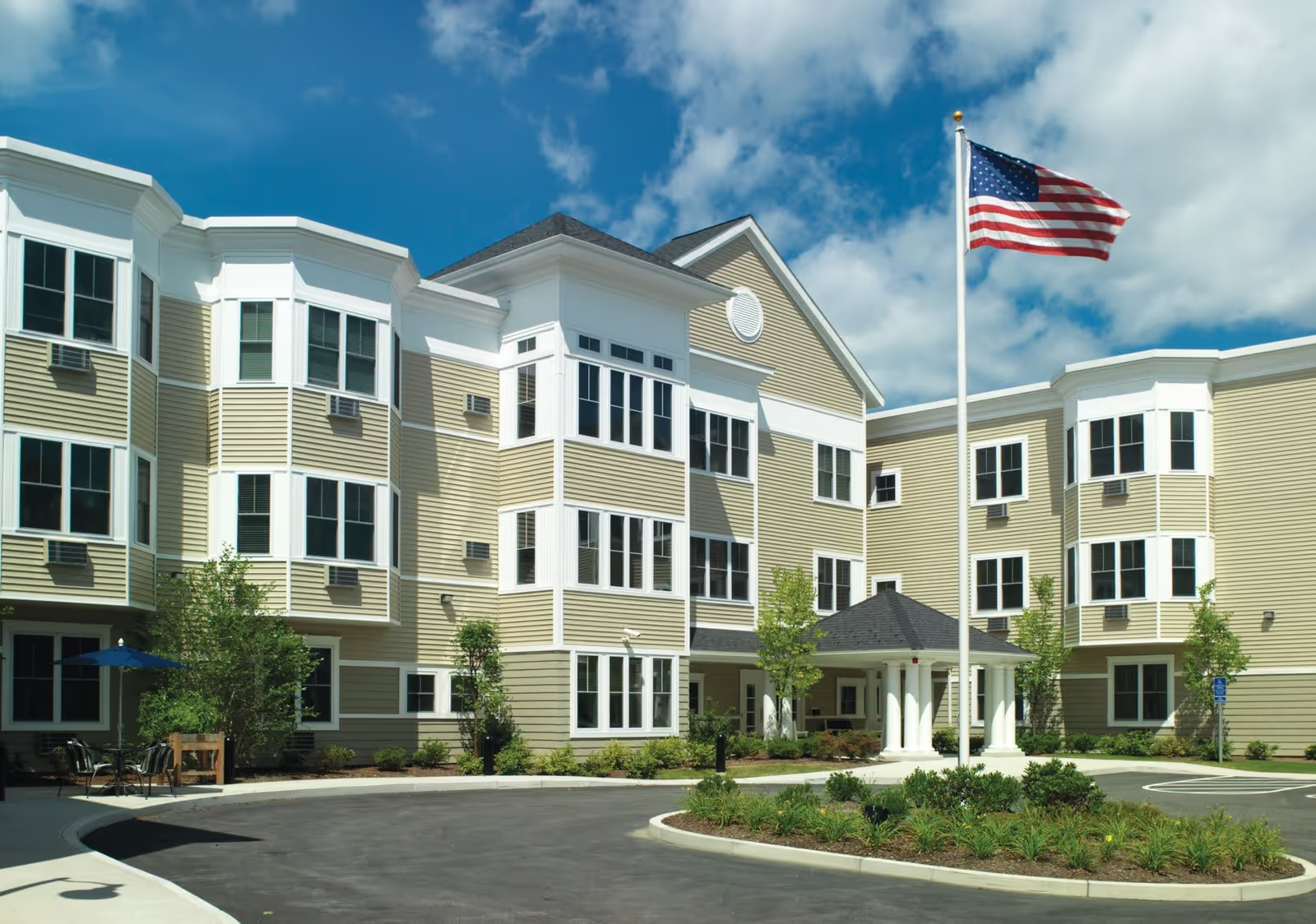
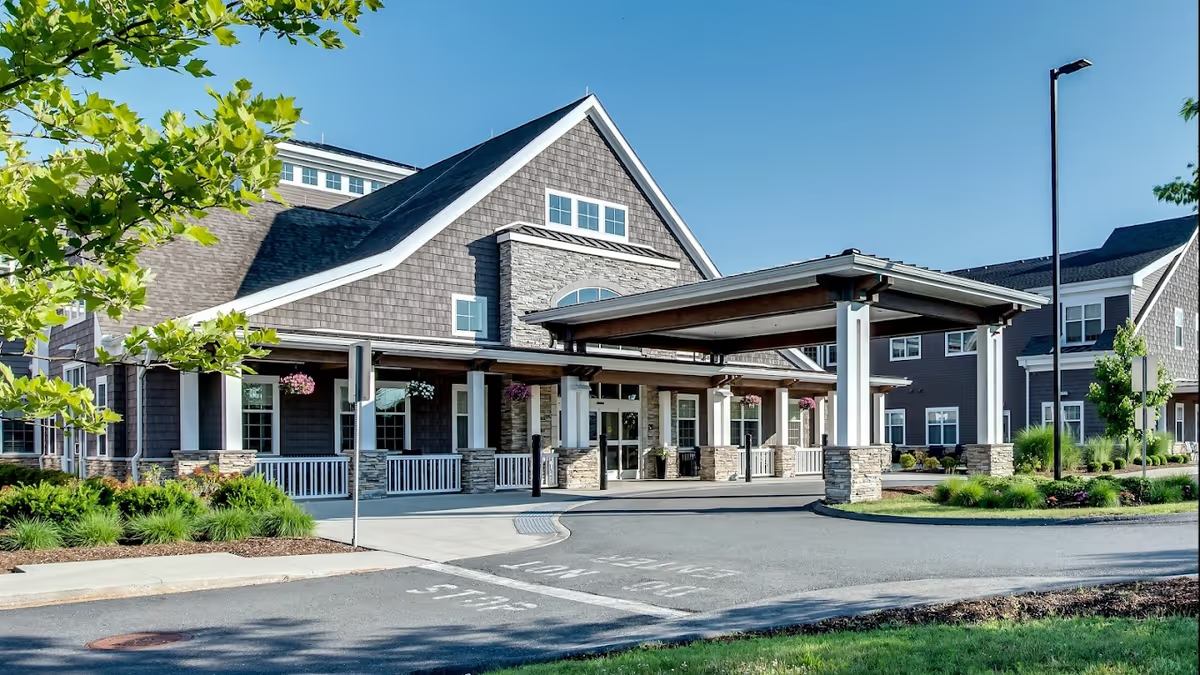
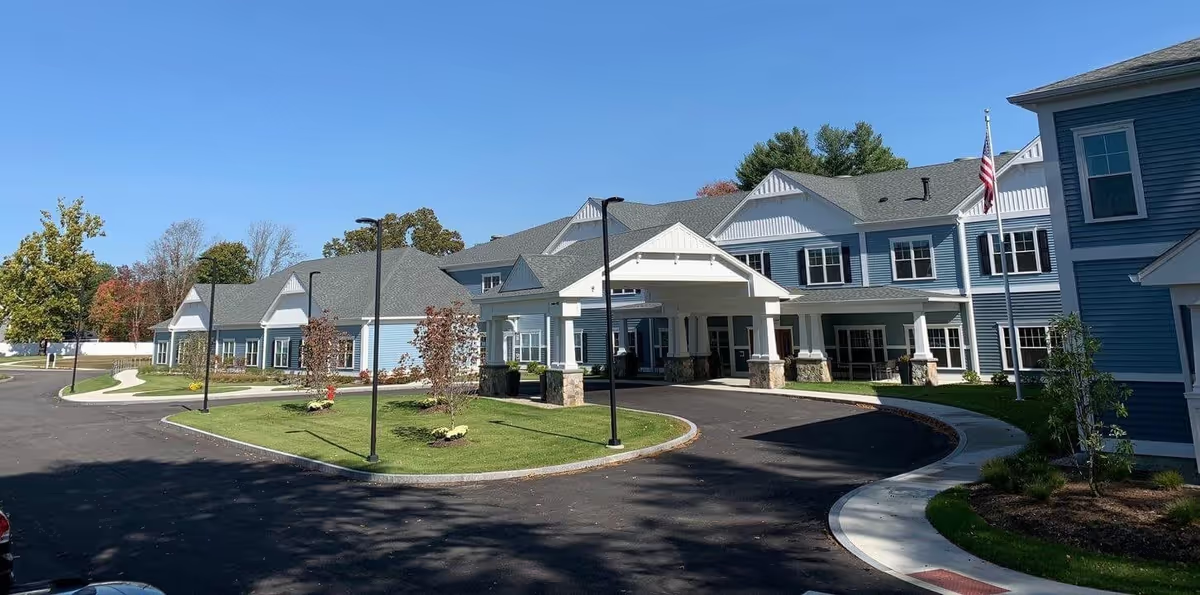
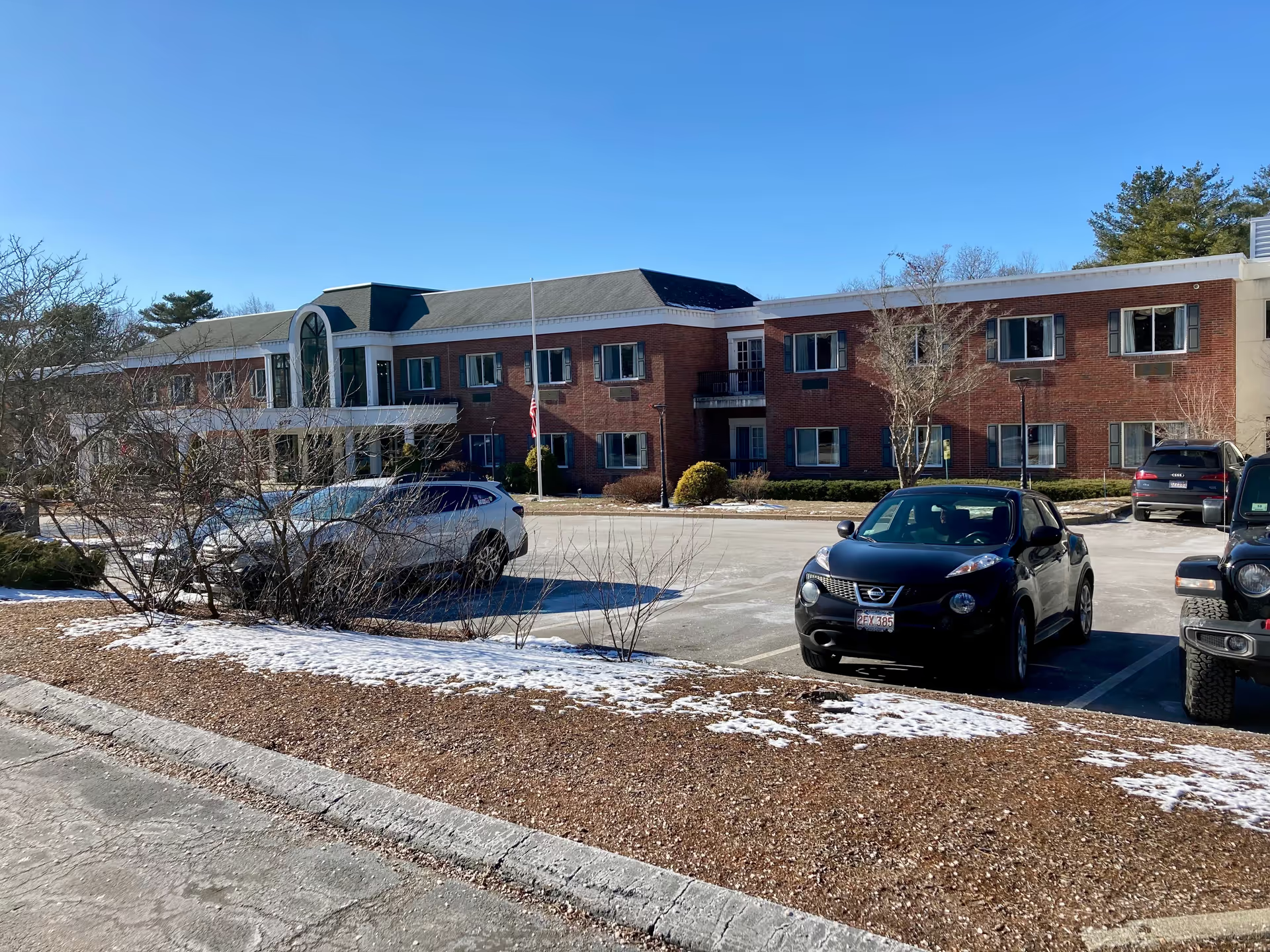
In summary, Reservoir Center demonstrates strengths in rehabilitation, certain clinical staff members, and a generally well-kept physical environment. However, the pattern of inconsistent responsiveness, personal-care schedule adherence, meal/dietary reliability, and gaps in clinical follow-up and family communication are notable. Prospective residents and family members should directly inquire about current staffing levels, call-response metrics, incontinence and bathing schedules, diet-management protocols, infection-prevention procedures, and the facility’s process for investigating and resolving serious conduct concerns before making a placement decision.