Overall impression: The facility is frequently described as a strong short-term rehabilitation center with notable strengths in occupational, physical, and speech therapies. Therapy teams receive consistent praise for skill and outcomes, and many families described successful discharges following rehab. Daytime clinical staff and physicians are often characterized as attentive, and several reviewers noted helpful support from the administration and social-work teams.
Care quality and staffing: Reviews indicate mixed performance in nursing and day-to-day clinical care. While daytime nursing and therapy interactions are often positive, reviewers described inconsistent nursing follow-through and chronic understaffing, especially overnight and after-hours. These operational shortfalls are associated with delayed responses to calls, delays in incident assessments (including falls), and concerns about medication administration and wound-assessment timeliness. A number of families described situations that required higher-level care after gaps in medication or wound management; these accounts suggest variability in clinical oversight rather than uniform practice across units.
Dining and activities: Dining receives mixed feedback. Some residents and families enjoyed meals and the dining spaces, while others found food bland, the menu limited, and meal timing inflexible (for example, early dinner times and limited overnight snack availability). The activities program is frequently cited as a positive feature: an active activities director and a range of programs were valued by many residents, although a few reviewers felt activity frequency or variety was insufficient.
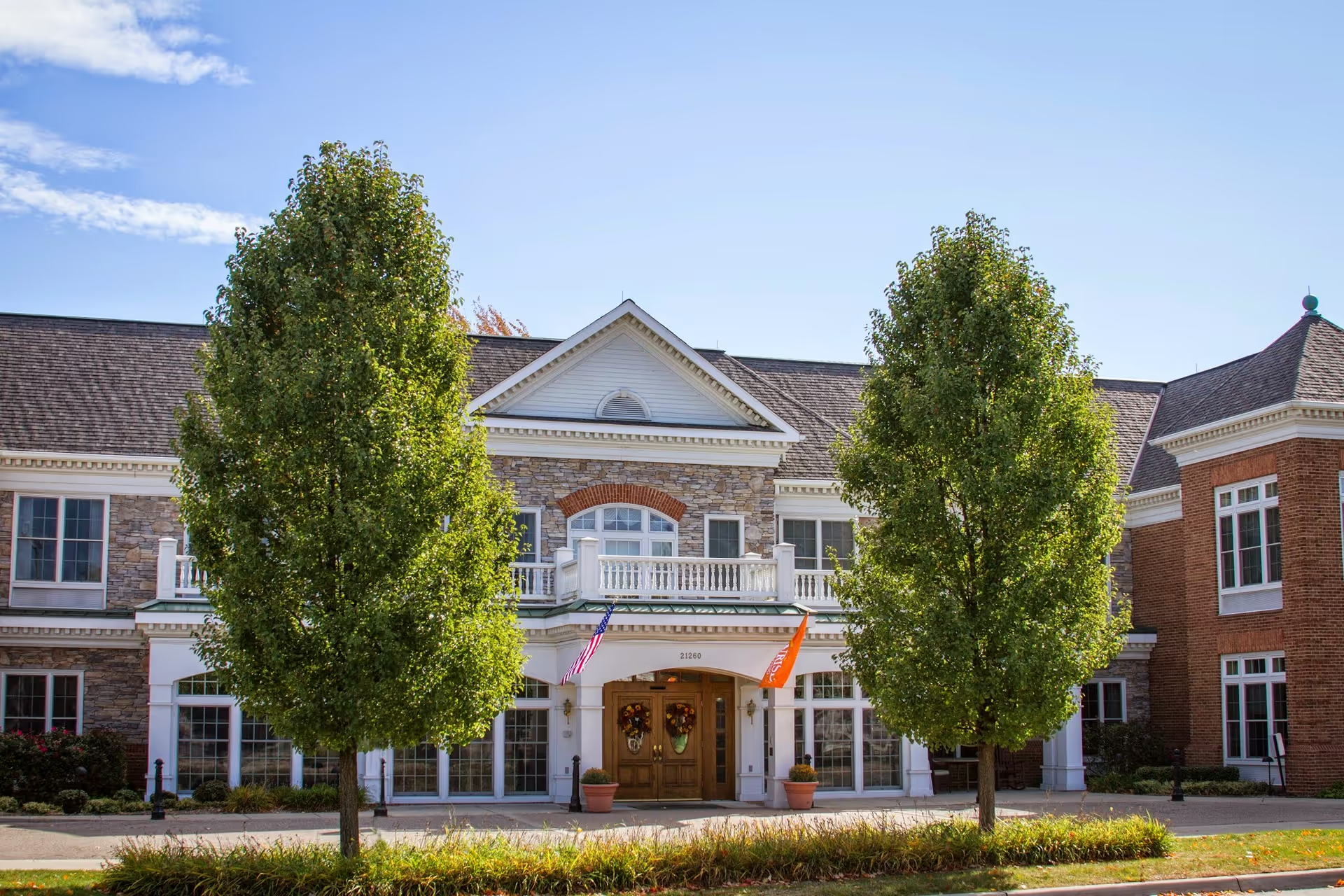
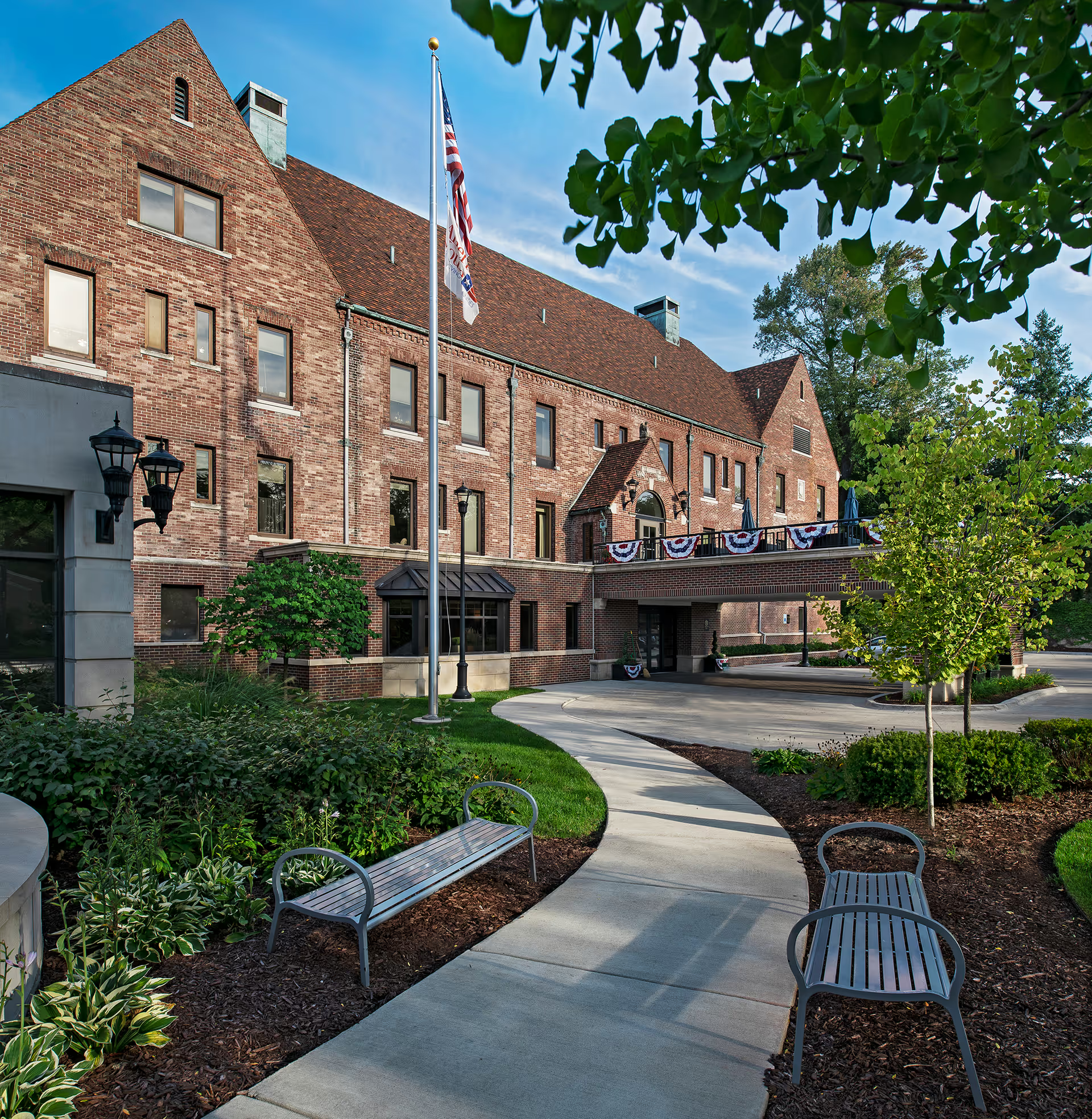
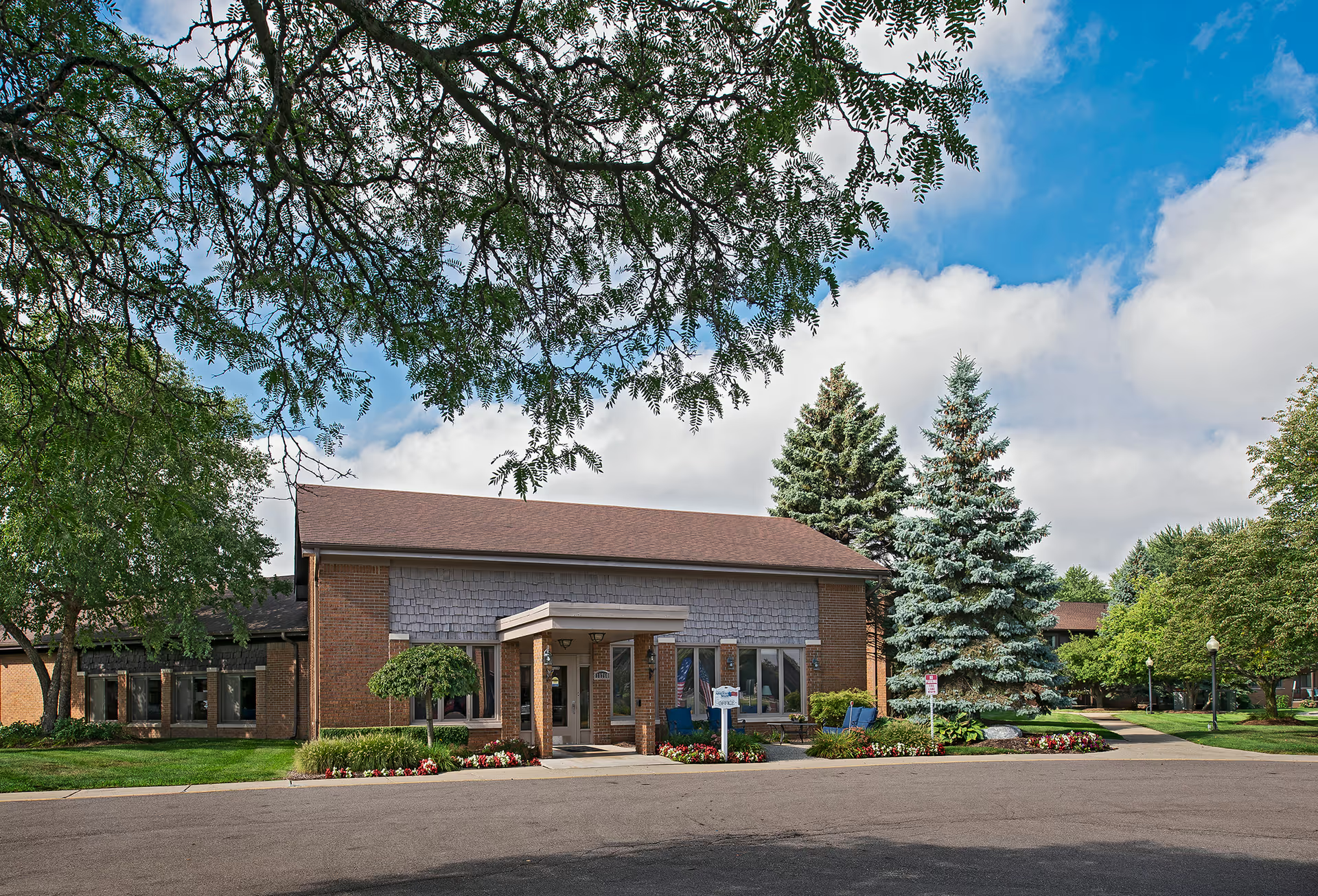
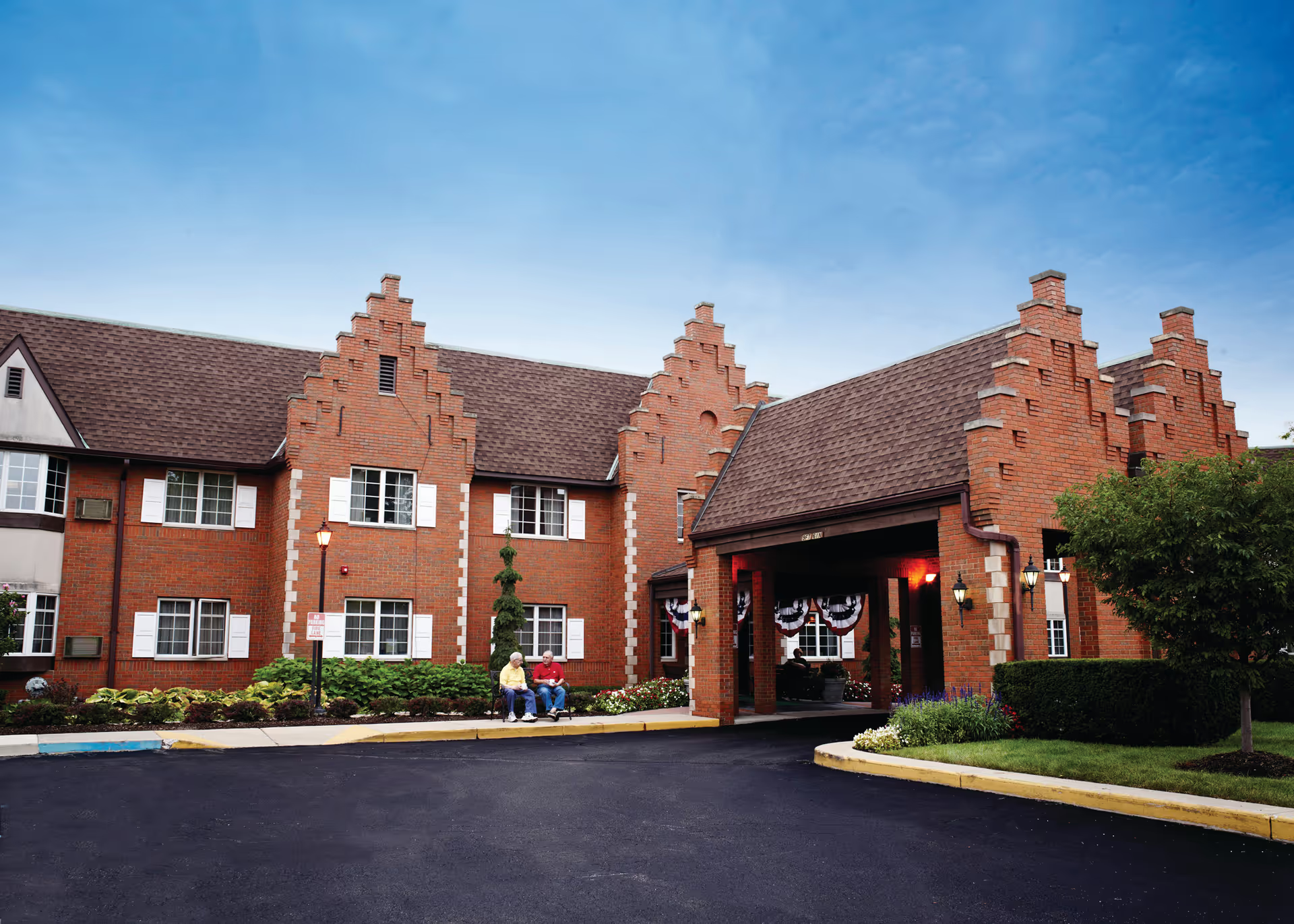
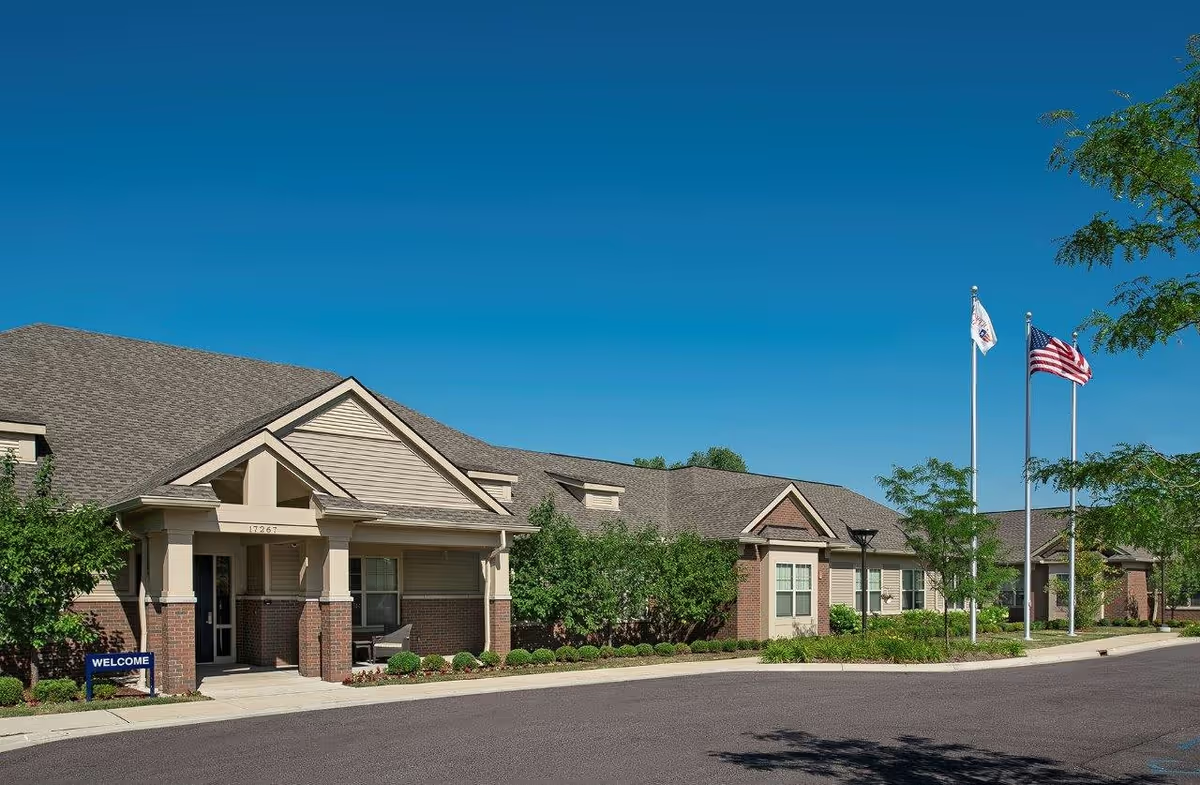
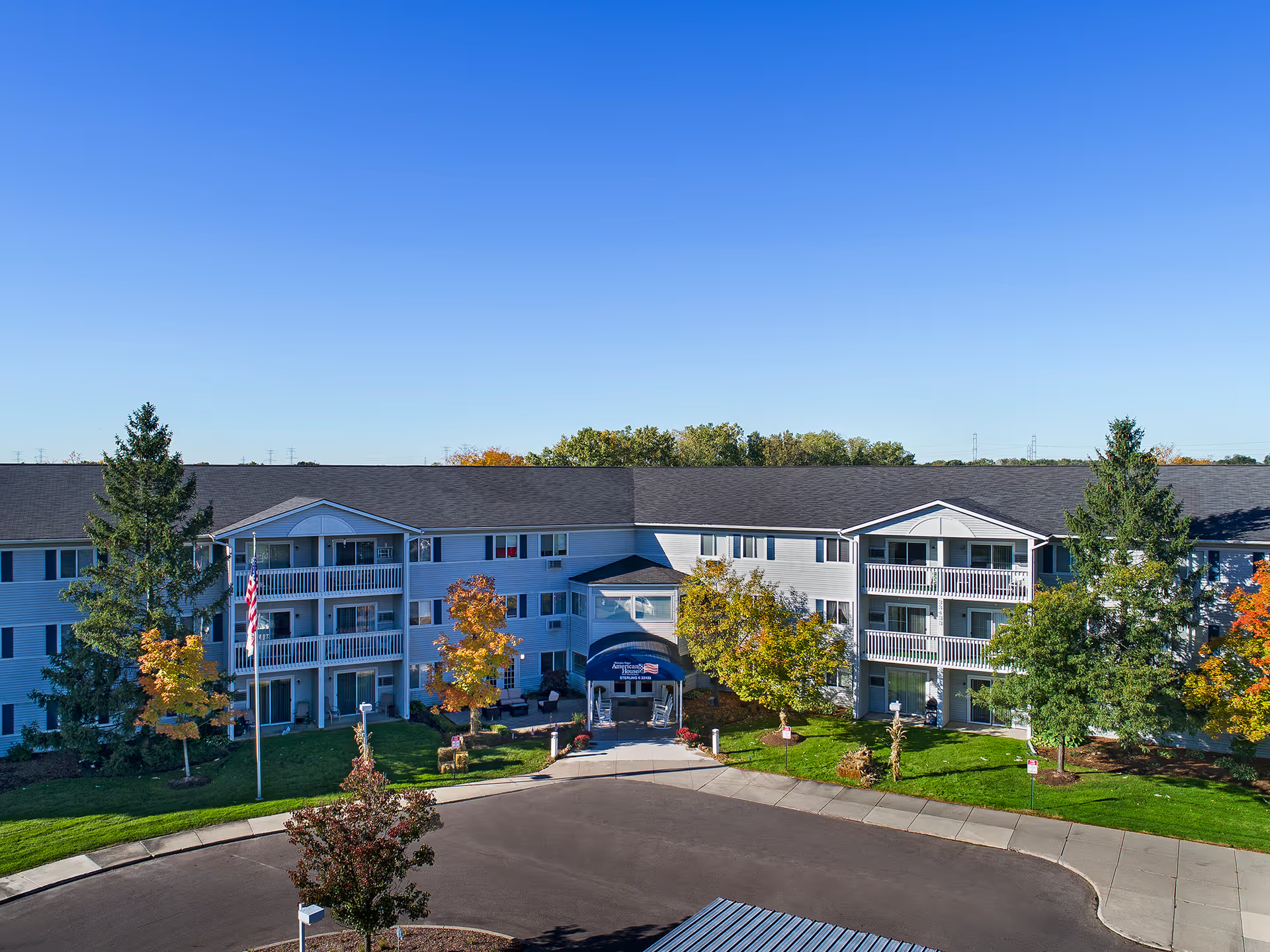
Facilities and amenities: Perspectives on the physical plant are mixed. Several reviewers praised pleasant common areas, plush seating, and a convenient central location, creating a visitor-friendly environment for rehabilitation stays. Conversely, others described older-looking rooms, limited in-room amenities, insufficient chairs or equipment in communal/therapy spaces, and localized cleanliness or odor concerns. These differences suggest variability between wings or units rather than a single uniform condition across the campus.
Management and communication: Administrative responsiveness appears variable. Some families found administrators and social workers helpful and communicative; others experienced difficulty reaching clinicians after hours, encountered short-notice discharge expectations, or perceived inconsistent follow-through from management. These patterns point to operational communication gaps between staff, families, and on-call physicians during non-daytime hours.
Notable patterns and takeaways: The clearest, consistent strength is the rehabilitation program and therapy staff; prospective residents seeking short-term rehab may benefit from that focus. The most recurrent operational weaknesses involve nursing consistency, overnight staffing levels, medication and wound-care processes, and variable dining and cleanliness standards. Families considering this facility should ask targeted questions about current staffing levels for the unit and shift of interest, medication- and wound-care protocols, after-hours communication procedures, and the specific condition of rooms and communal areas during a site visit.