Special Tree: NeuroCare Center is consistently described as a strong specialty provider for neurorehabilitation. Many families and patients praise the therapy programs — physical, occupational, and speech — and the facility’s emphasis on restorative, rehabilitation-focused care. Reviewers frequently highlight measurable functional gains, effective discharge planning with outpatient follow-up, and a comprehensive continuum that can include acute and post-acute services.
Therapy and clinical rehabilitation stand out as primary strengths. Reviewers note dedicated therapists, individualized care plans, and therapy teams with deep neurorehabilitation knowledge. These elements are credited with meaningful recovery progress and successful transitions home. The facility’s activity offerings and unique programs (equine therapy, horticulture/greenhouse access, and specialty recreational activities) are repeatedly mentioned as beneficial for engagement and morale.
At the same time, reviews indicate variability in nursing and direct-care performance. Concerns include inconsistent bedside care, gaps in routine clinical monitoring and wound-care follow-up, and, in some cases, delays in escalation to emergency services. These issues appear unevenly distributed: some families describe attentive, thorough nursing and clean rooms, while others experienced lapses in responsiveness and follow-up care. Housekeeping and sanitation practices are similarly described as generally good by many, but inconsistent in certain areas according to some families.
Staff culture is described in largely positive terms around therapy teams and many front-line caregivers — compassionate, knowledgeable, and collaborative — and the admissions process is often noted as supportive. However, reviewers also report variability in staff conduct and communication style; examples include curt or disrespectful interactions and perceived inattentiveness. A few reviews raised serious concerns about professional conduct and administrative actions, including an isolated claim involving guardianship; these are described here as allegations that deserve direct inquiry with facility leadership.
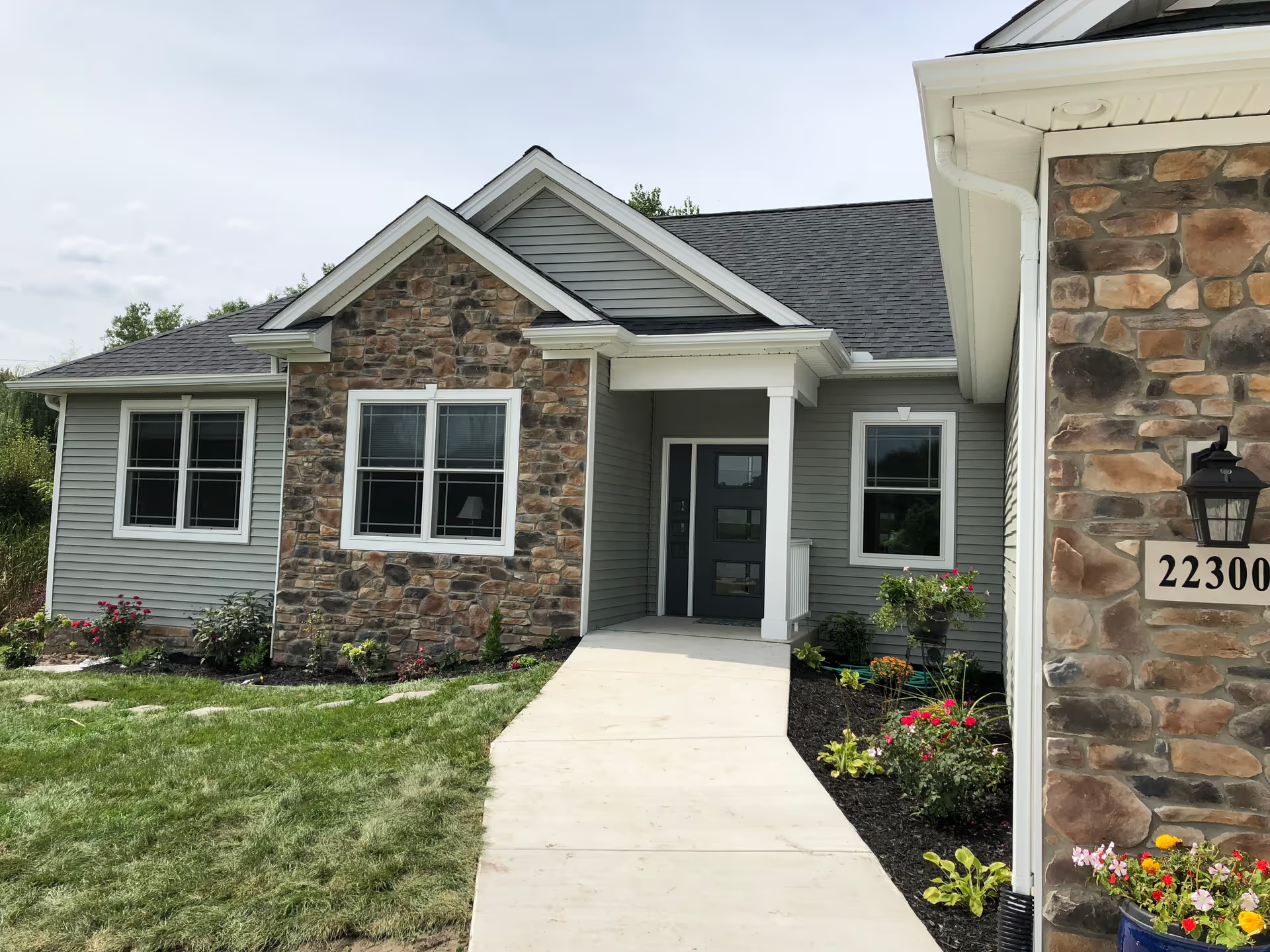
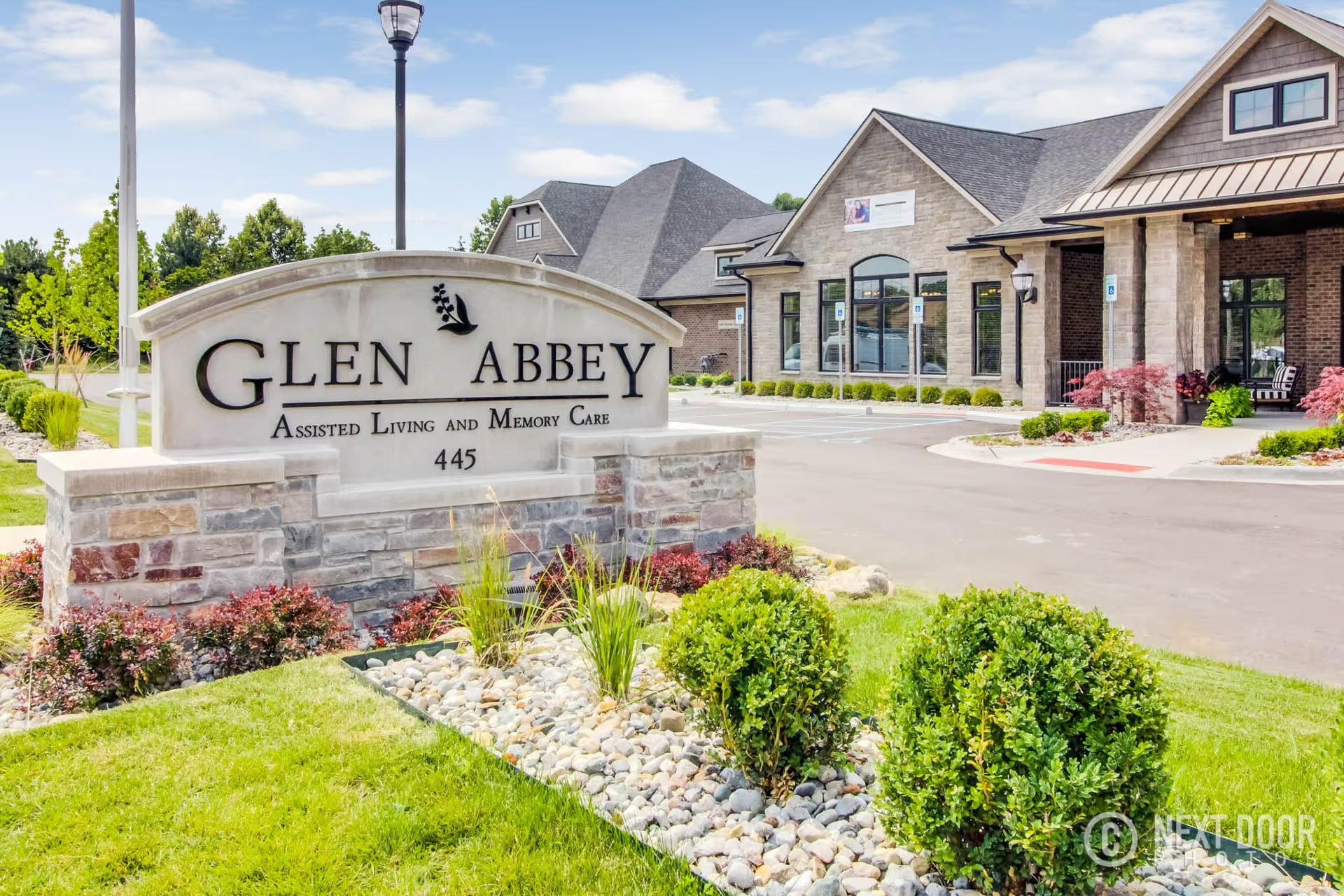
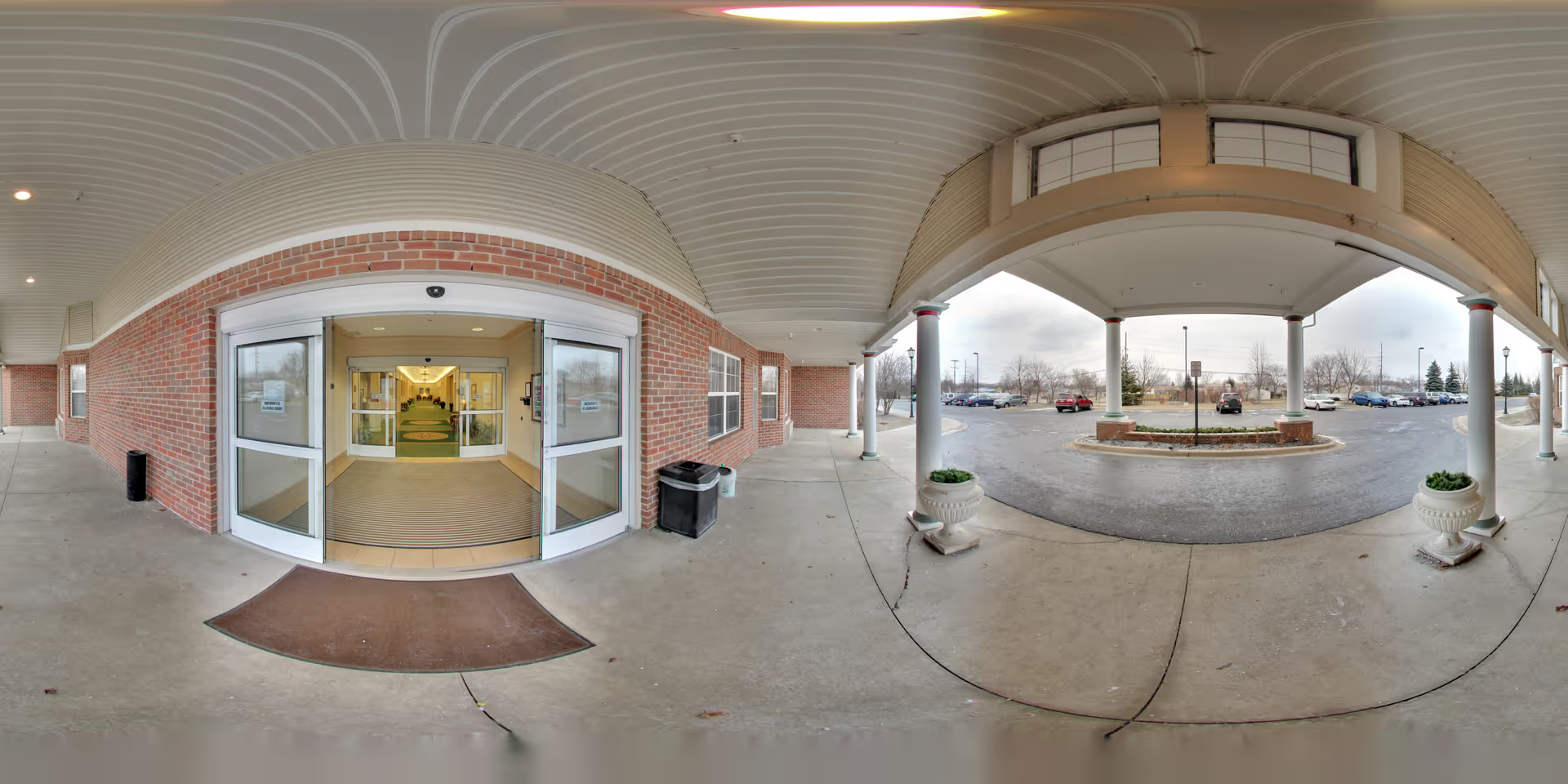
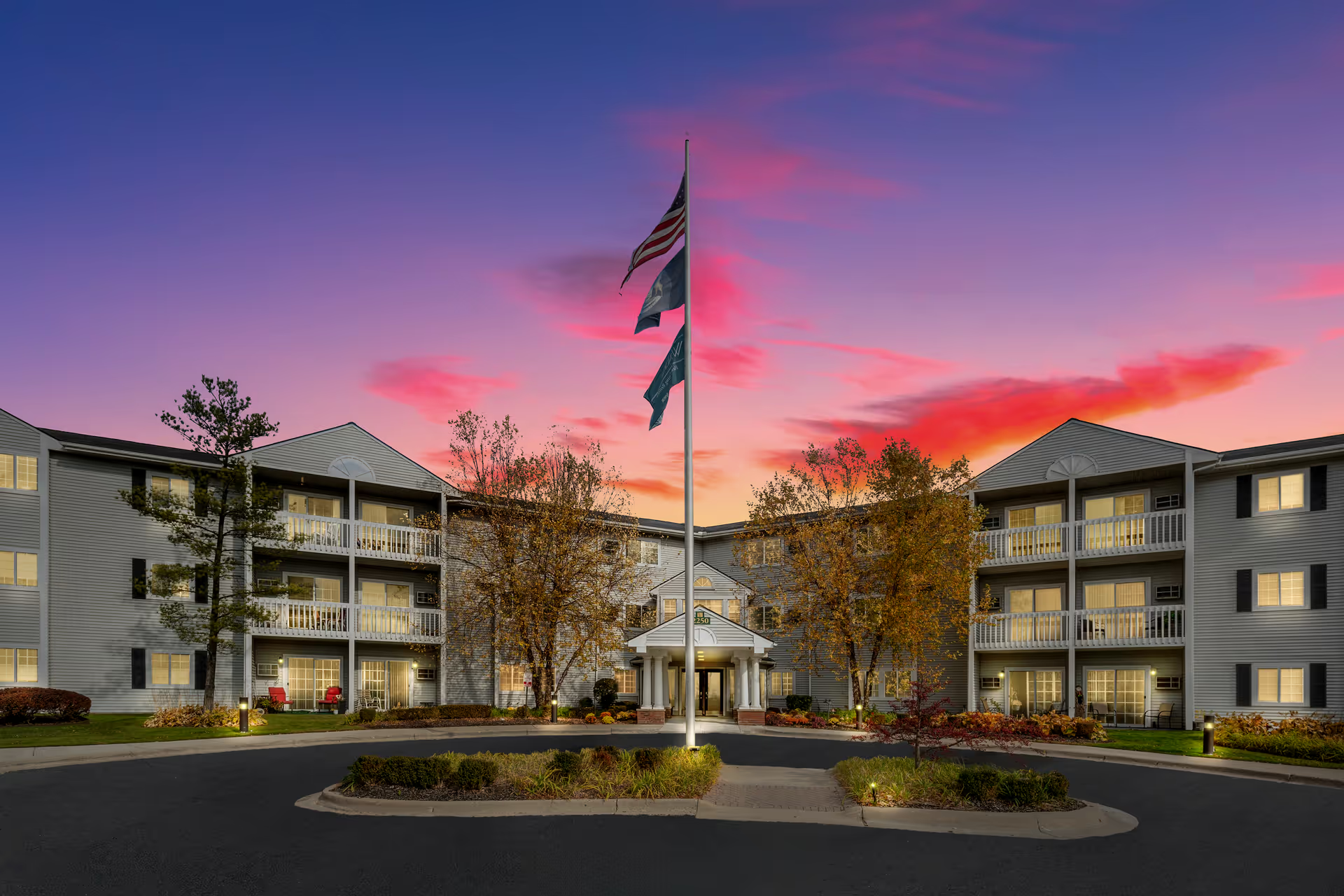
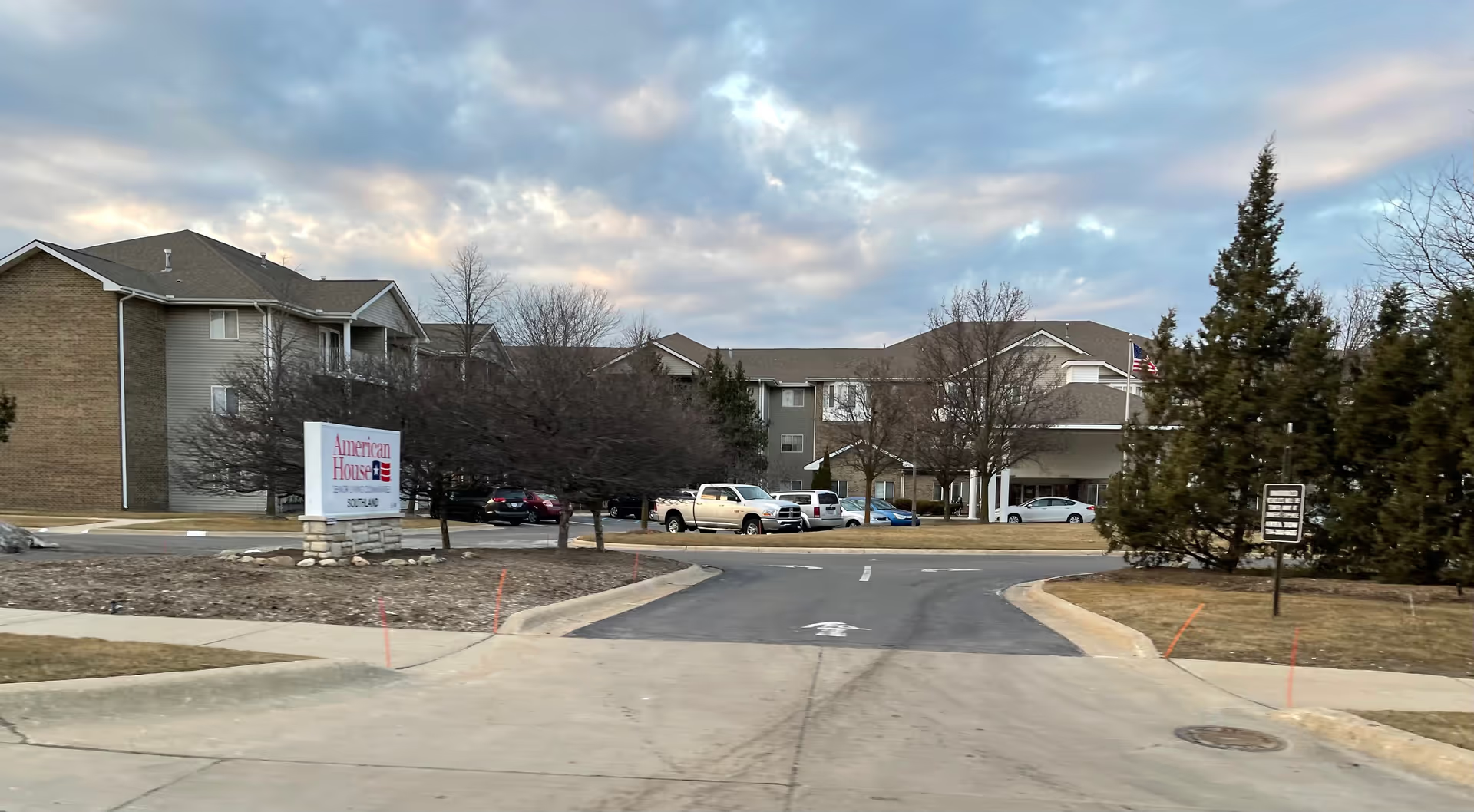
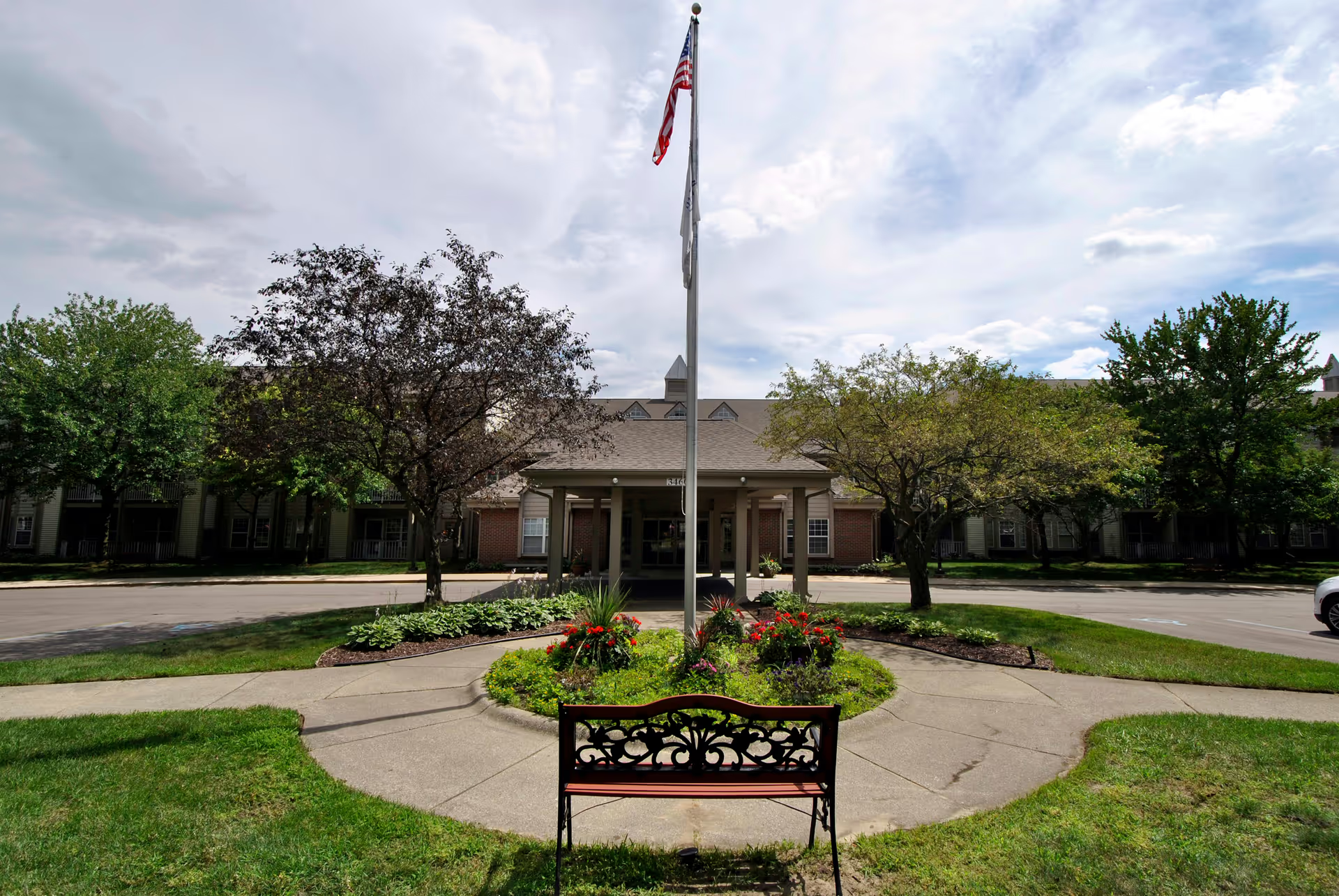
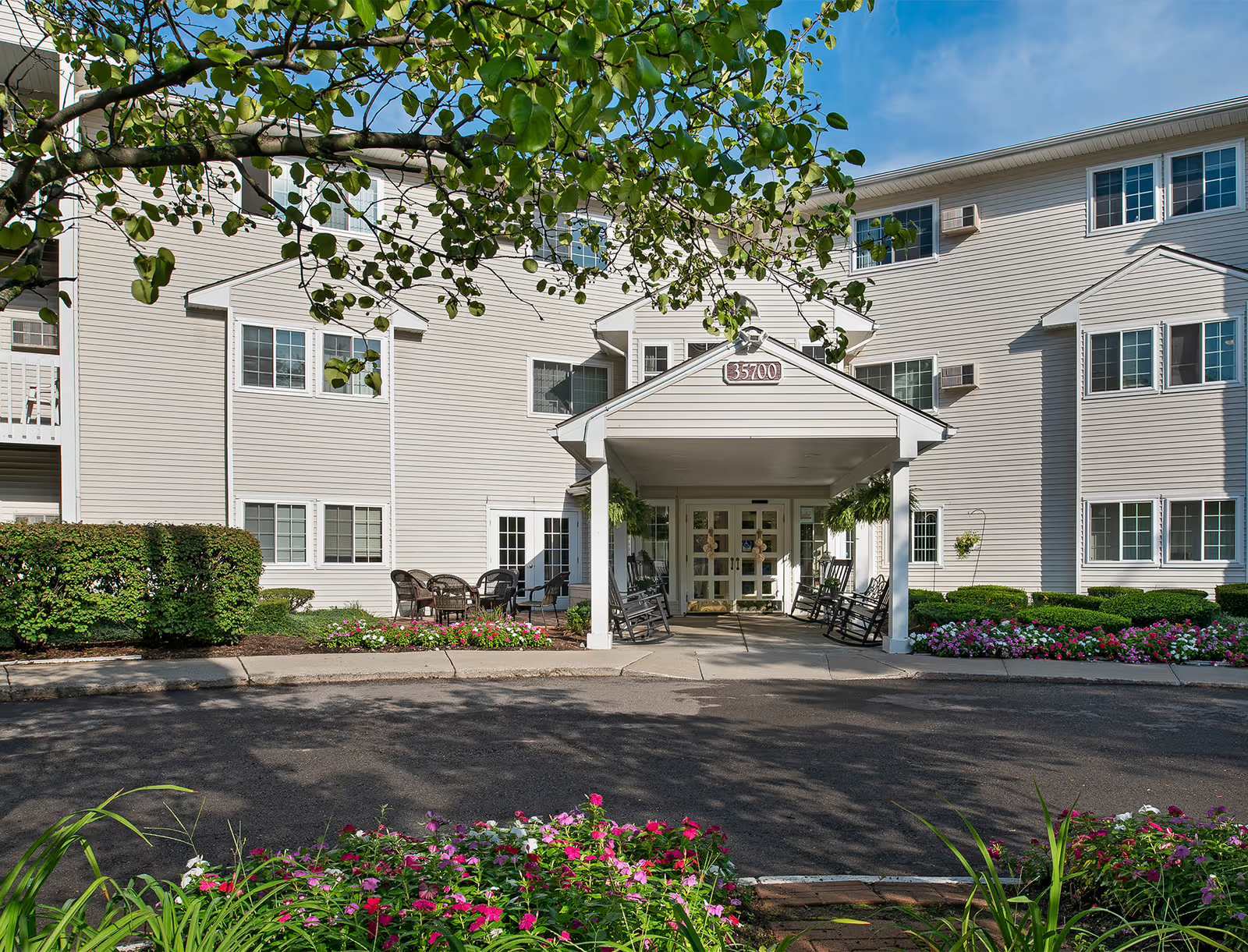
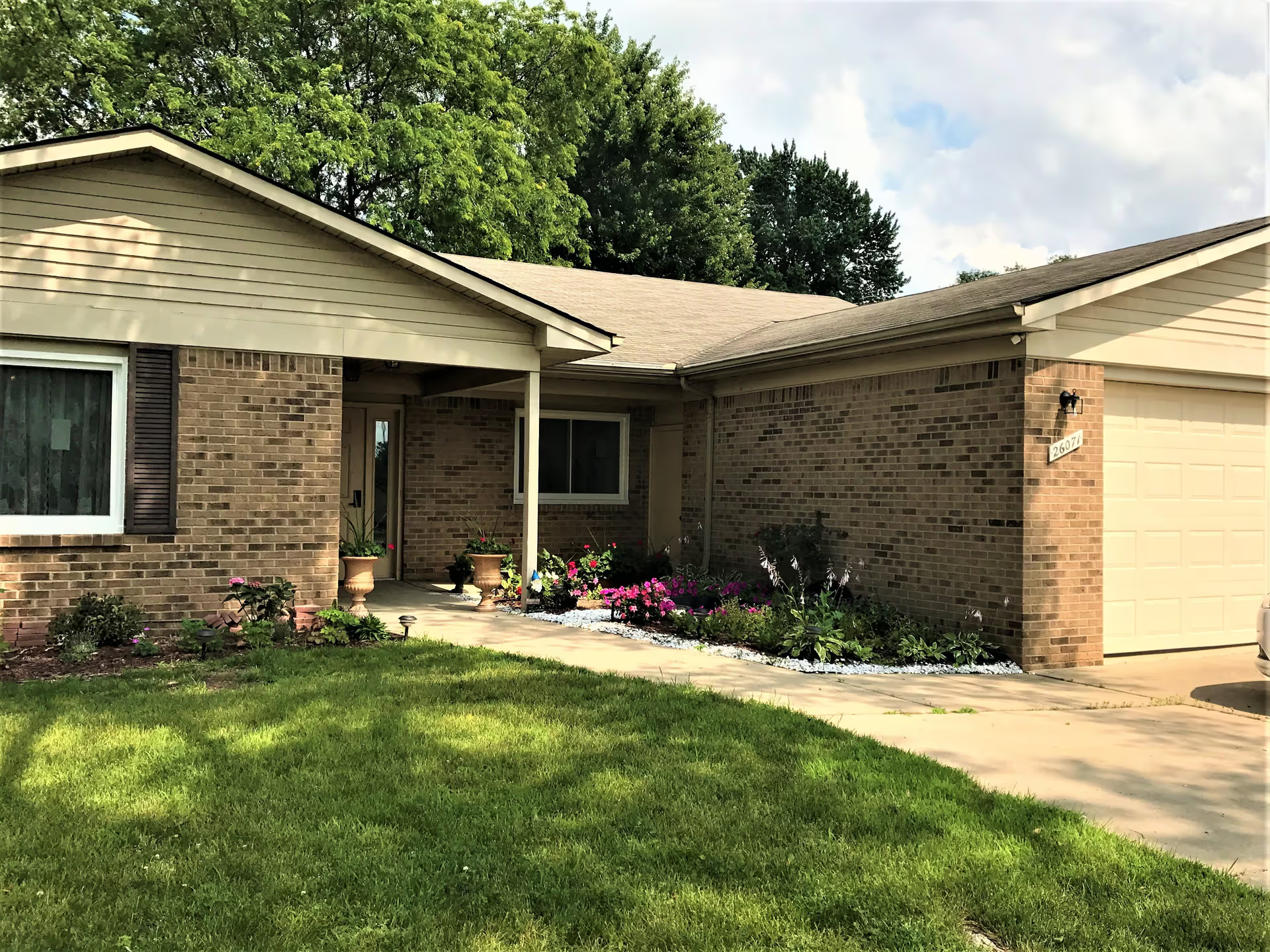
Dining receives little specific comment in the available summaries, so no clear pattern emerges for meal quality or menu variety. Facilities and grounds are frequently praised as clean and attractive, with several reviewers calling out the setting and recreational spaces positively. Management is often characterized as responsive to feedback and engaged in supporting therapy outcomes, though perceptions of management priorities and staff-treatment practices vary across reviewers.
Notable patterns for prospective residents and families: the center’s neurorehabilitation and therapy capabilities are a central strength and lead to positive functional outcomes for many patients. Before admission, families should ask targeted questions about nursing ratios, protocols for wound care and monitoring, escalation procedures for medical events, and examples of how the facility addresses communication concerns. Visiting the unit, meeting therapy and nursing leads, and reviewing recent quality or incident-response practices can help assess whether the facility’s operational consistency matches the generally strong therapeutic reputation.