The Estates at Twin Rivers presents a mixed profile: reviewers repeatedly identify individual caregivers who provide compassionate, attentive care, but describe broader operational shortcomings that affect overall resident experience. Care quality appears uneven. While some nurses and aides are praised for their dedication, there are recurring concerns about staffing ratios, delays in response to call lights and assistance requests, inconsistent medication timing/administration, and lapses in incontinence and bathing schedules. Families also raised issues related to end-of-life care management and transfer safety, indicating variability in clinical and safety processes.
Staffing and interpersonal interactions are a central pattern. Multiple accounts note helpful, caring direct-care staff and nurses who improve residents' daily life; however, these positive interactions coexist with reports of understaffing, inconsistent professional conduct, and variable training. Communication with families and during care conferences is described as difficult at times, and there are examples of dismissive or poorly managed exchanges. Staffing shortfalls appear linked to service delays, transport wait times, and inconsistent follow-through on routine care tasks.
Dining and daily programming appear uneven. Several reviewers described meals as unappealing and sometimes served cold, and there are general references to quality-control issues in food service. Activity offerings are not well described in the available feedback, so prospective families should verify programming and engagement options during a visit.
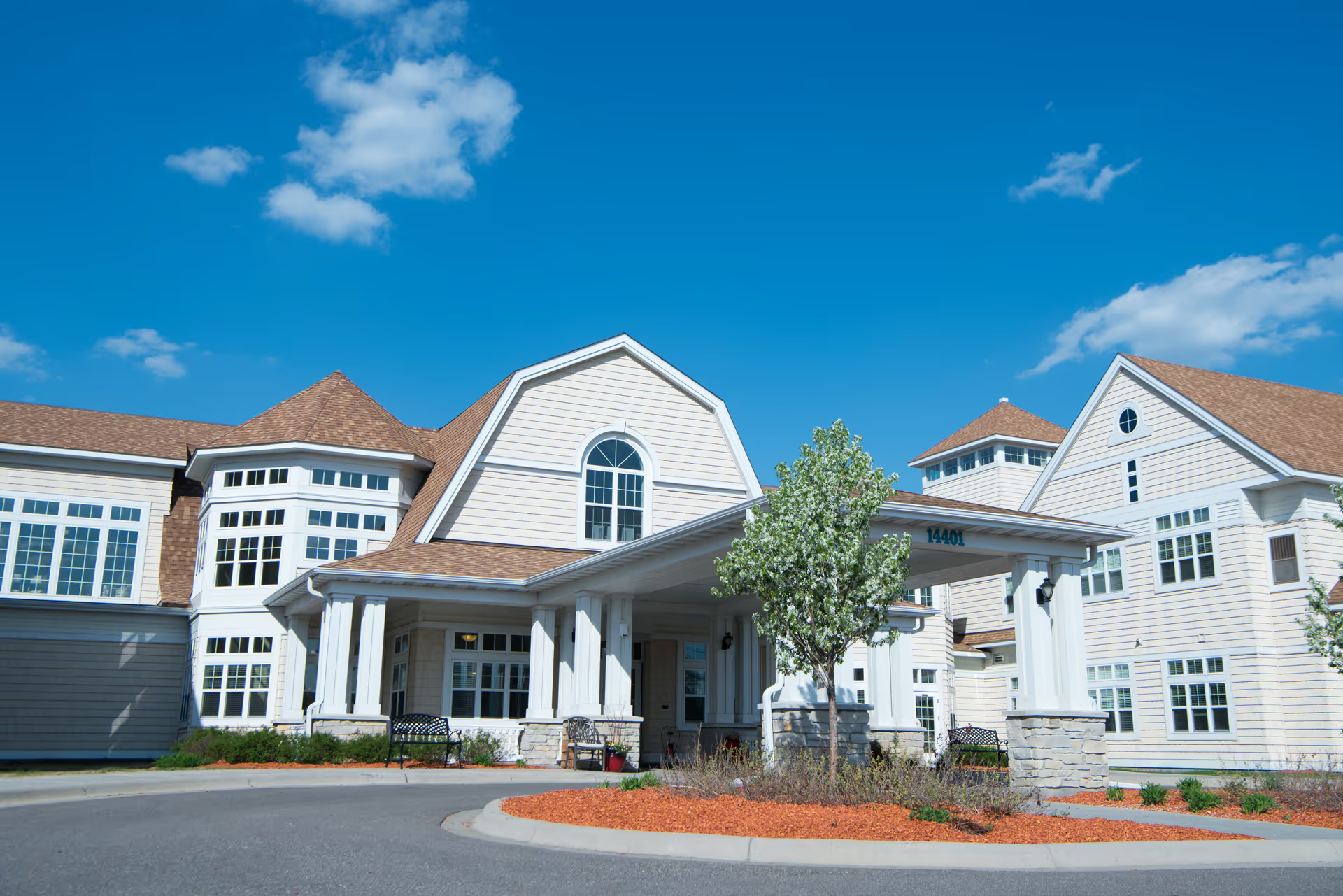
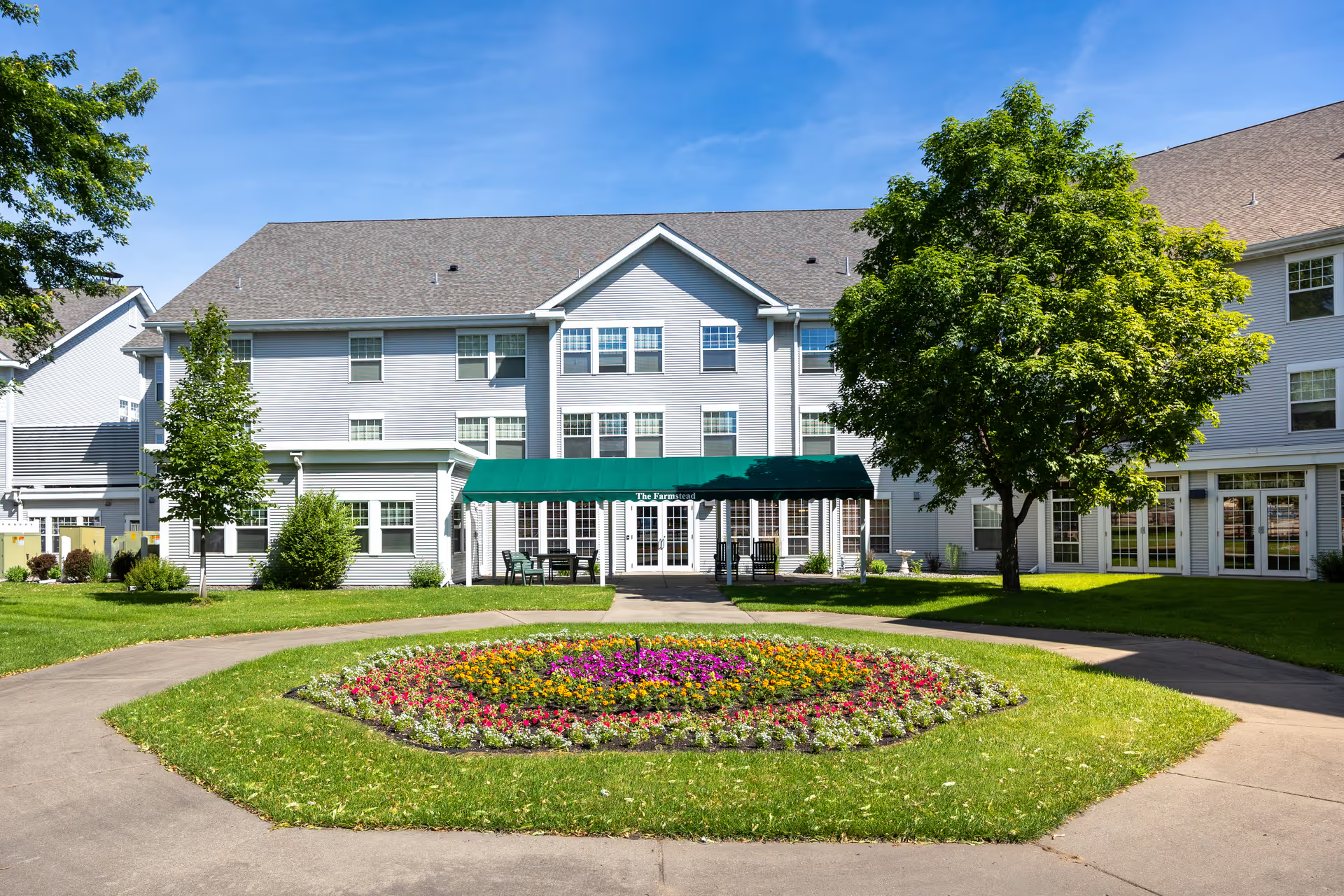
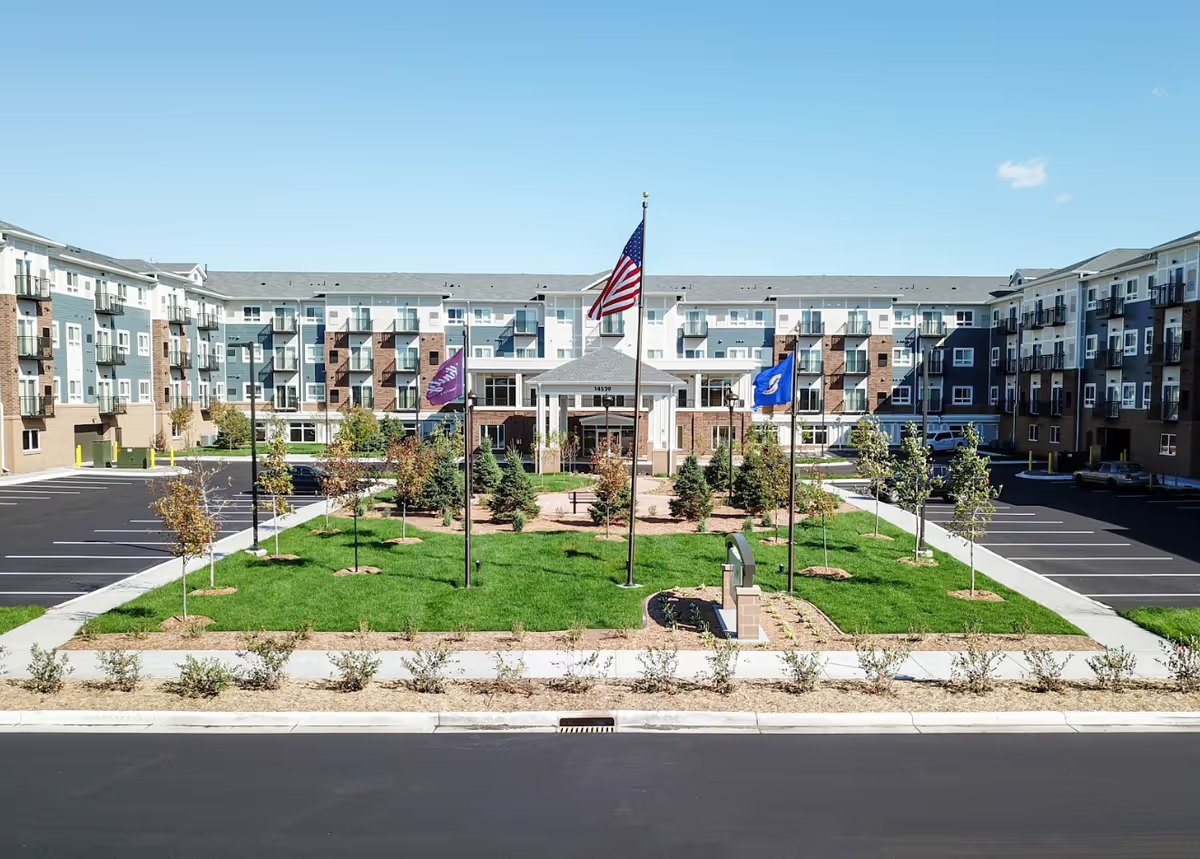
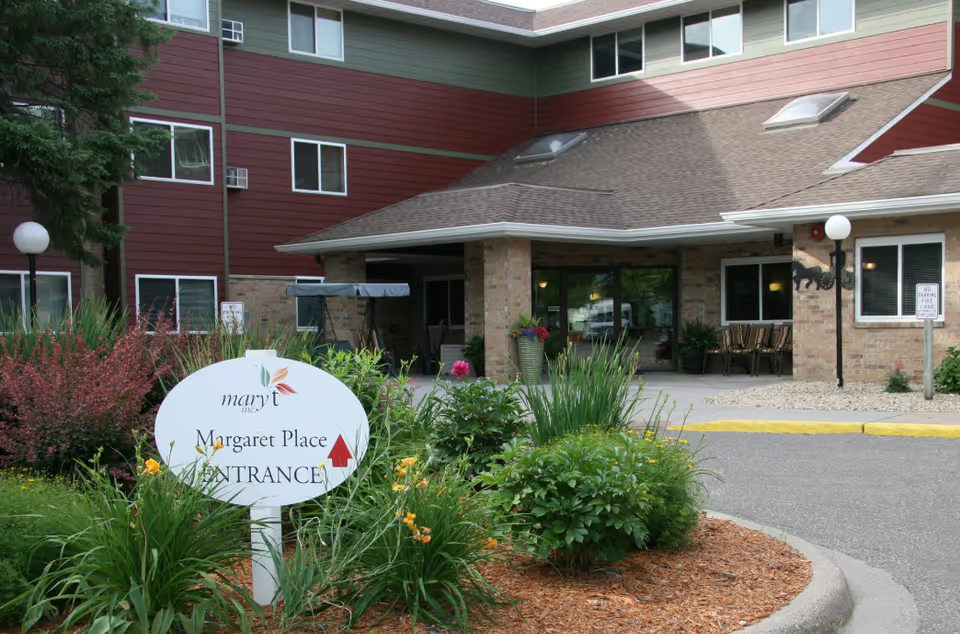
The physical environment and facilities show multiple areas of concern. Reviewers report inadequate climate control (notably lack of effective air conditioning), small and crowded resident rooms with limited privacy, shared bathrooms in some units, and odor-management problems including smoking permitted near entrances. Equipment reliability is inconsistent: examples include nonfunctional call buttons, lamps, and delays in wheelchair transport. Accessibility and safety issues were noted—narrow doors, tight bathroom layouts, and questions about sprinkler placement and emergency egress—suggesting the need to evaluate the building for individual mobility and safety needs.
Management and operational oversight are described as uneven. Comments reference inconsistent policies, slow responsiveness from administrative staff, and perceived lapses in quality-control processes. These management-level weaknesses appear to contribute to problems with medication consistency, housekeeping standards, and timely service delivery.
For families considering this facility: arrange an on-site visit during a mealtime and a care shift change to observe staffing levels, call-button response times, and staff–resident interactions. Ask specific questions about staffing ratios, medication-administration protocols, incontinence- and bathing schedules, HVAC and smoking policies, equipment maintenance routines, and emergency/safety features. Request documentation of recent inspection or complaint history and, if possible, speak directly with current residents’ families about their experience. The facility has individual staff strengths, but prospective residents should verify that operational and oversight issues are addressed to meet their care and safety expectations.