Overall impression: Reviews reflect a facility with clear strengths in rehabilitative care, therapy services, and family communication, paired with recurring operational concerns that prospective families should evaluate. Many families praised the therapy teams, nursing attention, and on-site physician support that contributed to measurable recovery and smooth transitions. The facility's newer, well-kept interior, activity programming, spiritual services, and some distinctive amenities (such as an on-site ice cream parlor and garden areas) were frequently highlighted as contributors to a welcoming, home-like environment.
Care and staff: Care quality is described as strong in the areas of rehabilitation and physical therapy, with several accounts of positive functional outcomes and proactive recovery plans. Nursing staff and individual caregivers are commonly characterized as compassionate, knowledgeable, and communicative; social workers and administrators also received praise for family updates and Medicaid/finance guidance. At the same time, multiple reviews raise operational concerns: inconsistent staffing levels and high resident-to-staff ratios, uneven responsiveness to clinical needs, and instances of problematic staff conduct or communication tone. These themes point to variability in day-to-day care delivery that may affect clinical oversight and timely assistance for some residents.
Dining and activities: The facility offers a full activities calendar (bingo, music, group sessions, religious services) and many reviewers described well-run, engaging programming. Meals and food service receive generally favorable comments, with some families noting good food and supportive dining staff; however, others reported inconsistent meal quality and policies that felt restrictive or uneven in application. Activity participation also varies by resident; while many find the social options beneficial, not all residents engage consistently.
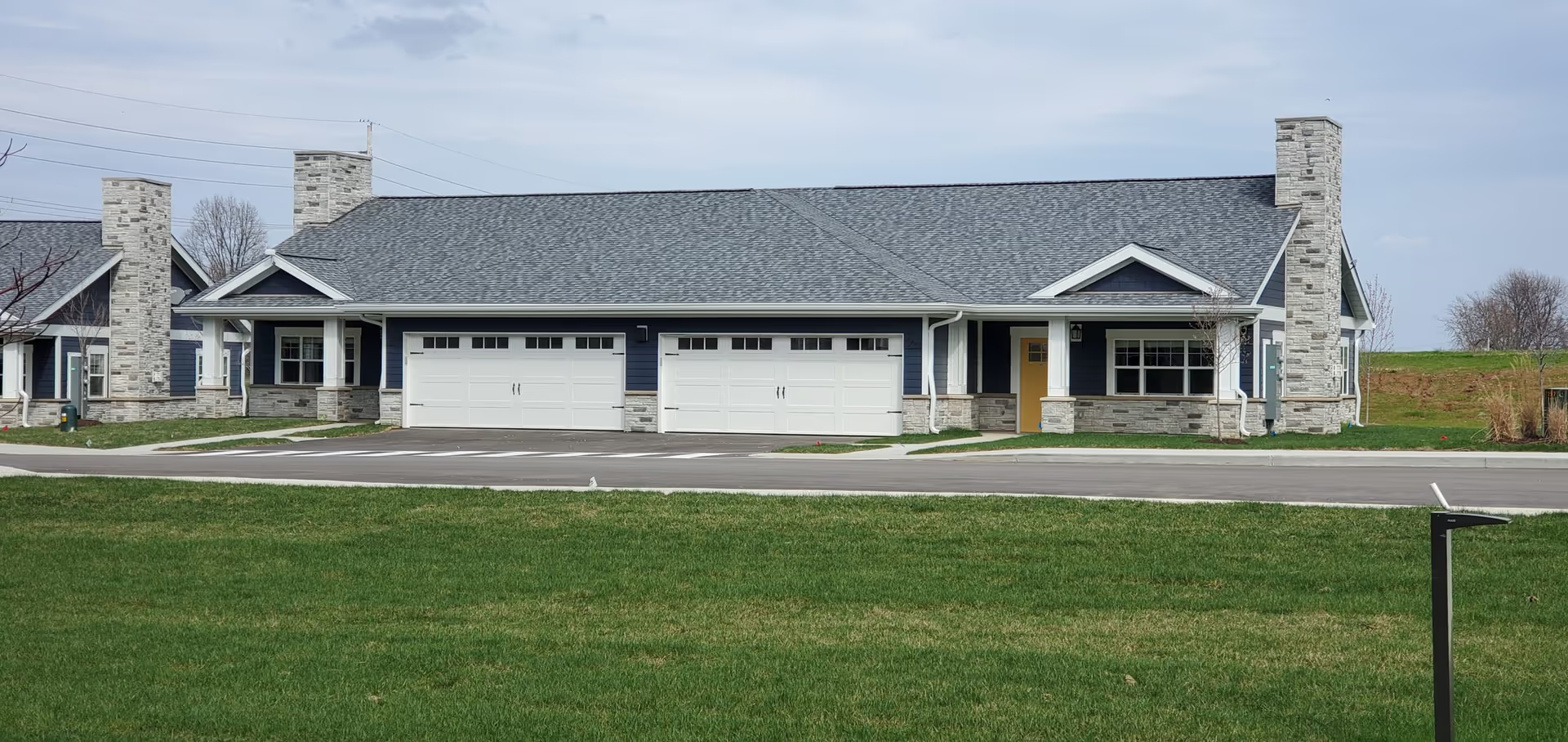
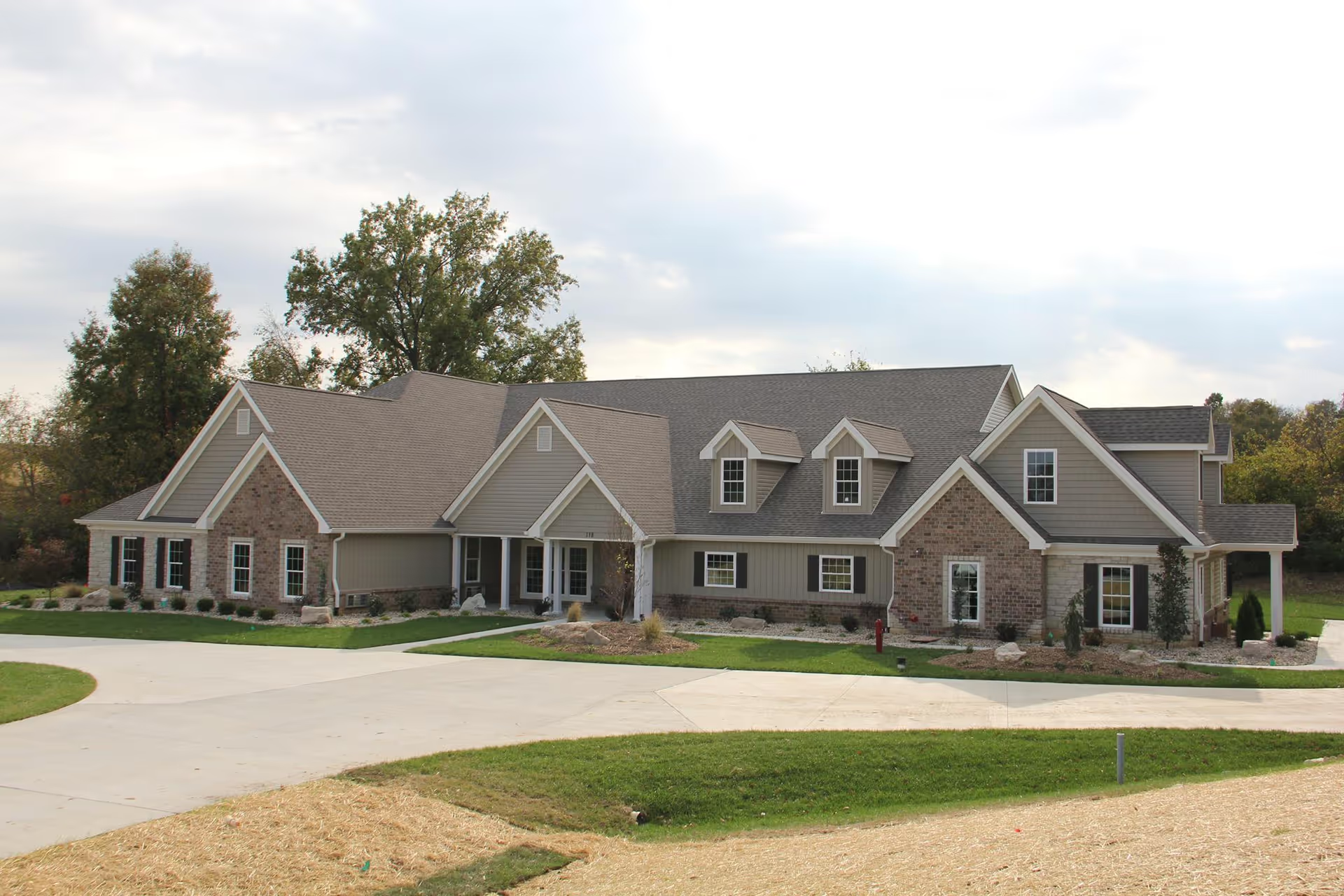
Facilities and logistics: Physical plant attributes include a clean, newer interior with outdoor garden and visitor-friendly spaces. Common concerns relate to small, shared rooms and limited private-room availability, a compact memory-care unit with narrow corridors, inconsistent odor control in some areas, and constrained parking and curb appeal outside the building. These facility characteristics may influence comfort and accessibility, especially for longer stays.
Management and notable patterns: Administrative strengths cited include effective admissions coordination, professional billing, and Medicaid knowledge. Counterbalancing this, several reviews identify management and accountability inconsistencies, which reviewers linked to staff shortages, morale issues, and uneven enforcement of policies. There are also isolated but serious mentions of clinical events and subsequent hospital transfers; families should view these as indicators to probe clinical oversight, infection prevention, and escalation procedures during a tour.
Recommendation guidance: For individuals seeking short-term, rehab-focused care, the facility’s strong therapy program, attentive nursing support, and coordinated admissions are compelling. For families considering long-term placement, it is advisable to ask targeted questions about current staffing ratios, private-room availability, memory-care unit capacity and layout, dining policies, procedures for incontinence and sanitation care, and how management monitors and responds to care concerns. Observing staff–resident interactions during a visit and requesting recent staffing and incident-response protocols will help assess whether the facility’s operational practices align with a family’s expectations.