Reviews present a mixed but consistent pattern: families and residents repeatedly praise the frontline staff while also describing operational and infrastructure weaknesses. Positive comments emphasize compassionate, attentive nursing and caregiving teams, skilled physical and occupational therapy, and a small, family-like culture that some residents find comforting. Multiple accounts highlight a strong social work team that assists with benefits and discharge planning, and several families credited staff for effective transitions from hospital to facility. Rehabilitation progress and supportive therapy were frequently mentioned as strengths when therapy time was available.
Despite those strengths, a number of reviewers described reliability and process issues that affect day-to-day care. The most common operational concern is inconsistent responsiveness to call lights and delayed staff attendance, which reviewers linked to staffing shortages and continuity gaps. There are also concerns about staff conduct and communication tone in some interactions, in addition to isolated but significant gaps in clinical-incident response and timely diagnostics. These process issues have implications for safety and family confidence and are reflected in accounts of delayed imaging and slow follow-up after adverse events.
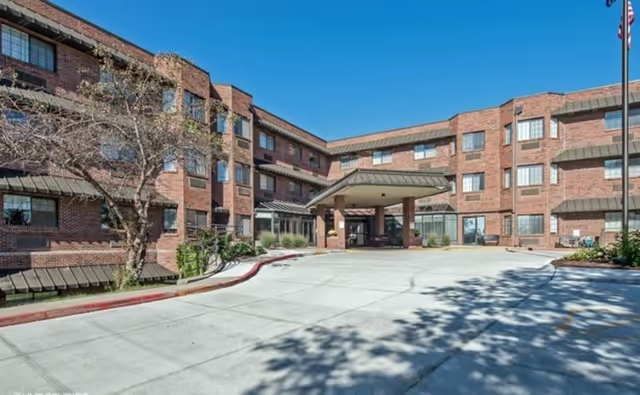
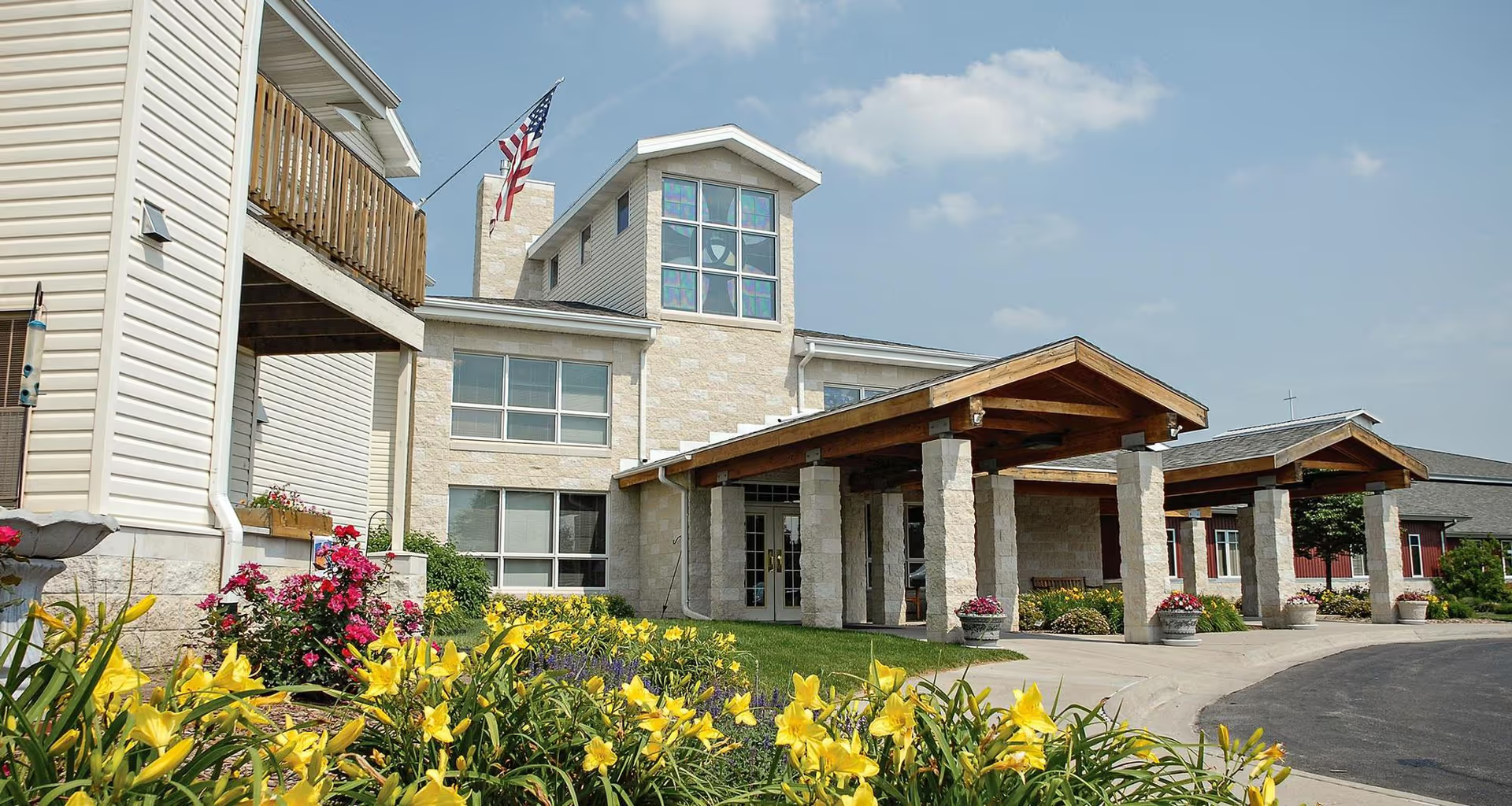
Dining and environmental factors are another recurring theme. Several reviewers reported uneven meal quality and inconsistent portioning, with particular concerns about temperature control and individualized dietary accommodations. Facility appearance and amenities were described as outdated by multiple families, and construction activity was noted as contributing to restricted communal access and disruption of routines. Cleanliness and laundry-management issues were raised for resident rooms and garments, indicating sanitation and operational housekeeping areas that warrant attention.
There is a clear polarity in the feedback: many families emphasize compassionate, skilled caregivers and a supportive activity program that fosters community engagement, while others highlight operational weaknesses—particularly around responsiveness, staffing, facility condition, and certain aspects of clinical follow-up. Prospective residents and families considering this facility should weigh the evident strengths of staff commitment and therapy capability against the pattern of service-delivery inconsistencies. When evaluating placement, it may be useful to ask specific questions about call-response times, staffing levels on the unit, therapy schedules, meal accommodations for special diets, housekeeping and laundry protocols, and how management is handling ongoing construction and ownership transitions.