Overall impression: Reviews reflect a facility that delivers strong rehabilitation services and benefits from many attentive front‑line staff, but that also displays recurring operational weaknesses that affect day‑to‑day resident experience. Physical and occupational therapy are repeatedly described as a core strength: therapists are credited with improving mobility and progressing rehabilitation goals. Many families and residents also highlighted helpful CNAs/aides and examples of compassionate nursing care, particularly when staffing levels allow more attentive service.
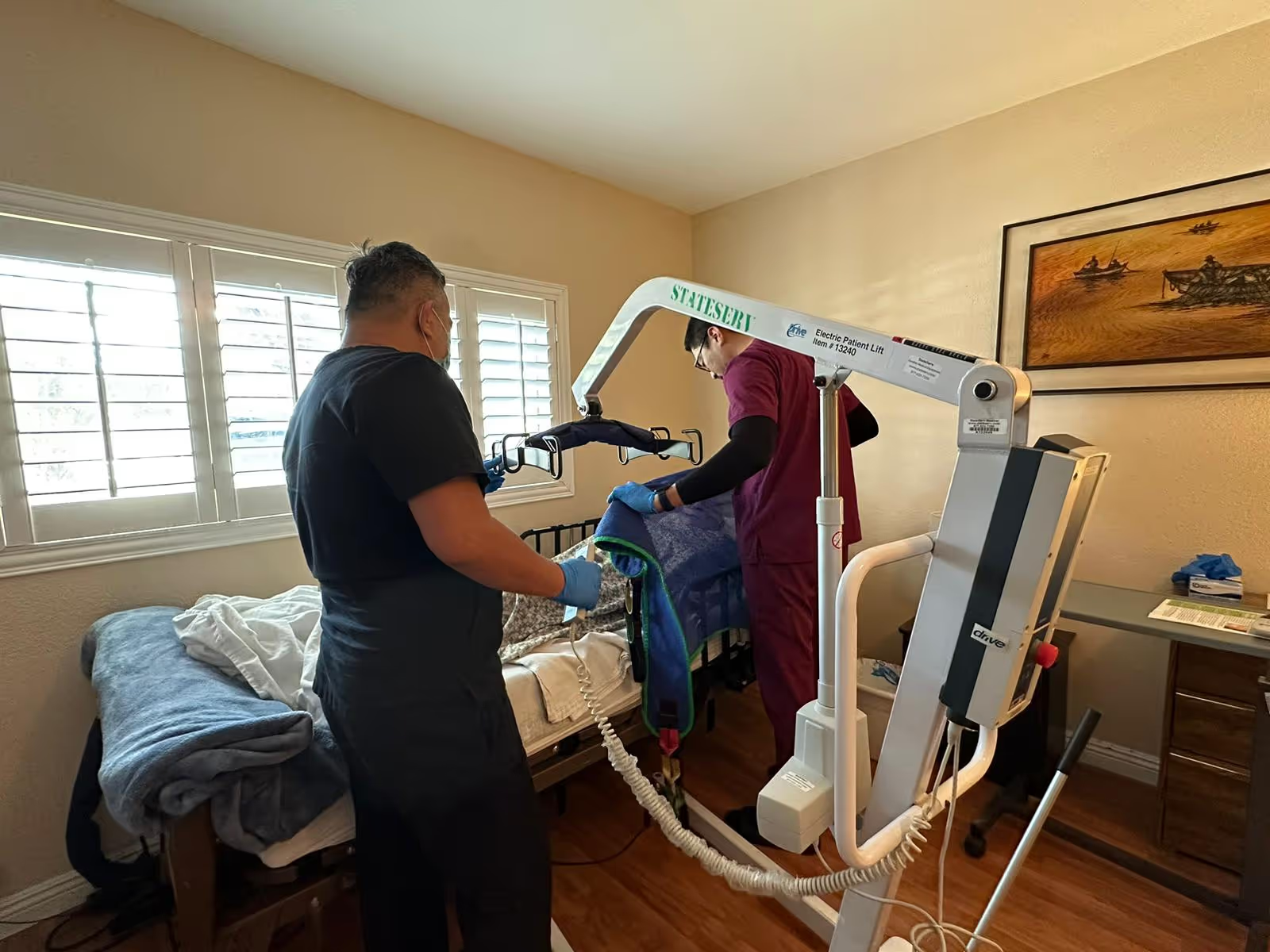
Care quality and clinical issues: Therapy services are a clear positive, with frequent reports of effective, encouraging therapists and measurable progress. However, clinical care outside of therapy is more variable. Delays in medication administration, inconsistent wound management, and limited on‑site physician presence were described in a number of accounts; a subset of reviewers attributed hospital readmissions or escalation of care to these lapses. Transfer and toileting assistance processes were identified as safety‑relevant weaknesses — for example, long waits for help and difficulties obtaining timely bathing or toileting support — indicating opportunities to strengthen staffing patterns and transfer protocols.
Staff and responsiveness: Staffing is a mixed picture. Many staff members are described as friendly, patient, and willing to help; CNAs in particular receive positive mention. At the same time, reviewers repeatedly described understaffing, high turnover, slow call‑bell responses, and uneven attitudes across shifts or roles. These inconsistencies translate into variable day‑to‑day experiences: families may receive clear, protocol‑driven updates at times but find communication sporadic or defensive in other instances.
Dining and nutrition: Meal service is another area of variability. The facility can accommodate dietary restrictions and some residents enjoyed the food, but a common theme is inconsistent execution — meals arriving cold, lacking variety or flavor, and occasional packaging or service problems. Several reviewers noted that families supplement resident food because of limited snacks or unappetizing meals. Operational improvements to meal warming, menu variety, and service continuity would address many of these concerns.
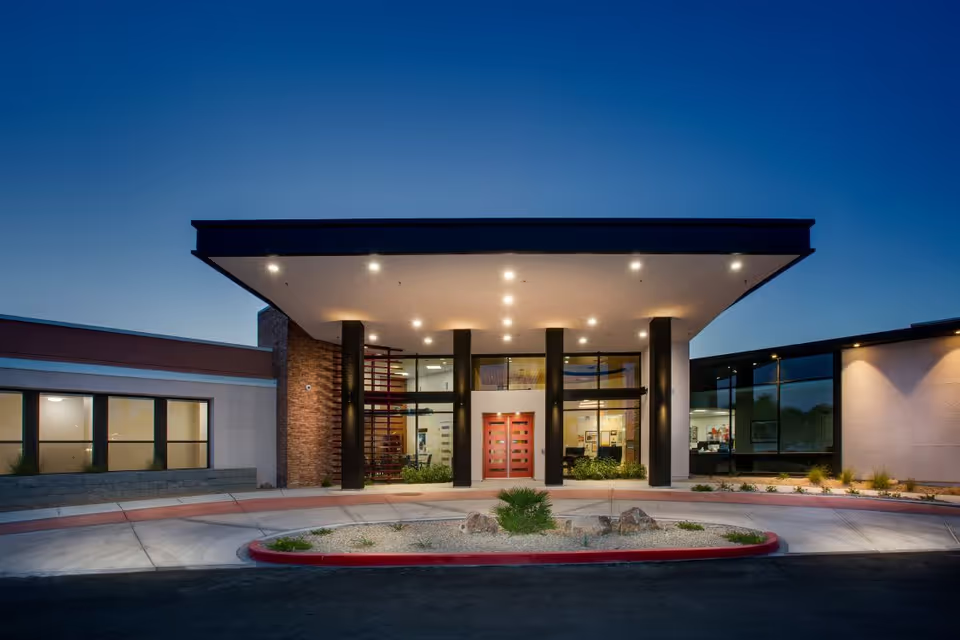
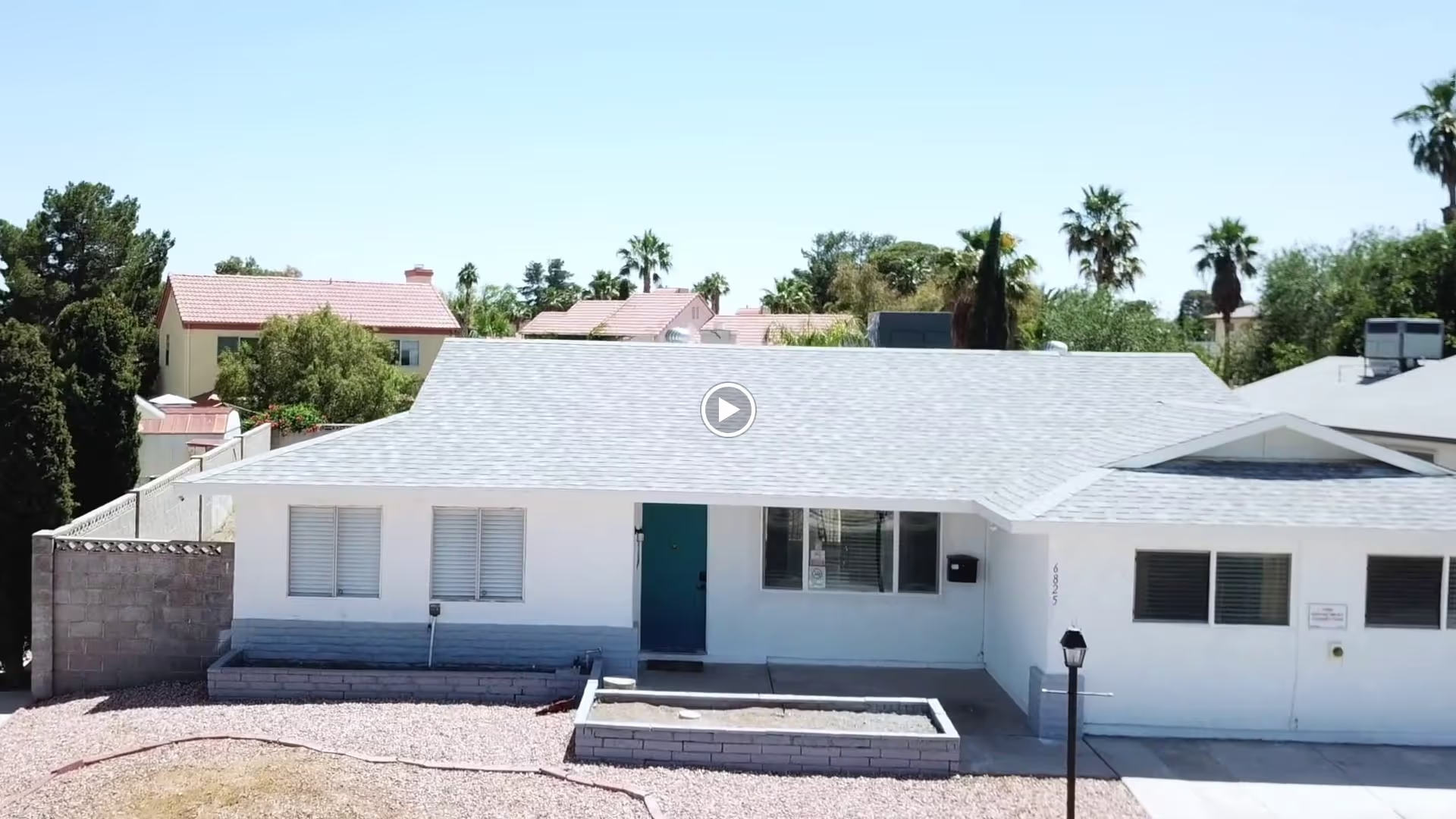
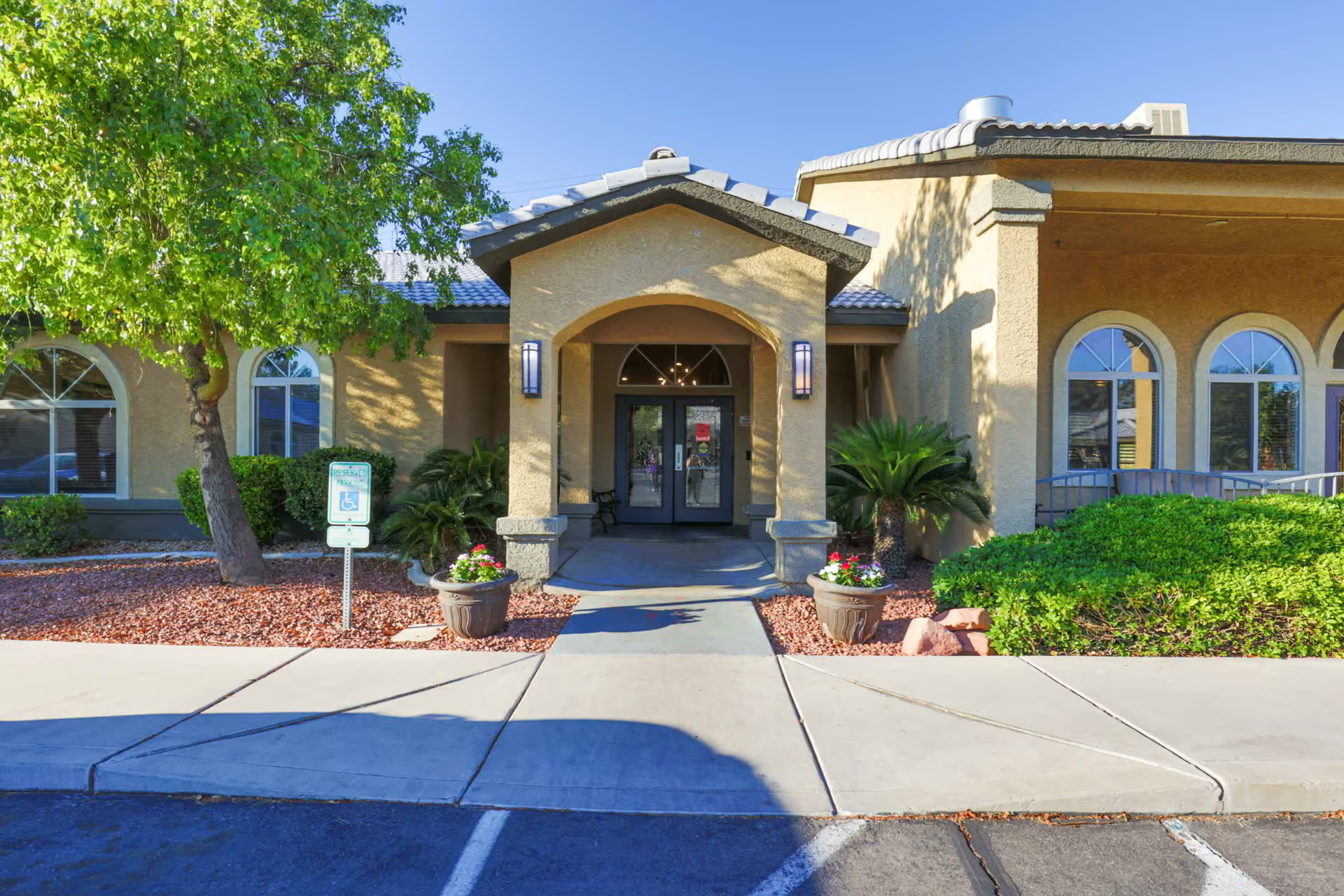
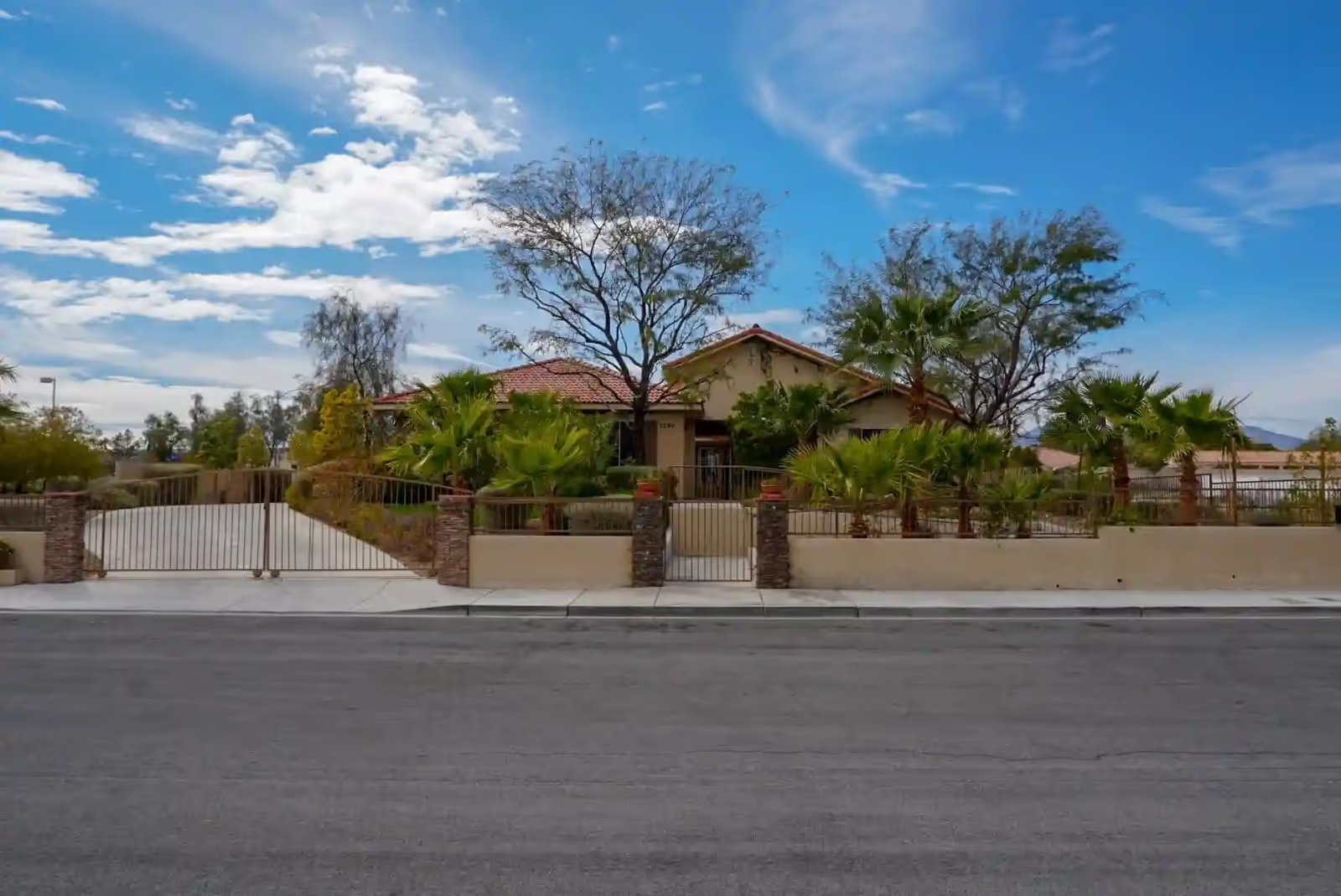
Facilities, cleanliness, and environment: Many reviewers described the building and rooms as clean and well maintained, with daily housekeeping and buffed floors. Counterbalancing this, others reported sanitation concerns in specific rooms or bathrooms, odor issues on occasion, and pest‑control problems in limited areas. The physical plant is frequently characterized as older with small or cramped rooms and some dated furnishings; these structural constraints affect privacy and mobility for some residents.
Management, administration, and notable patterns: Administrative strengths include helpful case managers and assistance with paperwork and discharge logistics when communication is proactive. Recurring administrative weaknesses, however, are gaps in discharge coordination, inconsistent recordkeeping or personal‑item tracking, and occasional miscommunication about length of stay or medication continuation at discharge. Taken together with staffing variability and intermittent clinical‑oversight gaps, these patterns suggest the need for stronger operational controls, more consistent staffing models, and clearer family communication protocols.
Bottom line: Horizon Health and Rehabilitation Center offers notable rehabilitation expertise and several examples of caring front‑line staff and clean communal spaces. Prospective residents and families should weigh these strengths against documented operational issues — particularly inconsistent nursing responsiveness, variable dining execution, and periodic clinical coordination gaps. Those considering the facility may find positive outcomes when therapy and attentive staff are available, but should plan to ask targeted questions about staffing levels, call‑bell response metrics, wound‑care protocols, and discharge communication before admission.