Overall impression: Families and residents describe a mixed but instructive profile. The facility is frequently praised for its clinical rehabilitation and many individual staff members — particularly therapists, certain nurses, social workers, and front-desk personnel — who are described as caring, communicative, and effective. At the same time, persistent operational weaknesses create variability in day-to-day experience depending on unit, shift, and staff present.
Care and staff: Clinical strengths include a skilled and motivating PT/OT team and several nurses and aides who provide attentive, reassuring care. Medication management and proactive wound-care outreach were also noted positively. However, reviewers repeatedly described variability across shifts (notably nights and weekends) and across units: staffing shortages and high workloads were linked to slower response times, missed or delayed personal-care tasks, and uneven adherence to individualized care plans. Where staff continuity and experienced supervisors are present, families report confidence; where they are not, families report frustration and concern.
Communication and management: Administrative touchpoints such as admissions, finance, and some social-work staff receive consistent praise for helpfulness and clear outreach. Still, communication gaps exist: delayed callbacks, inconsistent updates to family members, and occasional misinformation about care or meeting timing were reported. Coordination with external providers and transportation for outside appointments also appears uneven, and families should confirm processes for appointment scheduling and discharge planning.
Dining and activities: Dining experiences vary widely. The facility offers menu variety and the ability to accommodate textures and preferences, and several reviewers praised individualized meal accommodations. Conversely, others described inconsistent meal quality, late service, and limited fresh/vegetable options at times. Recreation and therapy-based activities were often cited as strengths, with recent improvements and engaged recreation staff noted; some families would like more regular, ongoing exercise opportunities beyond formal therapy sessions.
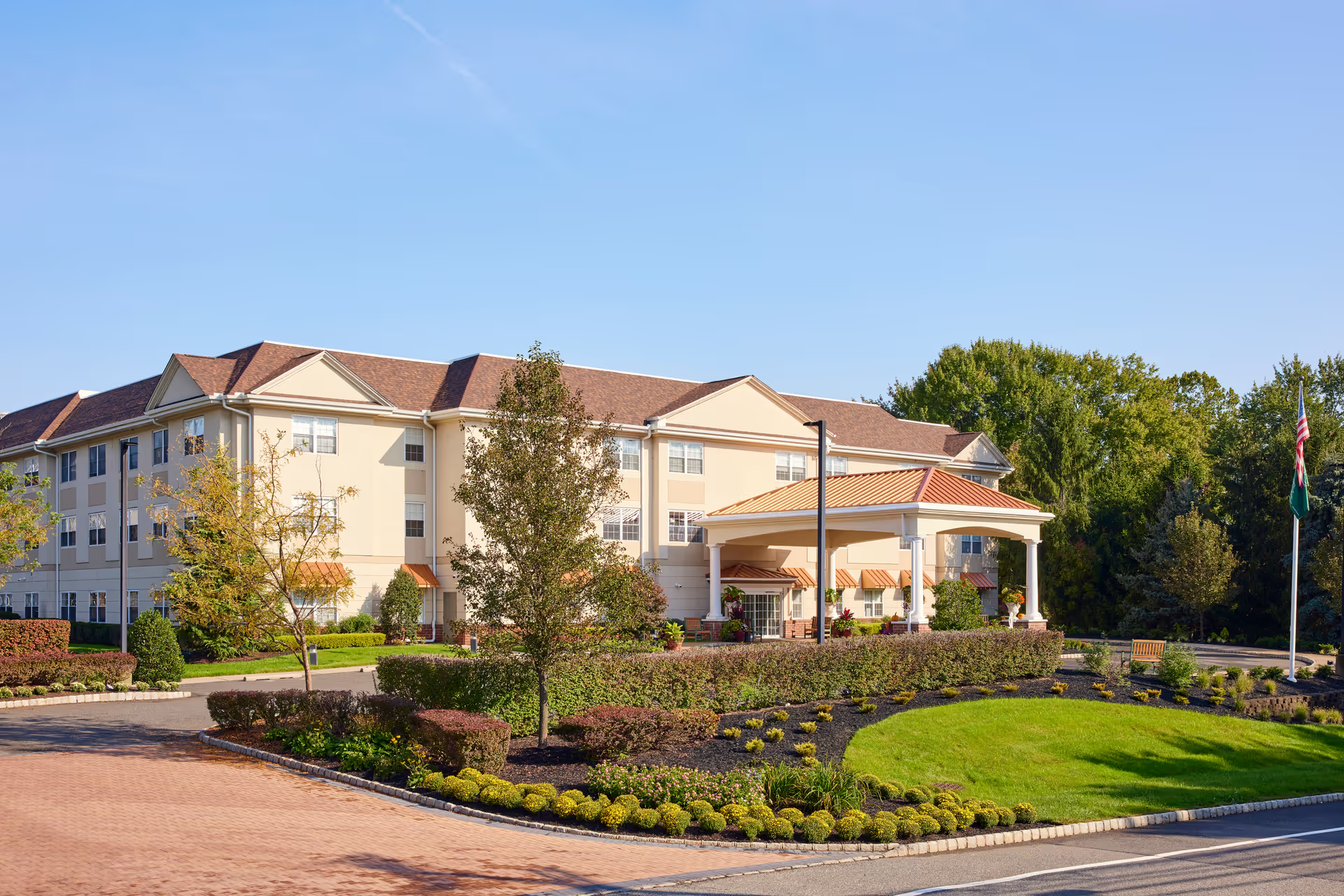
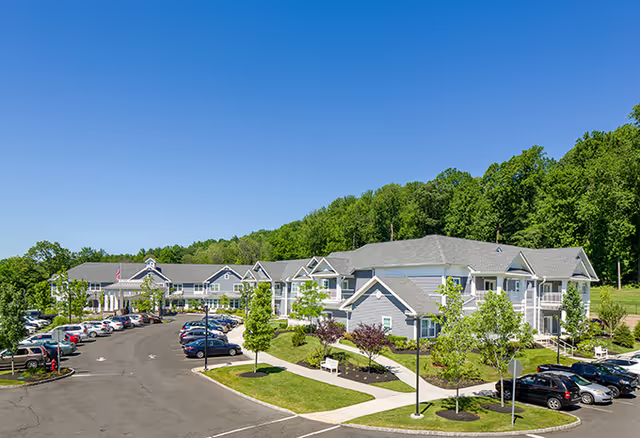
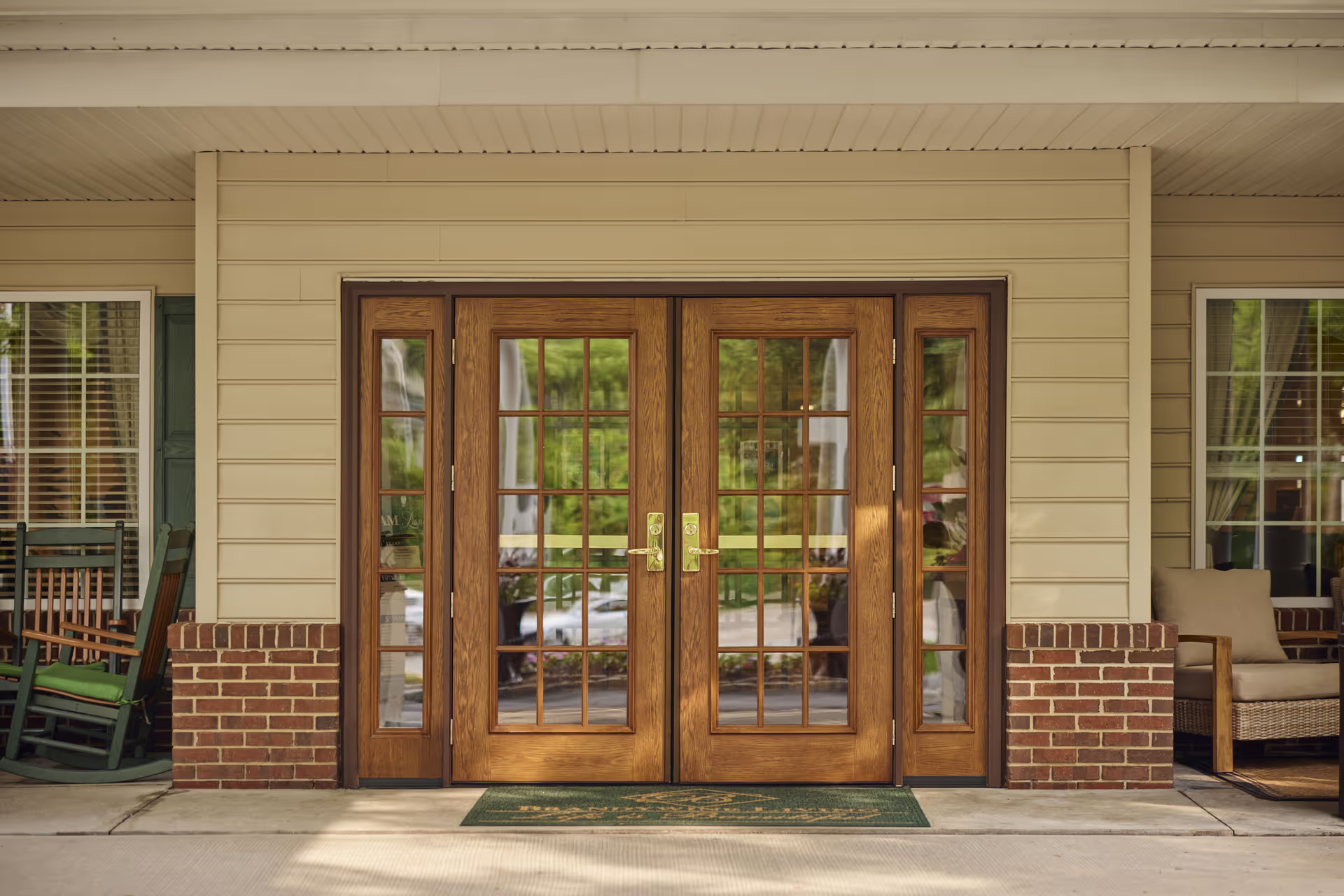
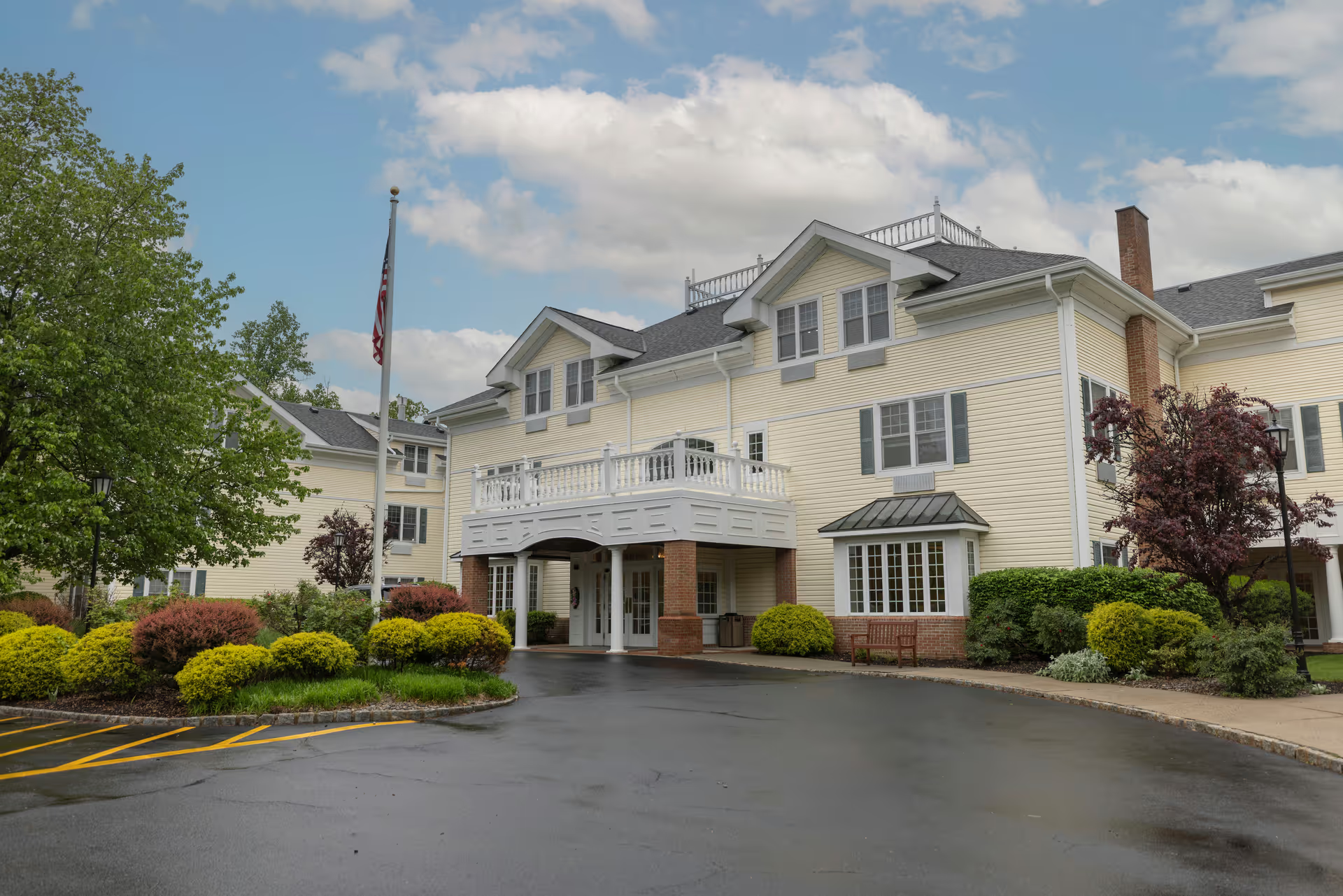
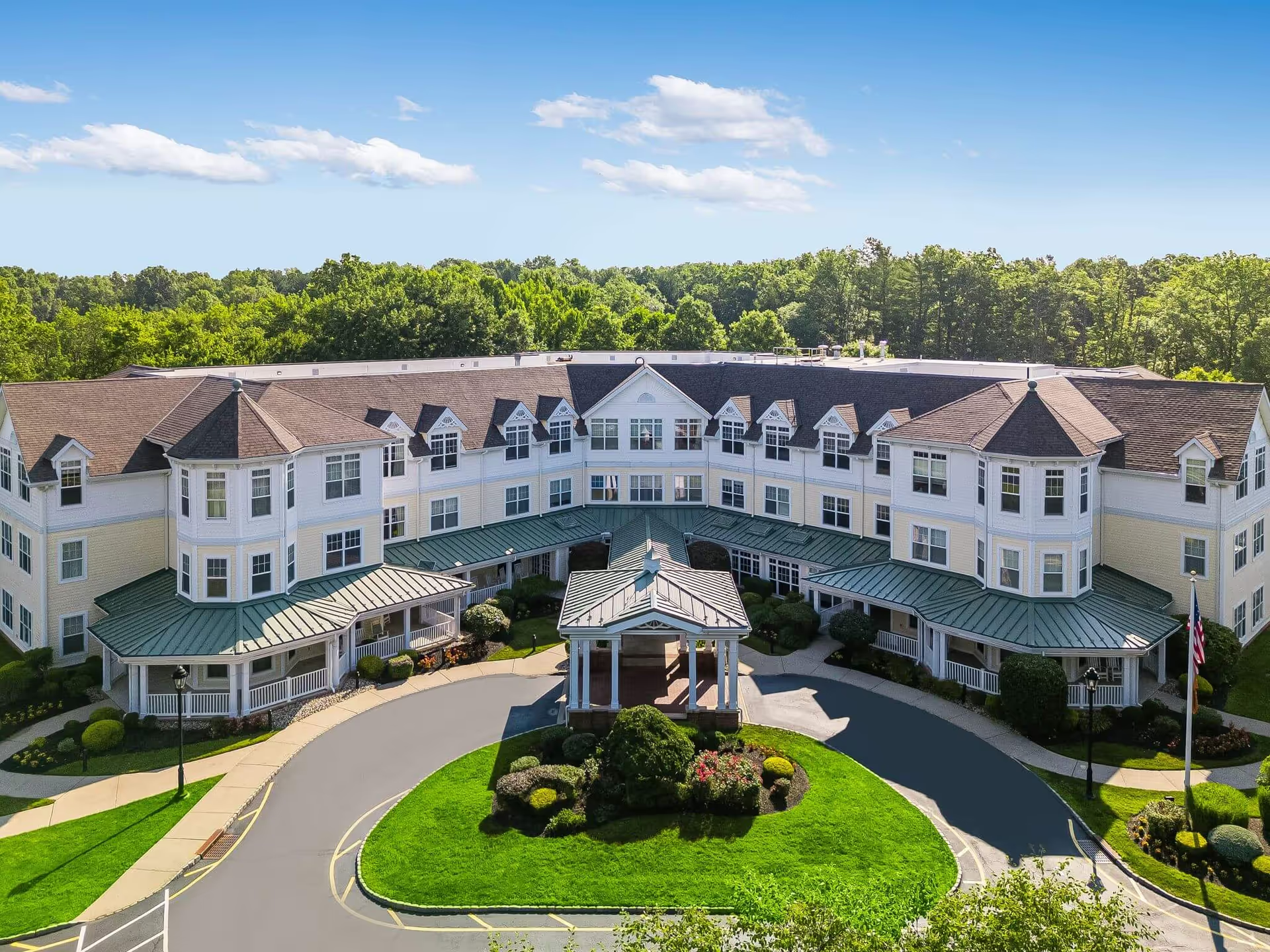
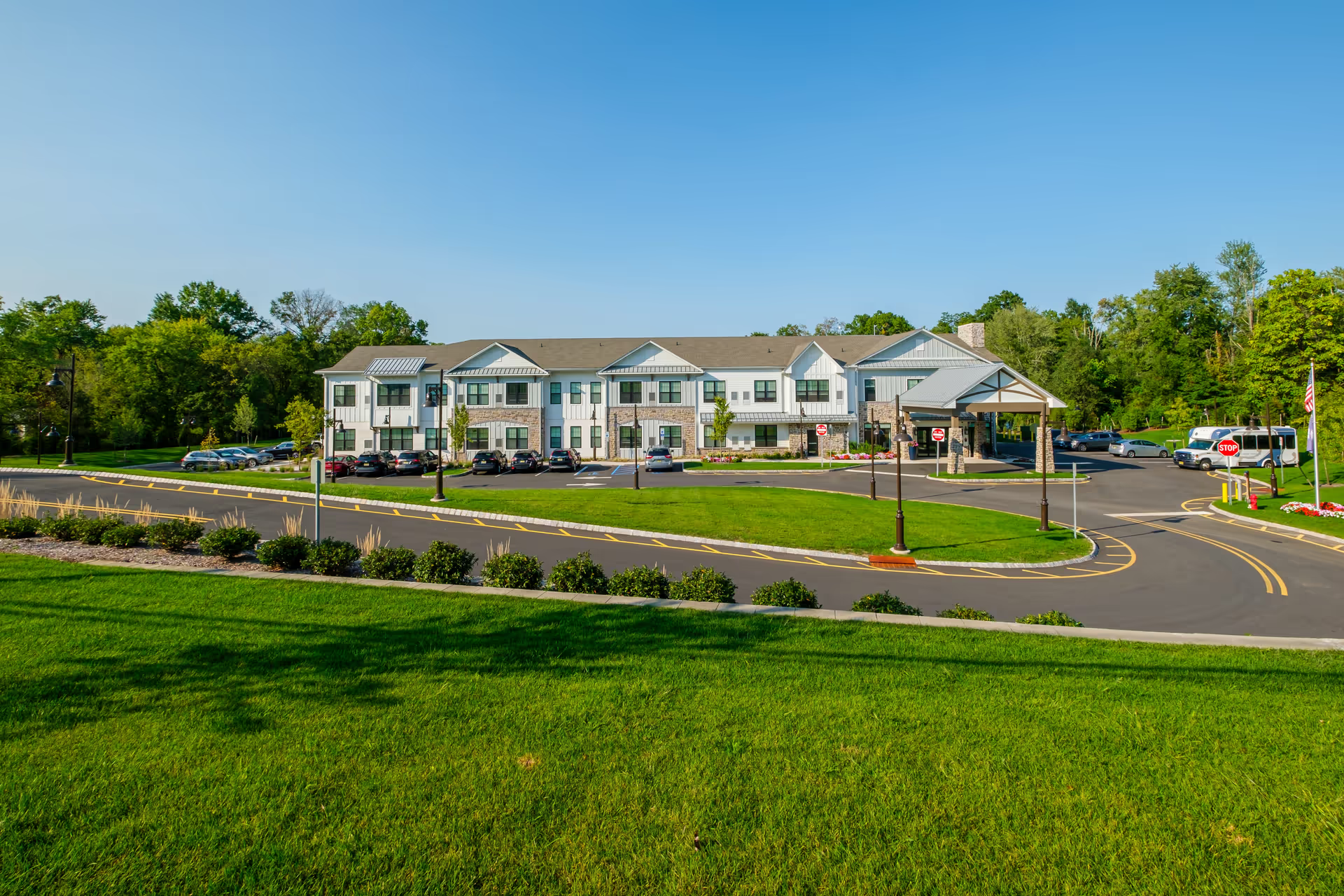
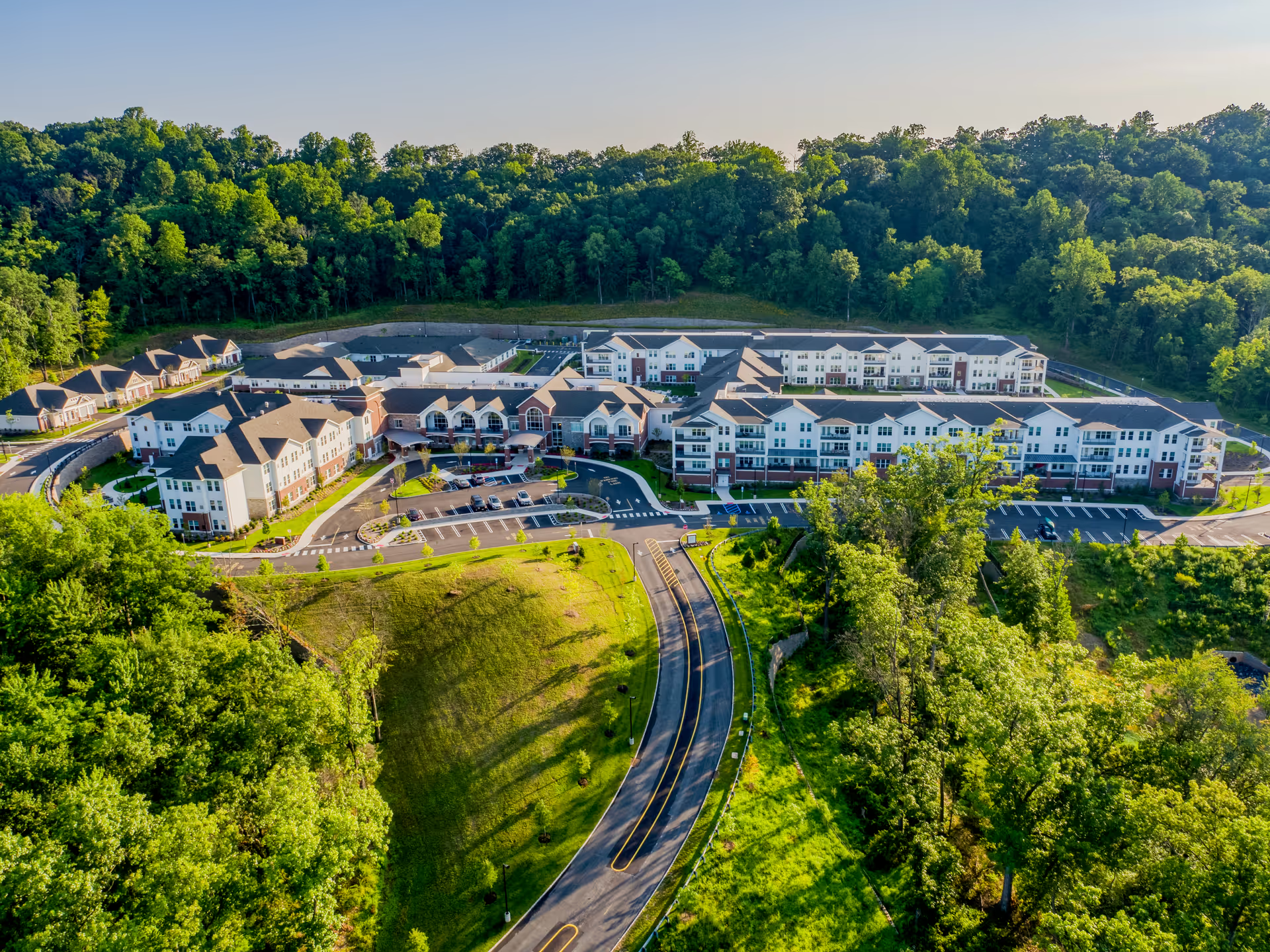
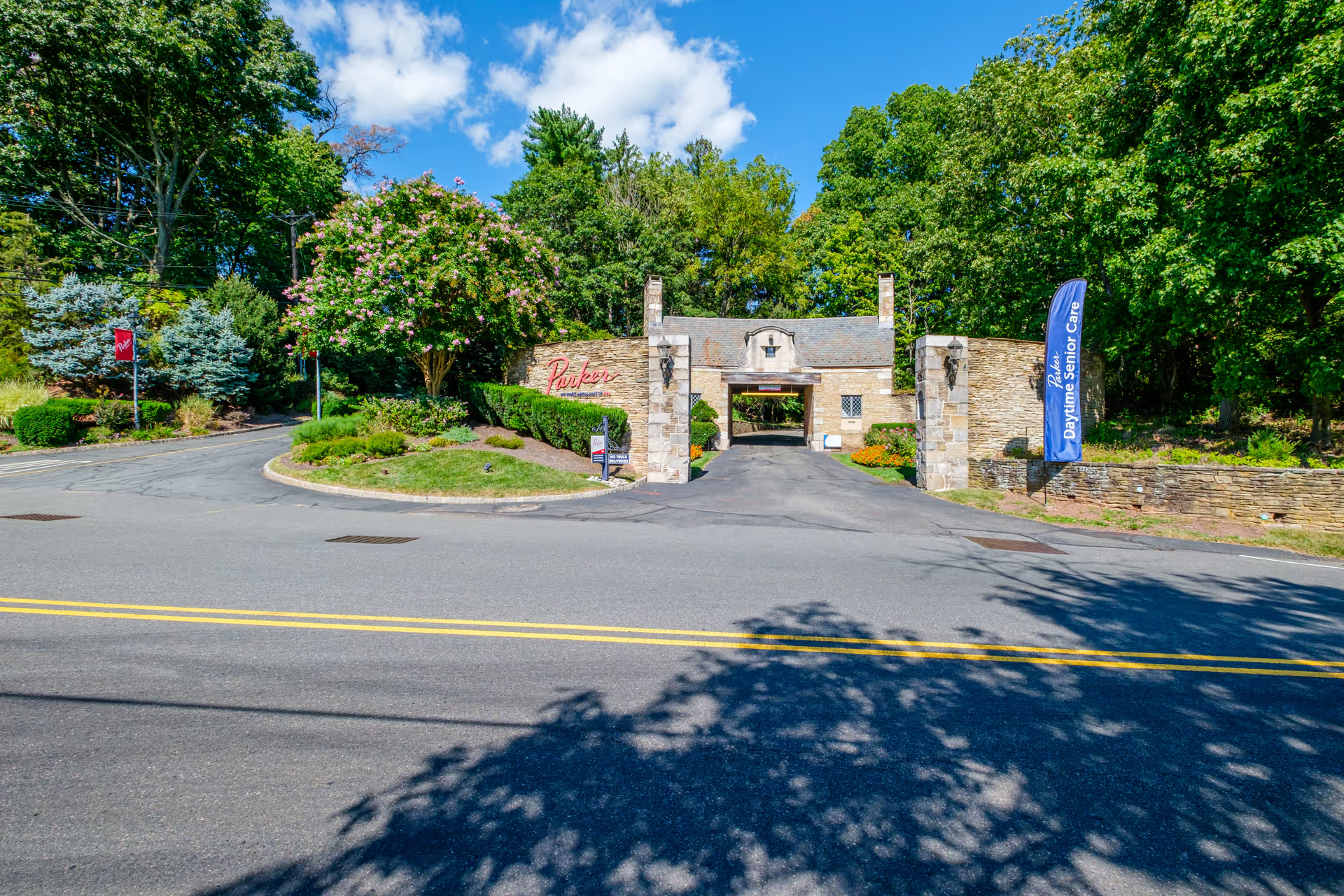
Facilities and environment: Parts of the center have been renovated and present as clean, modern, and well equipped for rehab, with visible sanitation measures. Other areas show aging aesthetics and deferred maintenance — peeling wallpaper, dated dining rooms, and tired finishes — and cleanliness and maintenance standards were described as inconsistent between units. Site-level issues include limited parking, wayfinding/signage gaps, and occasional crowding in shared bathrooms or common spaces.
Safety, incident response, and belongings: Several accounts raise concerns about timeliness of incident escalation and family notification following falls or other events; such experiences highlight potential gaps in clinical incident response and post-incident communication. Families also reported issues with personal-belongings handling and laundry processes, suggesting a need for clearer property-management procedures and inventory protocols.
Who this facility may suit and practical considerations: The center may be a strong choice for someone whose primary need is short-term rehabilitation, given the noted therapy strength and some renovated rehab spaces. Prospective residents and families should, however, inquire specifically about staffing patterns by shift, unit condition (renovated vs. older wings), weekend and night coverage, processes for incident escalation and family notification, meal schedules and nutrition options, parking availability, and safeguards for personal belongings. A targeted tour that inspects both rehab and long-term units, asks to meet the primary nurse and social worker, and observes mealtime and therapy sessions will help set expectations and identify which areas align with a family’s priorities.