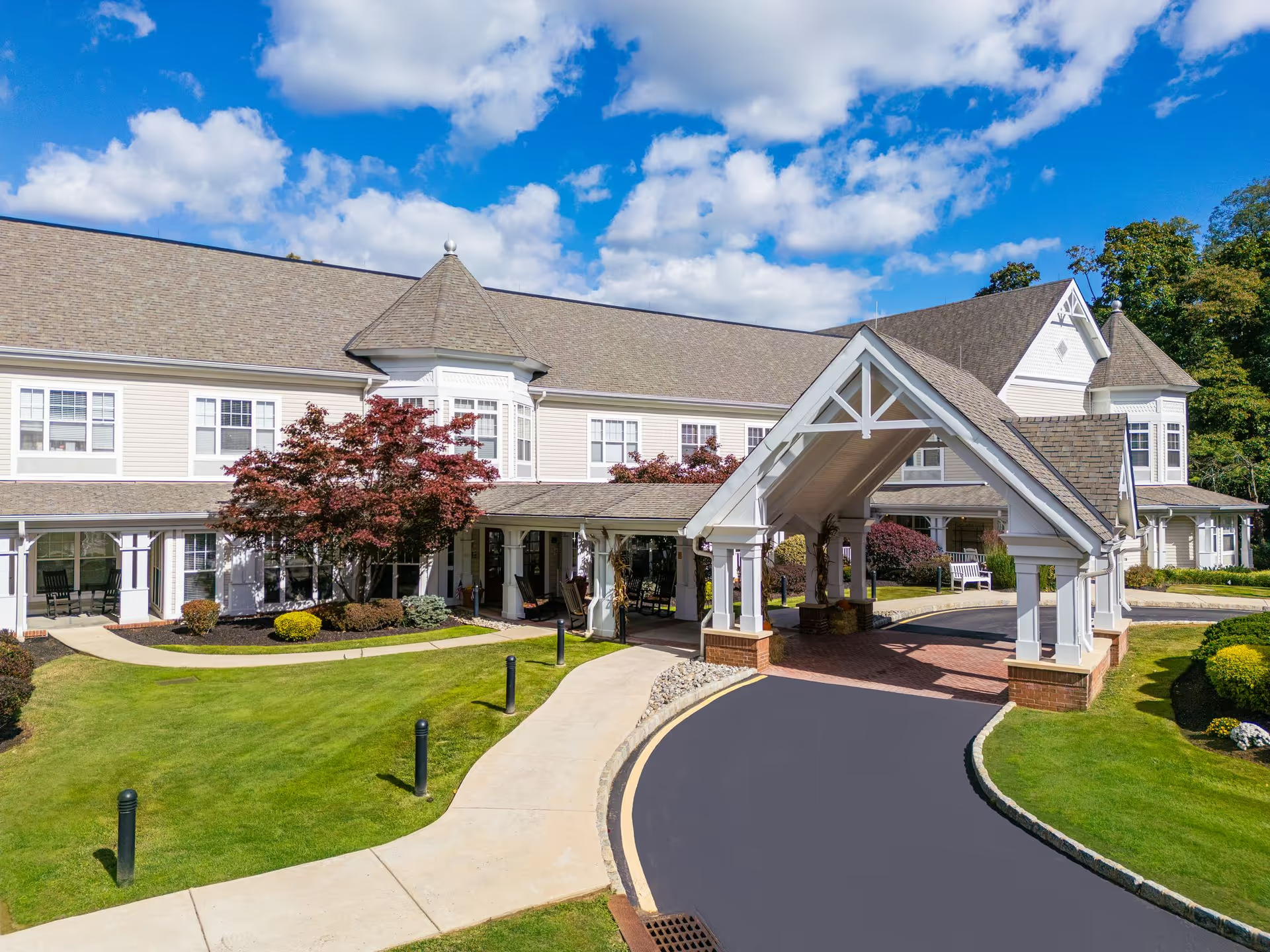
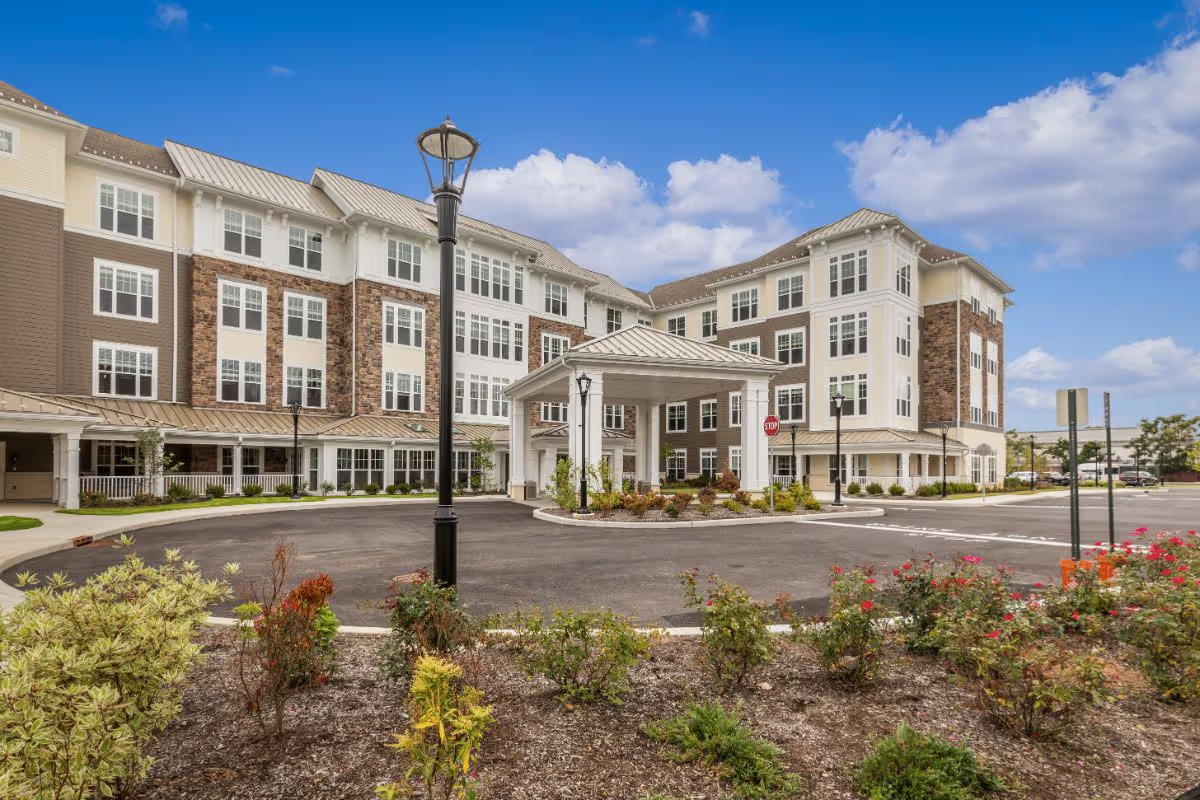
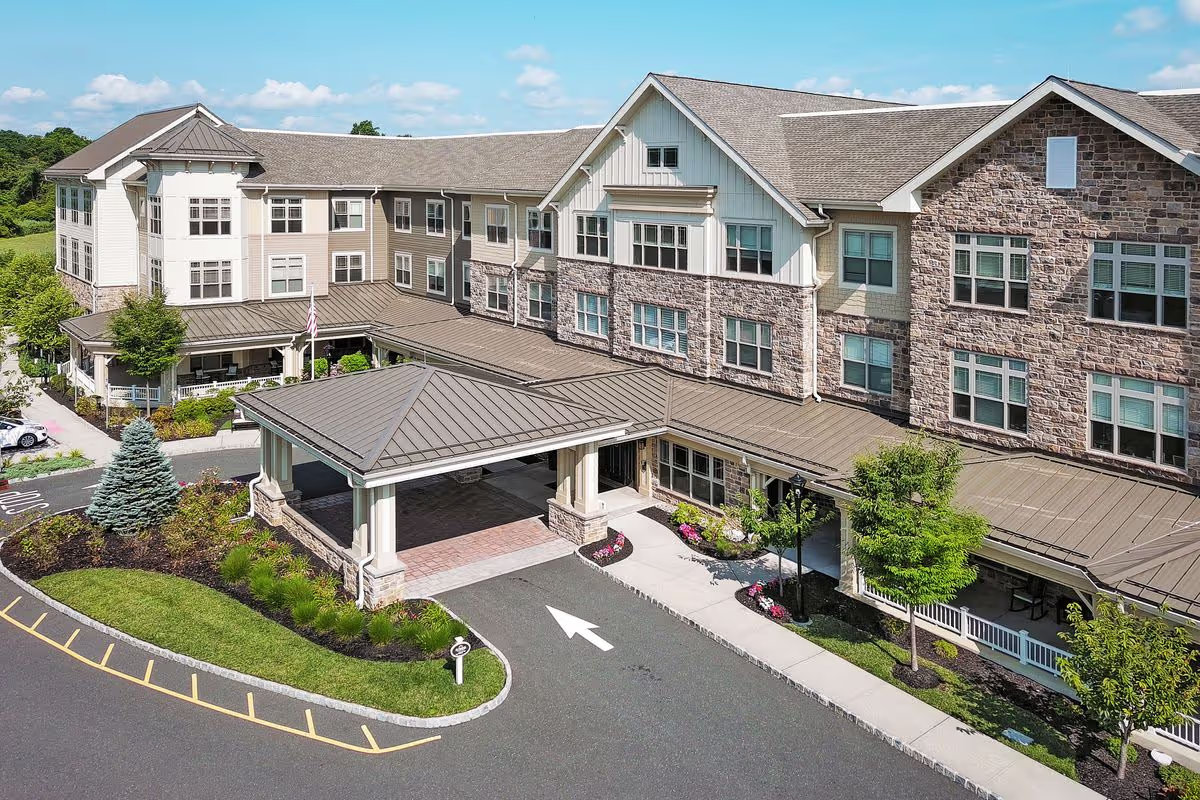
Laurel Bay Health & Rehabilitation Center is characterized in many reviews as a well-equipped, family-oriented skilled nursing and rehab facility with notable strengths in clinical rehabilitation, staff engagement, and social programming. Many families and residents describe effective PT/OT/speech therapy, documented mobility gains (for example, progression from wheelchair to walker to independent ambulation), and measurable respiratory improvements, supported by a well-equipped pulmonary service and attentive pulmonary clinicians. The facility’s rehab area has been described as modern and renovated, and several reviewers credited therapy staff with helping make recovery less overwhelming.
Staffing and day-to-day caregiving emerge as one of the facility’s strongest features. Reviewers commonly describe nurses, CNAs, and recreation staff as kind, attentive, and willing to go above and beyond; administration is frequently described as hands-on and familiar with residents by name. Many accounts emphasize a welcoming, home-like atmosphere, with communal dining, pet therapy, music programs, and frequent special events (BBQs, holiday celebrations, arts and crafts, coffee socials, bingo, bus trips) that support social engagement and quality of life.
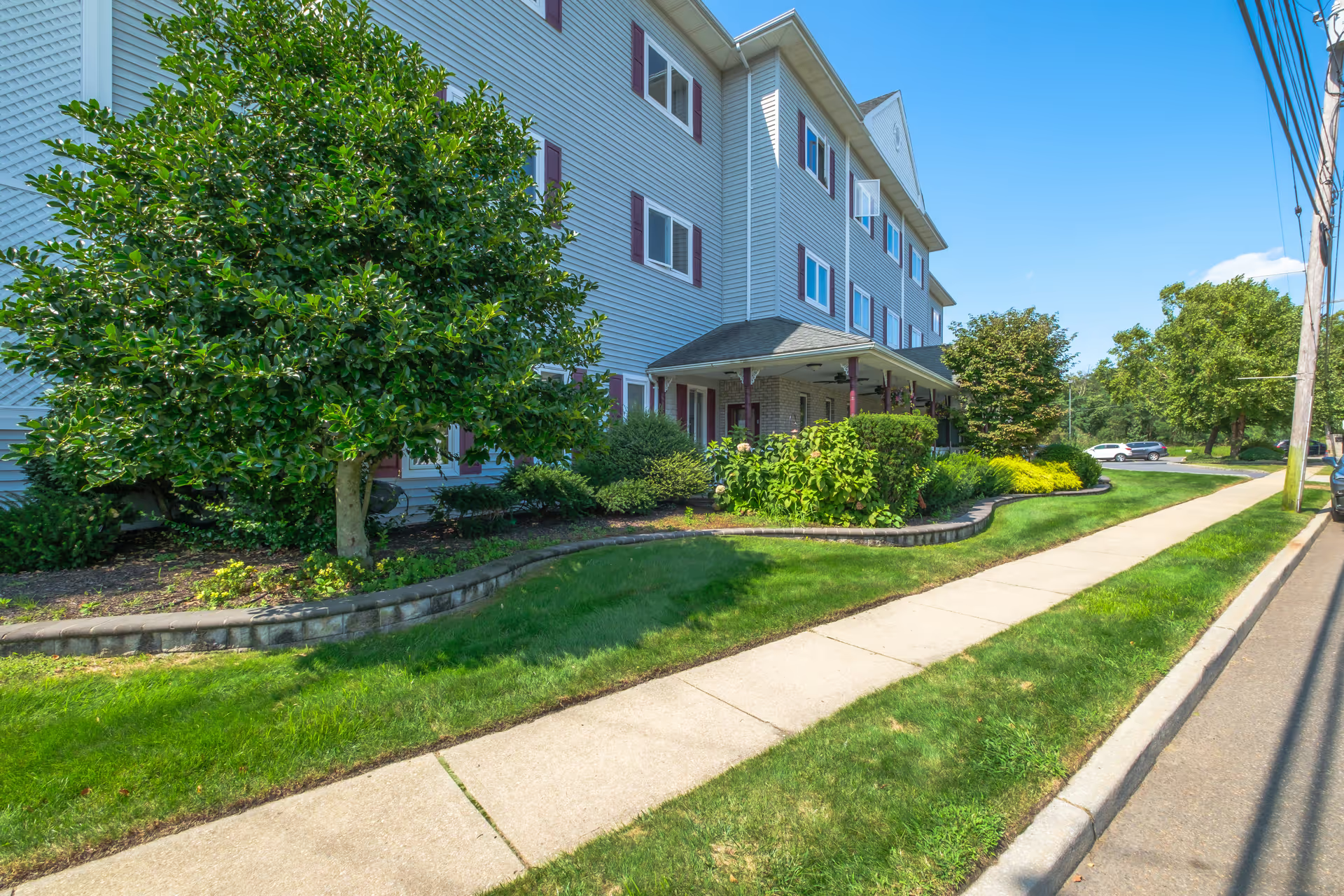
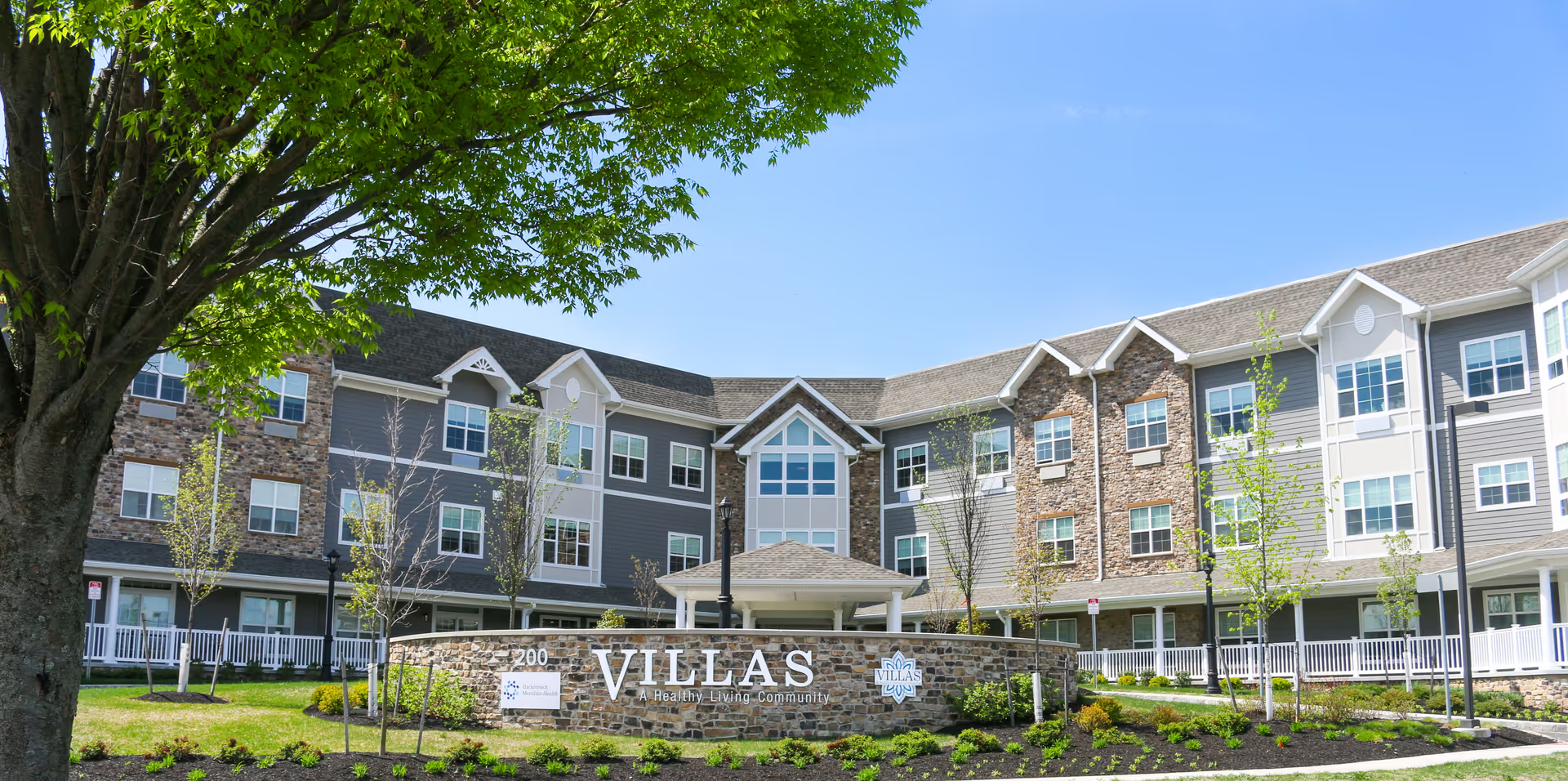
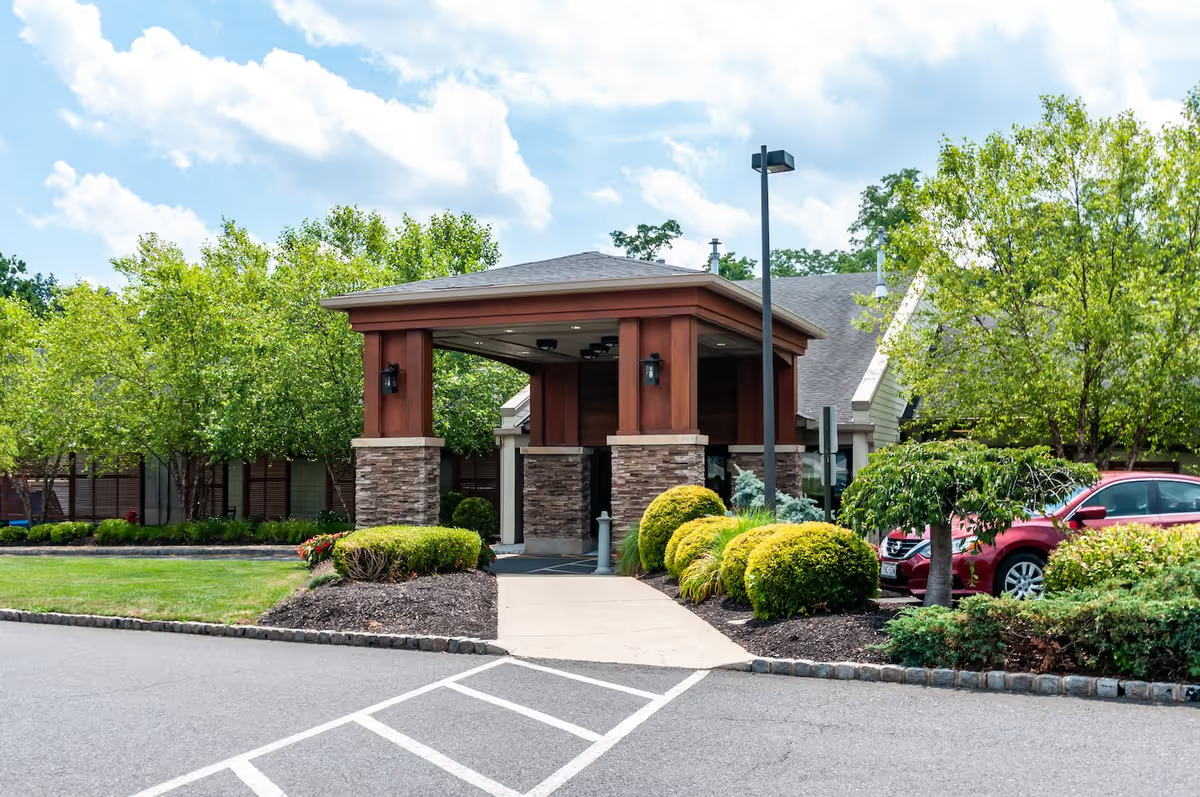
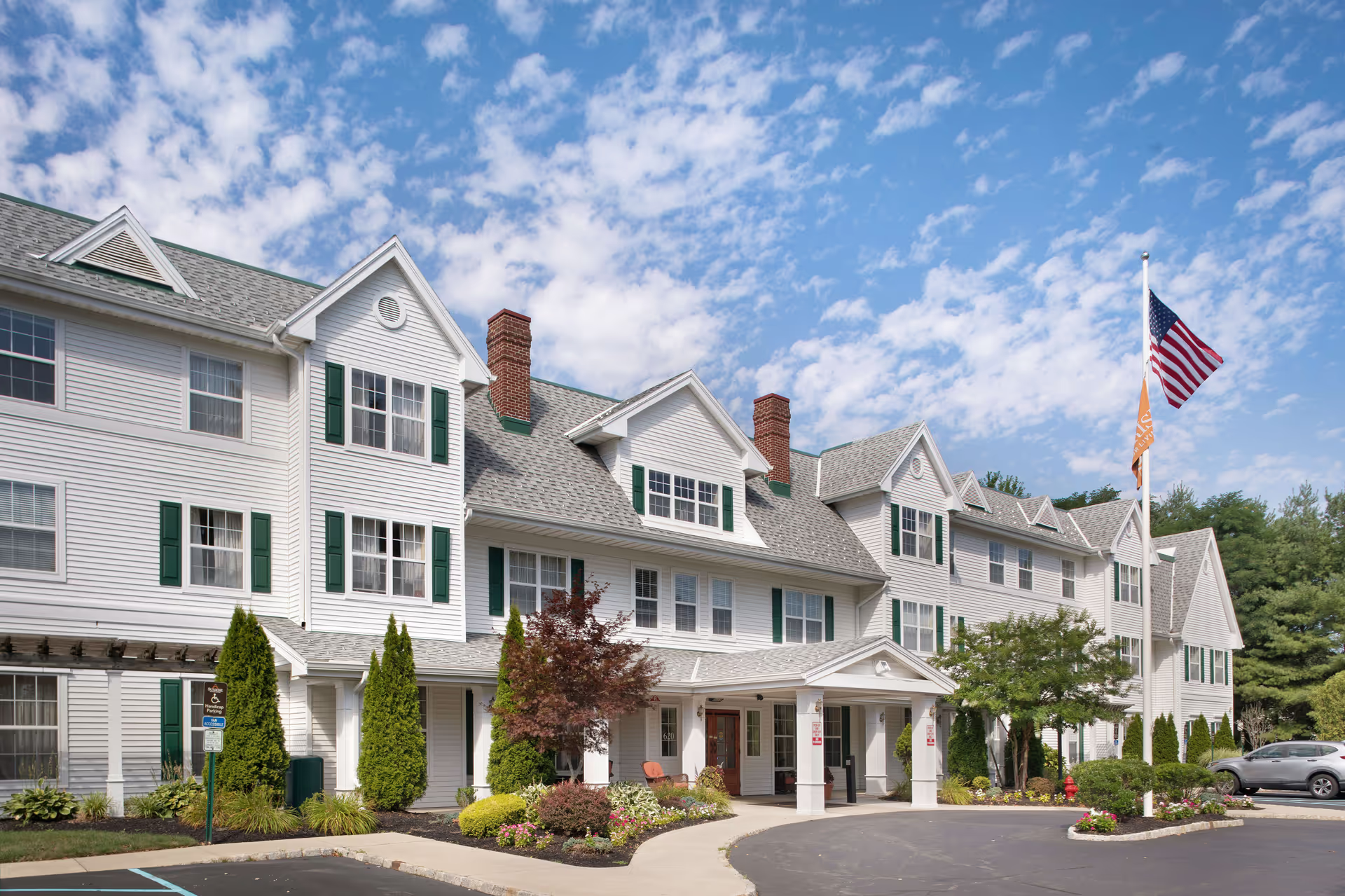
Dining, housekeeping, and amenities receive largely positive comments: the facility is often described as clean and odor-free with comfortable rooms and a peaceful atmosphere. Housekeeping and dietary teams are repeatedly noted as courteous, and communal dining with peers is cited as a positive social feature. Several reviewers also praised the facility’s logistics (on-time transports) and responsiveness in acute situations — for example, nursing recognition of infection signs and prompt escalation that included ambulance transport when indicated.
Despite these strengths, there are recurring operational concerns that prospective residents and families should weigh. Reviewers indicate variability in the consistency of care across shifts and staff — while many family members praised specific nurses and aides, others described uneven experiences with responsiveness and conduct. A subset of reviews raises concerns about medication-management practices, including psychiatric medication effects, suggesting a need for close oversight and communication when psychotropic drugs are part of a care plan. Communication with families is another mixed area: some directors provide consistent updates, but other accounts describe lapses in care-plan coordination and information flow.
A few reviews identify more serious administrative and operational issues that warrant attention: lapses in personal-property safeguards during room transfers, pressureful billing or collections activity during bereavement or transition periods, and gaps between advertised memory-care services and the services actually delivered. There are also a small number of sanitation-related concerns that contrast with the many descriptions of a clean facility; this suggests variability in standards or isolated incidents rather than a uniform condition.
Overall, Laurel Bay shows clear strengths in rehabilitation outcomes, compassionate staff, and an active social environment, making it a strong option for families prioritizing therapy-driven recovery and social engagement. At the same time, prospective residents and their families should ask targeted questions about continuity of staffing, medication oversight (especially for psychiatric meds), property-handling procedures, billing practices in transition or end-of-life situations, and the specific availability of memory-care services to ensure those operational areas meet their expectations.