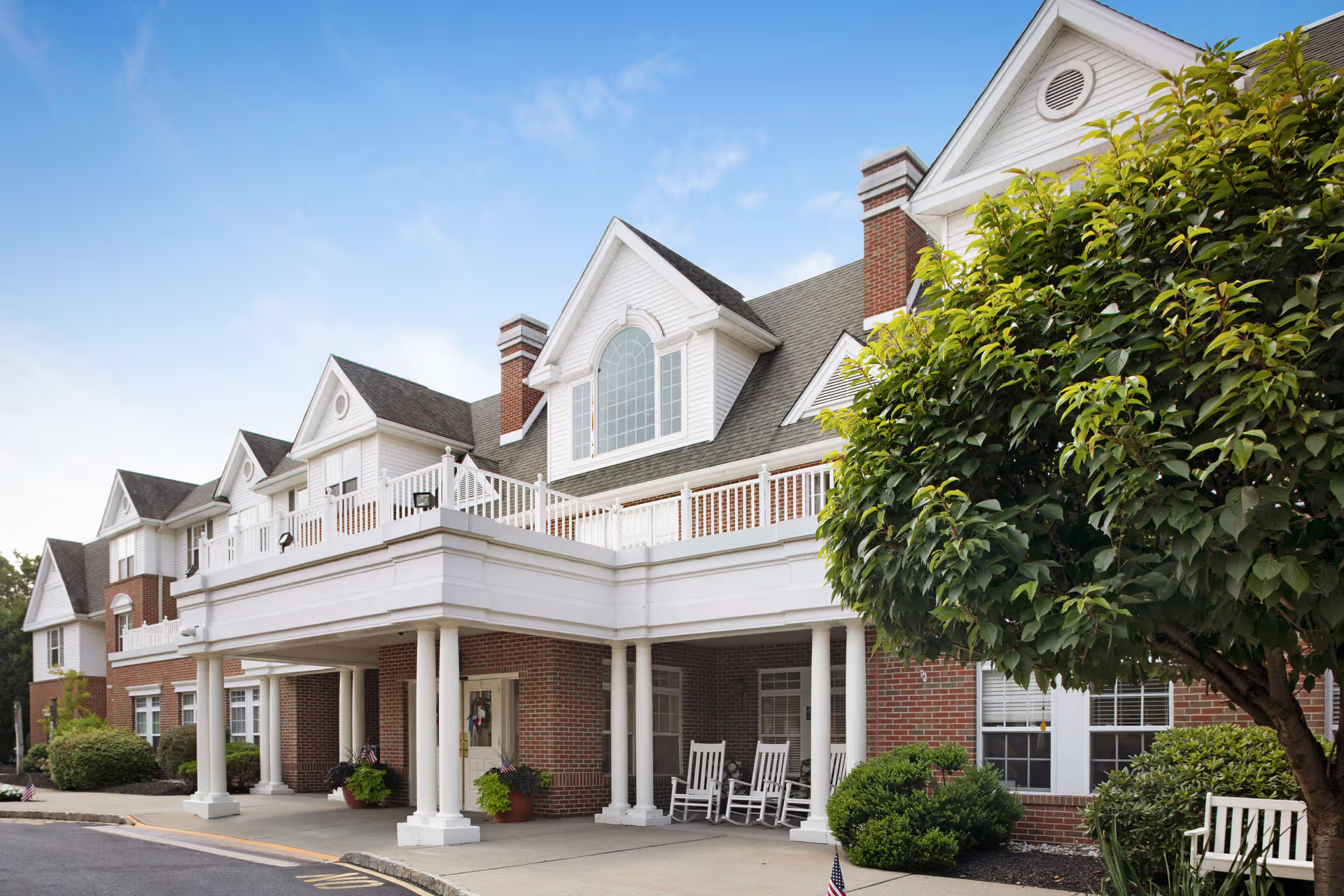
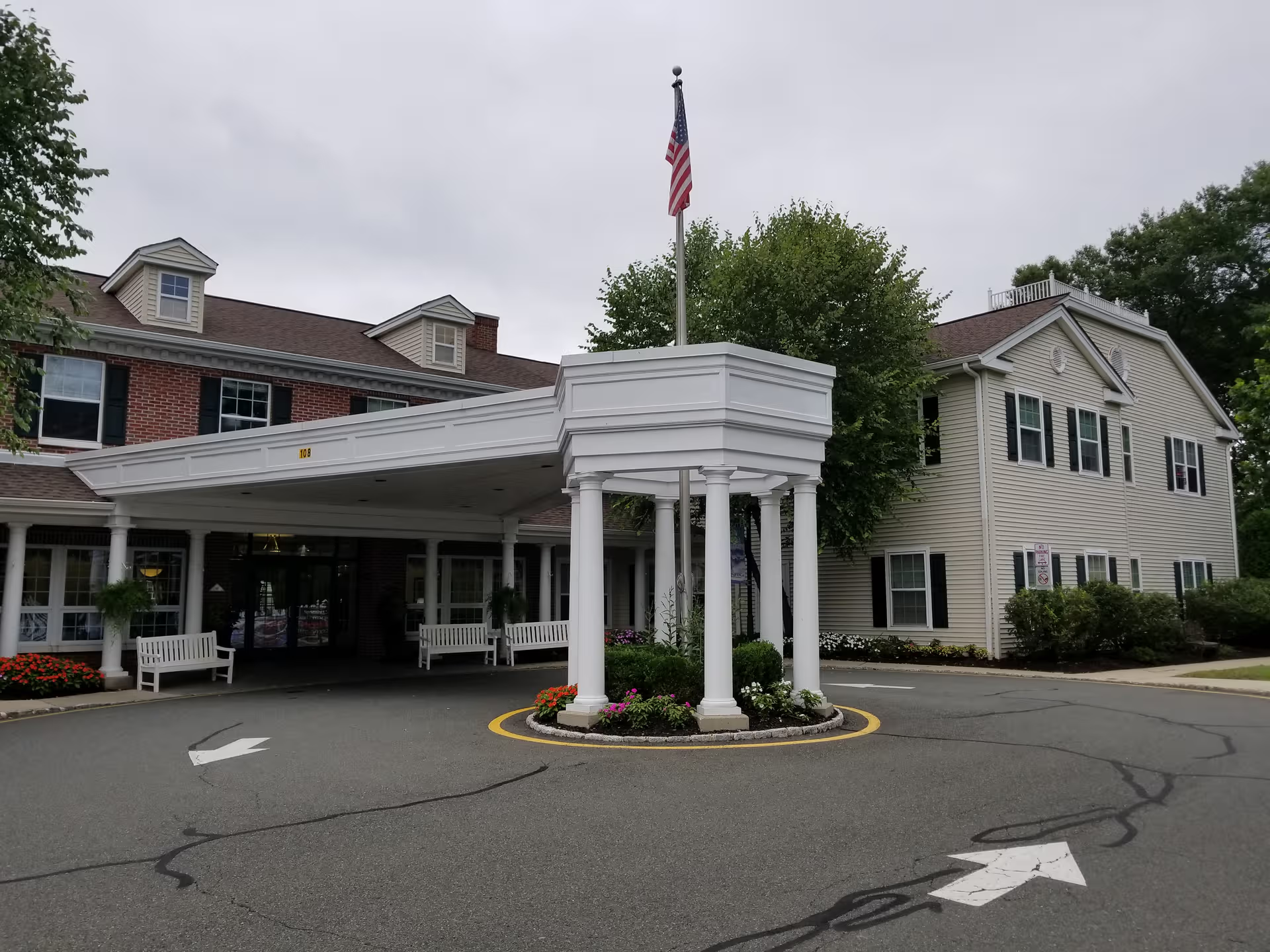
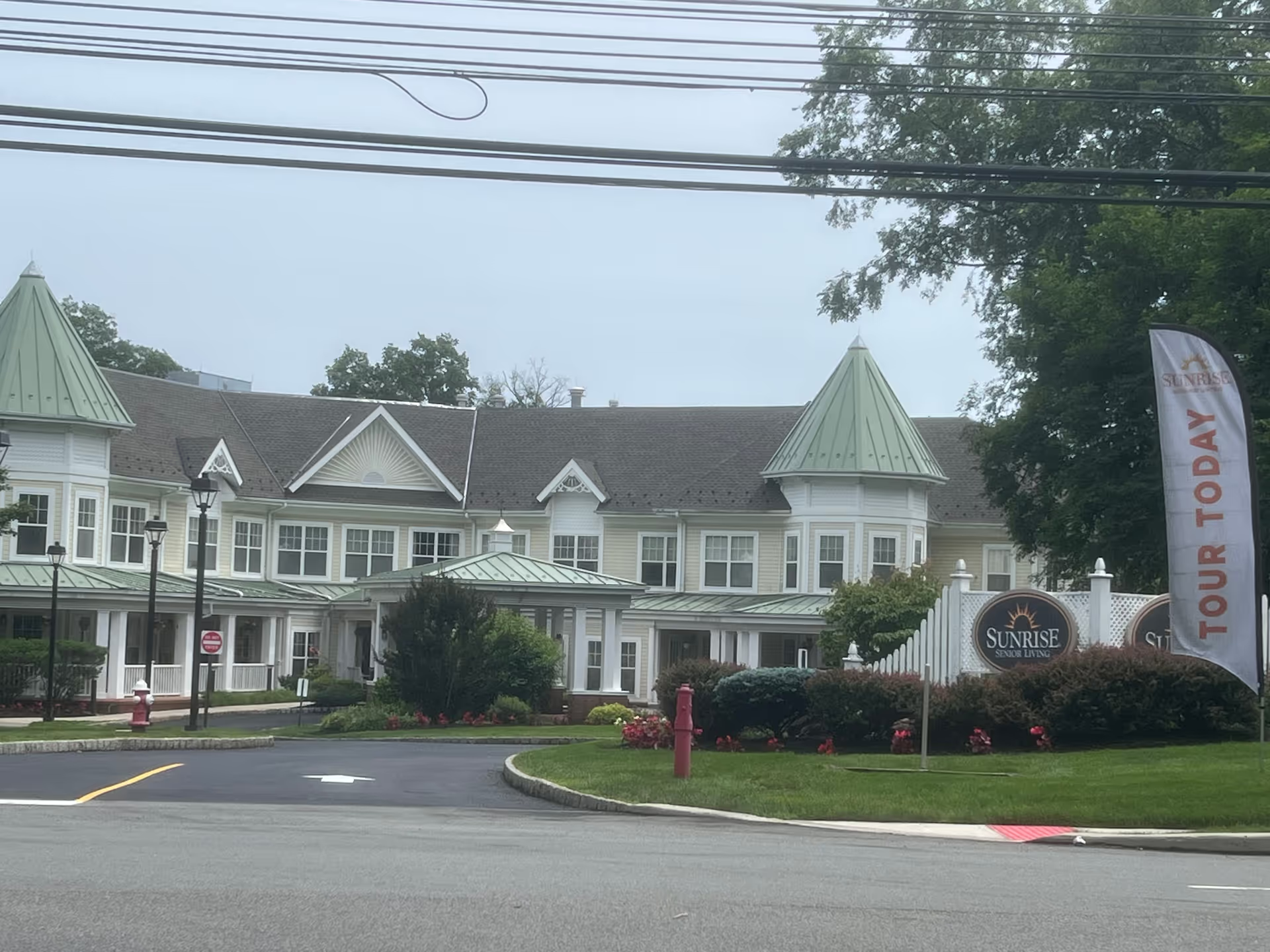
Reviews describe a facility with a clear strength in rehabilitation and therapy but substantial variability in day-to-day nursing, housekeeping, and administrative operations. Many families and patients praised the physical and occupational therapy teams for producing measurable functional gains; reviewers noted knowledgeable, encouraging therapists, a well-equipped gym, and successful cardiac and stroke rehab programs. Several accounts describe smooth admissions, attentive discharge coordination, and consistent post-discharge outreach, which supports positive transitions home for patients who primarily require short-term rehab.
At the same time, a recurring pattern concerns frontline care delivery and operational consistency. Multiple accounts point to staffing shortfalls and coverage gaps—particularly on weekends and overnight—that are associated with slow call-bell response times, delays in personal-care support (including bathing and toileting assistance), and missed or untimely medication administration. Reviewers described communication challenges with nurses’ stations and physicians when issues arose, and several families reported difficulty obtaining timely updates or resolving care-plan changes. These issues suggest variability in staffing levels, handoffs, and clinical oversight.
Dining and environmental services present mixed signals. Some guests appreciated fresh hot meals and holiday accommodations; others experienced inconsistent meal quality, limited dietary accommodations, and food that was difficult to identify. Cleanliness and housekeeping were also uneven: while portions of the building have been renovated and described as clean and comfortable, other areas and tasks—floor cleaning, laundry retrieval, trash removal, pantry pest-control, and occasional odor concerns—were identified as needing improvement. Such variability points to inconsistent adherence to housekeeping protocols across units.
Management and administration receive both praise and criticism. Several reviewers commended attentive administrative staff, a caring administrator, and effective patient representatives; others described poor responsiveness from leadership, disappearing directors, and challenges getting management to follow up. There are also serious individual claims — including allegations of financial misconduct, discriminatory behavior, and improper staff conduct — that families identified; these are distinct from operational complaints and may warrant direct inquiry with the facility and oversight bodies.
In summary, Morristown Post Acute and Rehabilitation appears to perform well for higher-functioning short-term rehab patients who can engage actively in therapy and whose families can help navigate transitions. The strongest, most consistent positive is the therapy program and certain compassionate clinical staff. However, the facility exhibits operational weaknesses in staffing consistency, medication management, routine personal-care responsiveness, housekeeping, and communication. Prospective residents and families should assess current staffing and supervision levels, review medication- and transfer-safety protocols, clarify dietary and housekeeping processes, and ask about how the facility handles after-hours coverage and complaints before making placement decisions.