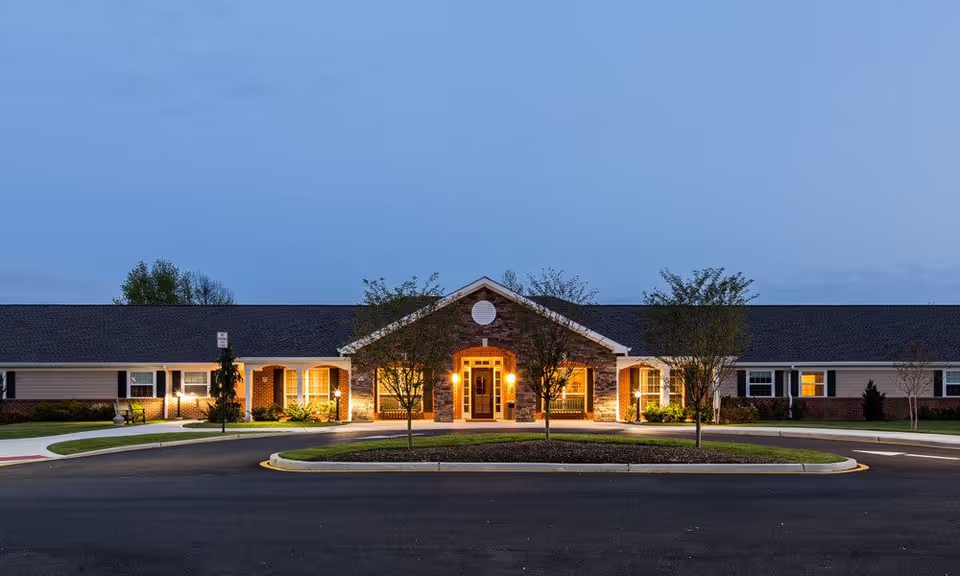
Laurel Brook Rehabilitation and Healthcare Center elicits strongly mixed impressions. A clear strength across many accounts is the facility’s rehabilitative capability: numerous families and residents praised the physical, occupational, and speech therapy teams for producing measurable gains and supporting timely discharges. The availability of on-site dialysis and routine specialty visits is a consistent operational advantage for medically complex patients. Several clinicians and administrative staff — including admissions, social-work/navigation, and business-office personnel — received positive mentions for being helpful, organized, and effective at handling insurance or discharge logistics.
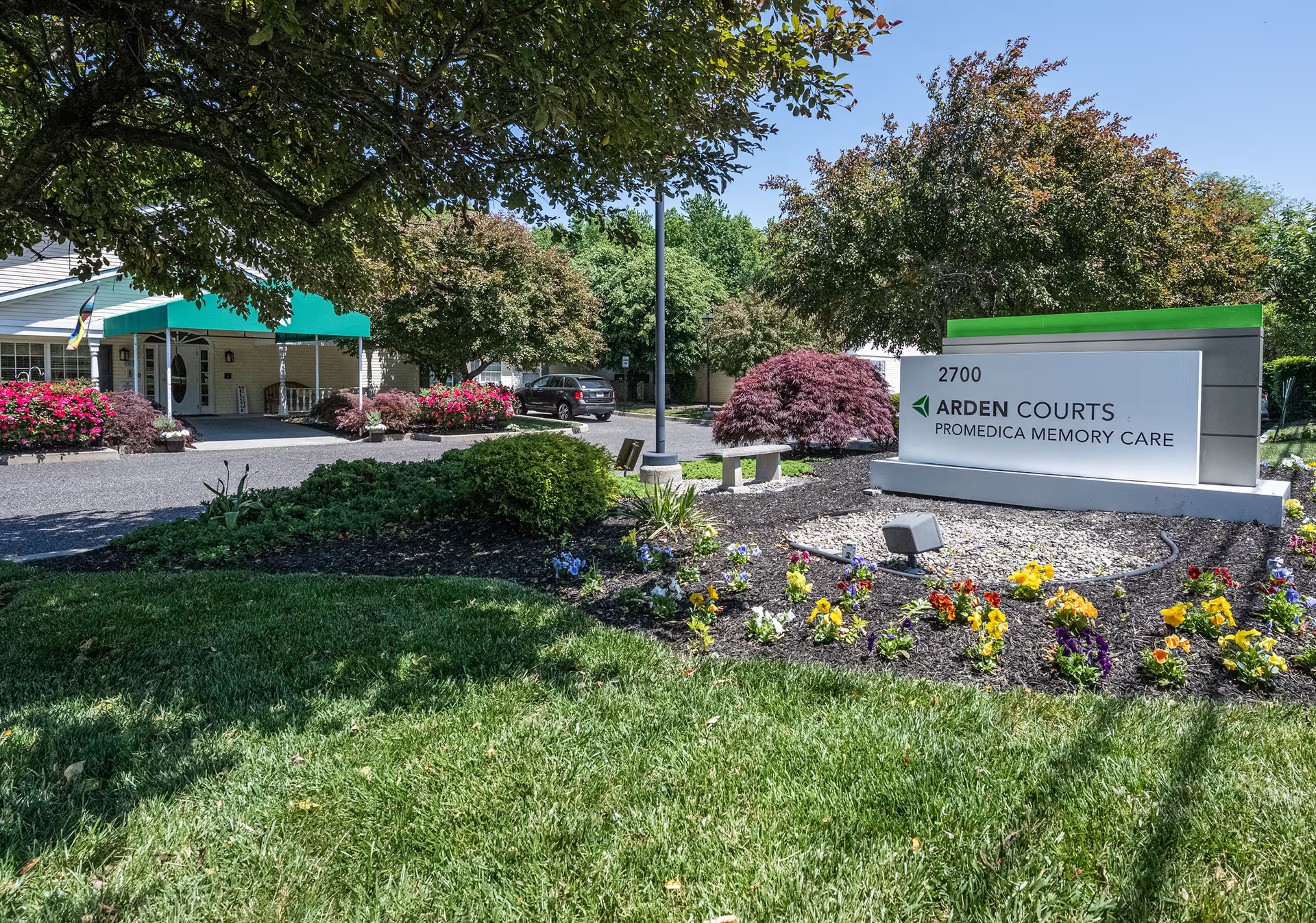
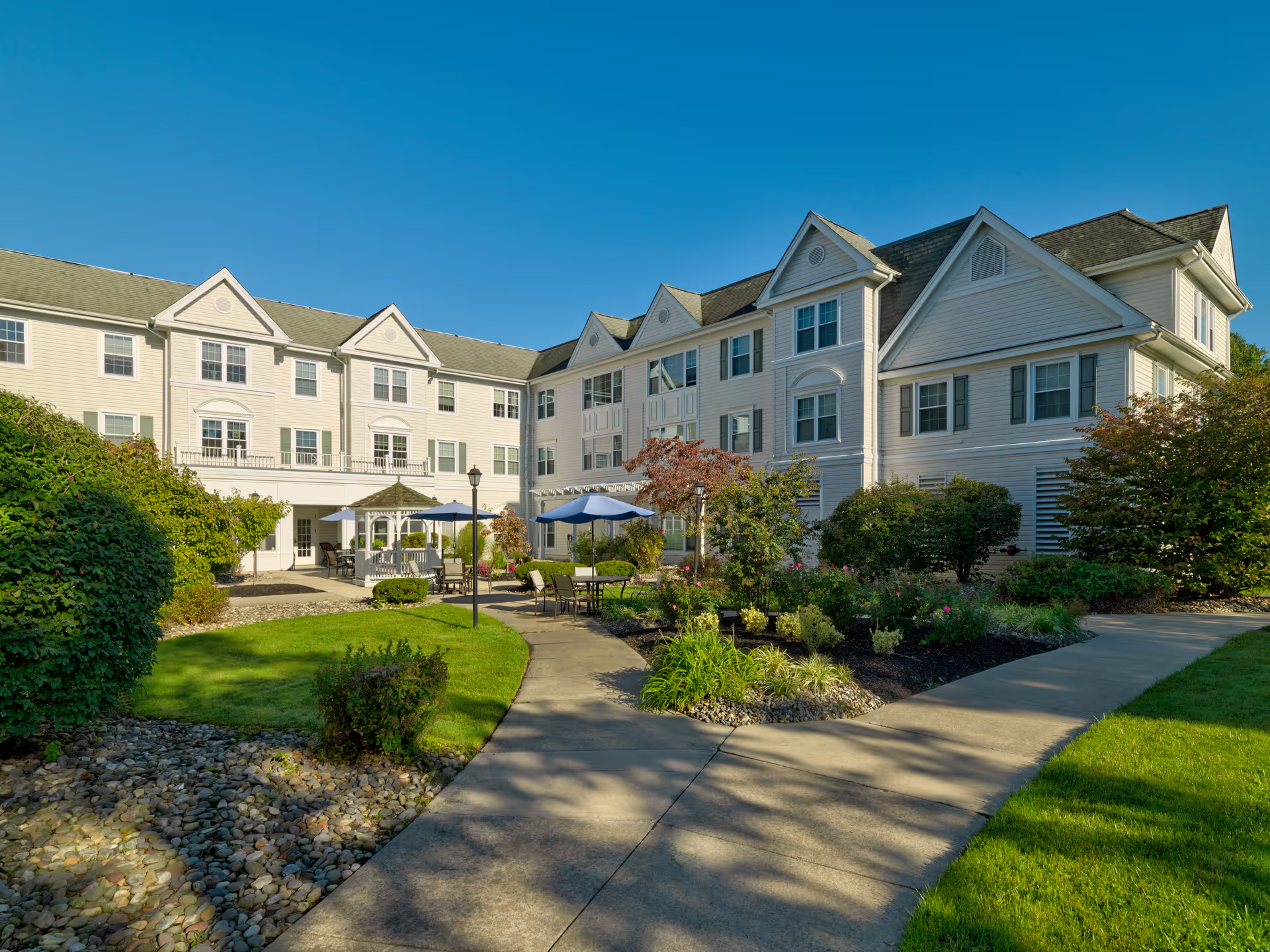
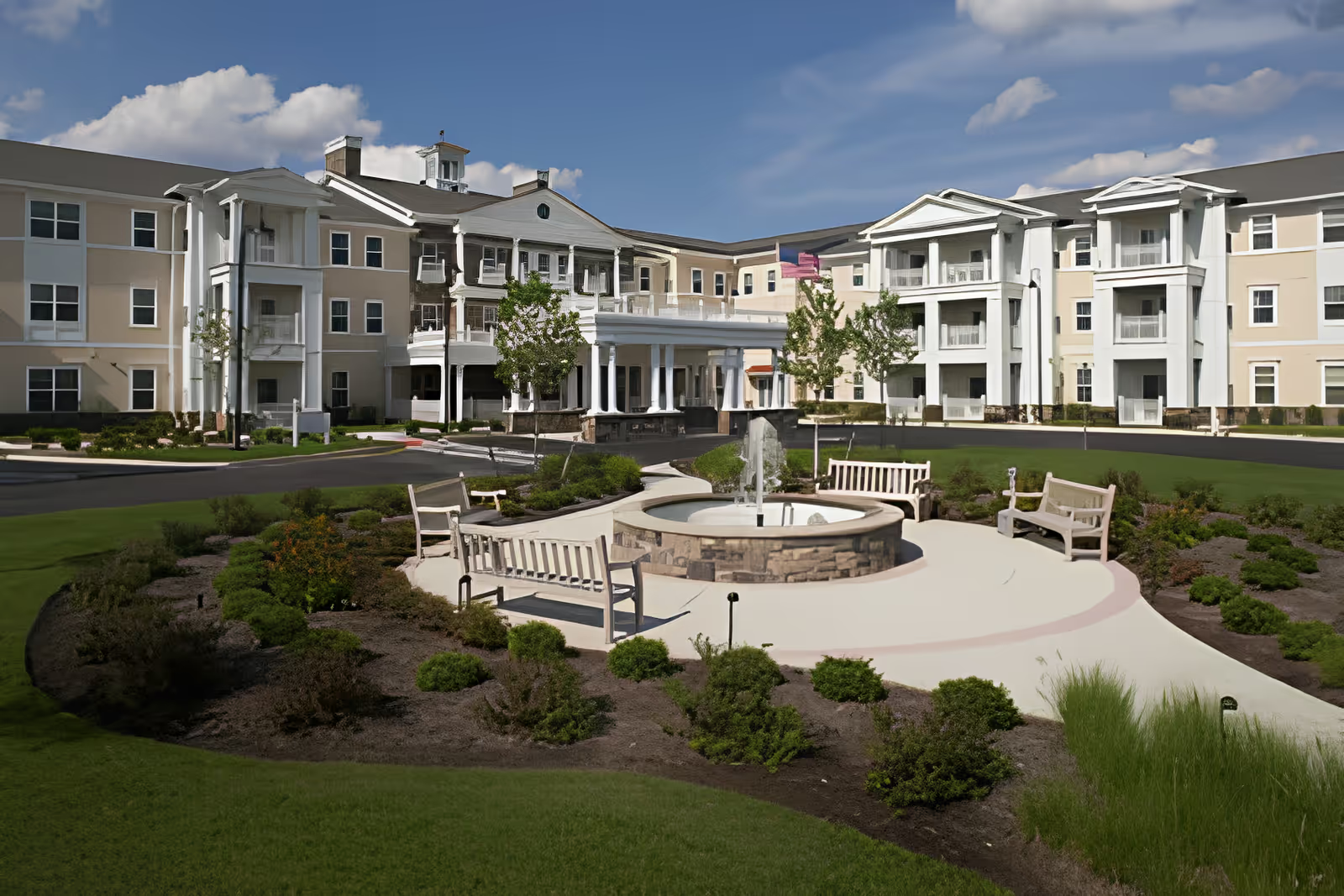
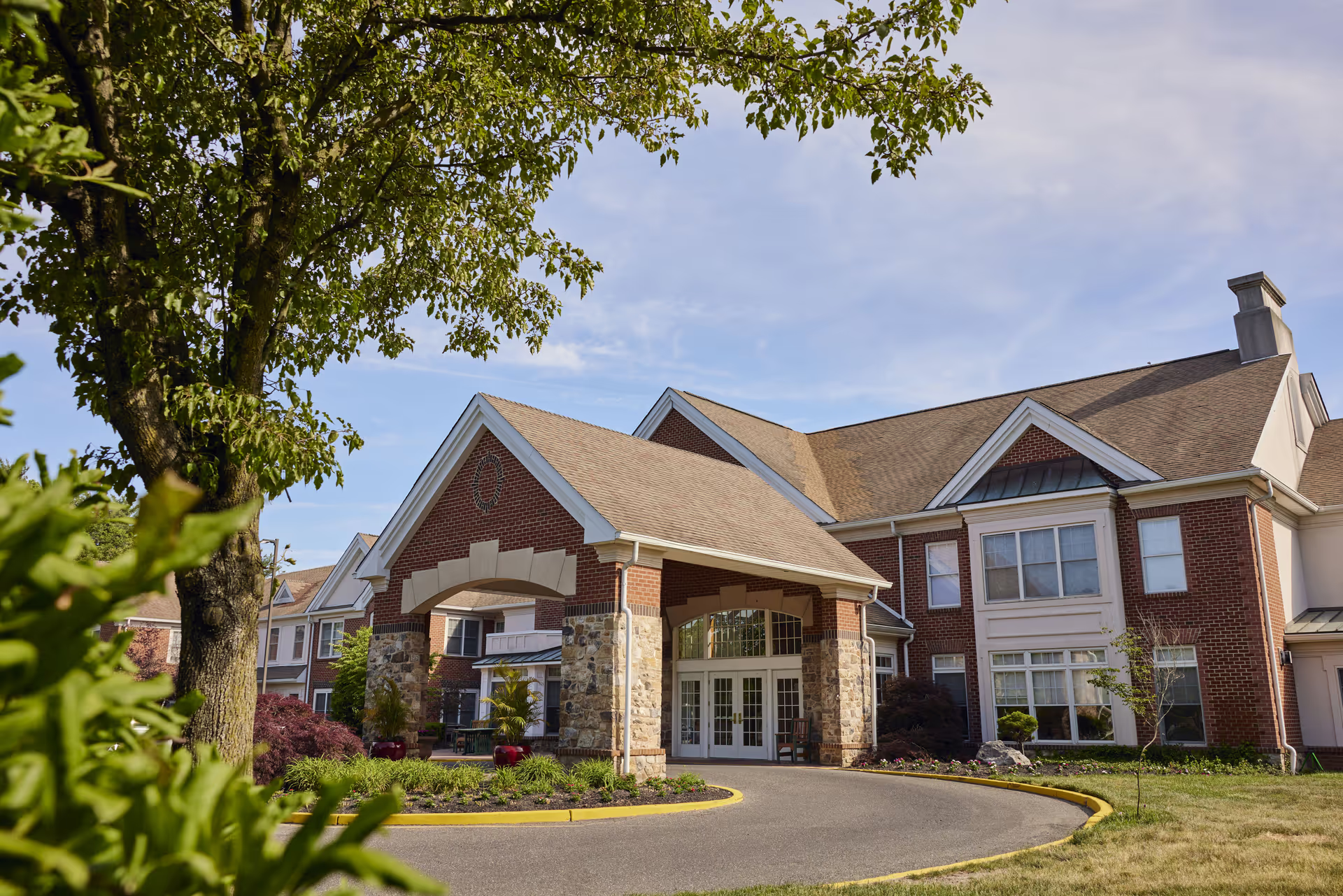
Daytime clinical staff and many CNAs are frequently described as compassionate and attentive; reviewers cited specific nurses, aides, and therapists who provided consistent, person-centered care. The facility has newer, renovated areas and an attractive main entry and courtyard that contribute to a welcoming environment. Activity programming (bingo, crafts, live music) and language/cultural supports (Korean and Romanian programs) were noted as meaningful quality-of-life contributors for residents.
However, a recurrent pattern in the feedback is inconsistency in clinical care and operations. Staffing levels and staff performance appear to fluctuate by shift and unit: nights and weekends are most commonly flagged for slower response times to call buttons and bedside needs. Reviewers described delays in medication administration and timing, occasional failures to follow clinical orders (including wound care and ostomy management), and gaps in routine monitoring such as weights or timely clinical reassessments. These clinical-process weaknesses are often linked to documentation shortfalls and fragmented communication between nursing, therapy, physicians, and families.
Dining and dietary management produce mixed responses. Some reviewers praised meal service and improvements under new culinary leadership, while others reported repetitive menus, inadequate accommodation of special-diet requirements, and inconsistent meal delivery. Laundry, linen turnover, and personal‑property management were described as unreliable in some cases, with families citing missing items or slow replacement of soiled linens.
Facility cleanliness and infection-prevention practices were variably assessed: many reviewers found renovated areas clean and well-maintained, while others described sanitation and odor concerns in specific units, along with housekeeping inconsistencies. Safety practices also showed variability — reviewers raised concerns about transfer and fall-response processes, delayed assistance after falls, and inconsistent use of safety equipment.
Management and oversight receive both praise and critique. Several families singled out administrators, social workers, and specific managers for proactive, helpful engagement; others felt leadership was slow to respond or that corrective actions were inconsistent. Where staff and management were engaged, reviewers tended to report better outcomes and faster resolution of issues.
Overall, Laurel Brook appears to offer strong rehabilitative resources, supportive specialty services (notably dialysis), and committed daytime clinical teams. Prospective residents and families should weigh these strengths against documented operational variability: evaluate night/weekend staffing patterns, verify clinical- and medication‑administration protocols, confirm dietary accommodations, and ask about unit‑level cleanliness and property‑management procedures. A focused tour that includes conversations with therapy leaders, nursing managers for the intended unit, and the social-work team can help clarify whether the facility’s strengths align with an individual’s clinical and quality‑of‑life needs.