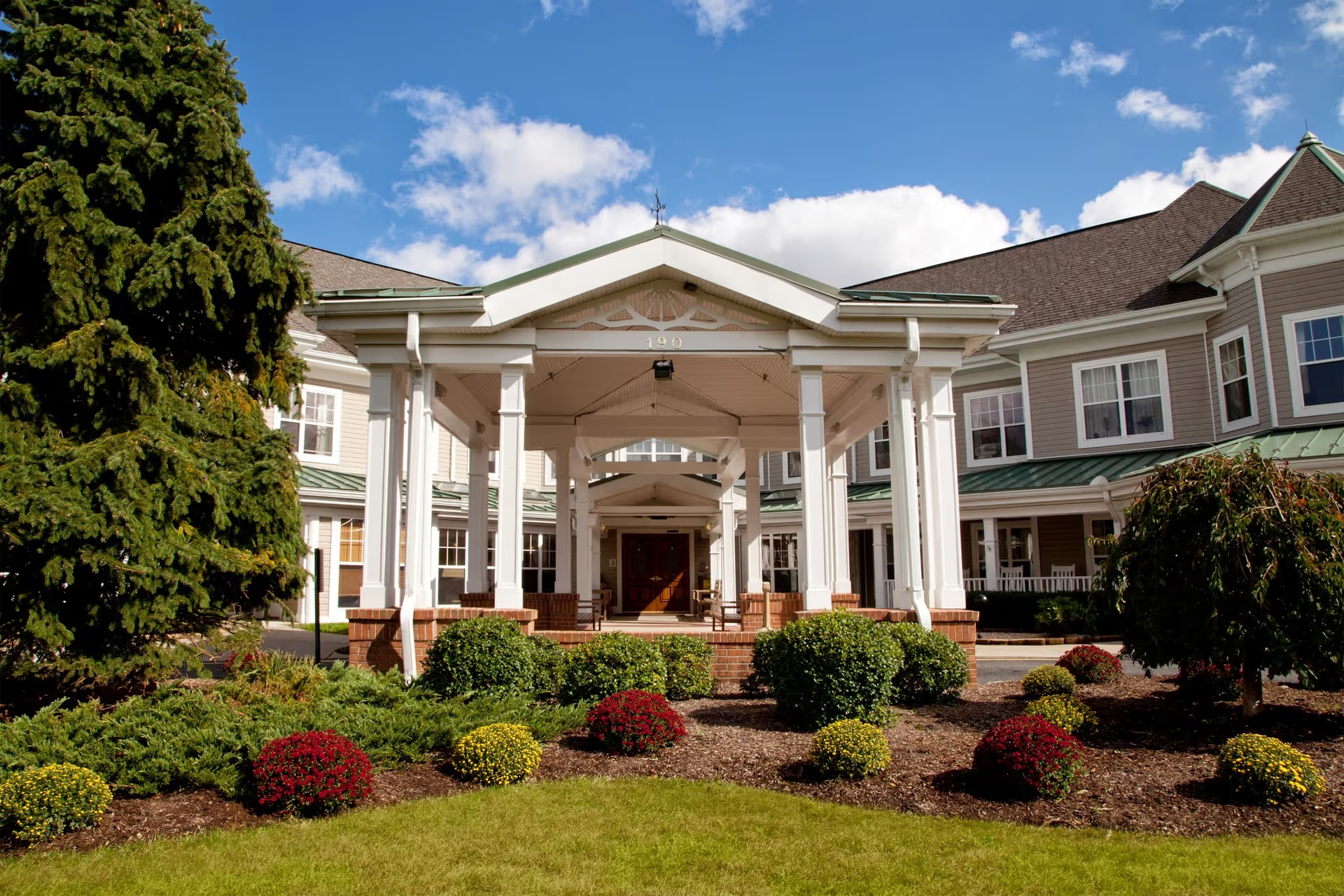
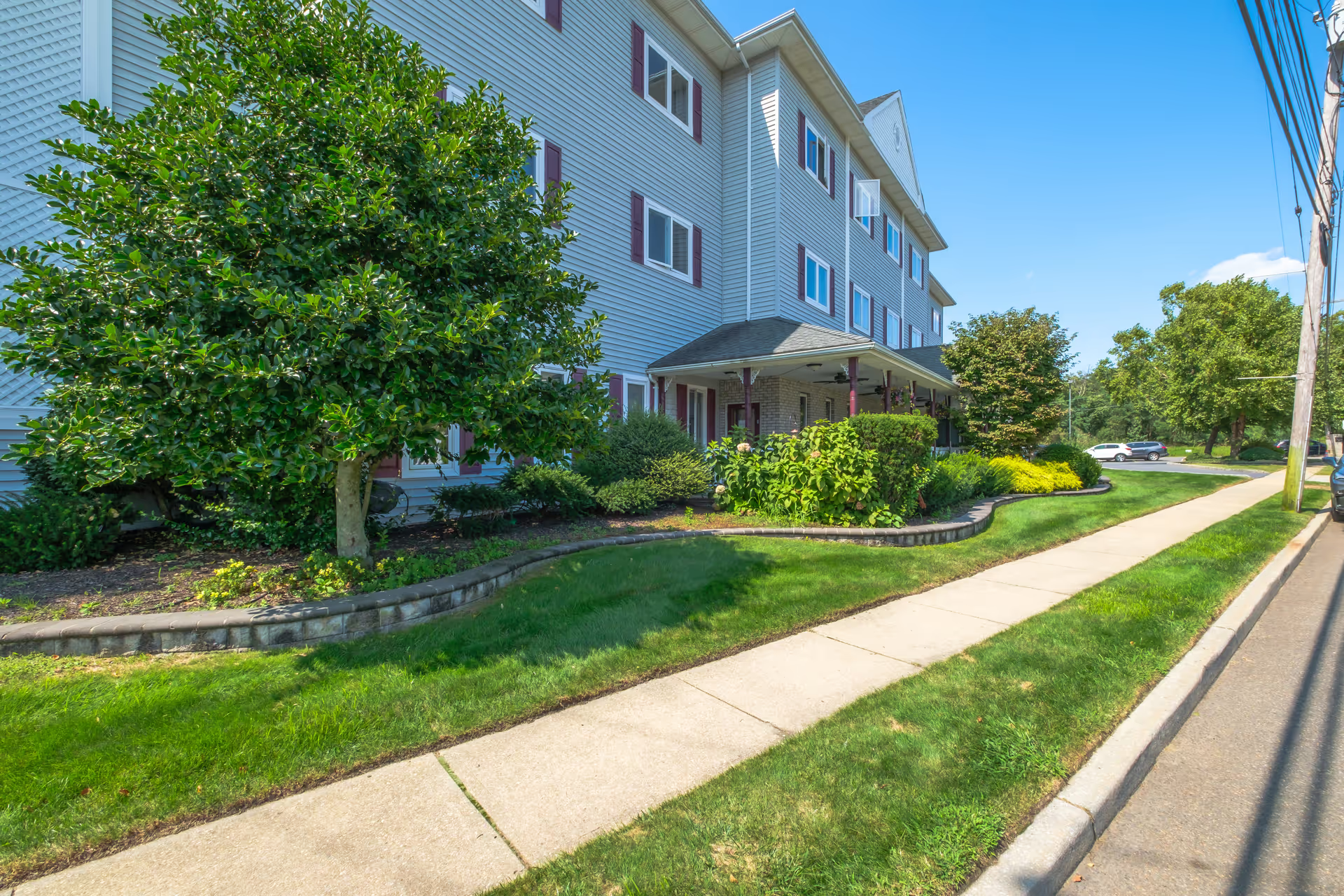
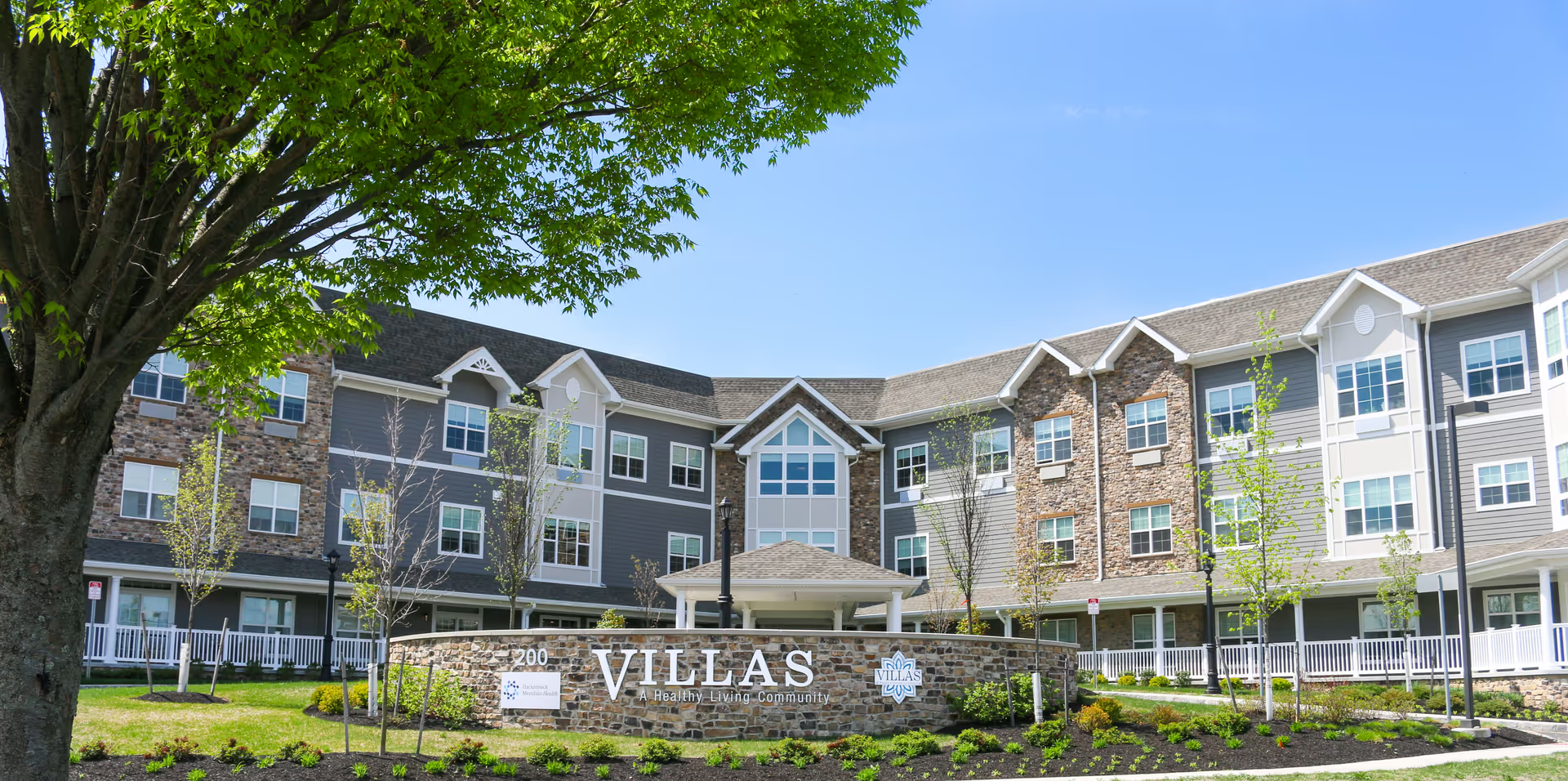
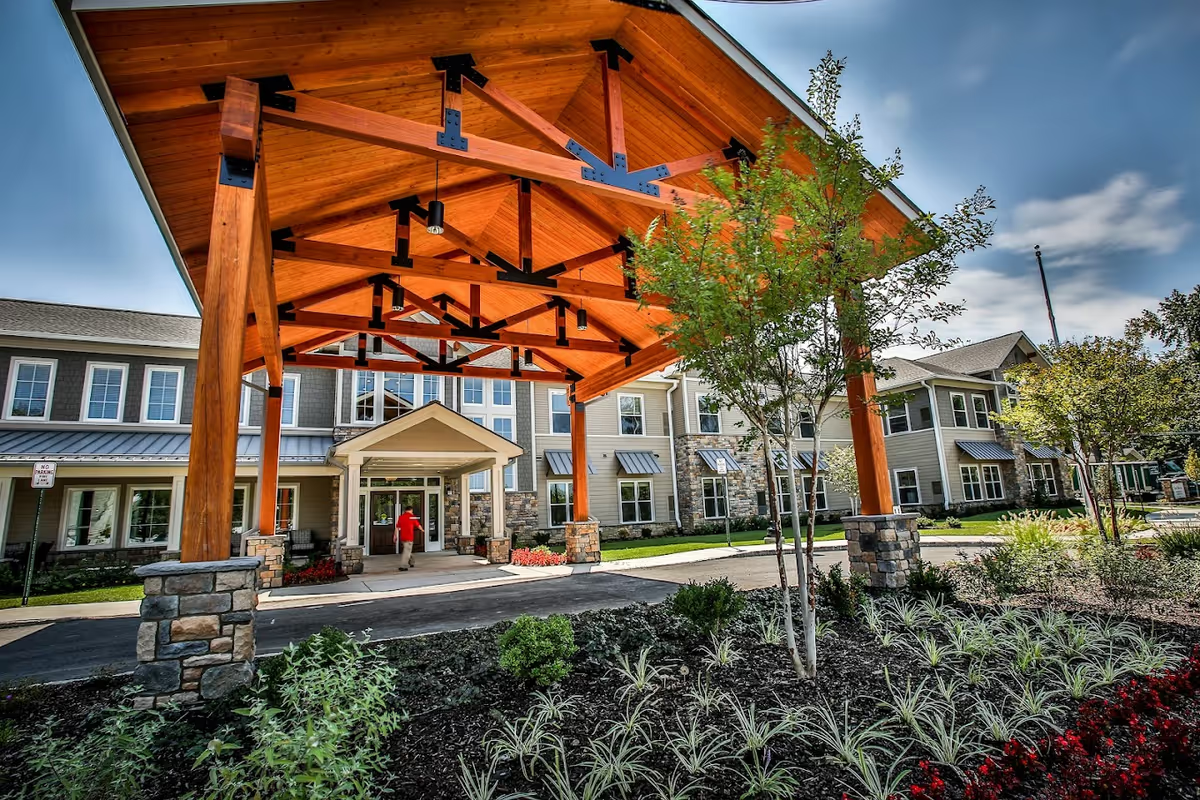
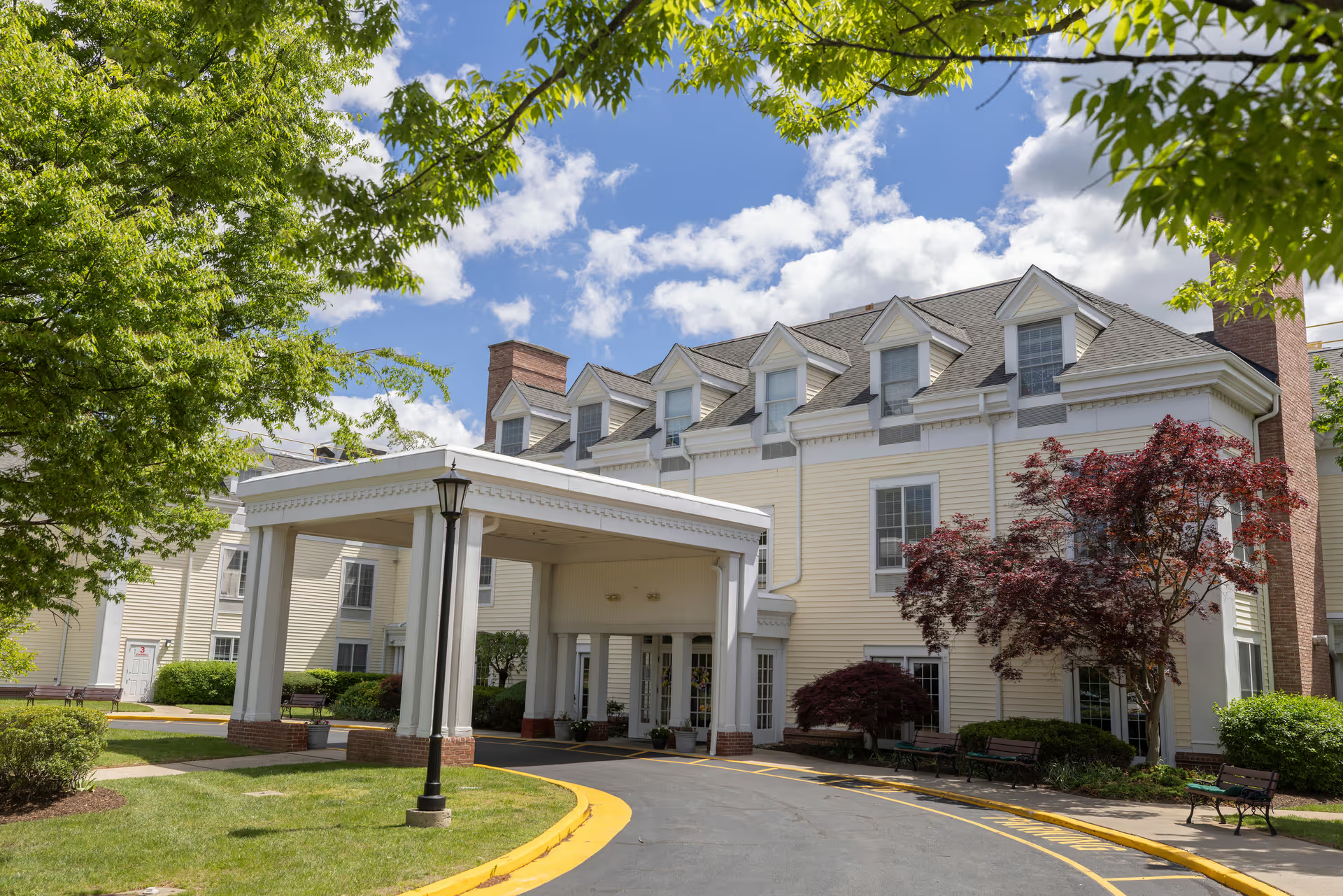
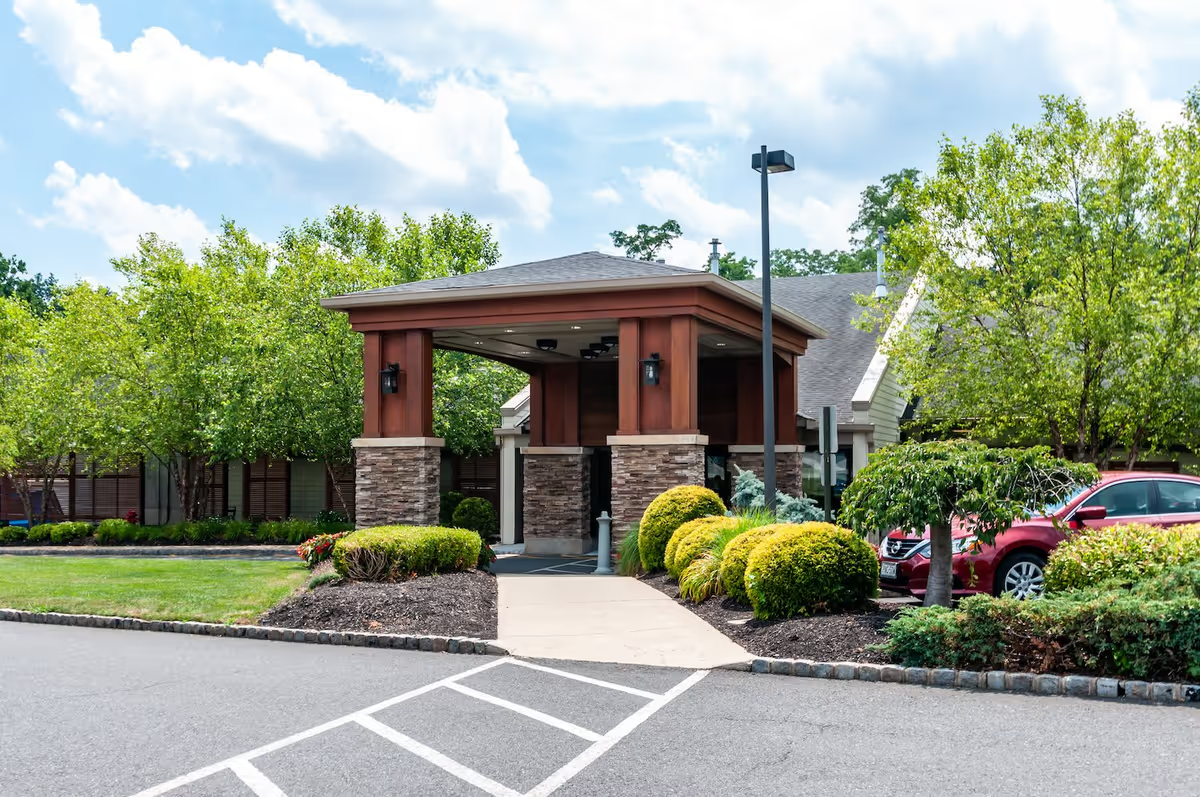
Overall impression: The Venetian Care & Rehabilitation Center receives consistent praise for its rehabilitative services, day-shift nursing, and the facility environment. Many families described meaningful functional gains attributed to physical, occupational and speech therapy, and numerous accounts highlight attentive nurses, aides who go beyond basic duties, and social-work staff who facilitate transitions. The building and grounds are regularly described as clean, modern, and hotel-like, with accessible outdoor areas and visitor-friendly spaces.
Care quality and clinical patterns: Therapy services are a clear strength; reviewers frequently cite intensive, effective sessions and measurable mobility improvements. Nursing care is often characterized as compassionate and competent, particularly on day shifts, but comments reveal variability in clinical responsiveness. Several accounts describe delays in medication timing, slow responses to assistance requests, and uneven adherence to personal-care schedules such as bathing and repositioning. These patterns suggest the facility delivers strong clinical interventions when staffing and communication systems are functioning, but that performance can decline under staffing pressure.
Staffing, conduct, and communication: Reviewers repeatedly identify staffing instability as an operational issue—weekend and night coverage are cited as less reliable than weekday day shifts, and frequent personnel turnover contributes to recurrent training needs. Families noted both highly professional staff (nurses, aides, therapists, social workers) and instances of less attentive or poorly oriented personnel. Communication from social workers and some nursing leaders is frequently praised, yet gaps persist: families want more timely updates after physician visits or hospital transfers, clearer medication-change notifications, and consistent staff-to-family outreach. Room-assignment mix-ups and variable knowledge-sharing among staff also point to process and coordination weaknesses.
Dining and housekeeping: Dining receives mixed feedback. Some reviewers commend the food presentation, adaptive meal options, and the ability to customize portions/ textures; others describe inconsistent food quality, limited menu variety, late service, and operational lapses in meal delivery. A number of comments raise sanitation concerns tied to food handling and cleanliness in certain shared areas (dining, elevator seating, or high-traffic zones). Housekeeping is widely described as thorough in many areas, but a pattern of isolated cleanliness lapses appears intermittently in reviews.
Activities and environment: The facility’s recreational programming, themed dining, and on-site activities are noted as beneficial for socialization and morale. Physical environment benefits include bright, well-maintained rooms, frequent cleaning, and comfortable public spaces that families find appealing. Reviewers who used the outdoor areas and family dining options reported positive experiences.
Management and operational themes: Positive interactions with admissions and social-work teams contrast with criticism of operational consistency. Management strengths include effective transitions and individualized discharge planning in many cases; weaknesses center on staffing models, onboarding practices for new employees, and coordination between clinical teams. Several reviewers recommend verifying weekend/night staffing levels, confirming call-response protocols, and clarifying who will serve as the primary point of contact for clinical updates.
What prospective families should consider: The Venetian demonstrates notable strengths in rehabilitation, a generally clean and modern environment, and several committed clinical staff members. Prospective residents and families should ask specific questions about weekend and night staffing, call-button response times, medication-administration protocols, meal-service schedules and alternatives, and how the facility handles physician/hospital communication. Requesting the therapy schedule and examples of routine family update practices can help set expectations. Where continuity of care is critical, consider identifying an explicit family contact person or care advocate to help ensure consistent communication and follow-through.