Heritage of Clara Barton is described across reviews as a community with a clearly strong caregiving culture and an active programming slate. Care and staffing receive consistent praise: families and residents highlight compassionate, attentive aides, nurses, and therapy teams, with on-site physical and occupational therapy and regular nursing visits cited as tangible strengths. Many reviewers noted effective infection-control practices and steady family communication during infectious outbreaks, including daily updates and virtual meetings, which contributed to a sense of safety and trust. Leadership is frequently described as proactive and engaged, particularly during public-health events.
Dining and programming are mixed areas. The facility offers multiple meal choices, special events (for example barbecues and holiday gatherings), and an engaged dining/kitchen staff in several accounts, but other comments point to inconsistent food quality, limited fresh-produce availability, and an institutional dining feel at times. Activities and recreation are widely available — theater, bingo, crafts, outings, social clubs, and frequent events — and many residents appear active and engaged. That said, activity access can be uneven between assisted and independent living or among different floors; independent residents on higher floors sometimes experience fewer organized social offerings.
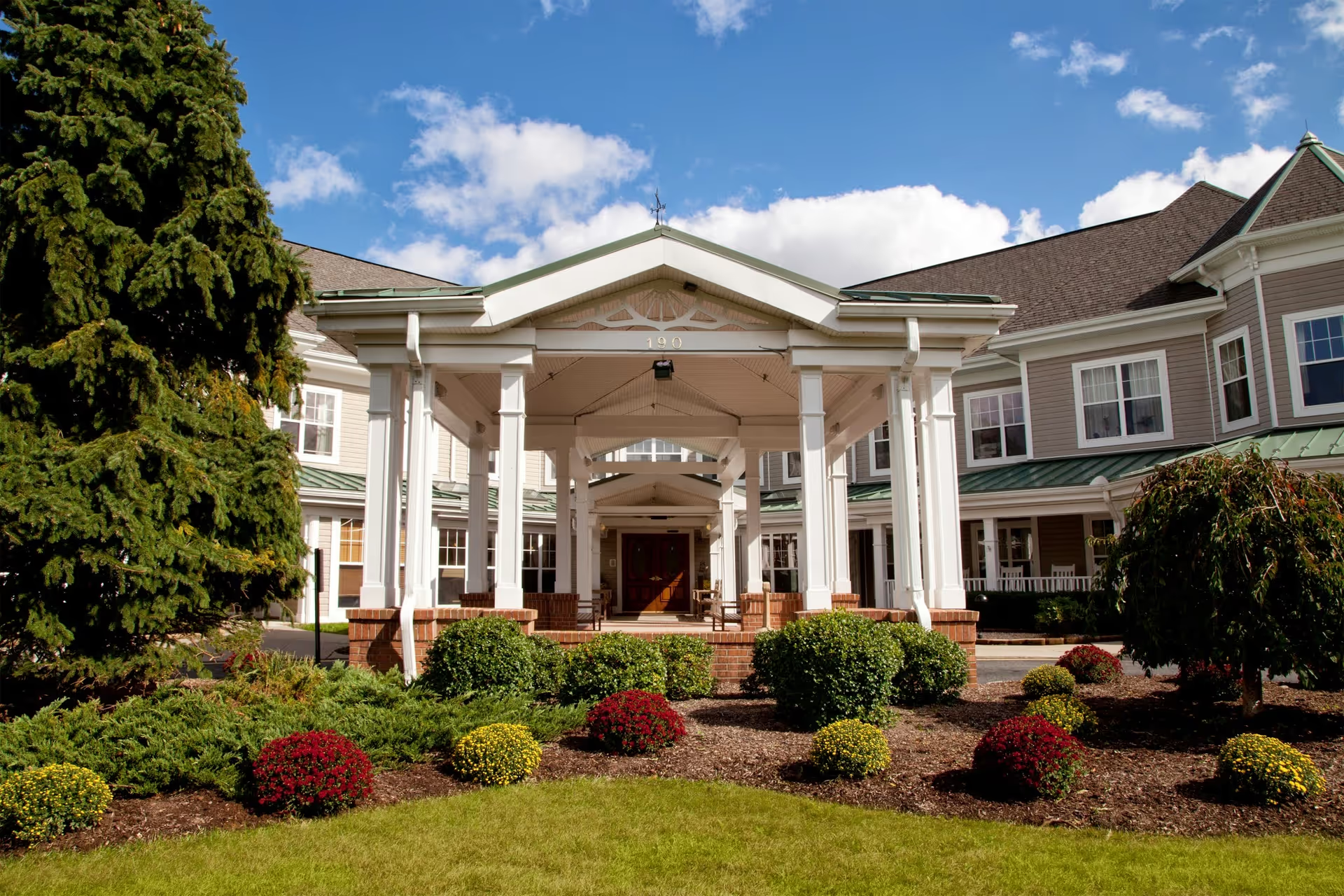
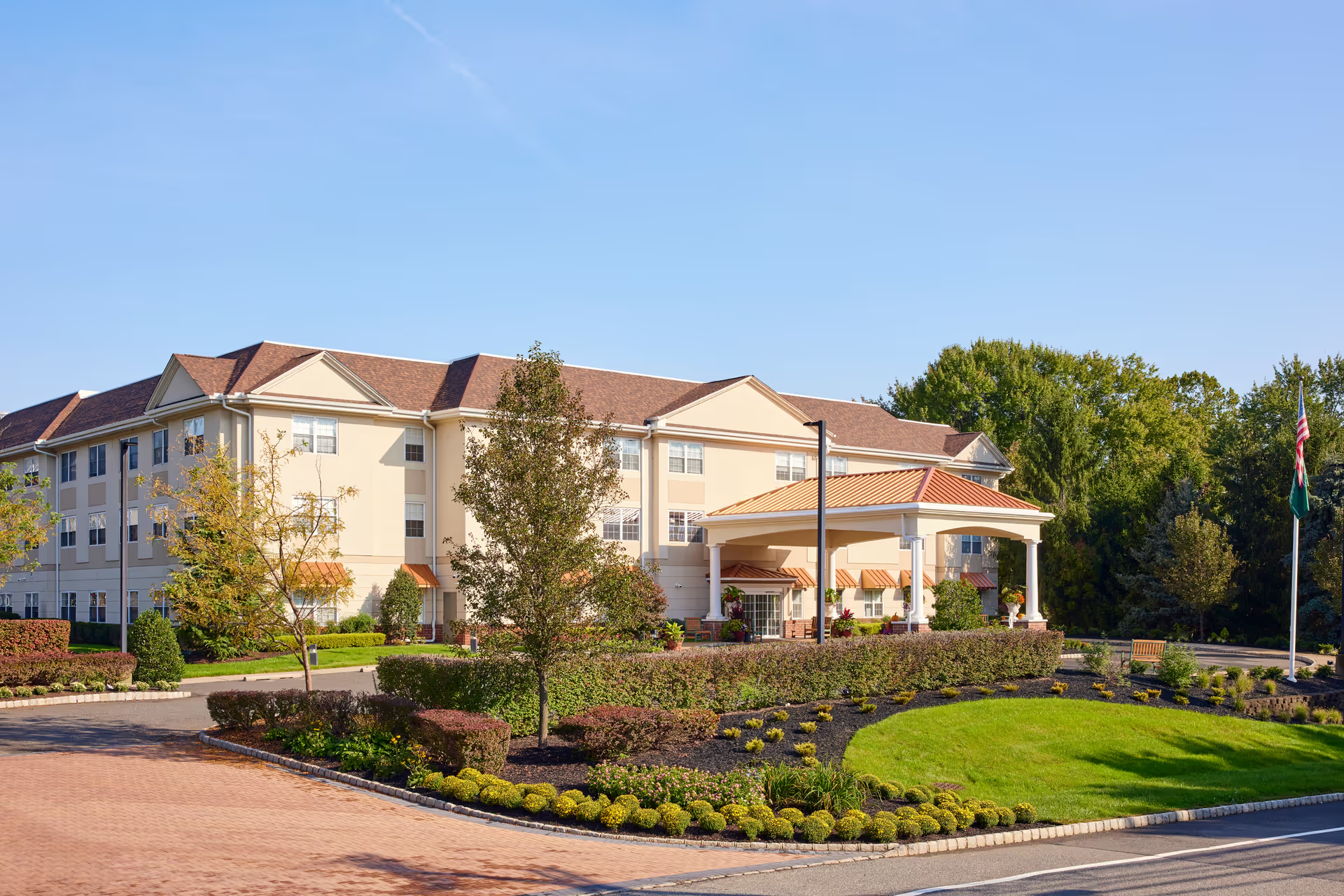
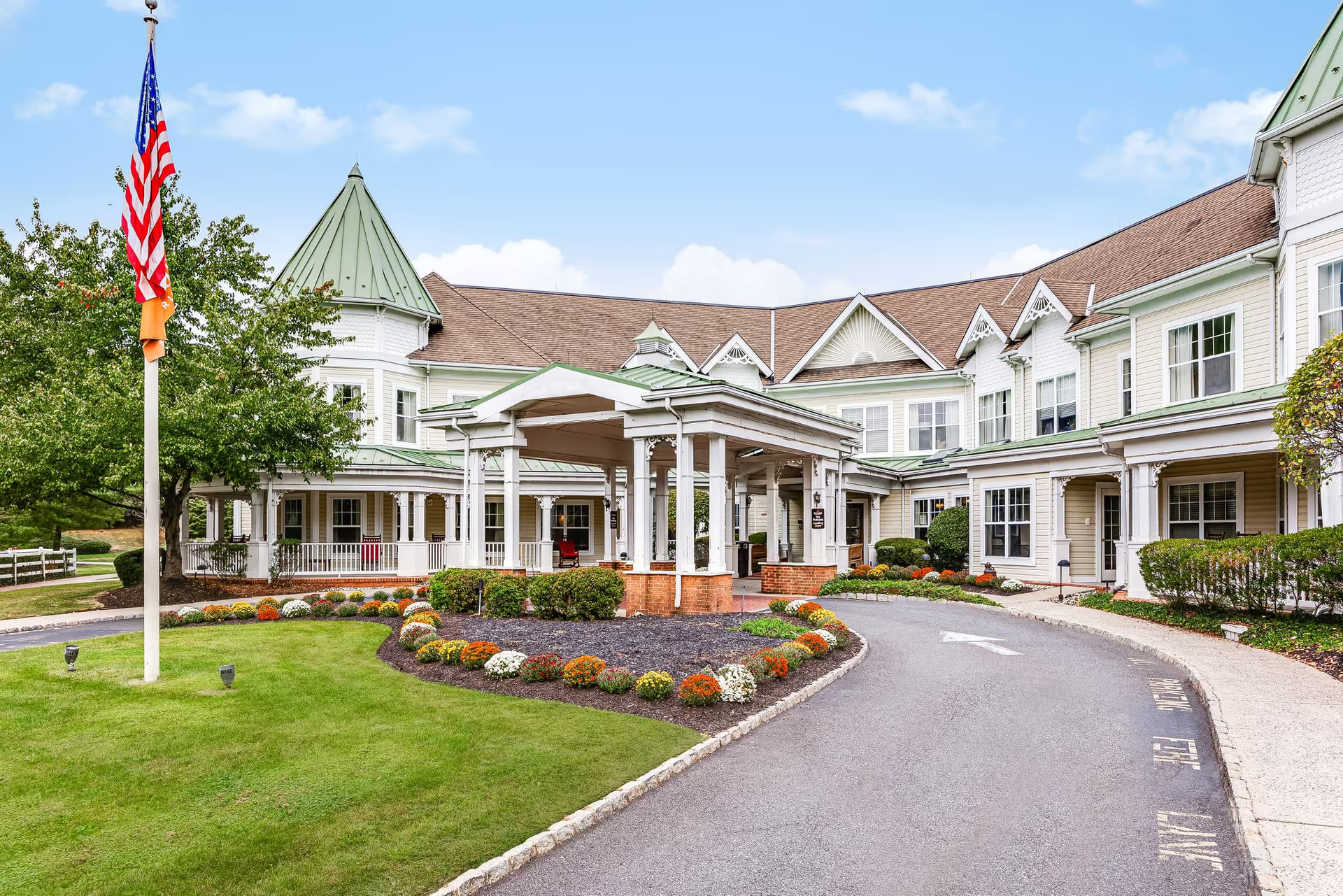
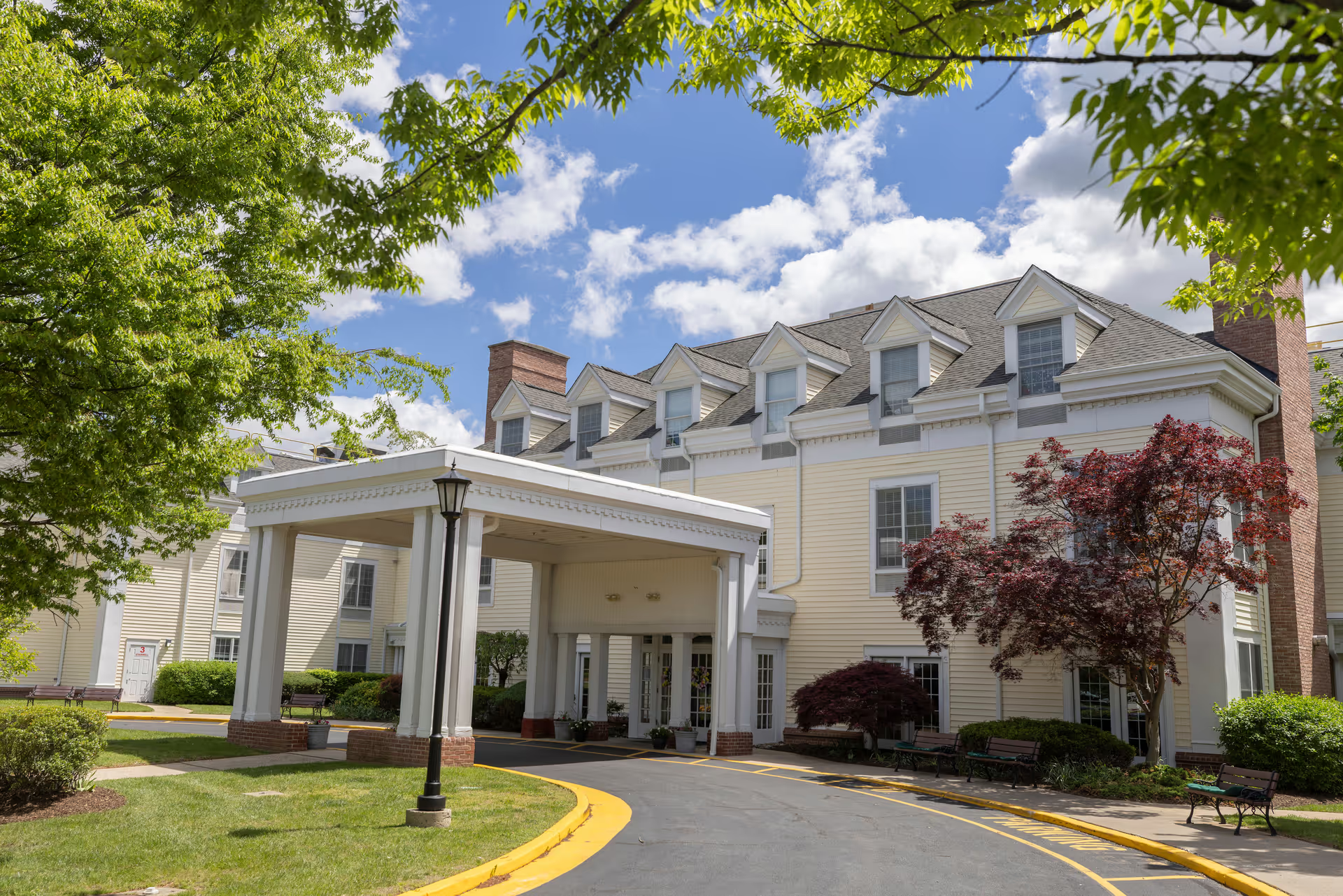
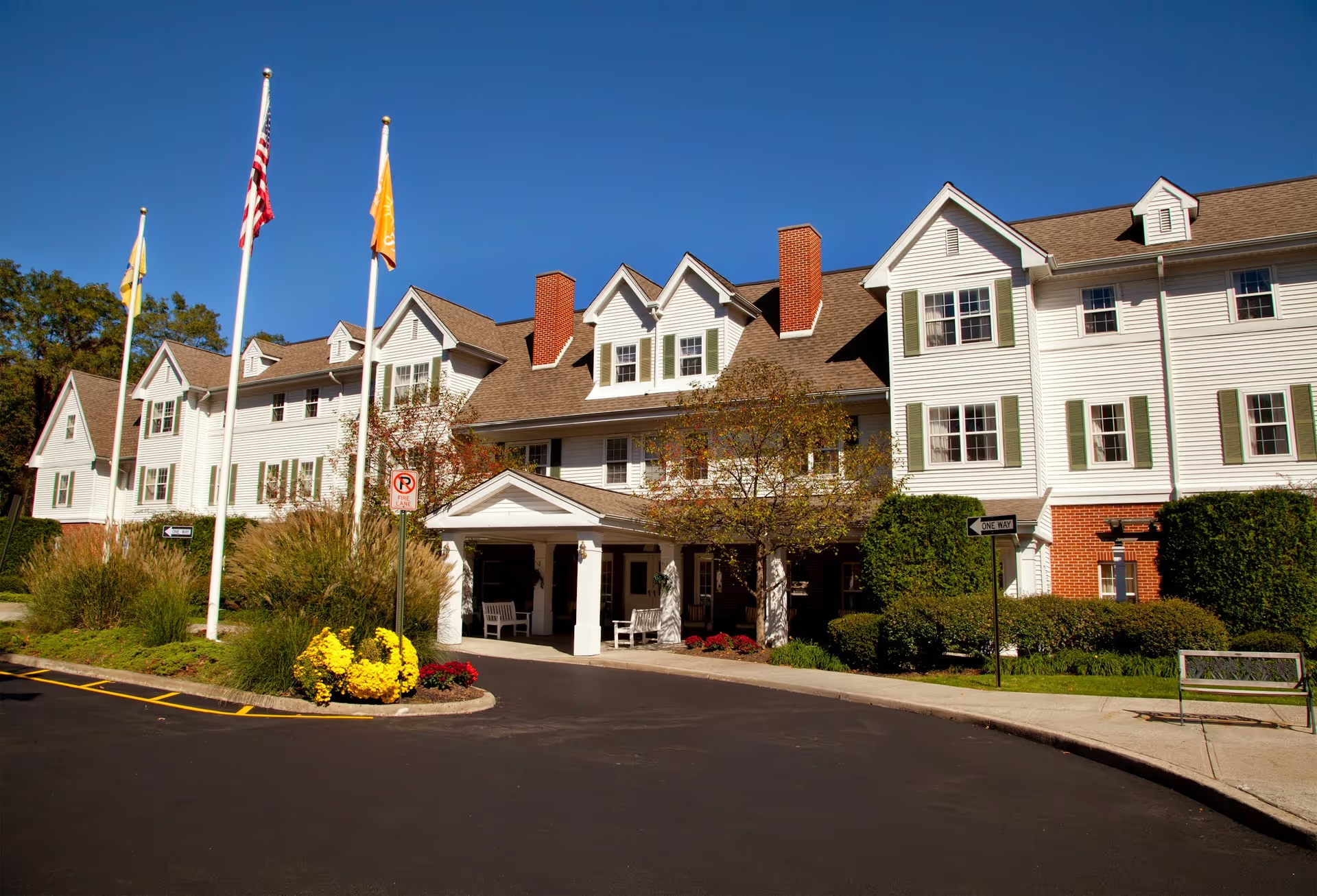
The physical plant is generally described as clean and well maintained, with attractive common areas such as a large dining room, lobby, library, and theater. Reviews indicate ongoing renovations and a mix of updated and older spaces; some apartments are described as spacious and bright while others are characterized by small footprints, dated finishes, or uneven heating. Outdoor and green space are limited in places, and certain amenity updates (e.g., unfinished floors or inconsistent laundry arrangements) were mentioned.
Operationally, families note a pattern of strong staff commitment but also occasional strain: staffing stretch or turnover can affect responsiveness, and administrative areas (billing, move-in logistics, and follow-up after tours) show occasional communication gaps. Visitation and quarantine policies are perceived as rigid during outbreaks, which has been a source of family anxiety despite the facility’s infection-control efforts. There are also indications of limited immediate availability due to waiting lists.
A small number of isolated serious concerns were raised, including an allegation of Legionella exposure and worries following a resident's death; these accounts underscore the importance for prospective families to ask direct questions about incident response, regulatory records, and communication protocols. Overall, the dominant patterns are strong, empathetic direct care and an active community life balanced against infrastructure variability, occasional administrative shortfalls, and mixed dining experiences. Prospective residents should prioritize a tour of specific unit types, a review of the current activity schedule for their intended floor, and clear conversations about dining options, incident-handling procedures, and waitlist timing before deciding.