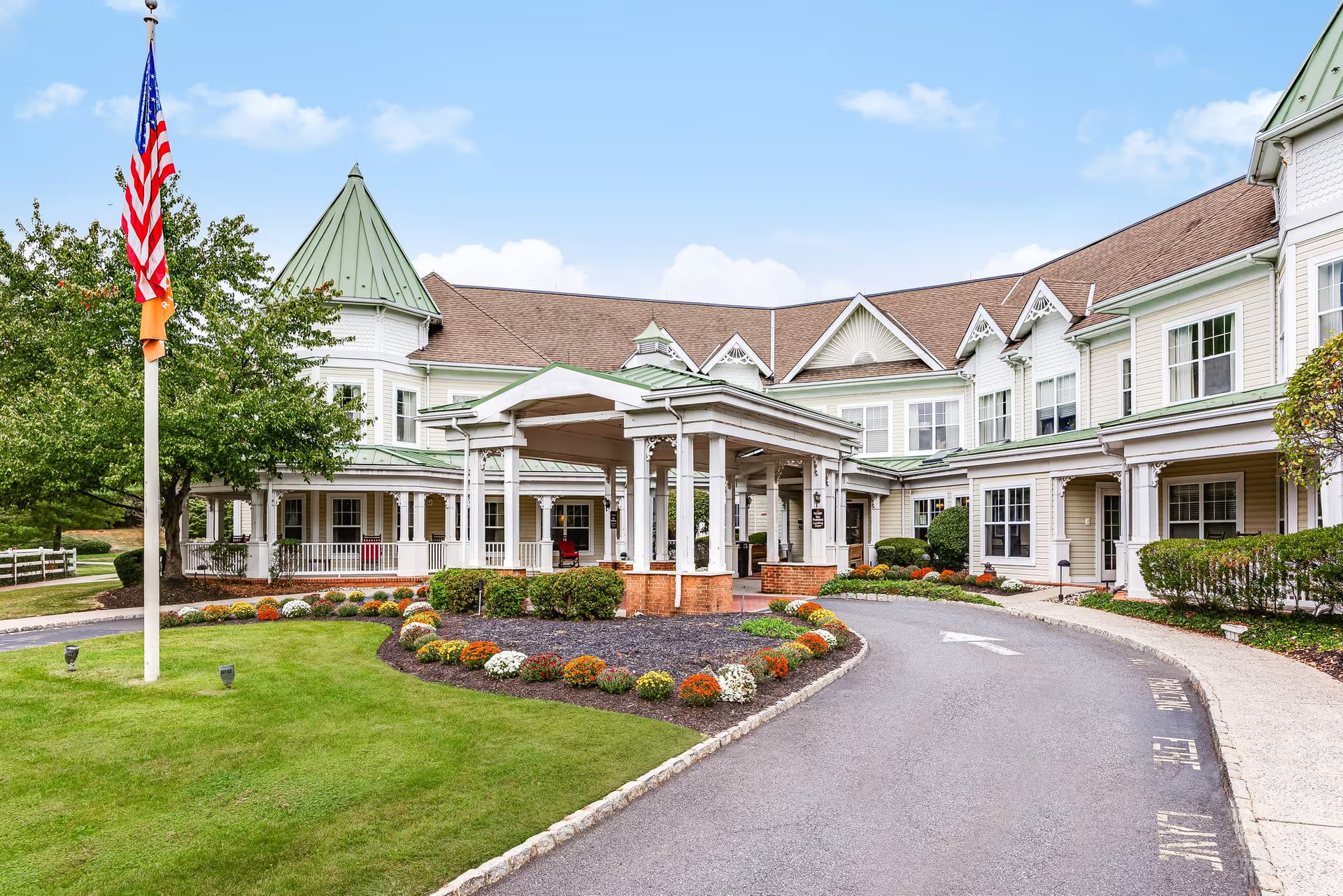
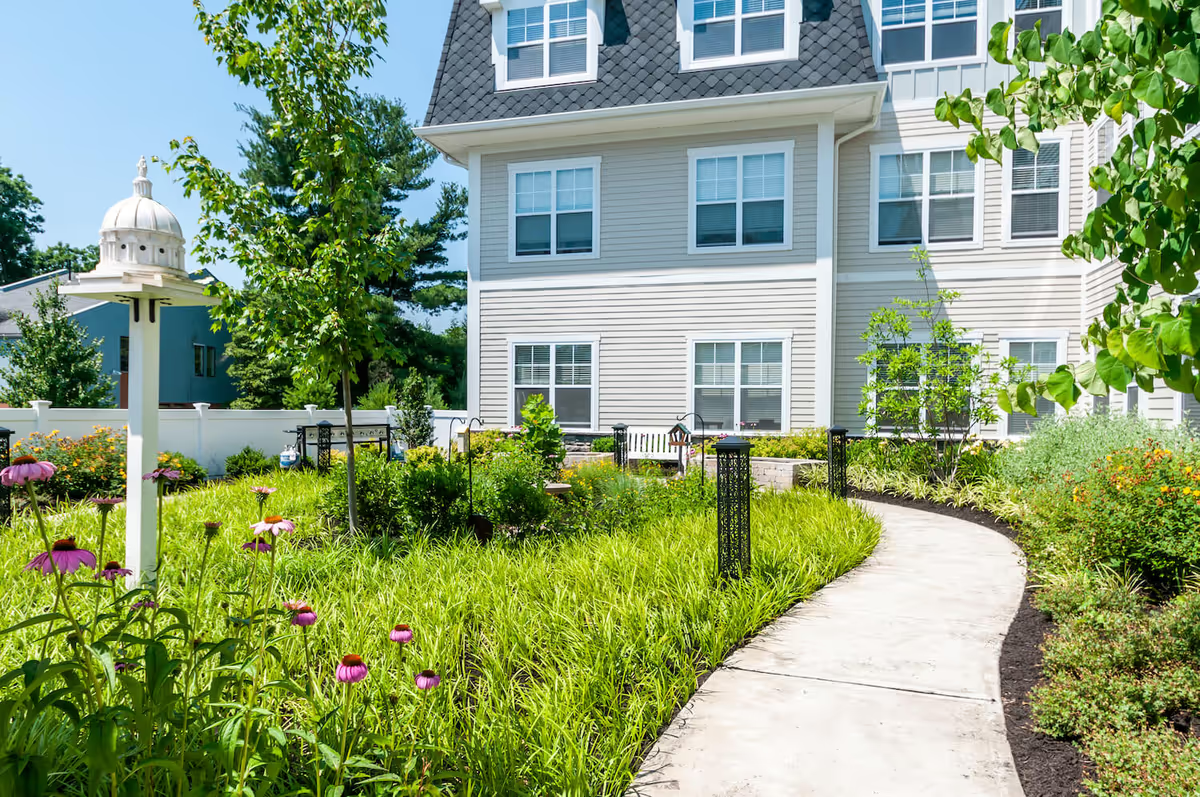
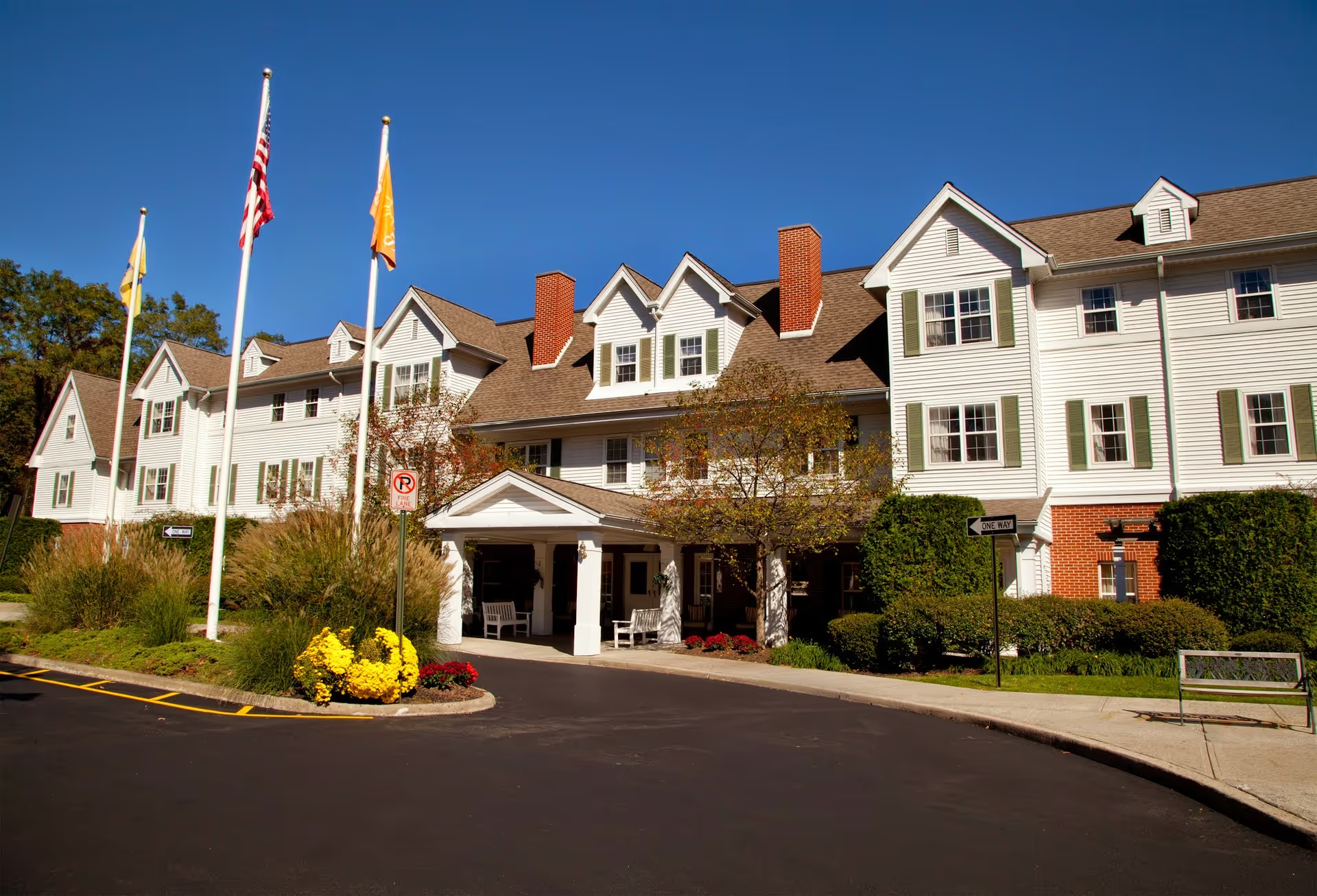
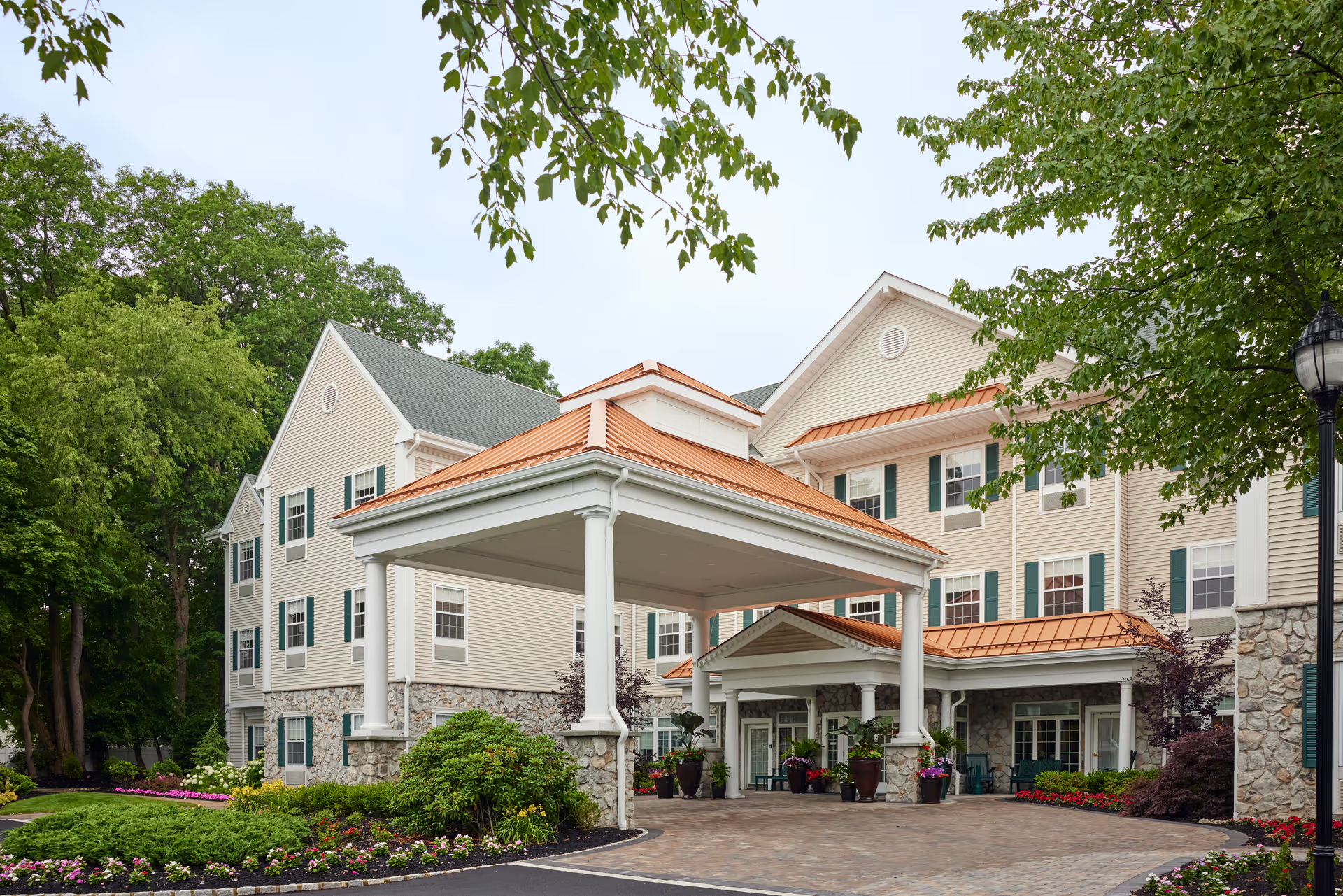
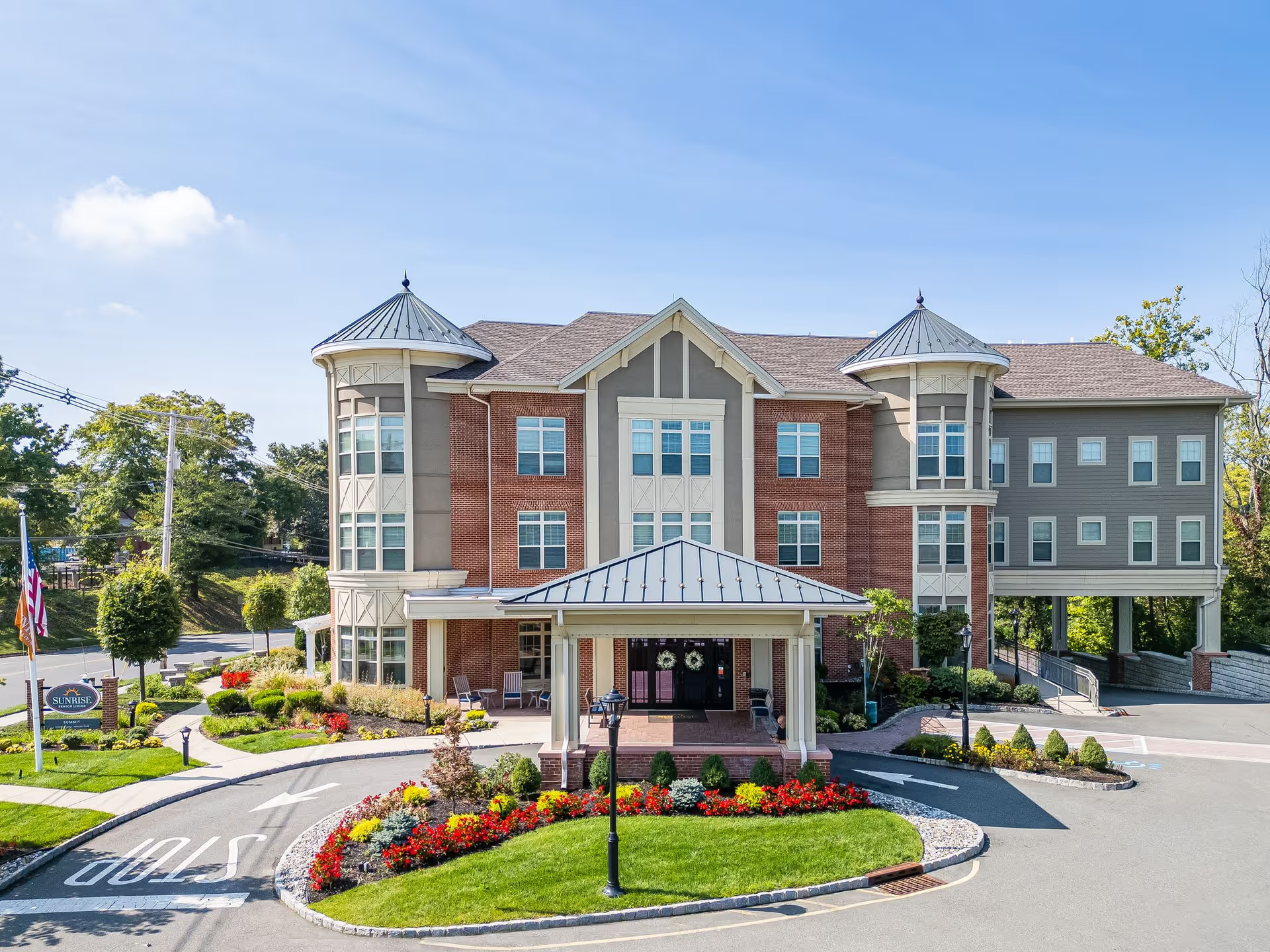
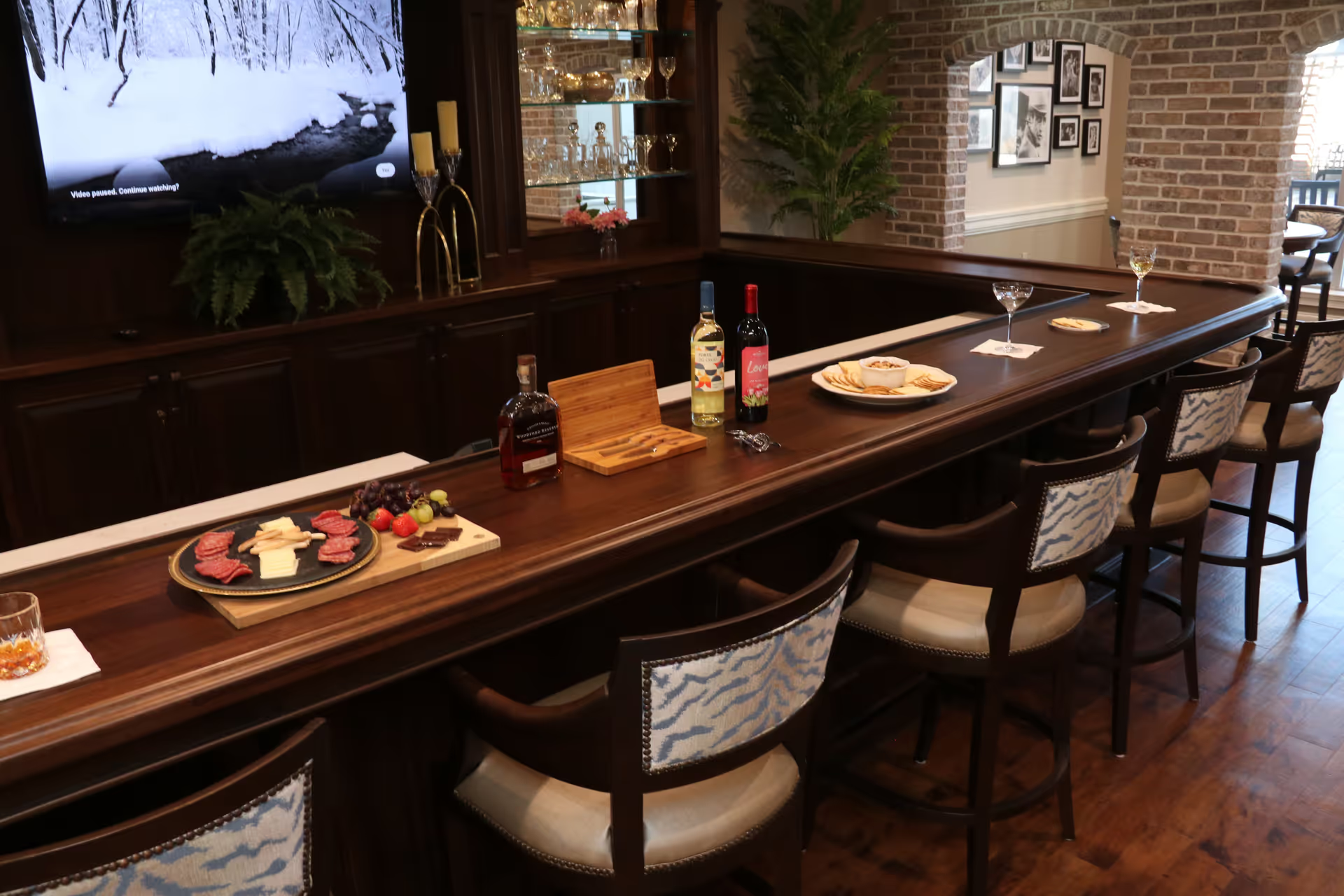
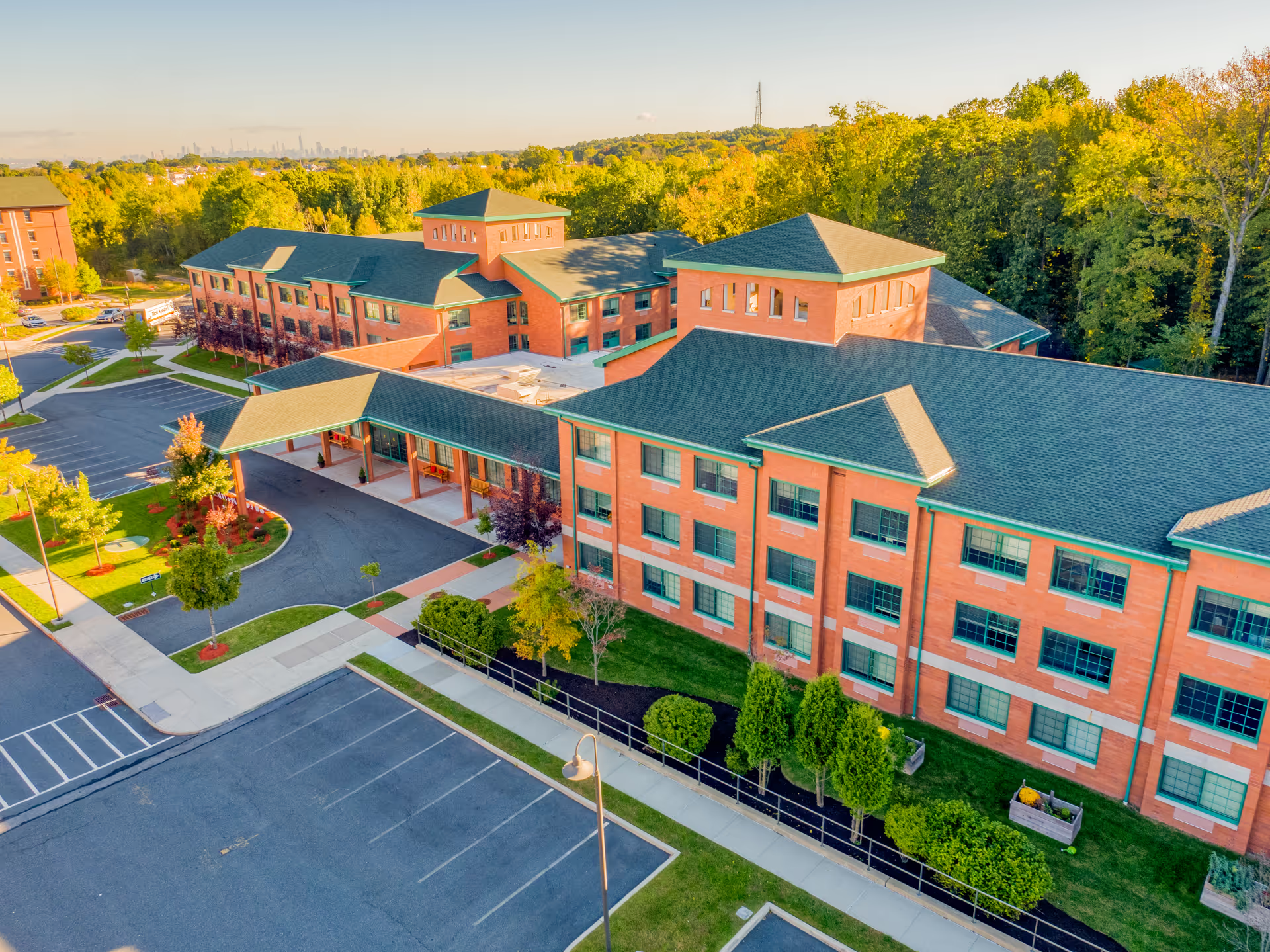
Atria Cranford generates strongly polarized impressions. Many families praise the community’s compassionate front-line staff, especially within memory care, and highlight engaged leadership, a broad activities calendar, on-site therapy, and restaurant-style dining. The building and grounds are regularly described as clean, hotel-like and well maintained, with a wide range of amenity spaces (movie room, library, game rooms, courtyard) that support social engagement. Admissions and tour experiences, along with initial onboarding, are often characterized as informative and reassuring, and the campus offers a range of private-room configurations and regular transportation for outings.
Care quality appears mixed but with clear strengths. Positive accounts point to attentive aides, skilled therapists, and memory-care programming that helps residents reconnect with familiar interests. At the same time, a pattern of clinical and operational concerns emerges: families have described gaps in clinical documentation, inconsistent communication about medication changes, and instances where higher-acuity needs exceeded the team’s capabilities. Several reviewers specifically raised worries about night coverage, delays in clinical responses, and monitoring practices. These concerns suggest the facility may be well suited for many assisted-living and short-term rehab residents but can be strained when caring for residents with complex or rapidly changing medical needs.
Staffing and culture are another area of divergence. Many reviews commend individual staff members and long-tenured caregivers and note that leadership (sales, executive, and memory-care directors) can be highly responsive. Conversely, reviewers have also described elevated turnover, variable training and language competency among some aides, and periods when staff appeared overextended. These operational fluctuations appear to correlate with variations in day-to-day responsiveness, activity participation, and the consistency of housekeeping and laundry services.
Dining and activities are generally highlighted as strengths. The dining room is frequently described as restaurant-like, with varied menus and portion sizes that some residents enjoy; therapy-supported dining and social meals are cited as beneficial. That said, food quality and menu consistency are uneven in some accounts, and limited vegetarian choices or menu variability have been noted. The activities program is broad — ranging from music and exercise to organized outings and memory-music programming — and many residents benefit socially and functionally. A consistent theme is that engagement is best for residents who are able-bodied and socially outgoing; families of residents with advanced dementia sometimes find the offerings less appropriate or not sufficiently adapted.
Facilities, aesthetics, and amenities receive steady praise: clean common areas, attractive decor, and useful communal spaces are recurring positives. However, isolated cleanliness and pest-control concerns, laundry errors, and occasional room maintenance issues were reported, indicating uneven execution of facility upkeep in some areas. Security for personal property and clarity around billing are recurring operational weaknesses; reports describe instances of misplaced items and confusion about final bills or add-on charges, suggesting the need for clearer property-handling protocols and transparent pricing communication.
Management performance is described as capable and communicative by many families, particularly when executive or business directors are directly involved. The organization’s pandemic communication and certain staff members receive explicit commendation. At the same time, reviewers note that resolving problems sometimes requires escalation to senior leadership and that billing, re-enrollment, and contractual clarity can be cumbersome. The pricing model, while offering many amenities, is perceived as expensive by many families and complicated by à la carte fees and occasional mid-year price changes.
Overall pattern and guidance for prospective families: the facility offers strong amenity value, an active social environment, and heartfelt caregiving in many cases, especially for residents who need assisted living or rehabilitative services. However, prospective residents with higher clinical acuity or families prioritizing absolute consistency in staffing, night coverage, and property safeguards should probe those areas closely. Useful topics to address on a visit include current staffing ratios (day and night), training and language competency of aides, medication-communication protocols, billing and add‑on fees, property-handling policies, pest-control measures, and the facility’s experience with long-term dementia progression. Observing the memory-care unit during an activity period and requesting a trial stay or short-term respite placement may help families evaluate fit given the documented variability in experiences.