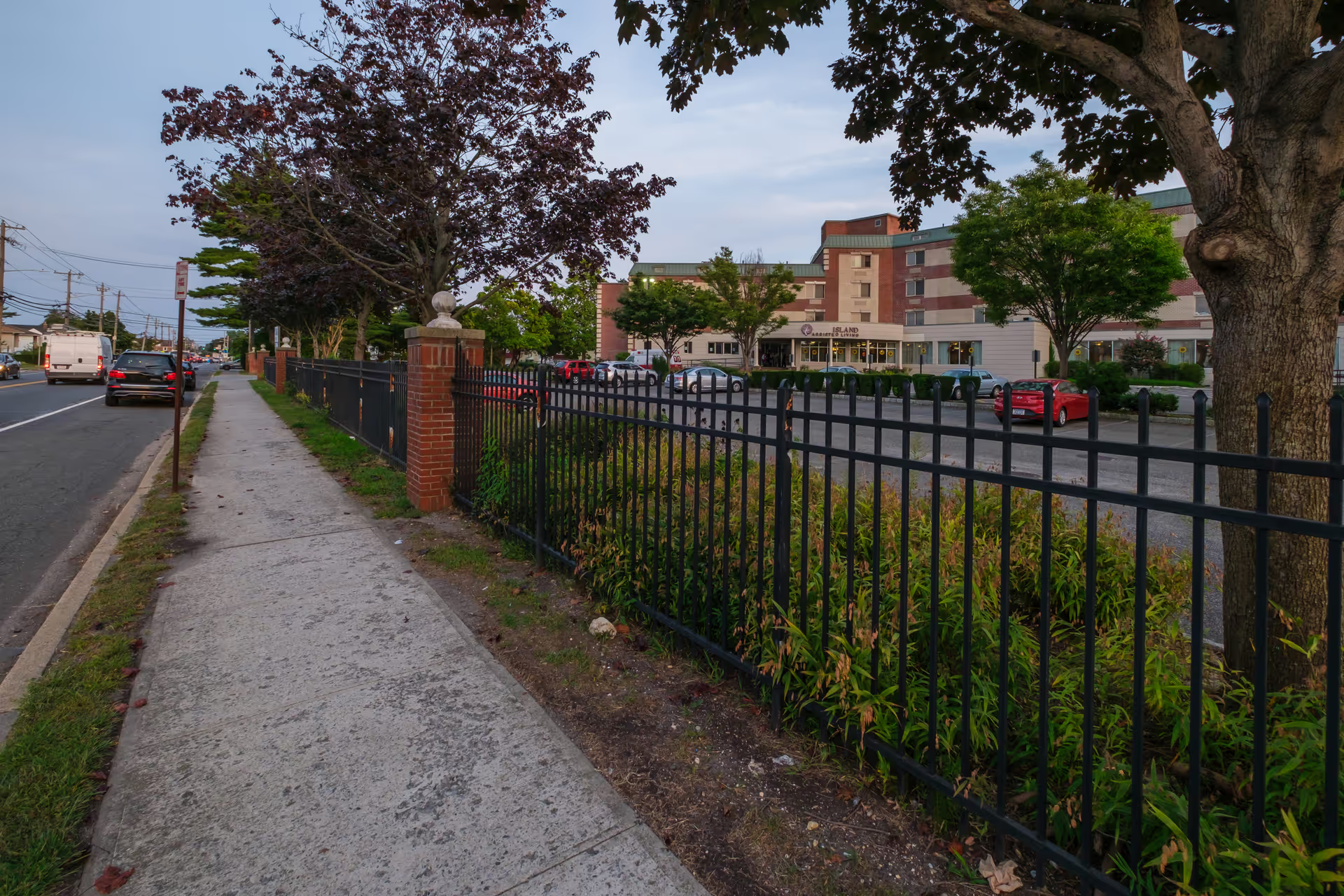
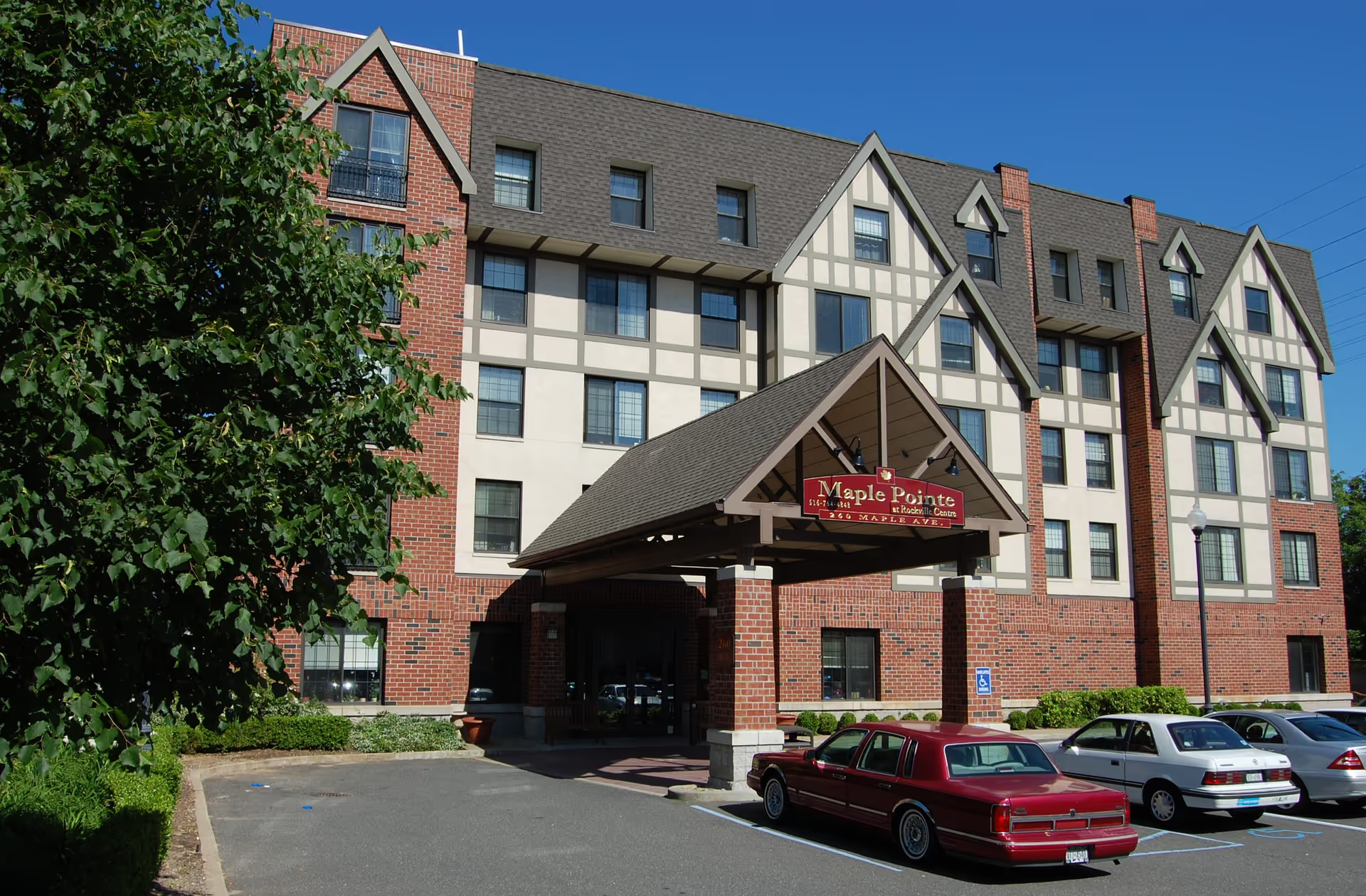
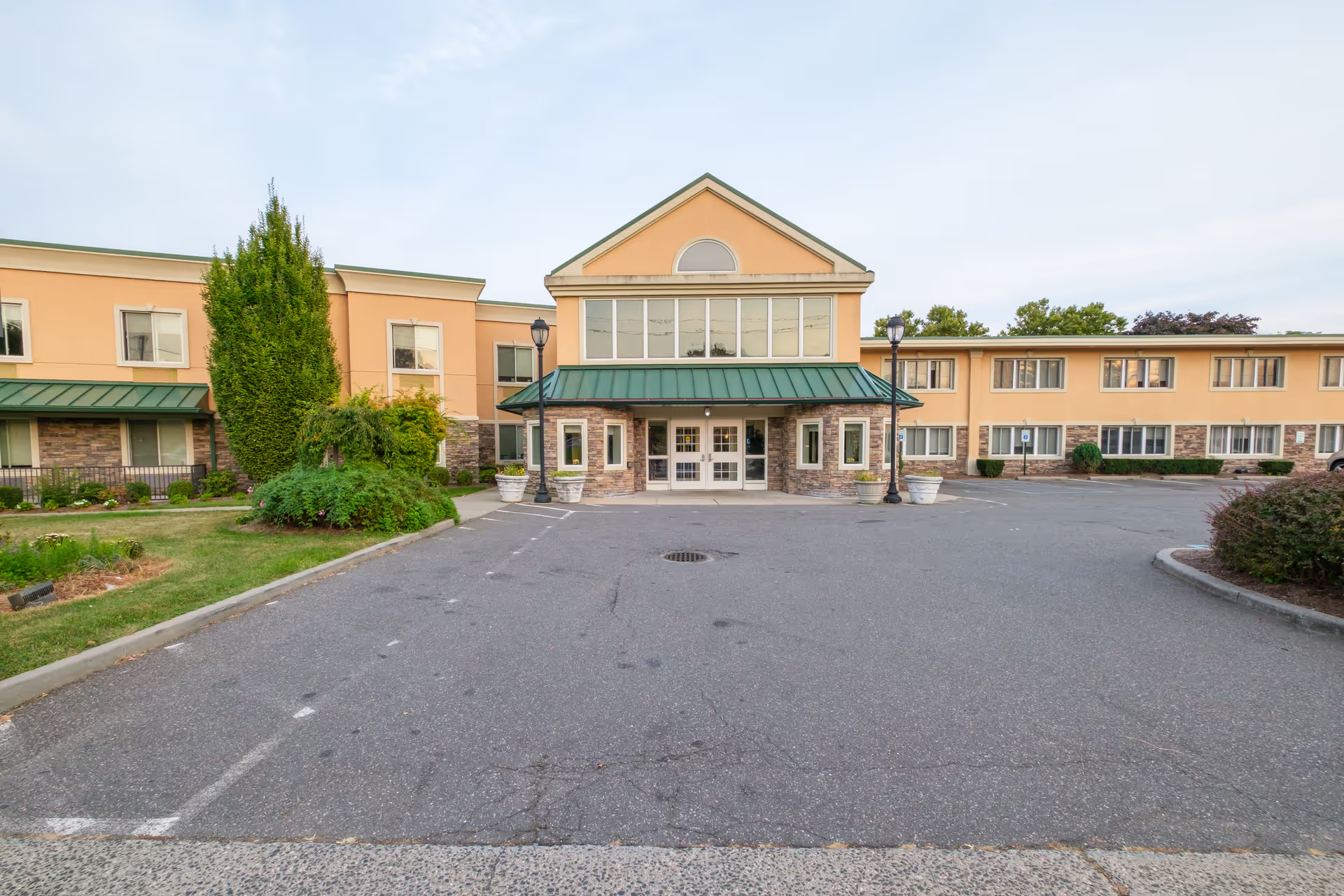
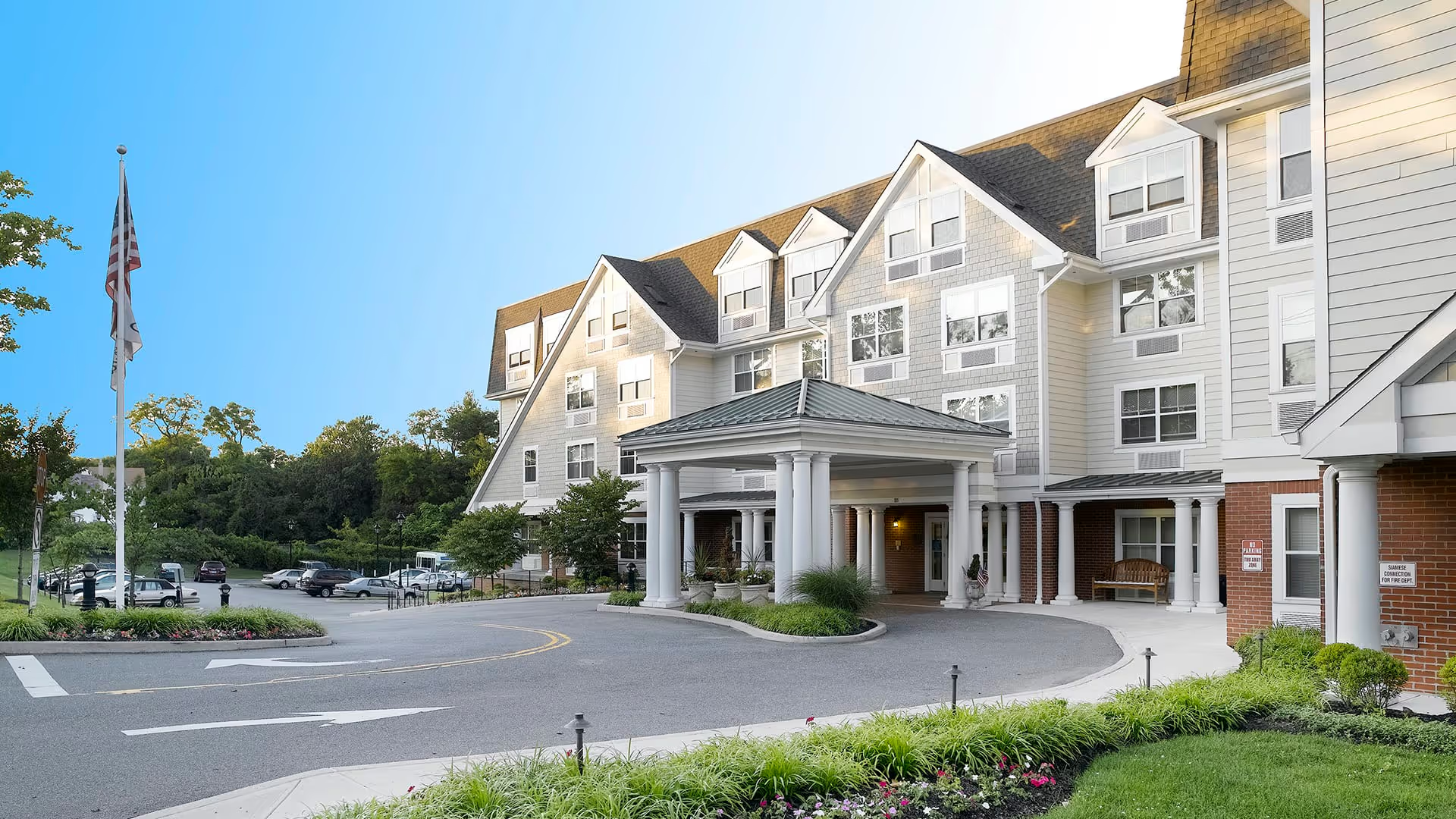
Belair Care Center shows a clear core strength in rehabilitation and a generally well‑kept physical environment. The facility is frequently described as clean, bright, and attractive, with functional rehab spaces, a bistro/cafe, library and family gathering areas. Therapy services — particularly physical and occupational therapy — are a recurring strength; many families describe daily or intensive therapy, engaged therapists, and measurable functional gains. Admissions, social work, and discharge‑planning functions are also often noted as helpful and informative.
Clinical care assessments are mixed. Nursing and many aides are praised for compassion, attention to hygiene and dressing, and individualized support; some families felt comfortable leaving loved ones in their care. At the same time, a persistent theme is uneven staffing and responsiveness. Call‑light waits, delayed assistance for bathroom needs, and variability between day and night or weekday and weekend shifts are commonly described. There are also concerns about medication administration and tracking, including delays or missed doses, which families view as an operational risk that should be clarified during placement.
Dining and kitchen services are another area of divided experience. Multiple accounts highlight attractive meal presentation, a pleasant dining room, and a valued bistro option; others describe inconsistent meal quality, incorrect orders, limited choices, and occasions when dietary preferences or restrictions were not followed. Families who prioritize food as a selection criterion should ask about menu rotation, special‑diet procedures, and how order errors are handled.
Communication and management performance vary by department and by occasion. The admissions team, some nurse managers, and therapy leaders receive frequent positive mention for clarity and follow‑through. Conversely, some families experienced interdepartmental miscommunication, slow callbacks, and difficulty getting timely updates from nursing or the physician/provider team. Clinical oversight after hours is a point to discuss: the facility relies heavily on nurse practitioners and off‑site physician coverage rather than full‑time on‑site physicians, which some families felt affected timeliness of medical decision‑making.
Operational and safety patterns worth noting include equipment and supply delays (bed rails, mobility equipment, oxygen or personal items), occasional maintenance issues in discrete areas, and concerns related to fall prevention and transfer safety. Laundry and personal‑item management were cited as an occasional operational gap. While many comments emphasize attentive, respectful staff and solid housekeeping, other comments describe variability in aide conduct and the need for families to actively follow up on care details.
For prospective residents and families: Belair is likely to be a strong option if rehabilitation intensity, a clean environment, and supportive therapy teams are priorities. It is advisable to clarify expectations around staffing levels at night/weekends, medication‑administration protocols, how the facility handles meal orders and special diets, and what on‑site medical coverage exists. Ask for specific examples of fall‑prevention measures, timelines for equipment provisioning, and a point person for timely family updates. These clarifying questions will help align expectations with the observed mix of consistent rehab and facility strengths and the recurring operational gaps noted above.