The body of reviews reflects a strongly mixed picture of Sunnyside Care Center — East Syracuse. A recurring strength cited is the quality of direct caregiving and therapy: many families describe nursing and frontline aides as warm, respectful, and attentive, and several reviews single out the facility's physical and occupational therapy teams for producing strong rehabilitation outcomes. End-of-life and hospice-oriented care is also frequently described as compassionate and professionally managed. Communication with families and bedside courtesy are additional consistent positives in those accounts.
Counterbalancing these strengths are several operational and facility-level concerns. Staffing levels and turnover emerge as a dominant theme: reviewers describe periods of understaffing and workforce instability that correlate with slower call responses, inconsistent assistance with activities of daily living, and variability in clinical care across different wings. Multiple accounts indicate delays in incident response and gaps in post-incident handling and family communication, suggesting room for improvement in safety protocols and escalation procedures.
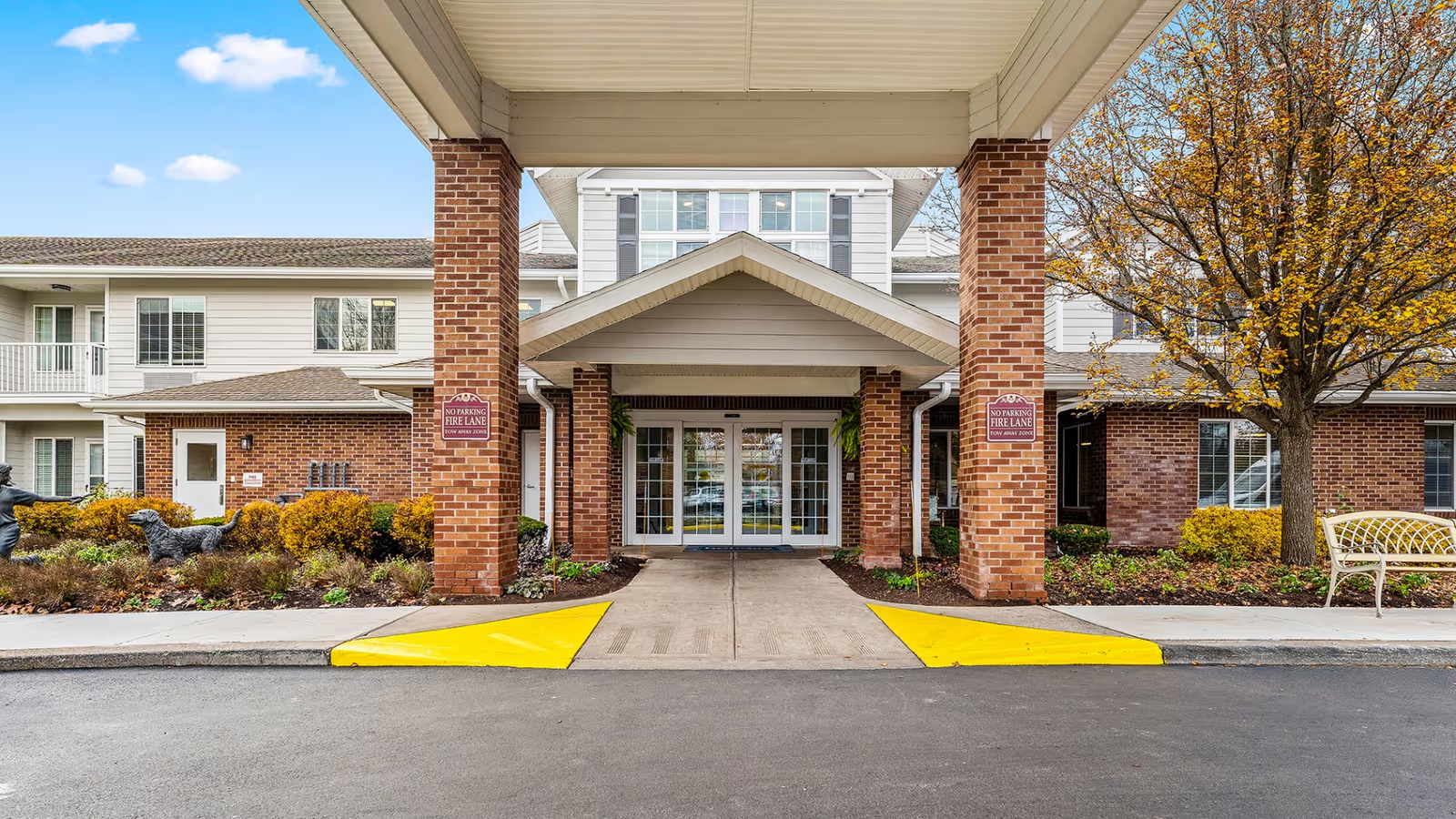
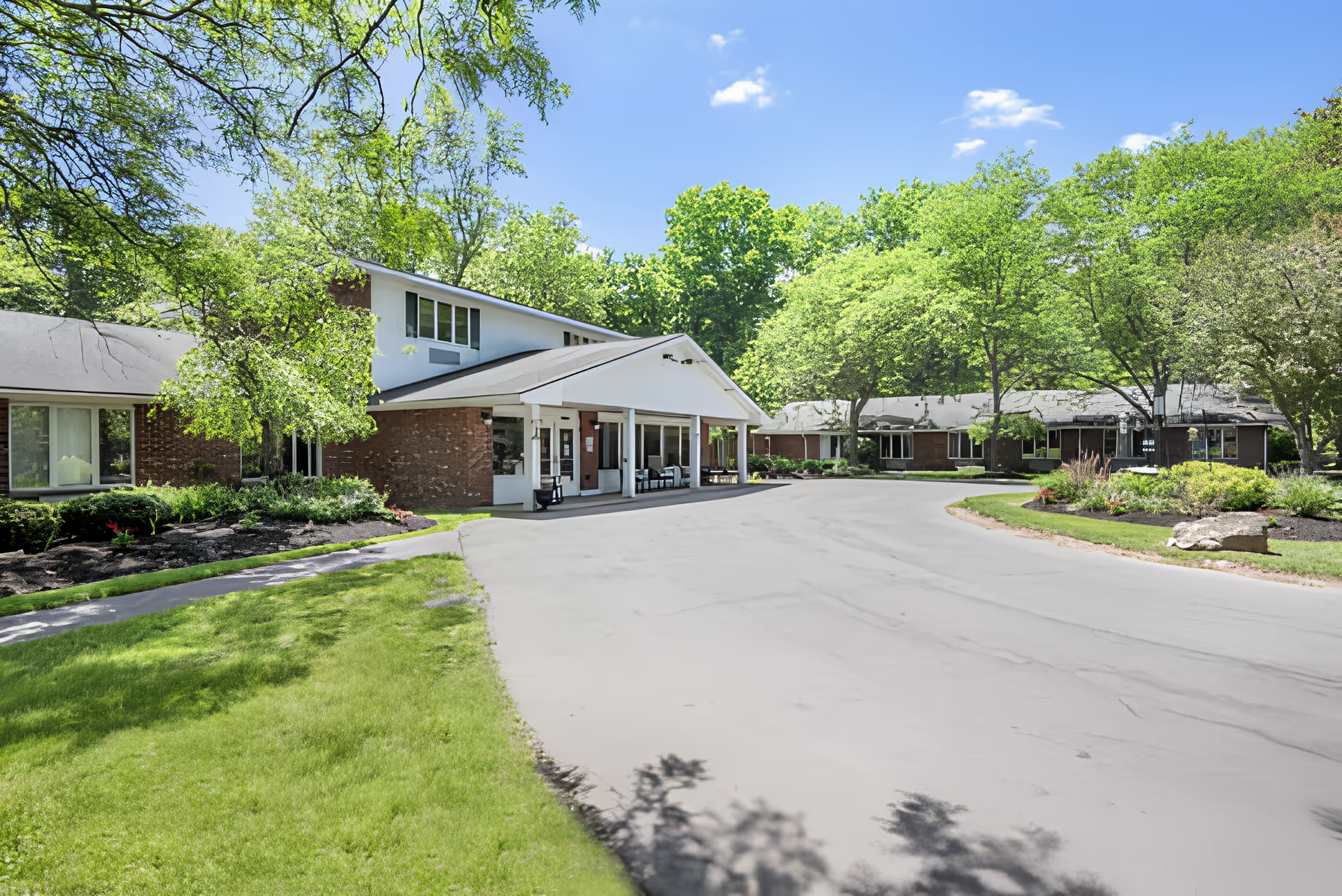
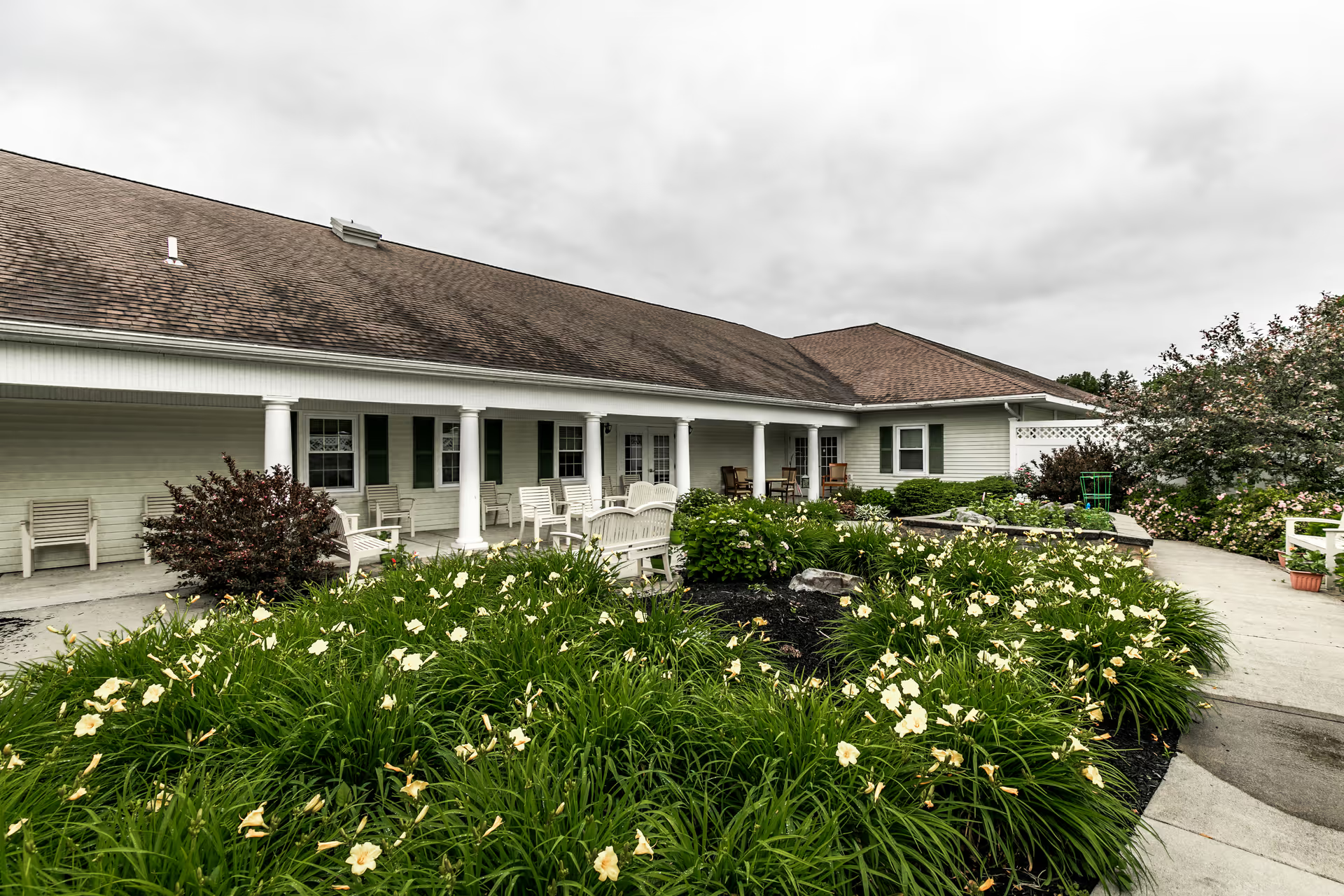
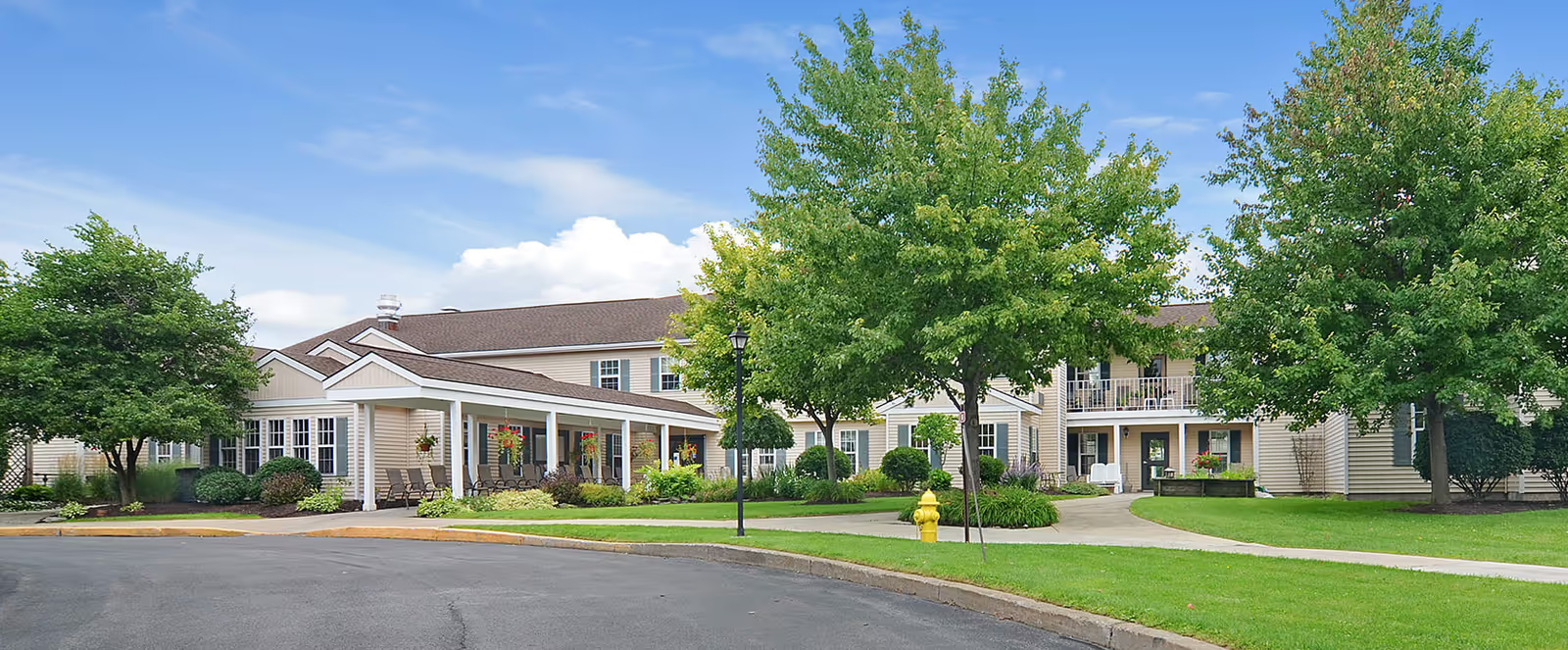
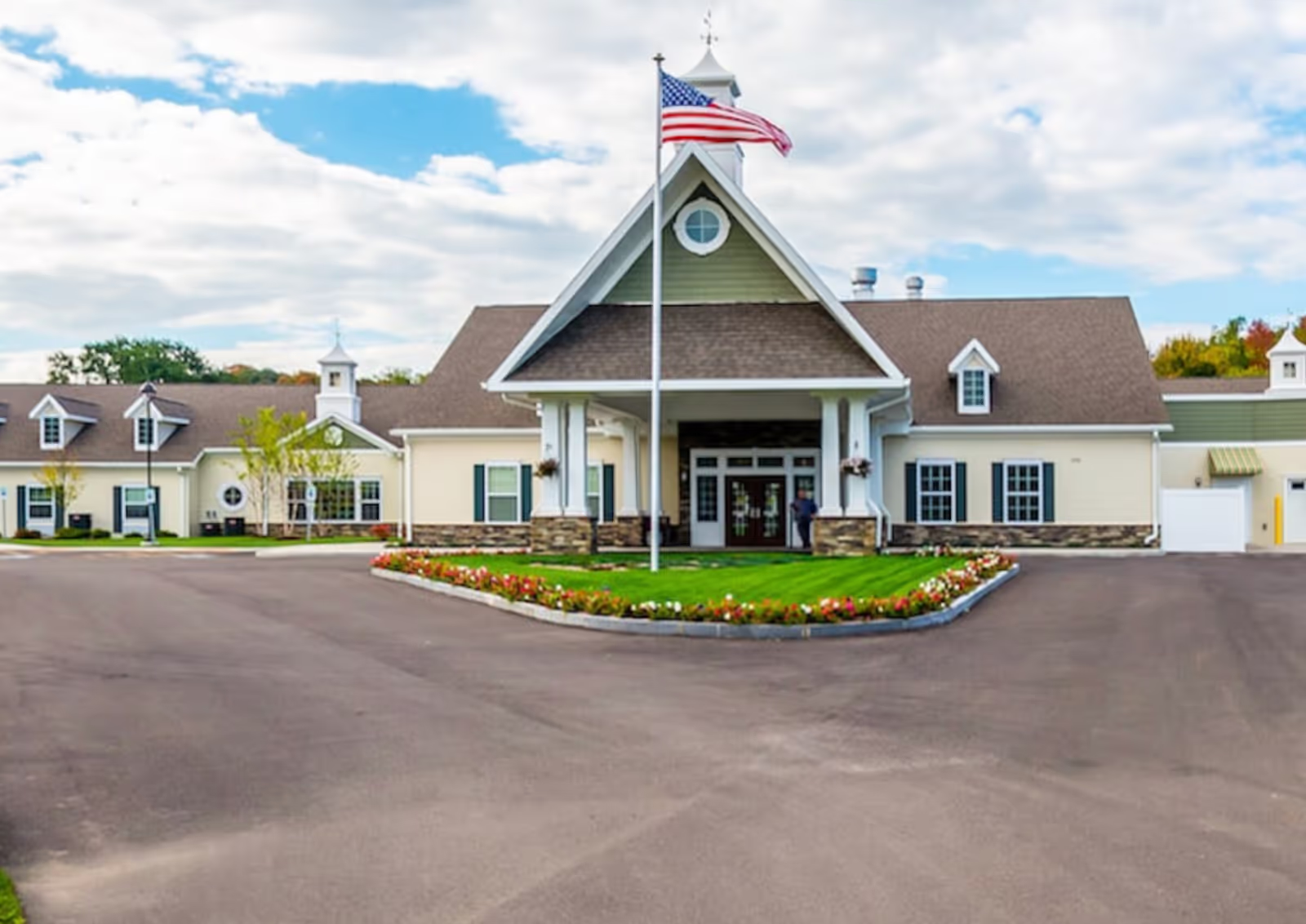
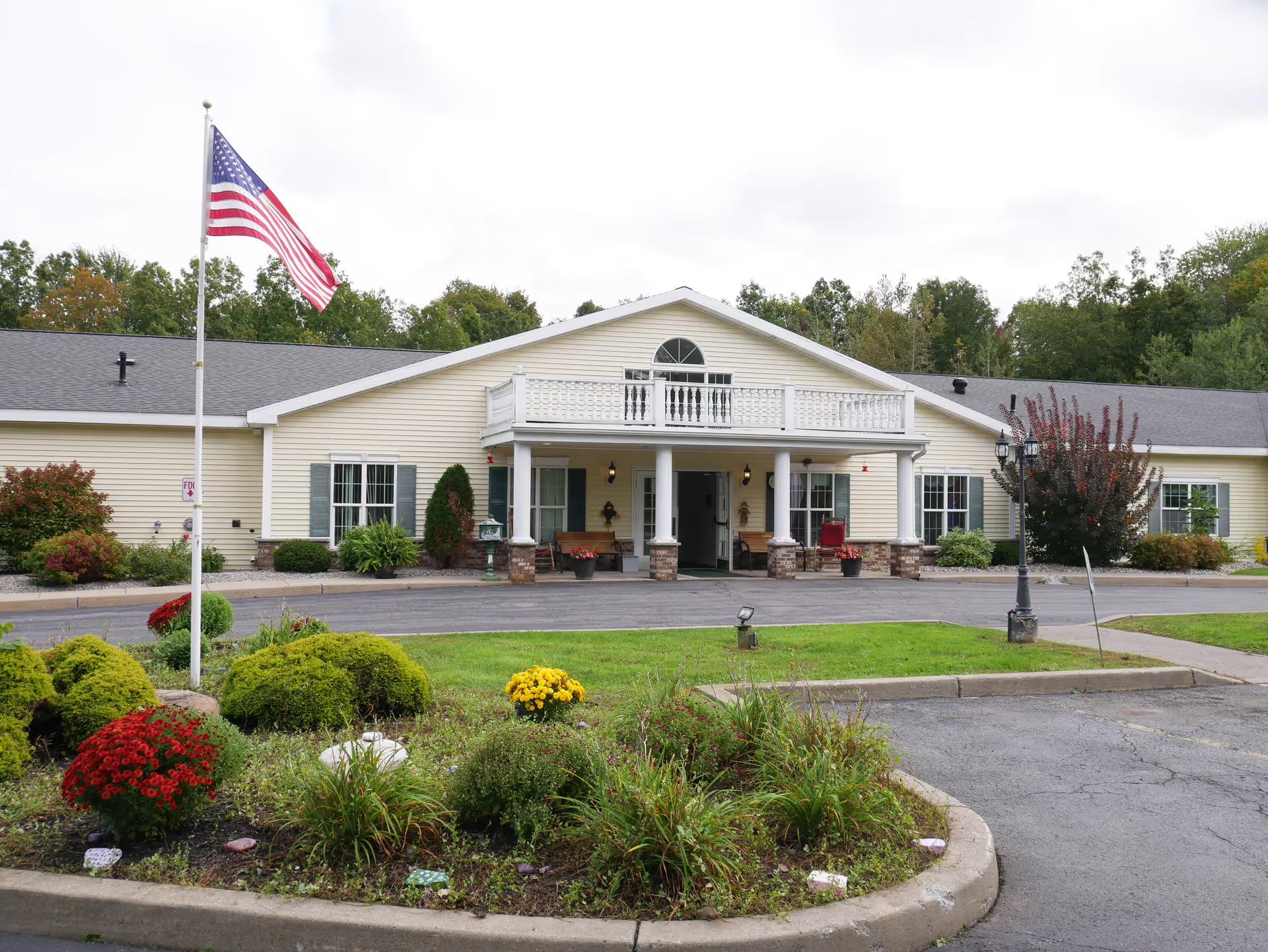
Facility condition and housekeeping are another area of concern. The building is characterized as aged, with small resident rooms in some units and ongoing renovation activity that has disrupted operations. Reviewers raised cleanliness and sanitation issues in rooms and common areas and noted that renovation work sometimes contributed to noise and logistical challenges. Personal property management also appears inconsistent, with several mentions of missing clothing or belongings and related family frustration.
Dining and programming present a mixed picture. Some accounts describe poor or inconsistent meal quality and occasional reliance on external food deliveries, while others do not note issues. Resident engagement and activities are repeatedly described as limited or insufficient in several reviews, indicating a gap in social programming and daily engagement options for residents.
Management and culture issues are also raised. Comments point to concerns about administrative communication style, staff morale, and how the facility manages difficult interactions with families. At the same time, individual staff members and entire care teams are praised for professionalism and individualized attention, illustrating a polarized experience where institutional shortcomings can coexist with high-quality personal care.
Overall, prospective residents and families should weigh the facility's strong frontline caregiving and therapy capabilities against recurring operational weaknesses: staffing instability, inconsistent responsiveness, facility maintenance and cleanliness challenges, and limited programming. Those prioritizing skilled therapy and compassionate bedside care may find strengths here, but those for whom consistent staffing, rapid incident response, and modernized facilities are paramount should seek clarifying information from the facility about current staffing ratios, renovation timelines, infection-control practices, property-management protocols, and activity programming before making decisions.