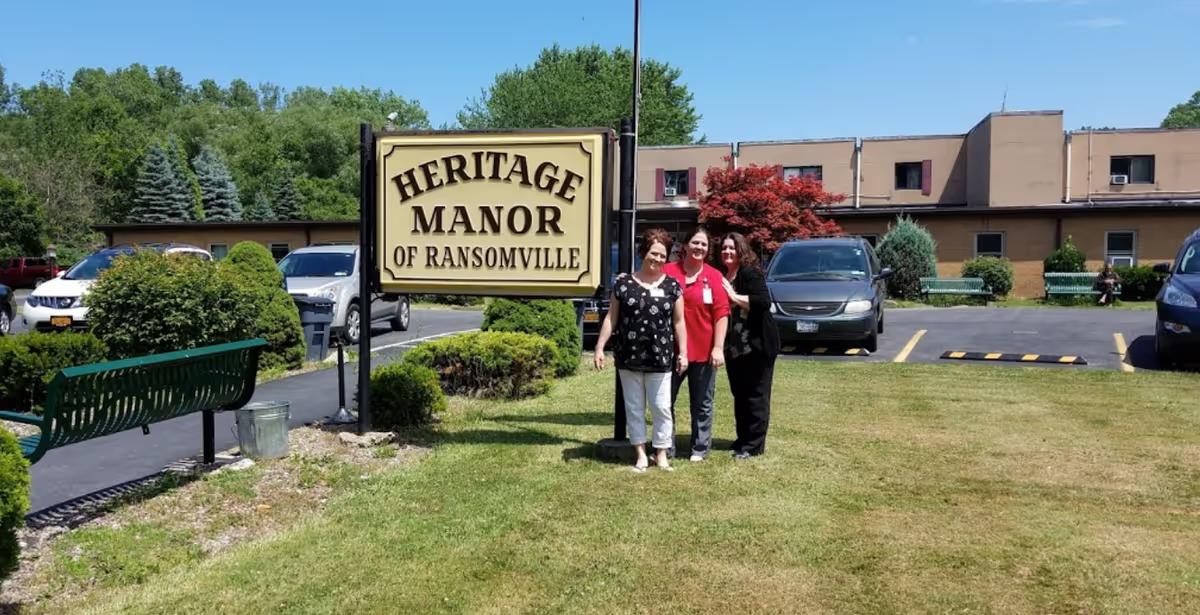
Overall impression: Reviews reflect a facility with strong clinical and rehabilitative strengths alongside recurring operational challenges. Many families and residents describe caring, professional nurses and therapists, a welcoming atmosphere, and effective communication with family members. At the same time, comments consistently point to variability in day-to-day caregiving and service delivery that prospective residents should consider.
Care and staff: The facility is frequently praised for its clinical and therapy services, with staff described as compassionate, attentive, and skilled in medical and rehabilitation care. Several accounts highlight positive interactions that preserve resident dignity and autonomy. However, there is a clear pattern of uneven frontline assistance: CNAs and direct-care staff responsiveness is inconsistent, and some reviewers note delays in attending to toileting and call-light requests. A subset of comments also raises concerns about the tone and helpfulness of individual staff members, indicating variability in conduct and communication across shifts.
Dining and nutrition: Dining is commonly cited as a strength — meals are described as attractive and tasty, with attentive nutritionists and generally good food quality. Conversely, there are instances of missed meal service and requests for more diabetic-friendly meal options, suggesting that meal continuity and specialized diet availability can be inconsistent. Prospective families should confirm current menu accommodations and meal-delivery protocols.
Activities and social life: The facility offers a range of social and spiritual activities (bingo, church services, concerts, access to an activities room and outdoor patio) that many residents find engaging. At the same time, some reviewers describe limited or inconsistent programming, implying that actual activity frequency and resident engagement may vary by unit or day.
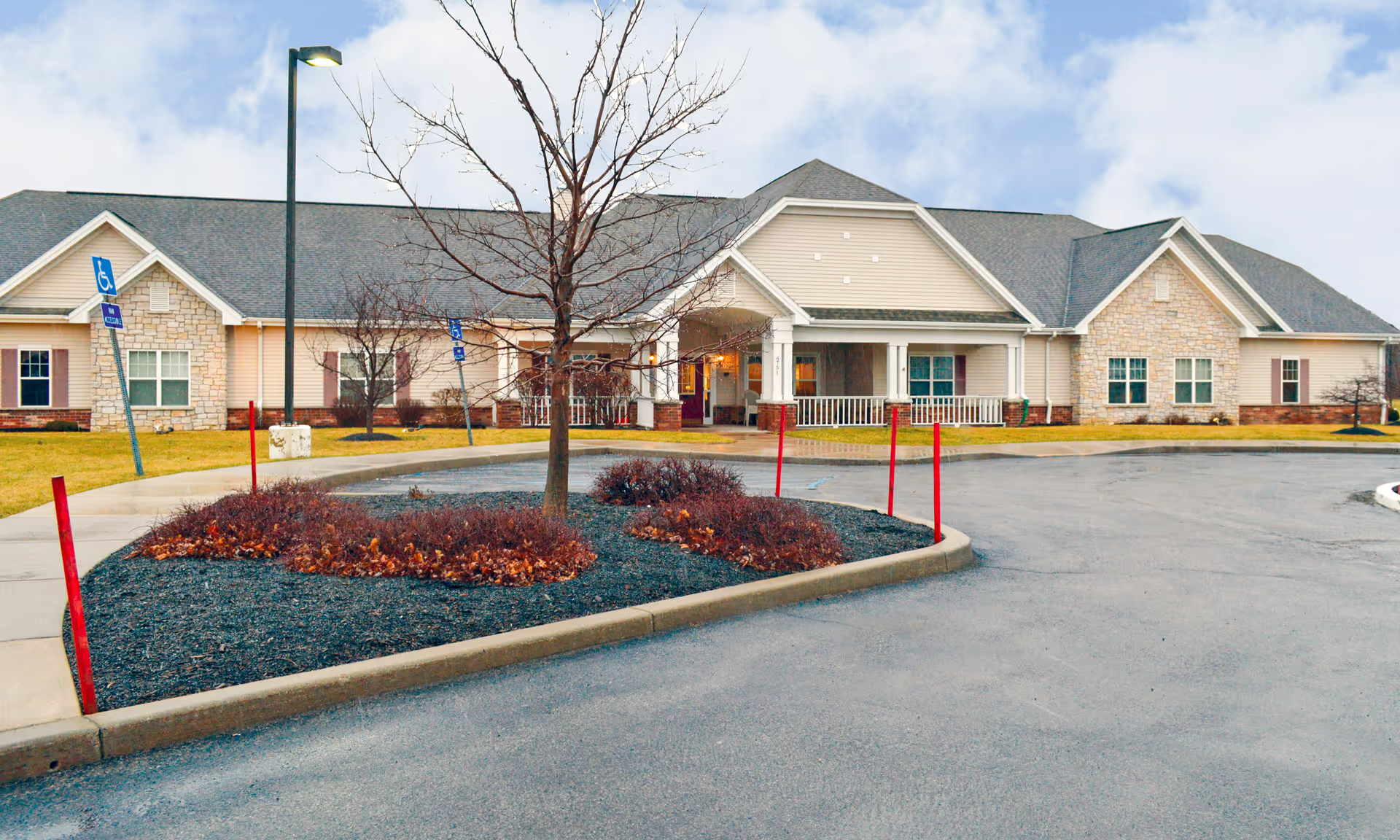
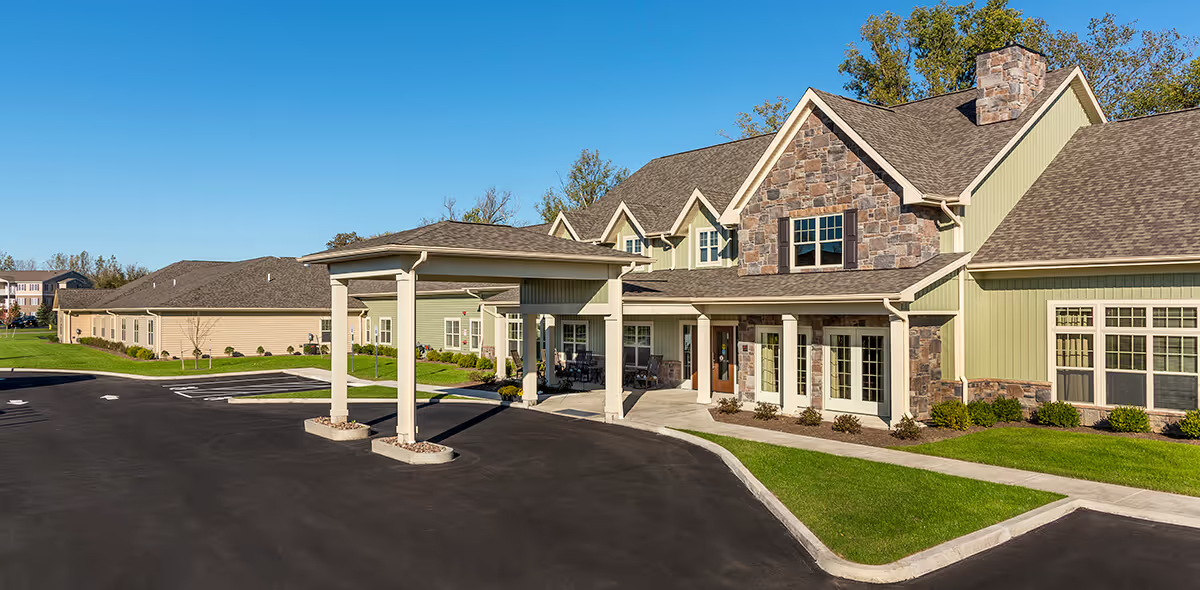
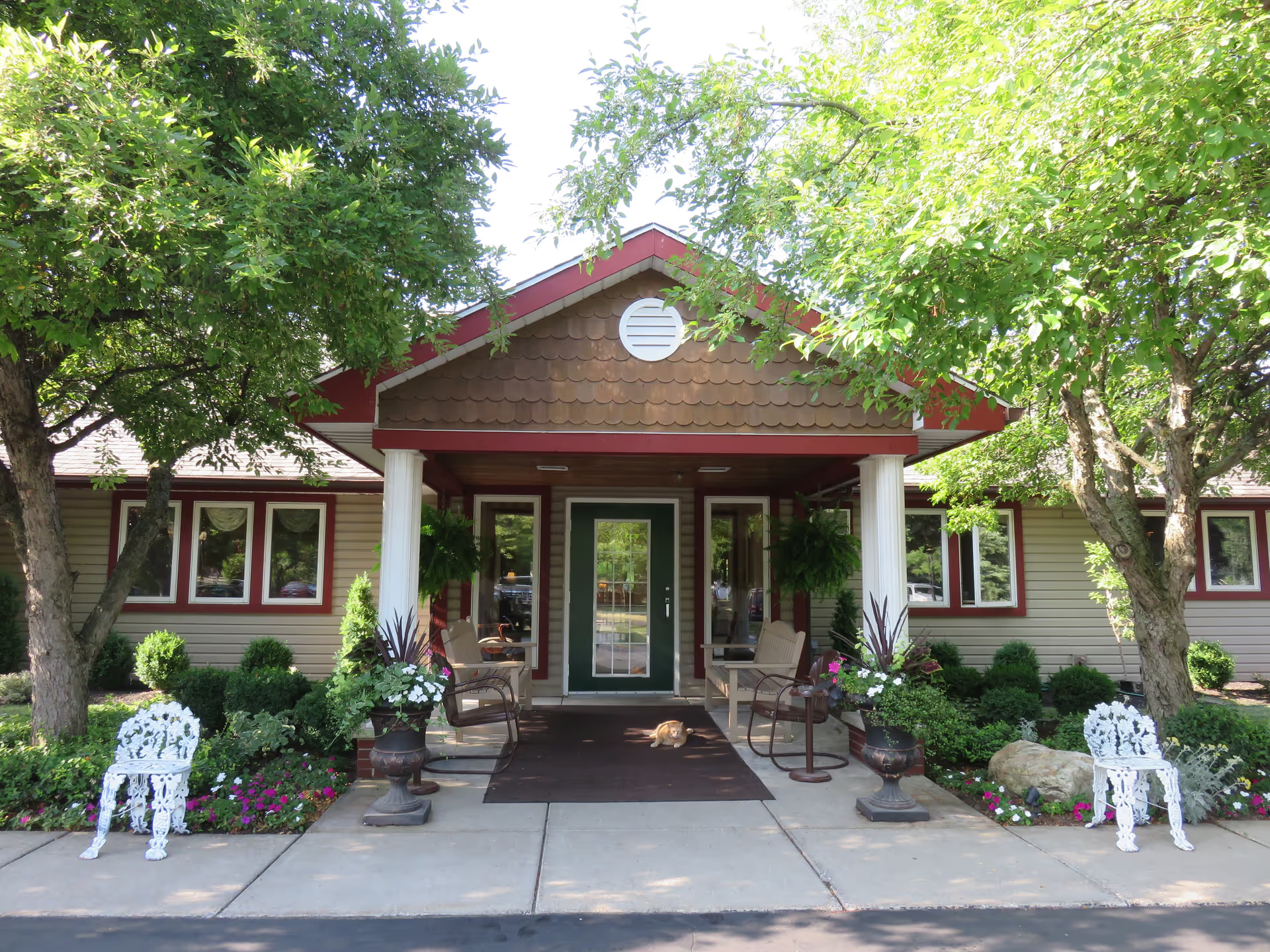
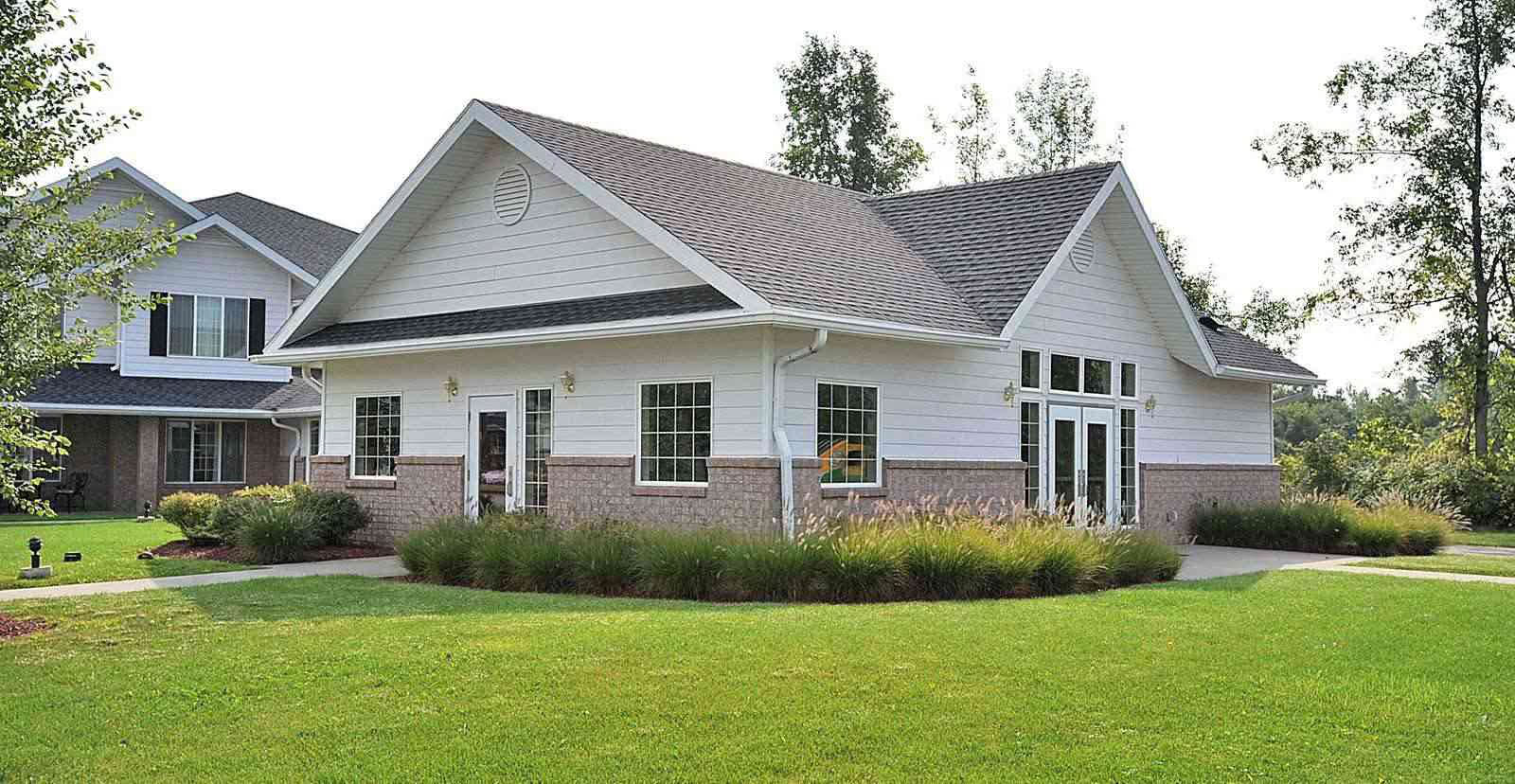
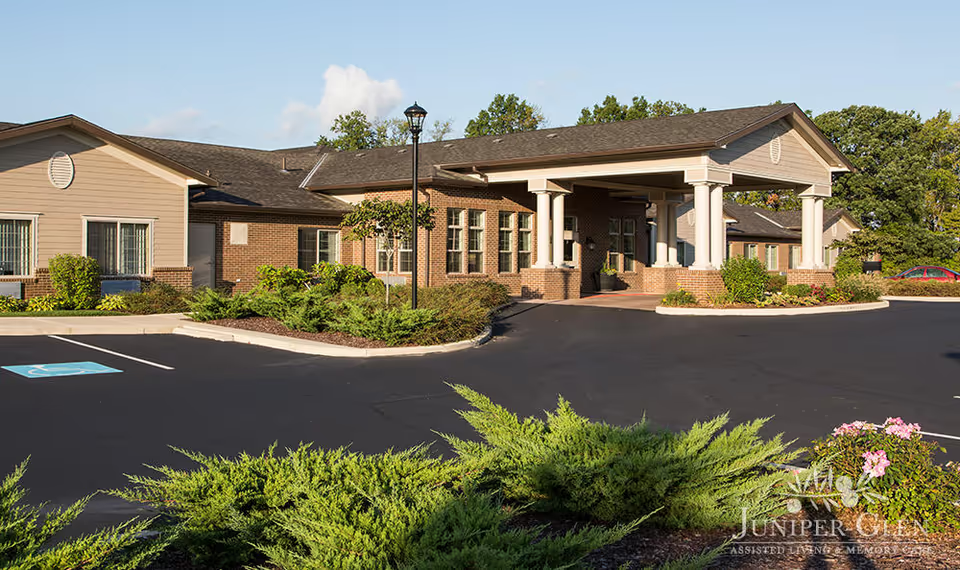
Facilities and cleanliness: Physical accommodations receive positive comments — the building, hallways, and rooms are described as bright, spacious, and well maintained. Nonetheless, there are sanitation concerns related to laundry and housekeeping practices, and occasional references to cleanliness lapses. These accounts suggest that environmental standards are generally good but not uniformly sustained across all shifts or areas.
Management and communication: Management is often credited with prompt admissions, cooperative decision-making, and clear communication with families, which many relatives find reassuring. Still, difficulties contacting staff during some shifts and calls for greater accountability and compassion in specific situations are recurring themes. These patterns point to operational areas where stronger staffing, clearer protocols, and supervisory oversight could reduce variability in the resident experience.
Practical considerations: For prospective residents and families, the facility offers solid clinical and rehabilitative care, a friendly culture, and attractive physical spaces. When touring or evaluating placement, ask specific questions about current staffing ratios, CNA schedules and response-time expectations, diabetic meal options, laundry and housekeeping protocols, and the weekly activity calendar. Observing a mealtime and speaking directly with therapists and nursing leadership can help assess whether the facility’s strengths align with an individual’s needs and priorities.