Reviews describe a facility with substantial variability in the resident experience. Strengths frequently cited include compassionate front-line caregivers, attentive nurses, and therapy teams that obtain good functional outcomes for many patients. Recreation is a clear asset for many families: a visible, active program with musical events, outdoor activities, and engaged staff (several individual recreation staff were singled out by name). The facility offers useful on-site amenities such as a bakery, complimentary refreshments, laundry and personal services, elevators and bathrooms on every floor, and flexible visitation policies that families appreciate.
Care quality is mixed. Numerous accounts praise skilled therapists and rehabilitation successes, but there are also multiple descriptions of delayed clinical response, medication timing problems, and variable therapy technique that affected outcomes for some residents. Families note both strong, compassionate caregivers and occasions when staffing levels or staff responsiveness were insufficient; night shifts and some weekends are mentioned as less reliable. There are recurring concerns about the timeliness of clinical interventions, adherence to individualized care plans (wound care, denture handling, medication administration), and the need for families to be actively involved and to monitor physician follow-up and medication orders.
Dining and activities receive similarly divided feedback. Many reviewers praise the food, the chef, and the on-site bakery and coffee offerings; other families report inconsistent meal quality, delayed meal delivery, and problems with menu accommodations or meal accessibility. Recreation programming is often described as a strength, with regular entertainers, social events, and designated staff who create connection and engagement; however, some reviewers point to limited recreational space or uneven activity delivery depending on unit or shift.
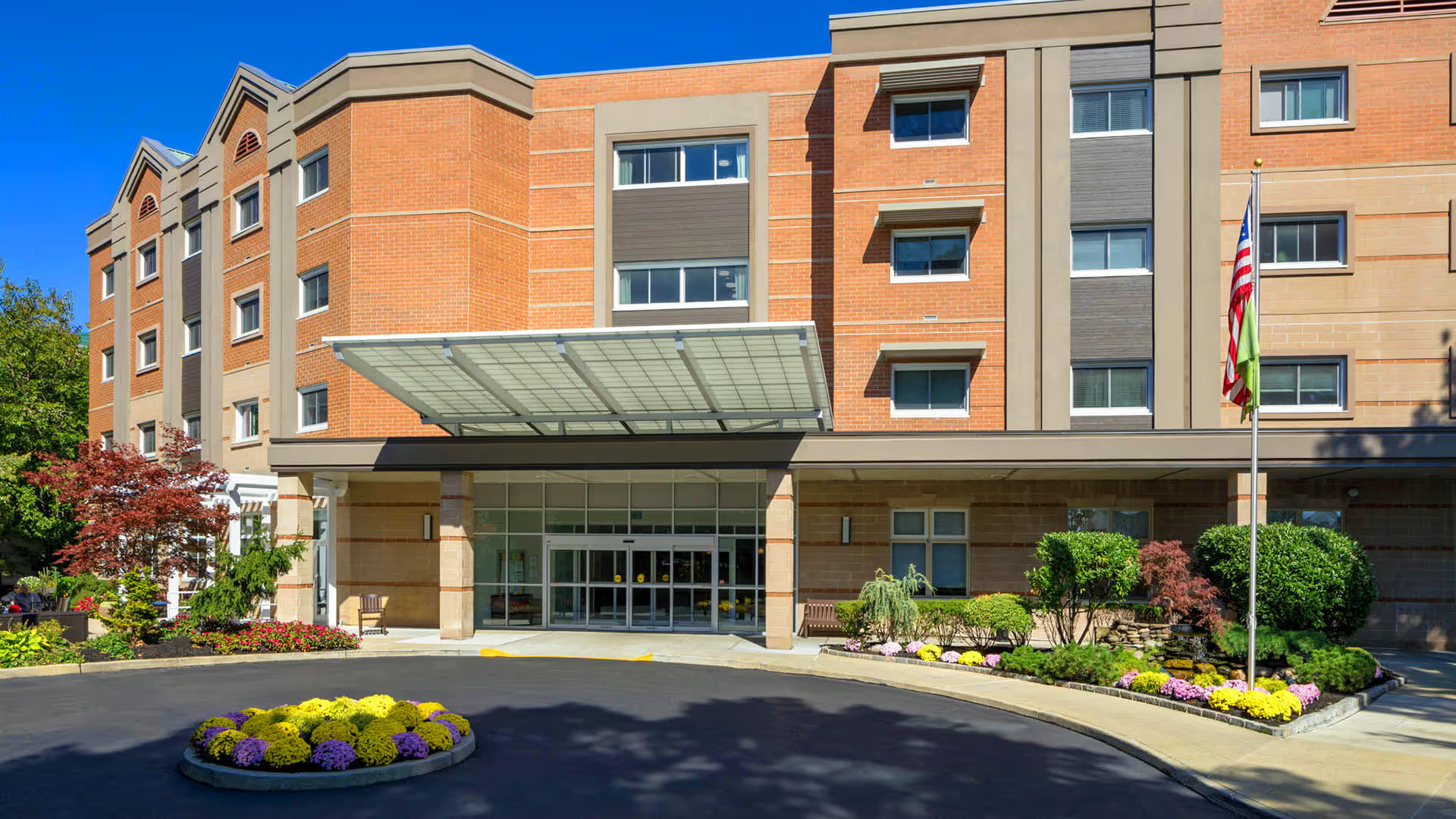
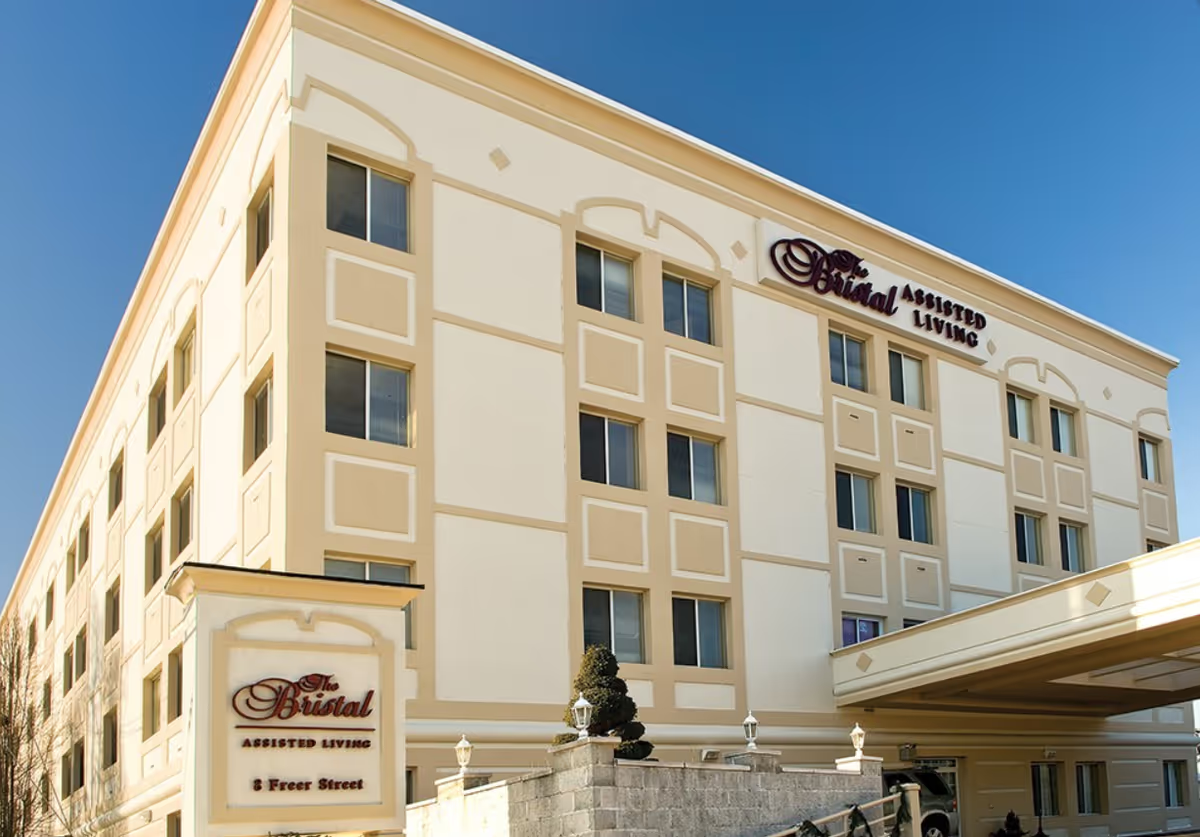
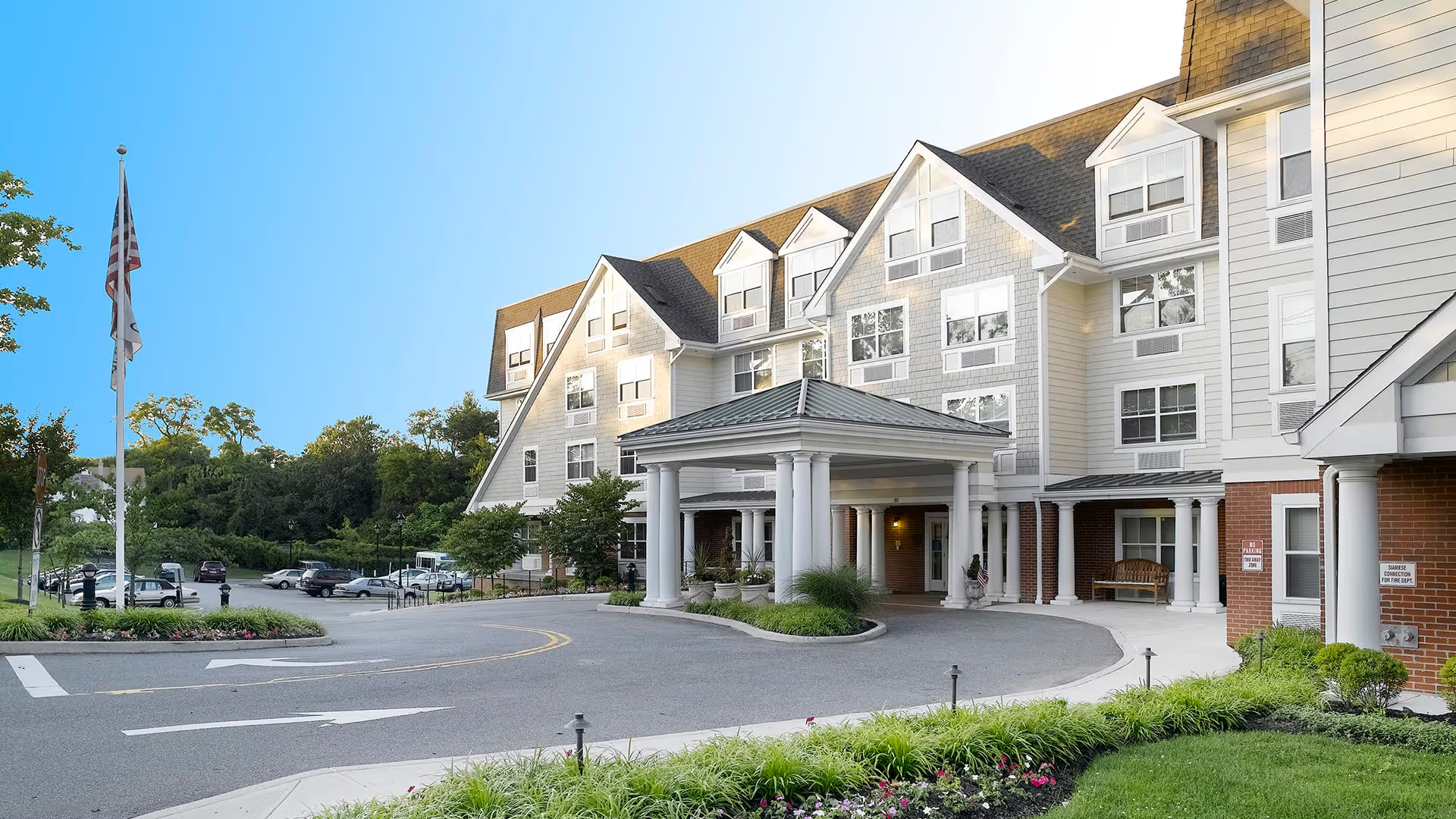
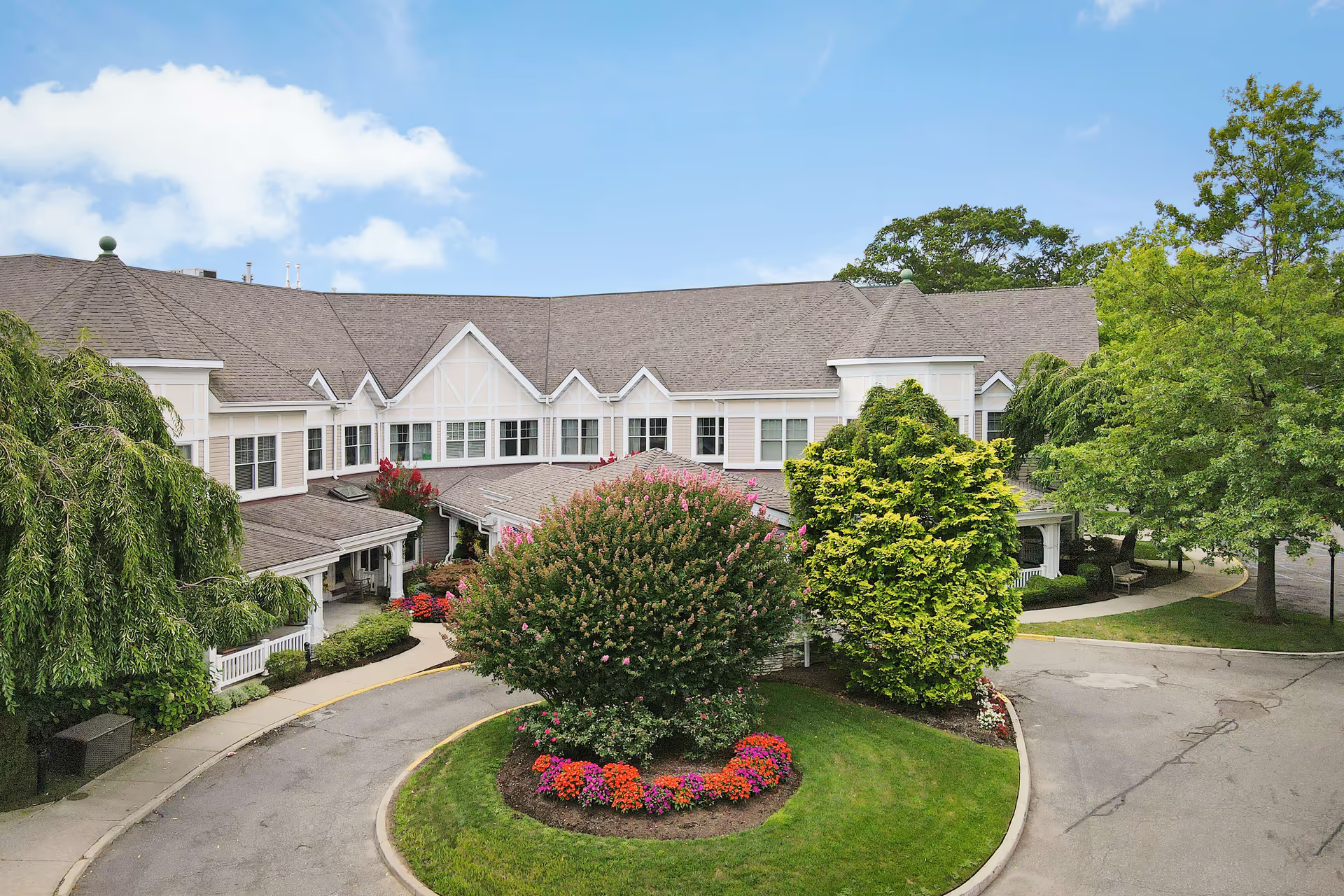
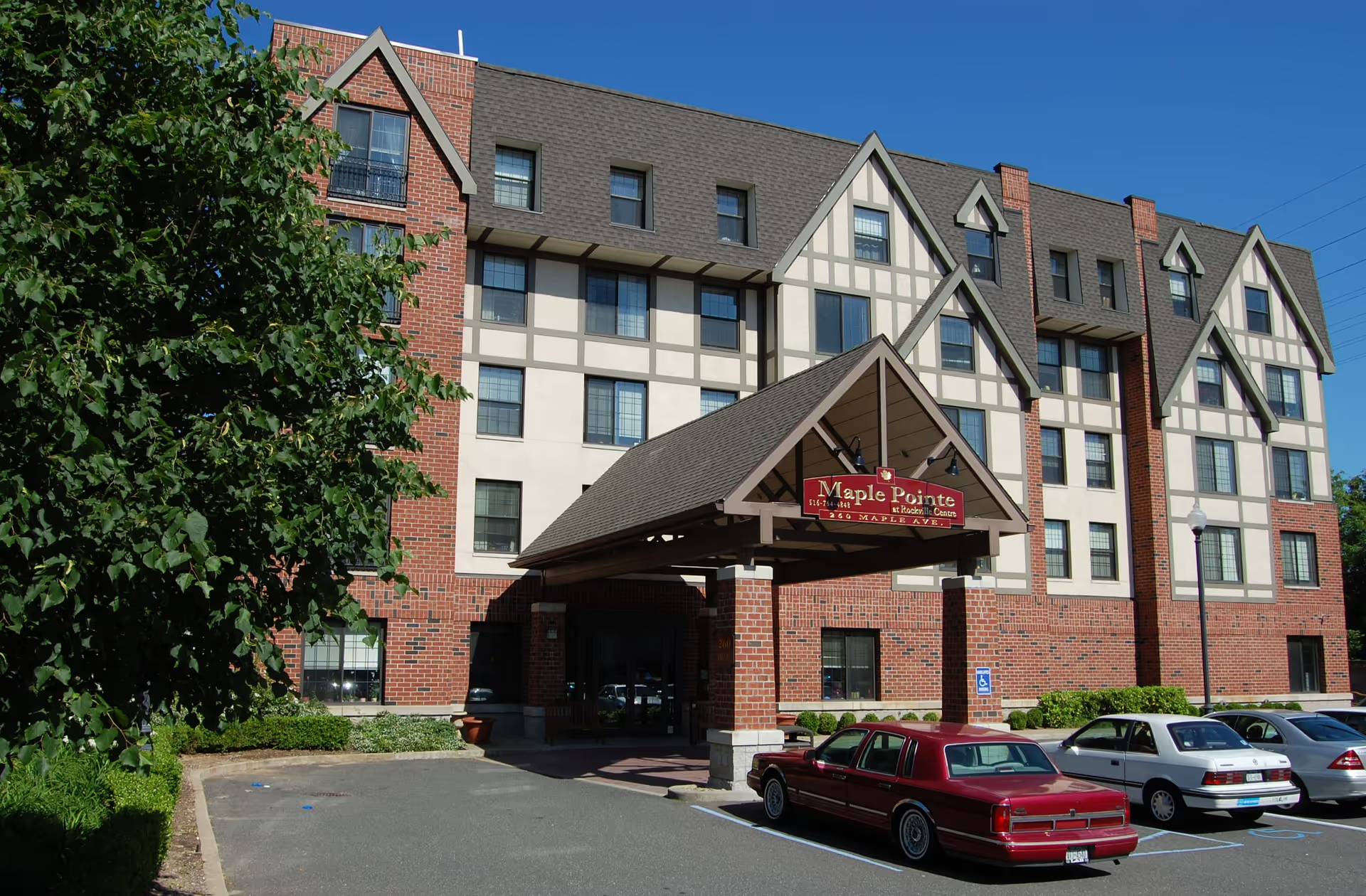
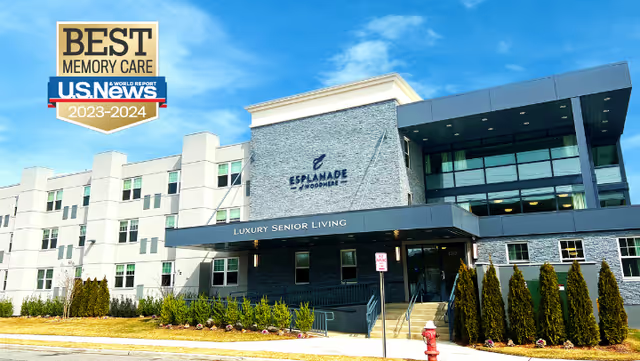
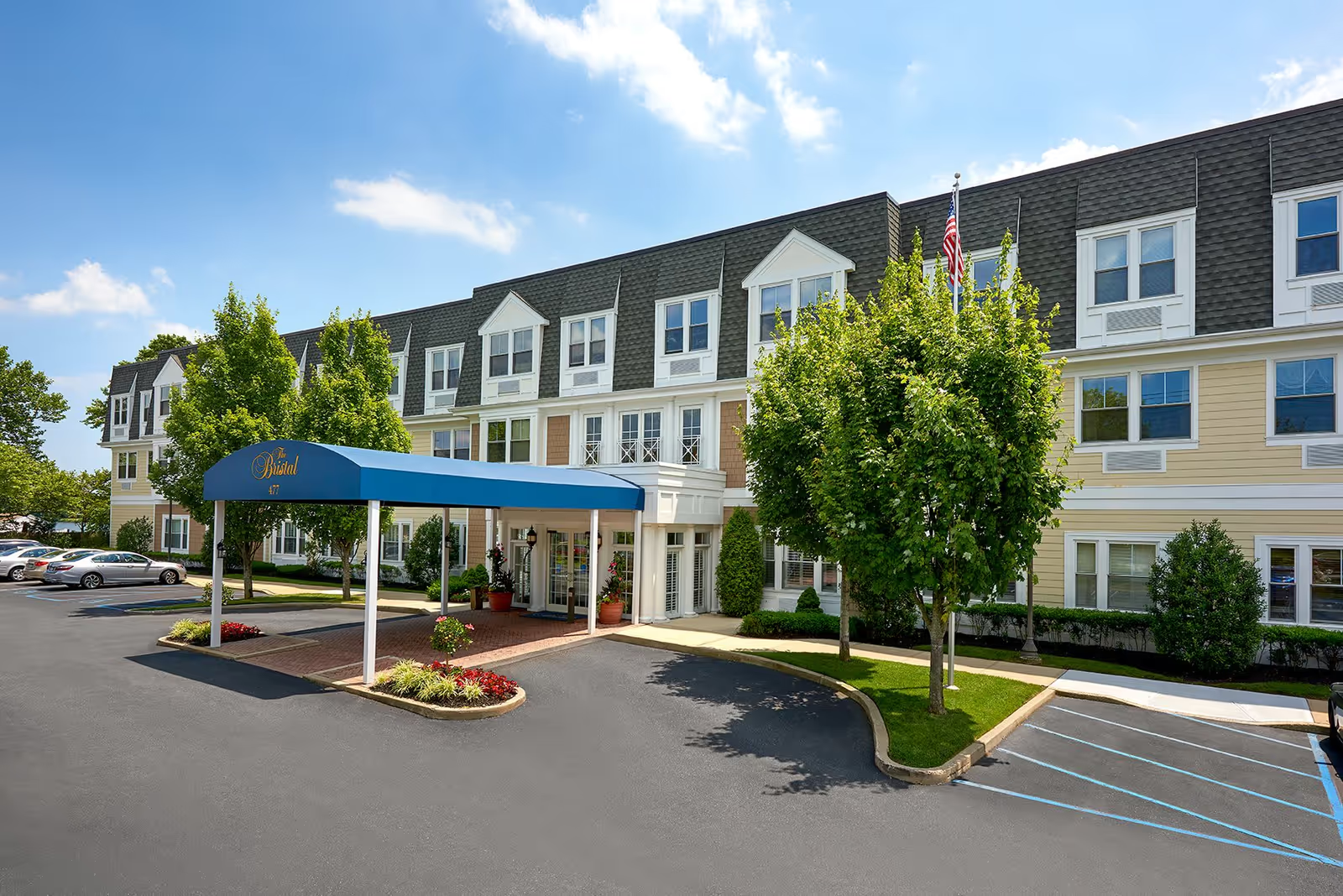
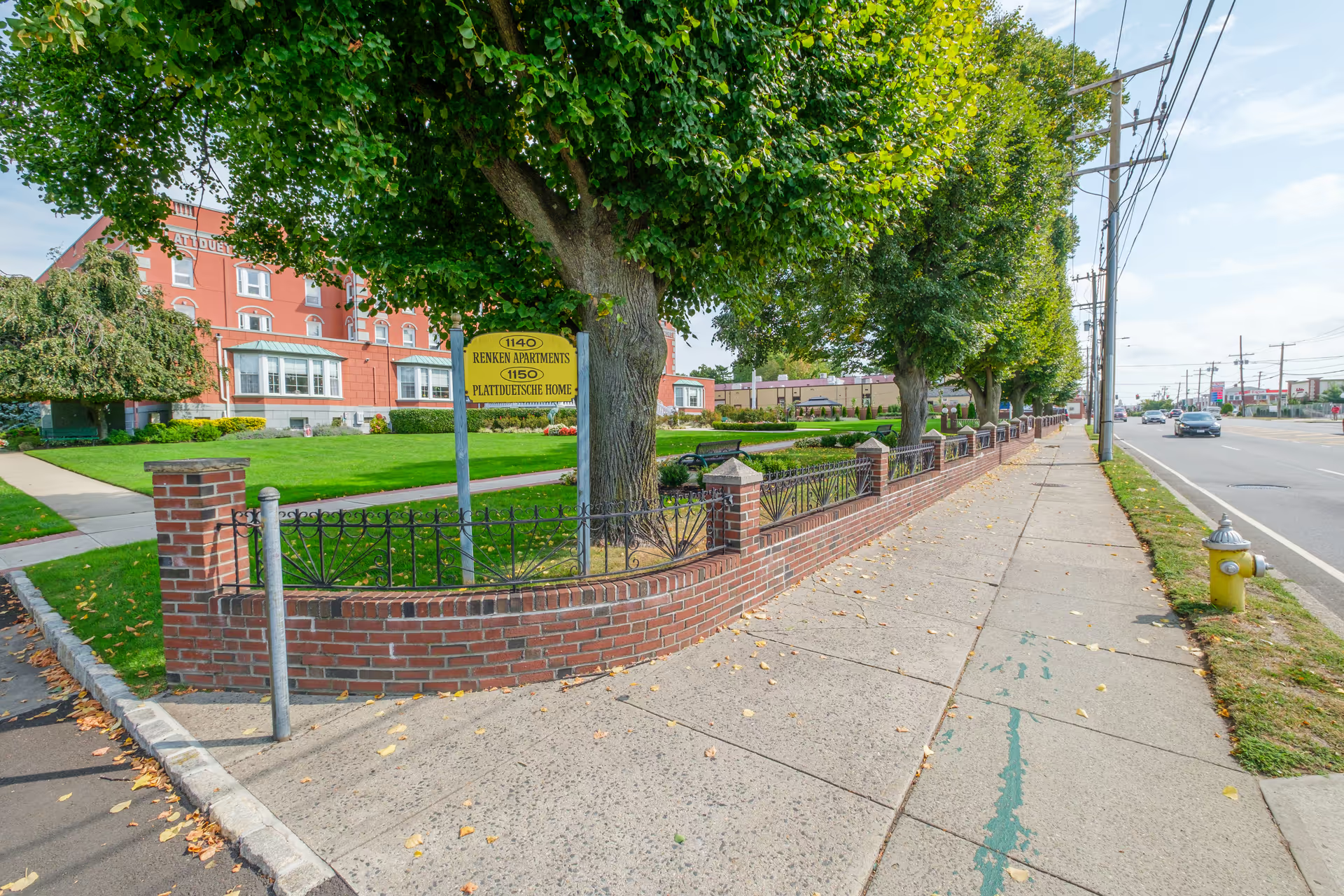
Facility condition and maintenance comments range from “very clean, well-run” to specific maintenance and sanitation concerns. Positive notes include clean rooms, attractive common areas, and accessible building features. Negative observations reference outdated double rooms, ventilation and dust issues, a broken patio area, and odor concerns in particular locations. Visitor access and front-desk procedures are also variable: some families find the sign-in process efficient and staff helpful, while others report locked entrances and inconvenient access routes.
Management and communication show a split pattern. Several families commend accessible administrators, transparent social workers, and staff who coordinate care effectively. Conversely, others describe unreturned calls, inconsistent follow-through from social work or administration, confusion around discharge dates and Medicare billing, and occasional broken promises. Documentation and incident-recording practices are an area of concern for some families, who describe unclear records or missing written accounts of significant events.
Notable patterns for prospective residents and families: there is a clear range of experiences driven by shift, unit, and individual staff factors. The facility can provide strong therapeutic outcomes and a positive social environment, but it also demonstrates operational weaknesses that can affect safety, hygiene perception, and continuity of care. Families considering this facility should ask specific questions about staffing levels on the intended unit and shifts, medication-administration and emergency-response protocols, infection-control practices, and how care plans and wound/medical follow-up are documented and communicated. Visiting in person, meeting therapy and nursing staff, and clarifying billing and Medicare processes before admission can help set expectations and reduce the risk of surprises.