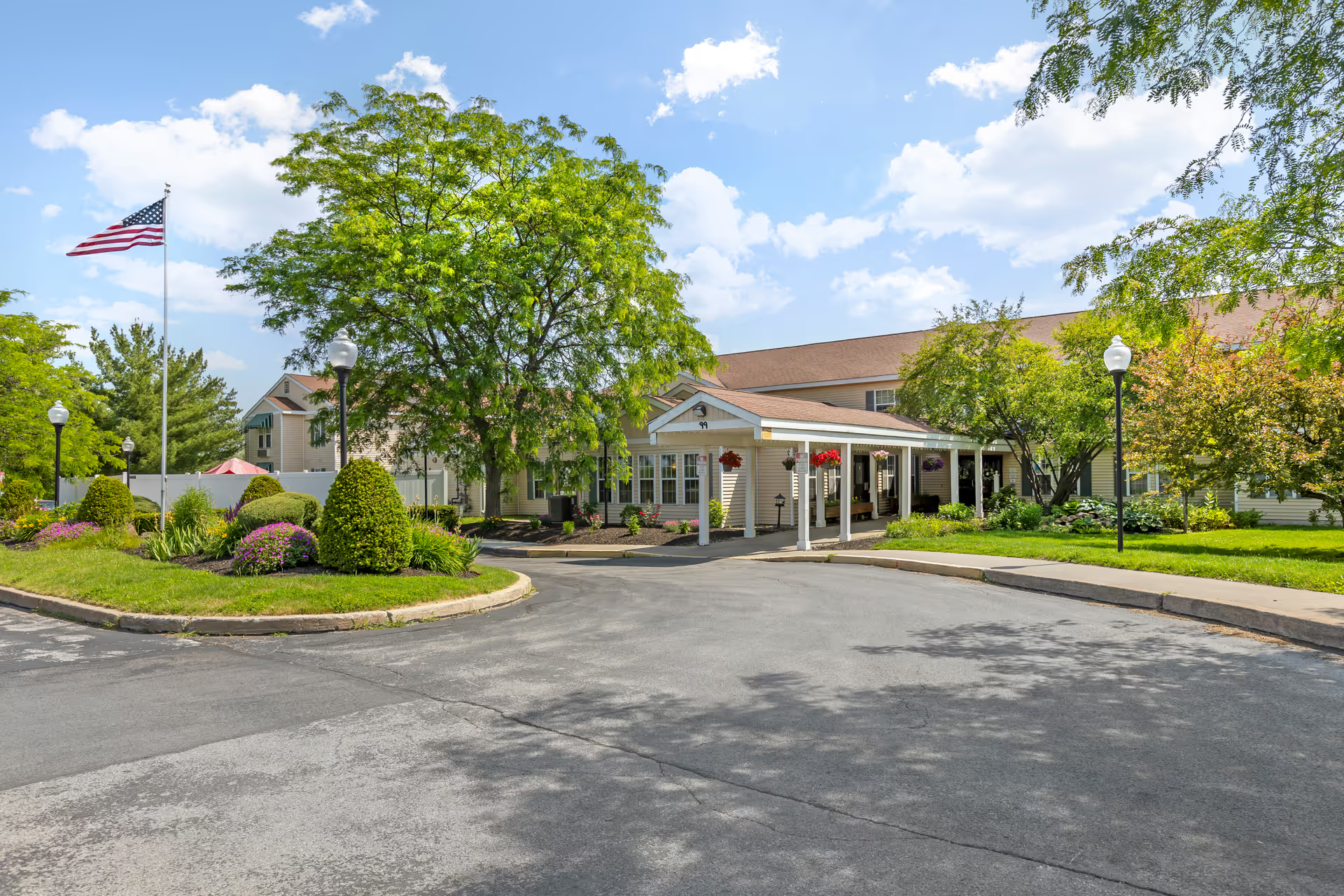
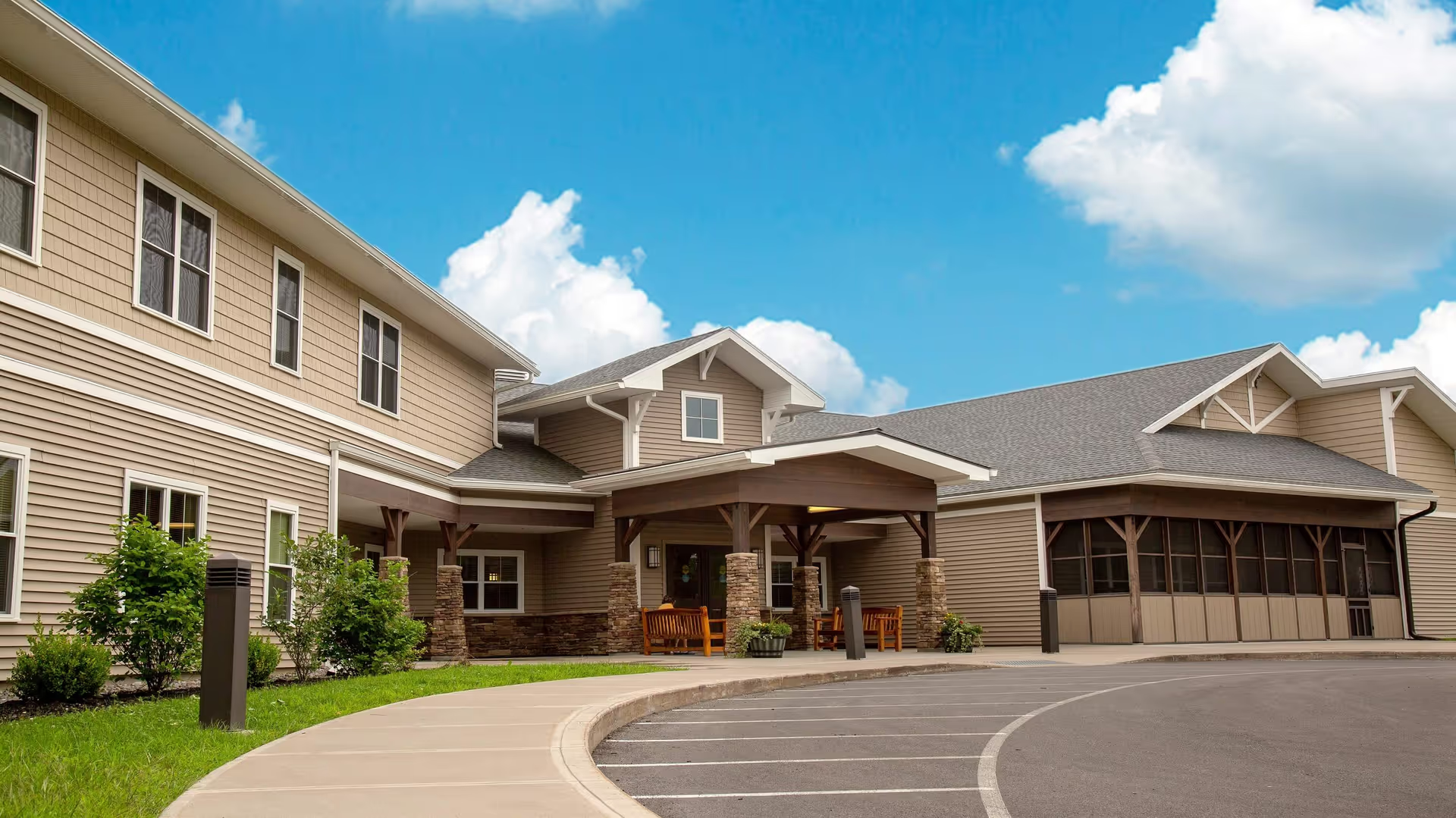
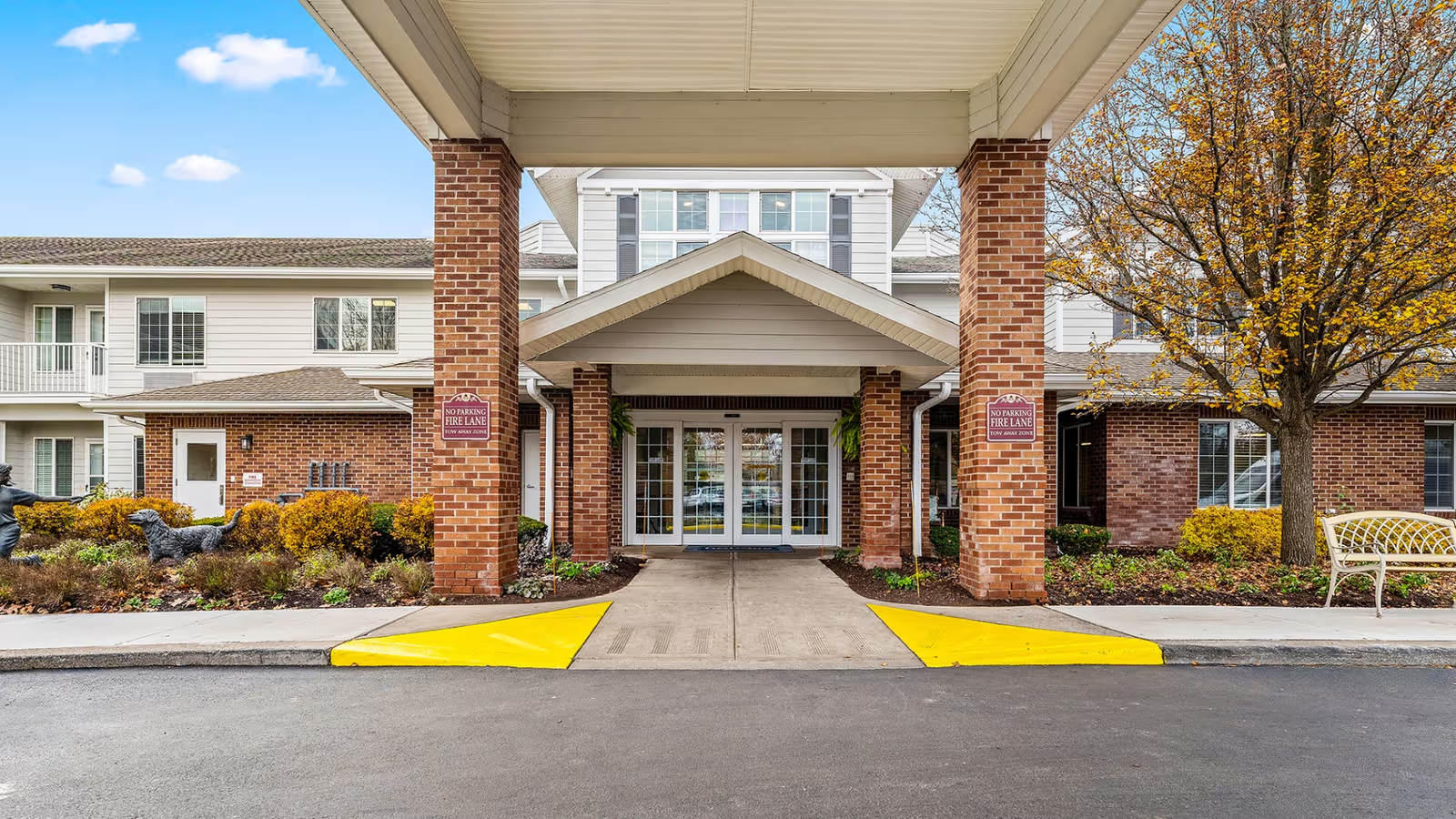
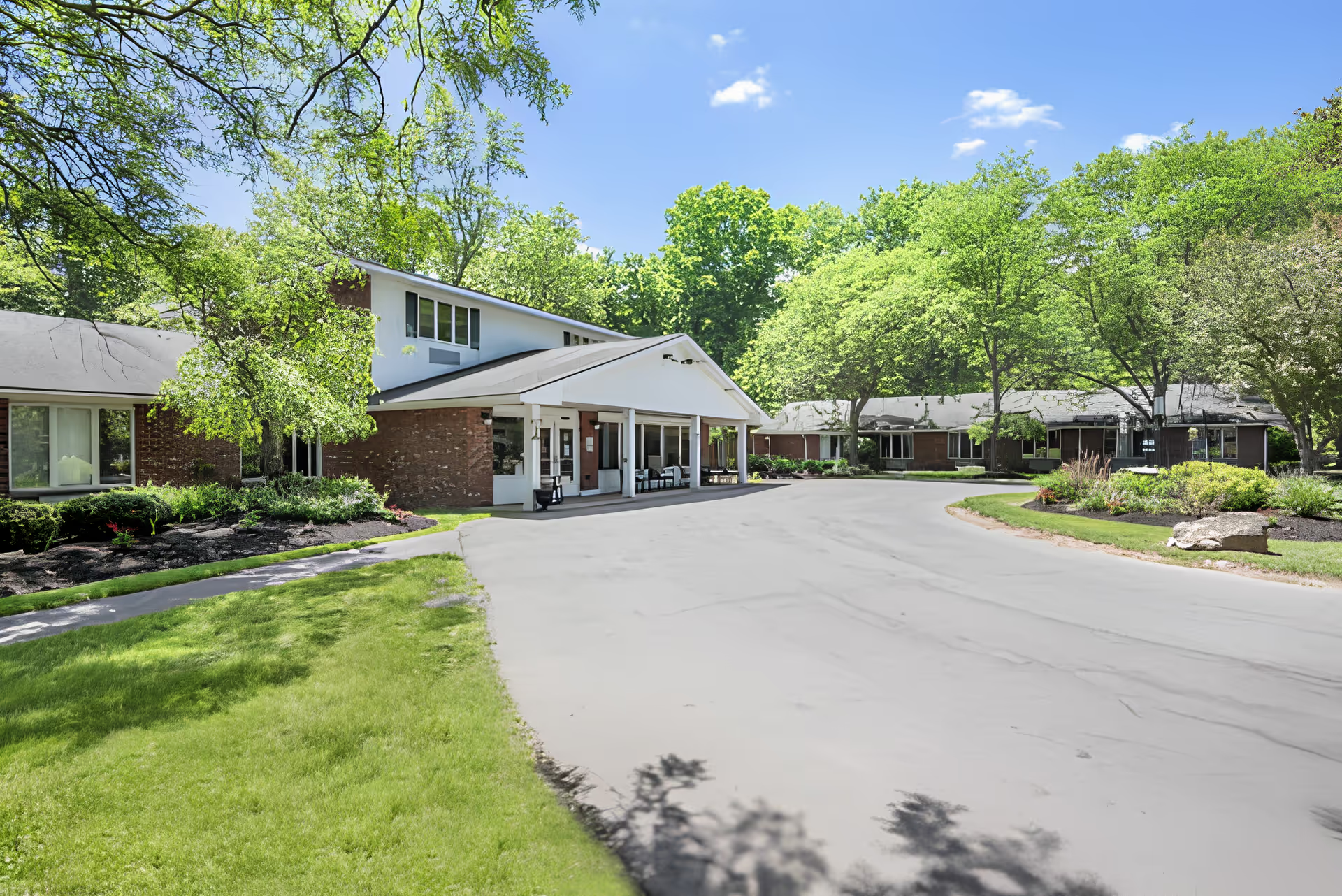
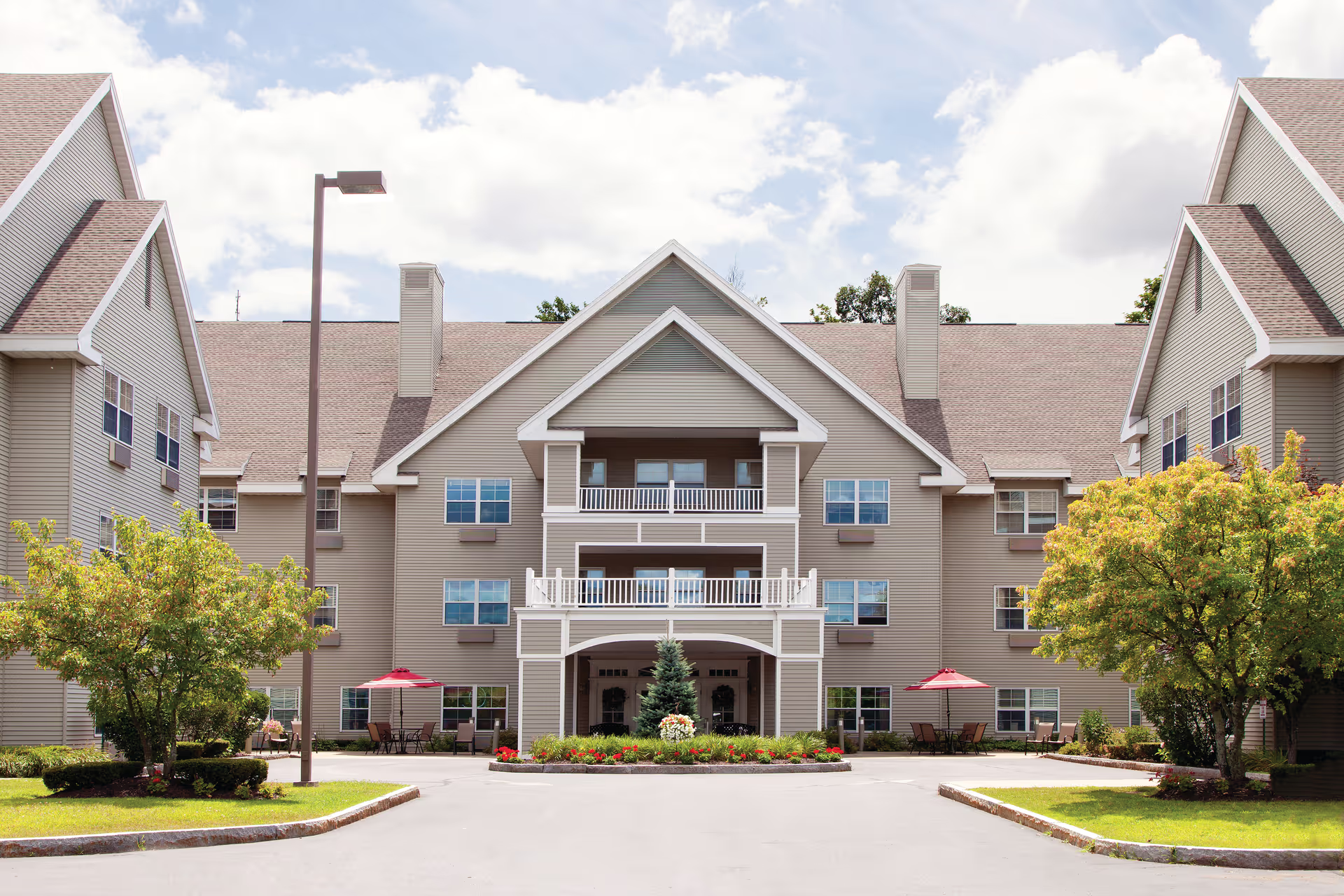
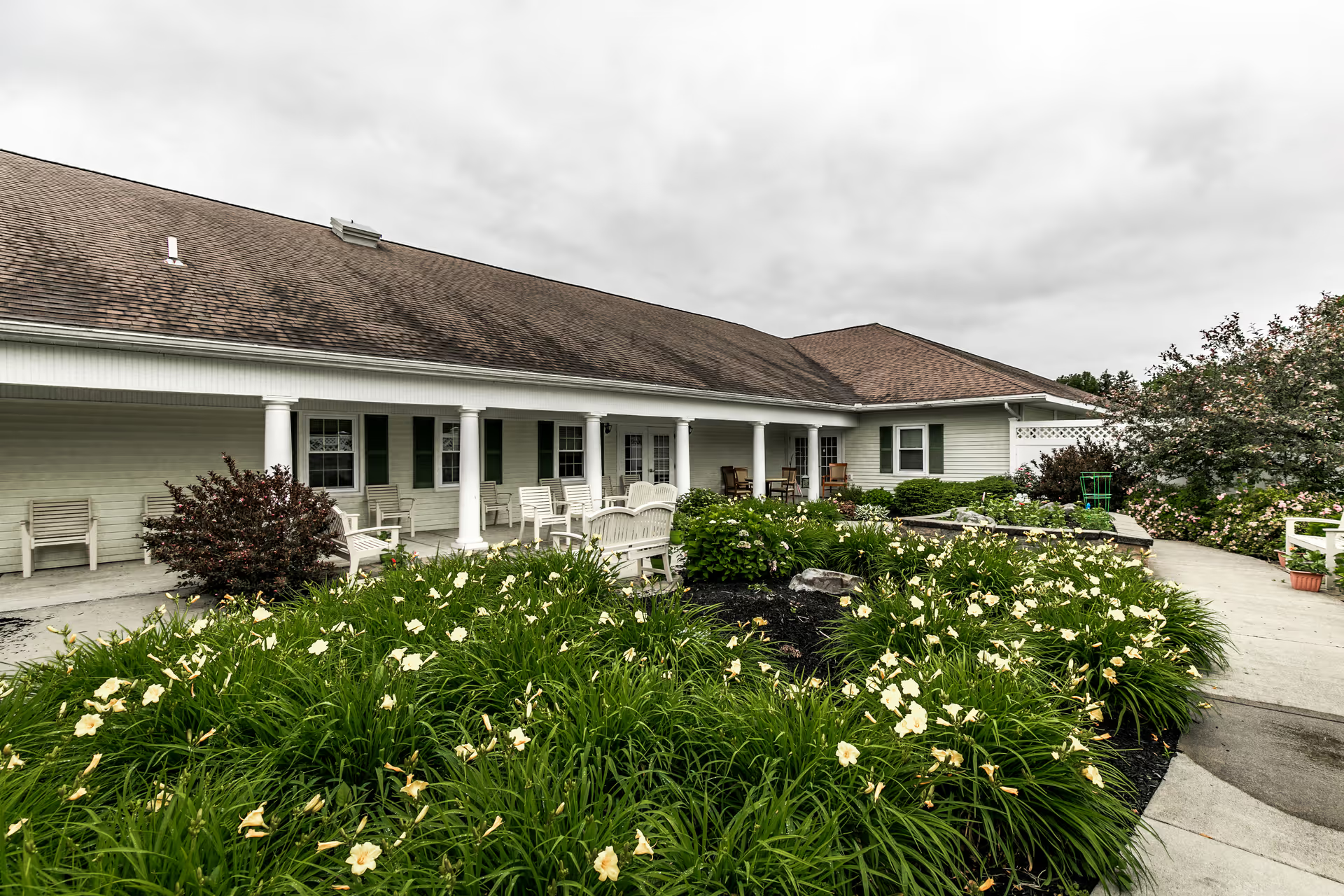
Overall impression: The Grand Rehabilitation and Nursing at Rome earns consistent praise for clinical care and rehabilitation services while showing recurring operational weaknesses that prospective residents and families should evaluate. Clinical strengths are cited frequently: nursing staff and wound-care teams are described as skilled, therapy and rehab programs are effective and recovery-focused, and social work and care-planning staff are viewed as supportive. Many accounts emphasize compassionate direct-care staff, attentive housekeeping, and a generally clean, mobility-friendly environment that supports resident dignity and safety.
Staff and culture: Staff-level experiences are mixed but lean positive for hands-on caregivers and therapists, who are characterized as kind, engaging, and invested in resident progress. The activities department receives strong commendation for varied, enjoyable programming that appears to support social engagement. At the same time, reviewers describe inconsistent interpersonal experiences — most staff are described as helpful, but there are repeated mentions of abrupt or rude interactions at the front desk and occasional concerns about the tone and responsiveness of some employees. Families should expect generally strong caregiving with periodic variability in customer-service behavior.
Dining and amenities: Dining receives mixed feedback. Several comments praise dietary staff who accommodate special diets and are helpful, yet there are repeated operational complaints about meal accuracy, missed or wrong main dishes, and an overall perception of blandness at times. Amenities and common areas are generally described as clean and calm, and the facility appears to be mobility-friendly. Prospective residents should clarify meal-service procedures, menu fidelity, and special-diet handling during the tour or admission process.
Operational and safety concerns: Multiple reviews point to facility-level process gaps that affect the resident experience. Admissions and intake procedures are frequently described as disorganized or rushed, and room-assignment limitations (including shortages of private rooms) are noted. Medication logistics and allergy-tracking were identified as areas with delays or lapses, creating concern about clinical coordination. Transportation oversight (including external drivers) and management follow-up on safety complaints were also reported as inconsistent. These are operational patterns rather than uniform failures, but they represent important areas to address with leadership before placement.
Management and communication: Communication with families is often praised when it occurs promptly, but there are simultaneous comments about management unresponsiveness when issues are raised. Prospective families should assess leadership accessibility, escalation pathways, and staffing patterns during decision-making. In sum, The Grand appears to provide solid clinical and rehabilitative care with an active activities program and many dedicated staff members; however, variability in admissions, meal service, medication logistics, front-desk/customer-service interactions, transportation oversight, and managerial follow-through are recurring themes that warrant direct inquiry during tours and care-planning conversations.