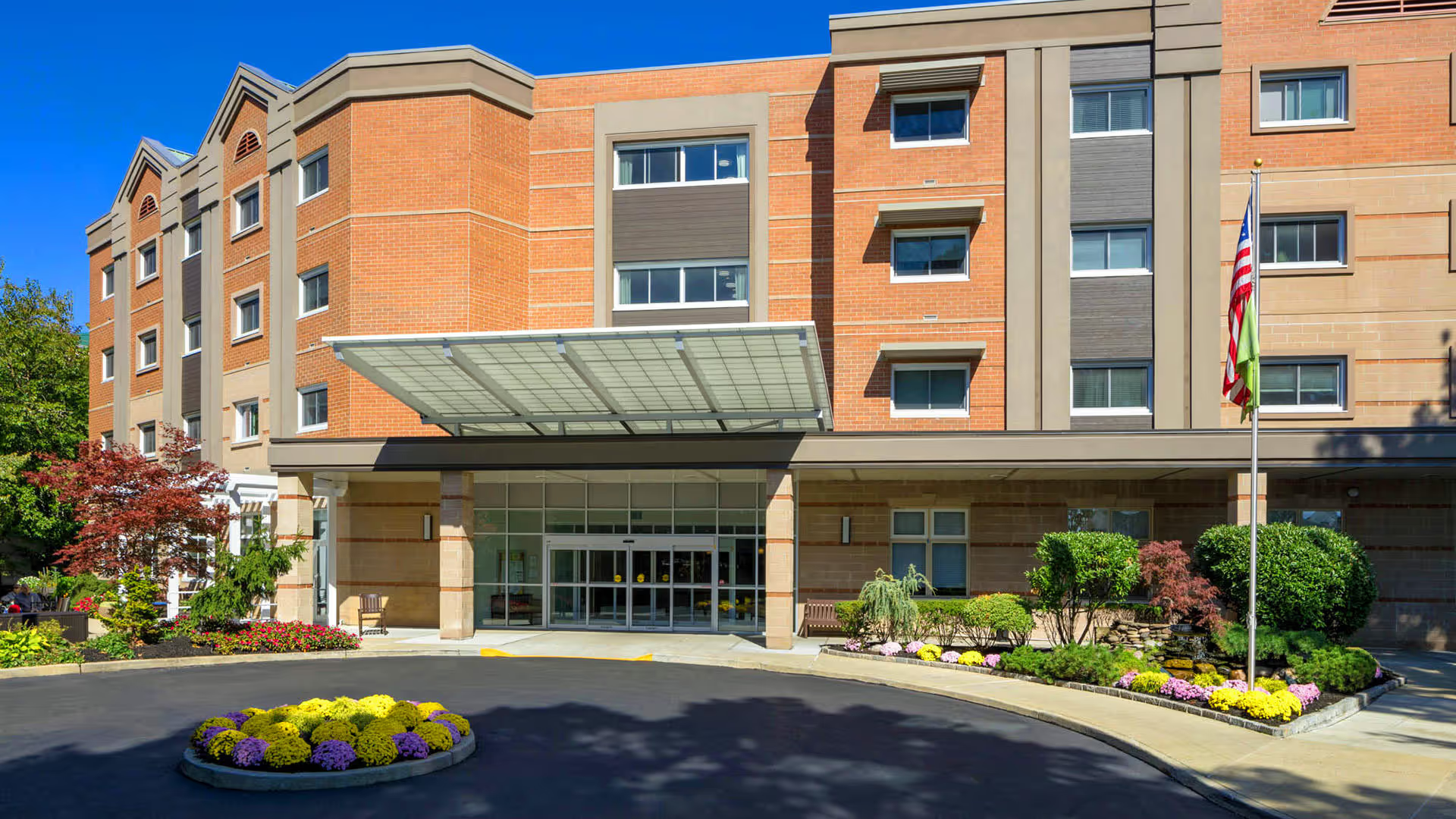
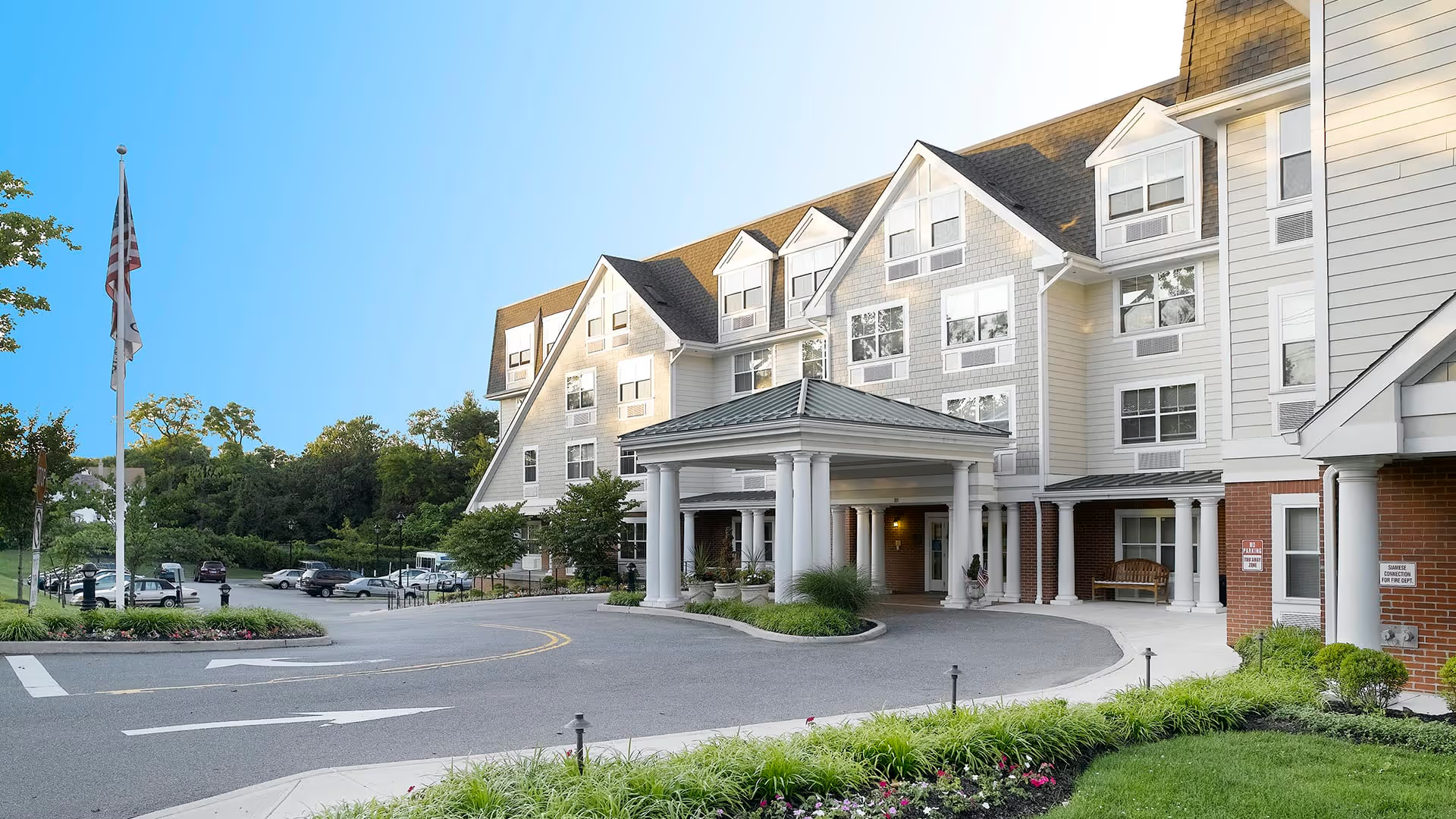
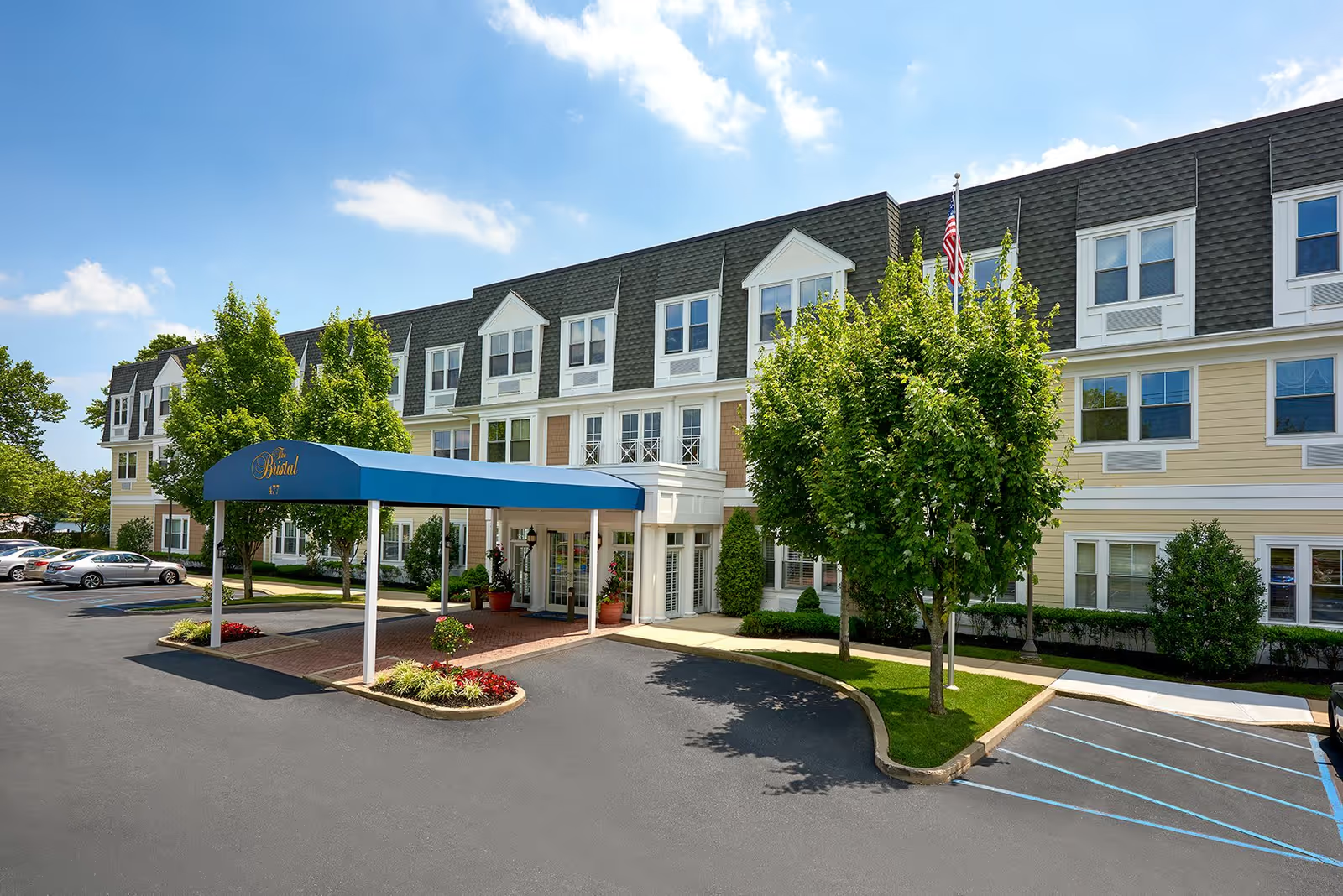
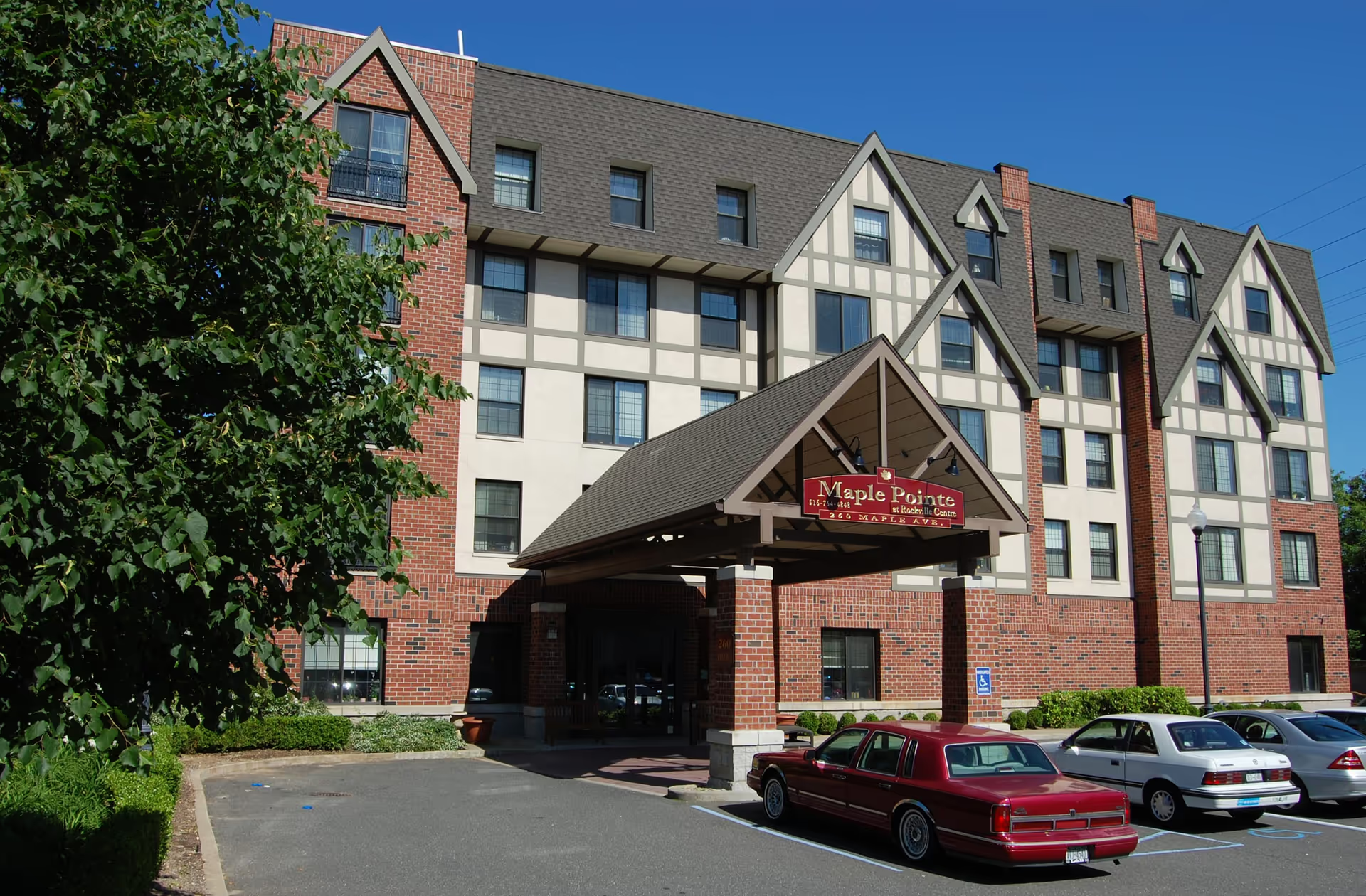
Overall impression: North Shore - LIJ Orzac Center for Rehabilitation is frequently praised for its clinical rehabilitation program and many aspects of nursing care, with reviewers highlighting substantial progress achieved through physical, occupational and speech therapy. Families and residents commonly describe therapists and nursing staff as competent and caring; the facility environment is often characterized as clean, spacious and comfortable, with daily linen changes, large rooms and access to an outdoor patio.
Care and staff: The facility's rehabilitation services are a clear strength. Therapy teams are credited with helping residents make measurable gains, and several reviewers singled out individual therapists and aides as particularly effective. Nursing staff are often described as attentive and compassionate; aides receive frequent positive mention for respectful bedside manner. At the same time, a recurring operational issue is inconsistent staffing coverage, especially overnight, which reviewers say contributes to longer waits for assistance and uneven responsiveness to call lights. There are also comments about variability in bedside responsiveness during urgent situations and some difficulty reaching clinical staff or receiving clear explanations from the treating physician.
Dining and activities: Dining is generally well regarded—meals are described as an improvement over hospital food, and alternatives are available for differing tastes or needs. The activity program is another positive area: residents have access to a schedule of social events, dayroom activities, community gatherings, pet visits and religious services that support social and emotional needs.
Facilities and hygiene: Many reviewers describe the physical plant as attractive and well maintained, with clean common areas and comfortable rooms. However, there are intermittent concerns about housekeeping consistency during admissions and occasional in-room maintenance or sanitation lapses. Personal-care scheduling, including bathing frequency, is noted as inconsistent for some residents.
Management, transitions and communication: A notable pattern relates to care transitions and administrative communication. Multiple reviewers express concern about discharge planning and what they perceive as pressure to discharge residents before families feel fully prepared; social-services interactions and messaging about costs can be confusing or forceful. There is also a pattern of unclear communication around Medicare and billing decisions that families found difficult to navigate. After-hours accessibility and the availability of written documentation or timely callbacks are additional areas where families experienced frustration.
Infection-control and visitation: Infection-control events have at times led to restrictive visitation and operational stress; these protocols can meaningfully affect family access and resident routines. Reviewers also referenced staffing impacts tied to illness and vaccination-policy debates, which some families felt affected overall service availability.
Bottom line: The Orzac Center demonstrates clear strengths in rehabilitative care, attentive nursing, engaging activities and a generally well-kept facility environment. Prospective residents and families should weigh these clinical strengths against recurring operational concerns: inconsistent staffing (particularly overnight), variability in responsiveness and personal-care schedules, and challenges with discharge planning and financial/Medicare communication. When considering placement, ask targeted questions about current staffing levels, typical therapy goals and timelines, bathing and personal-care schedules, discharge planning processes, and how the facility communicates with families during and after regular hours.