Experiences at Excel at Woodbury for Rehab and Nursing are notably mixed. A consistent strength across many accounts is the facility's rehabilitation program: physical and occupational therapy staff receive strong praise for producing measurable functional gains and for delivering focused, patient-centered therapy. The recreation department and activity programming are also frequently described as engaging, with multiple references to residents participating in social programs. Several visitors and families comment positively on welcoming admissions processes, helpful front-desk staff, and amenities such as an on-site bakery and coffee service.
At the same time, there is a pattern of serious concerns about the reliability of day-to-day nursing and aide care. While some families describe compassionate, attentive nurses and supportive caregivers, others describe inconsistent direct-care performance, delayed responses to needs, and uneven assistance with personal-care tasks. There are also allegations of medication-management errors and hydration monitoring shortfalls; these translate into a broader pattern of inconsistent clinical monitoring and medication-administration controls that prospective families should evaluate closely.
Communication and management emerge as recurrent themes. Families and visitors cite slow, unclear, or incomplete communication between staff and relatives and note poor coordination during transitions and care planning. Administrative responsiveness is described as variable: some interactions with management and admissions are smooth and informative, whereas others indicate difficulty obtaining timely information, missing medications, or delays in addressing concerns. Staffing levels and shift coverage also appear to affect direct care availability, particularly for aide tasks and late-shift support.
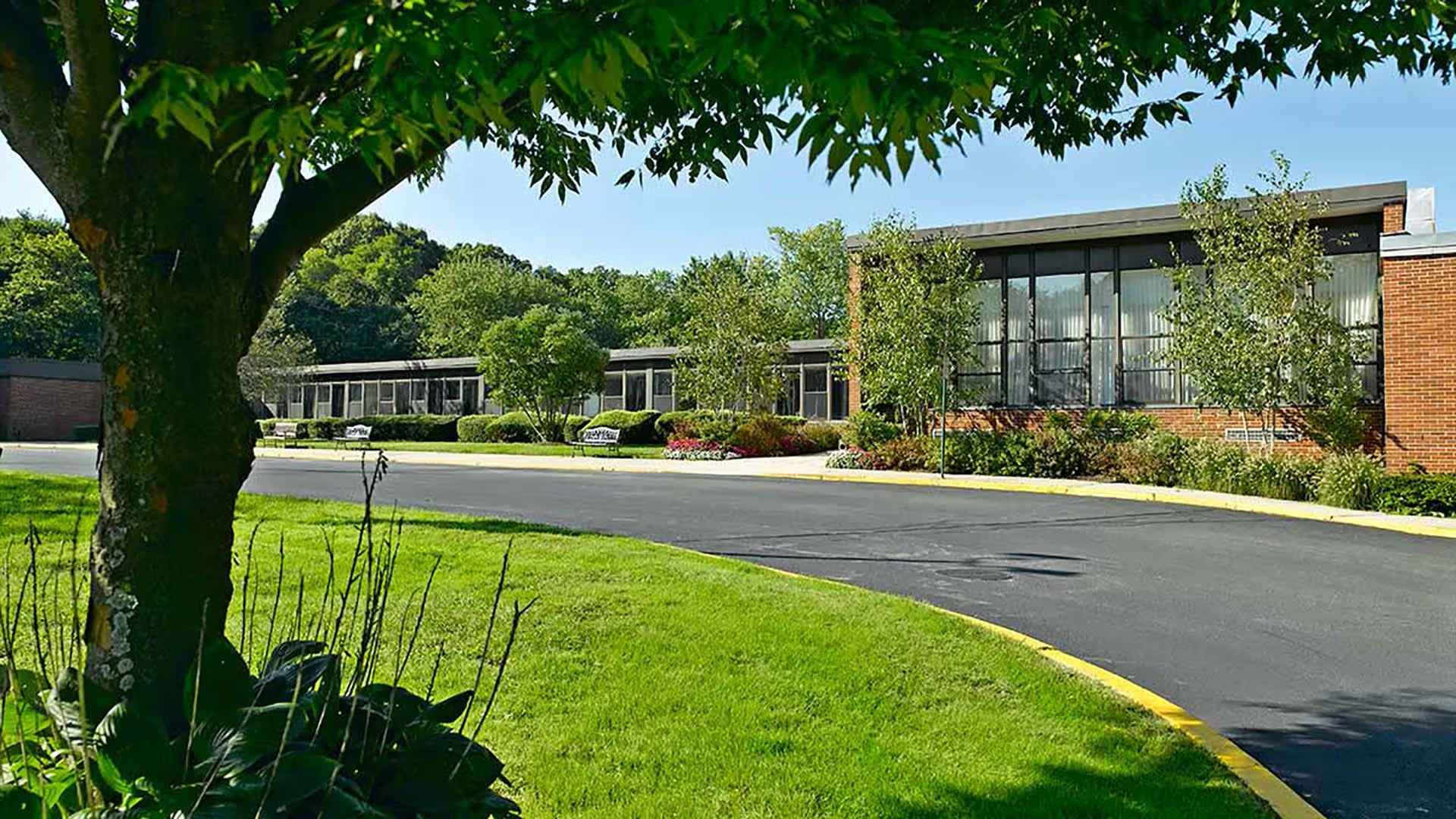
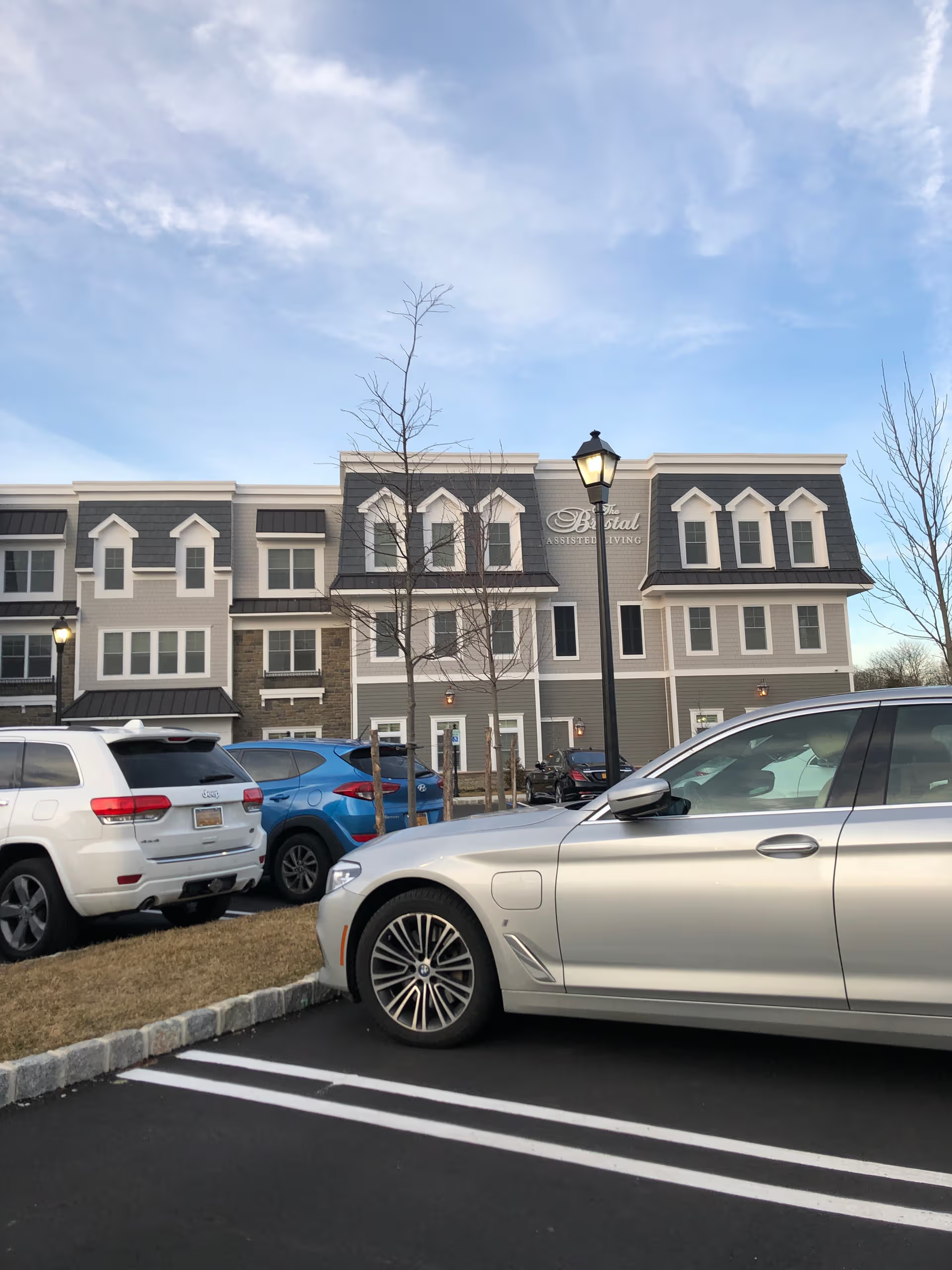
Facility condition and dining draw divergent comments. Multiple accounts describe clean, warm, and spacious areas with a pleasant appearance, while other accounts raise sanitation and odor concerns in specific areas and note inconsistent bathing or incontinence-care follow-through. Dining is another mixed area: some find the food unsatisfying or inconsistent, while others do not note issues.
Overall, the dominant pattern is polarization: the facility demonstrates clear strengths in rehabilitation, activities, and some aspects of hospitality and admissions, but there are recurring operational weaknesses related to staffing consistency, clinical oversight (including medication and hydration monitoring), communication, and certain cleanliness and personal-care practices. Prospective residents and families should consider touring the unit, observing therapy and mealtime, asking for details about staffing ratios and medication-administration protocols, requesting examples of incident-response procedures, and speaking with the therapy and nursing leads to assess whether the facility's strengths align with the resident's clinical and daily-living needs.