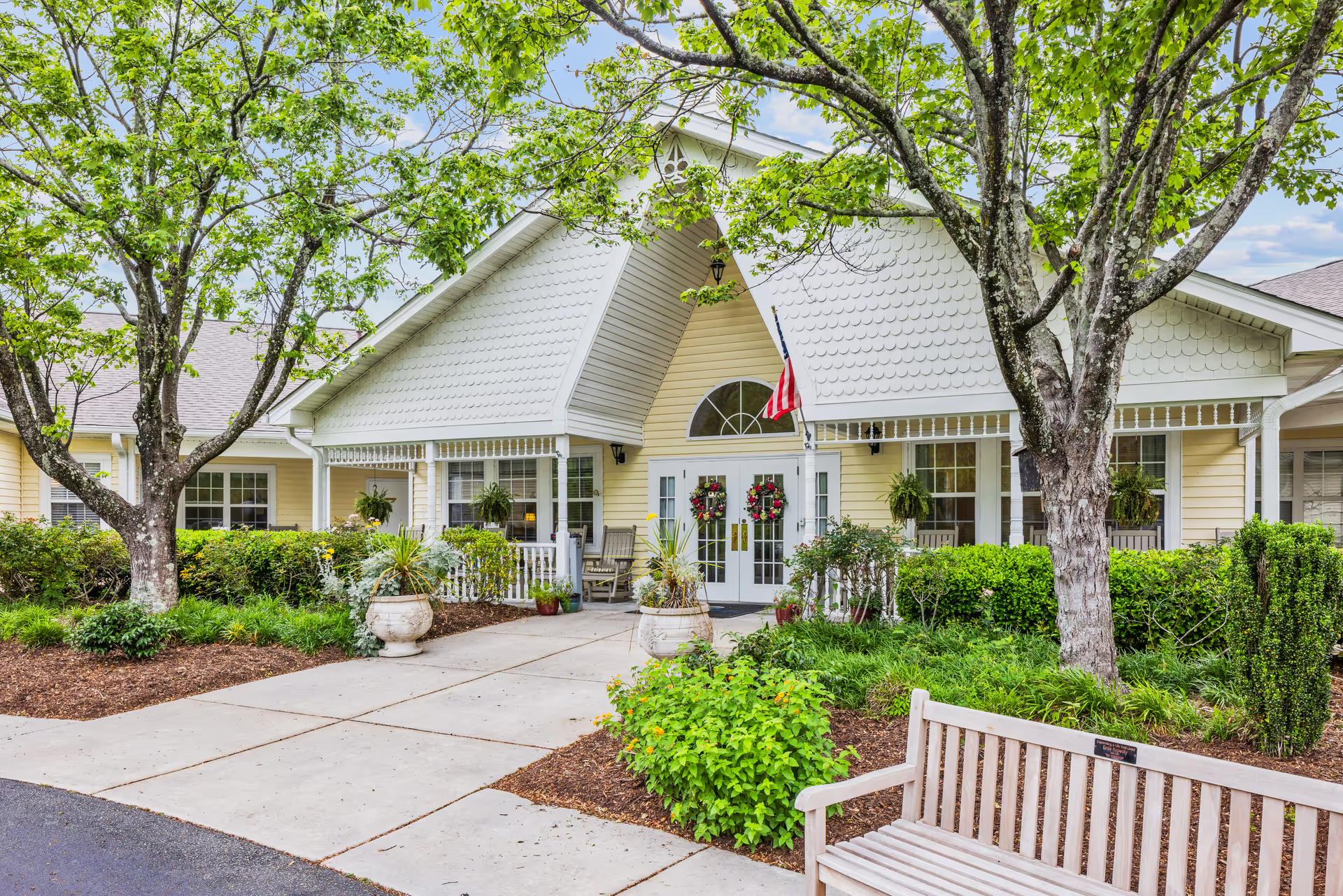
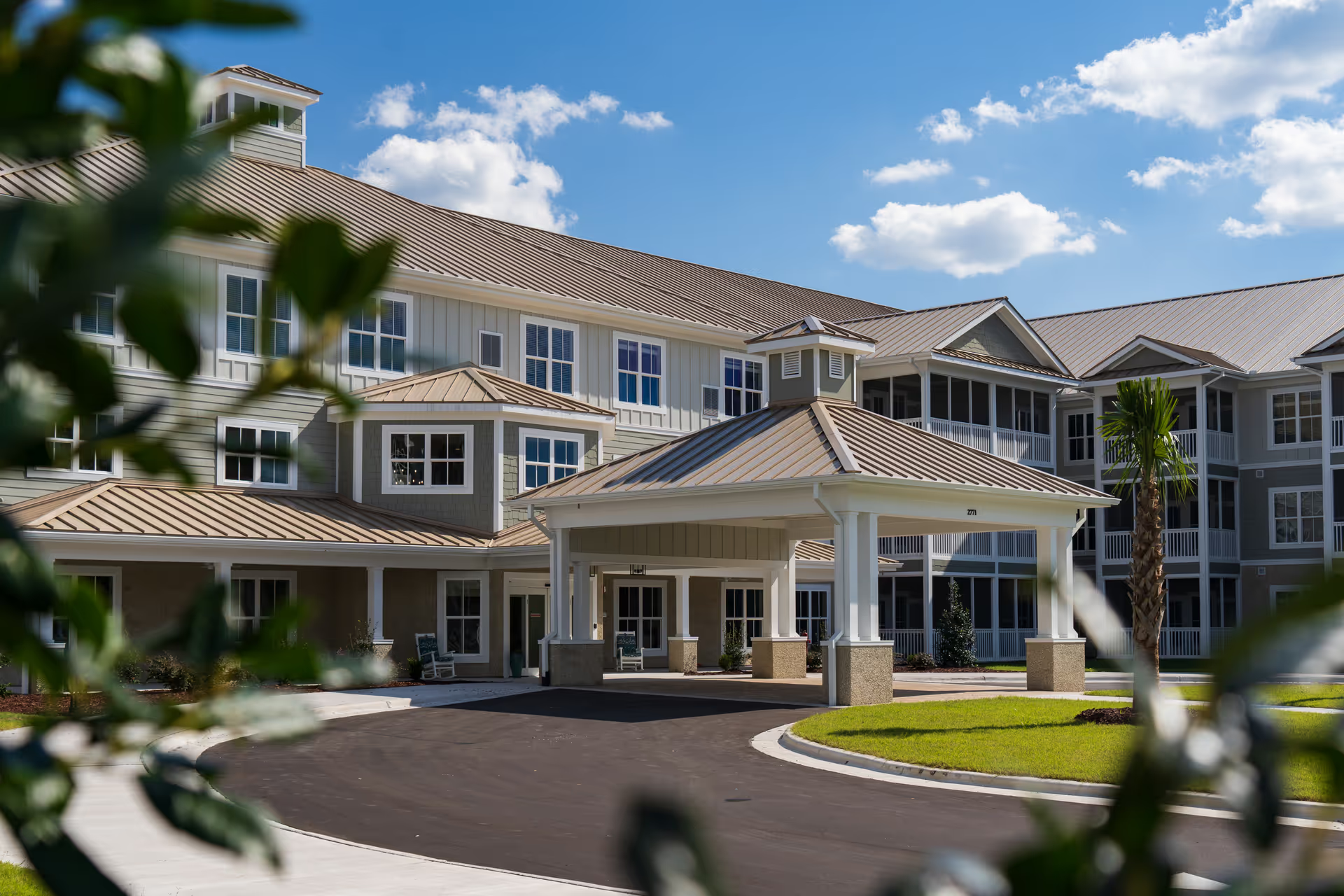
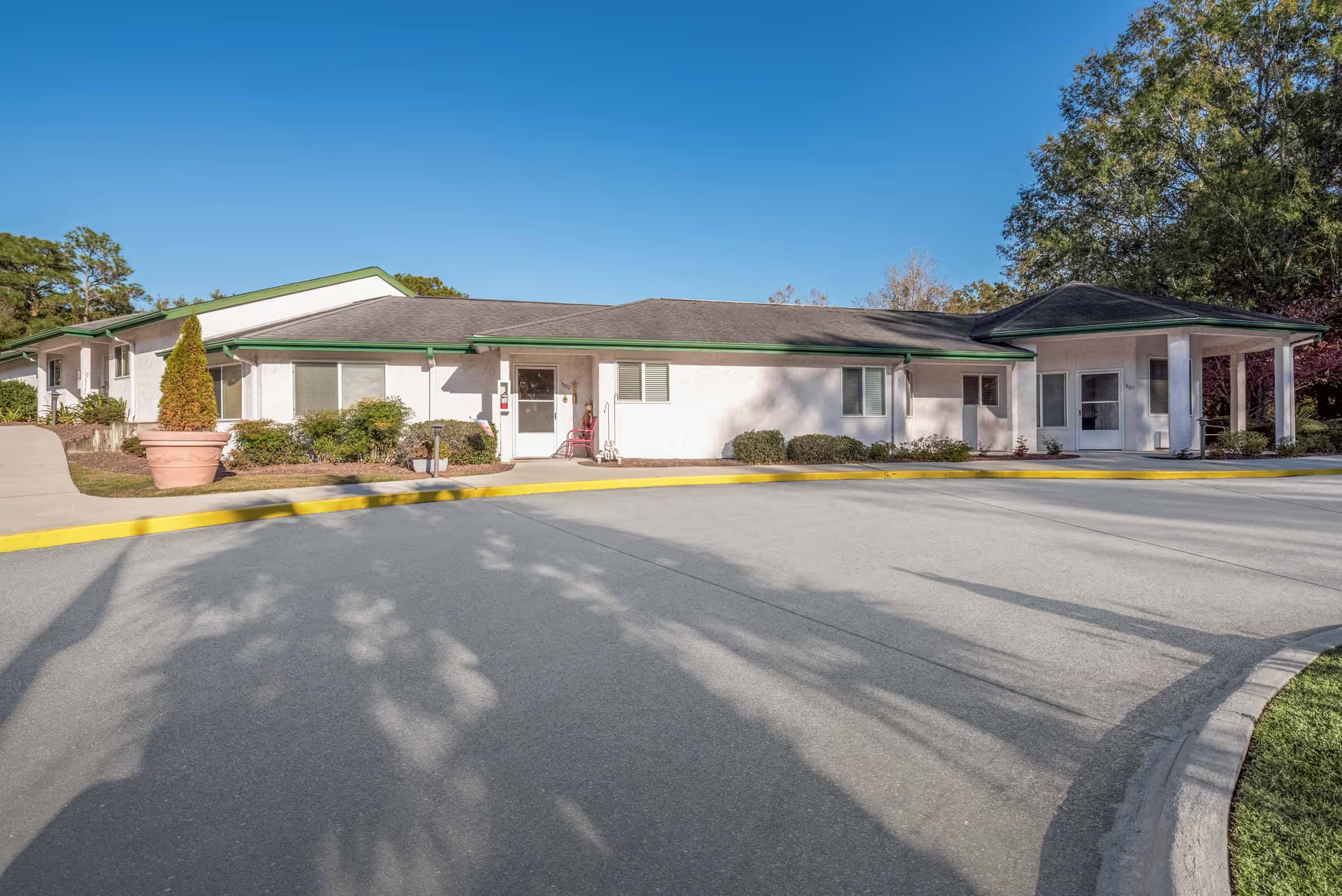
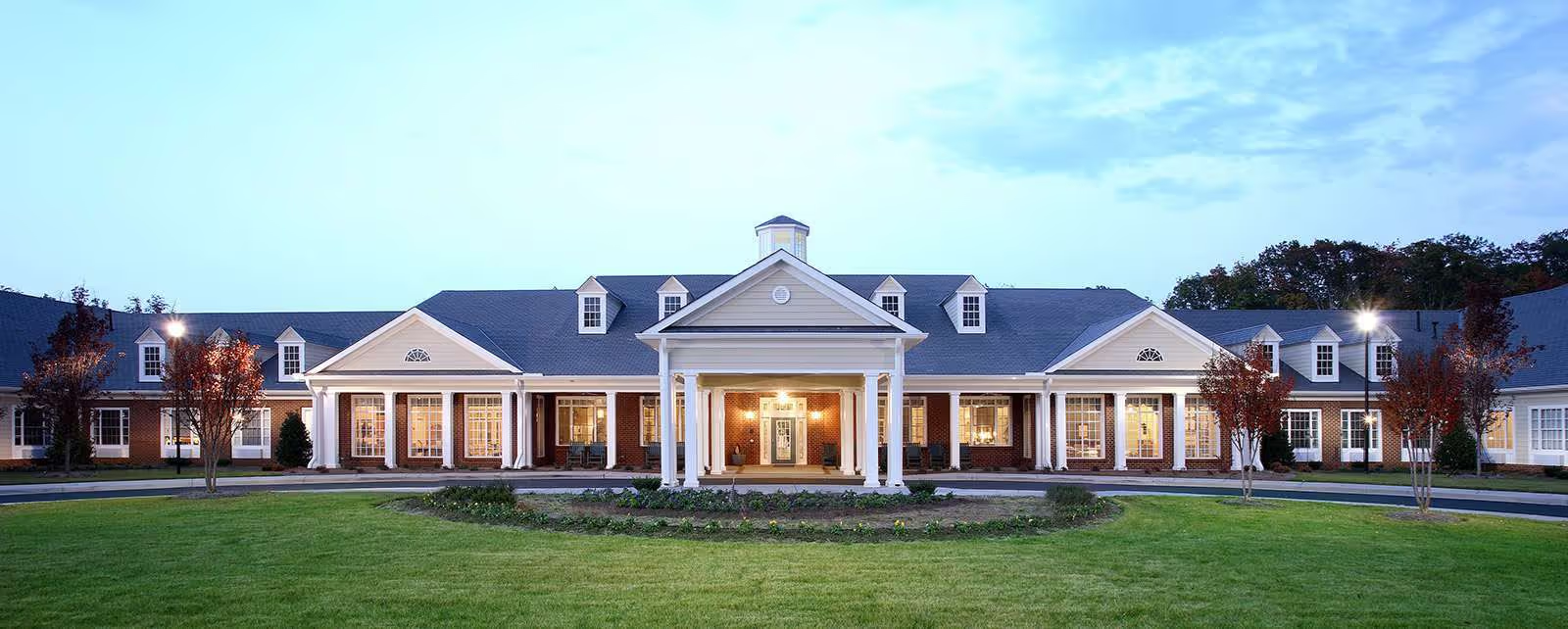
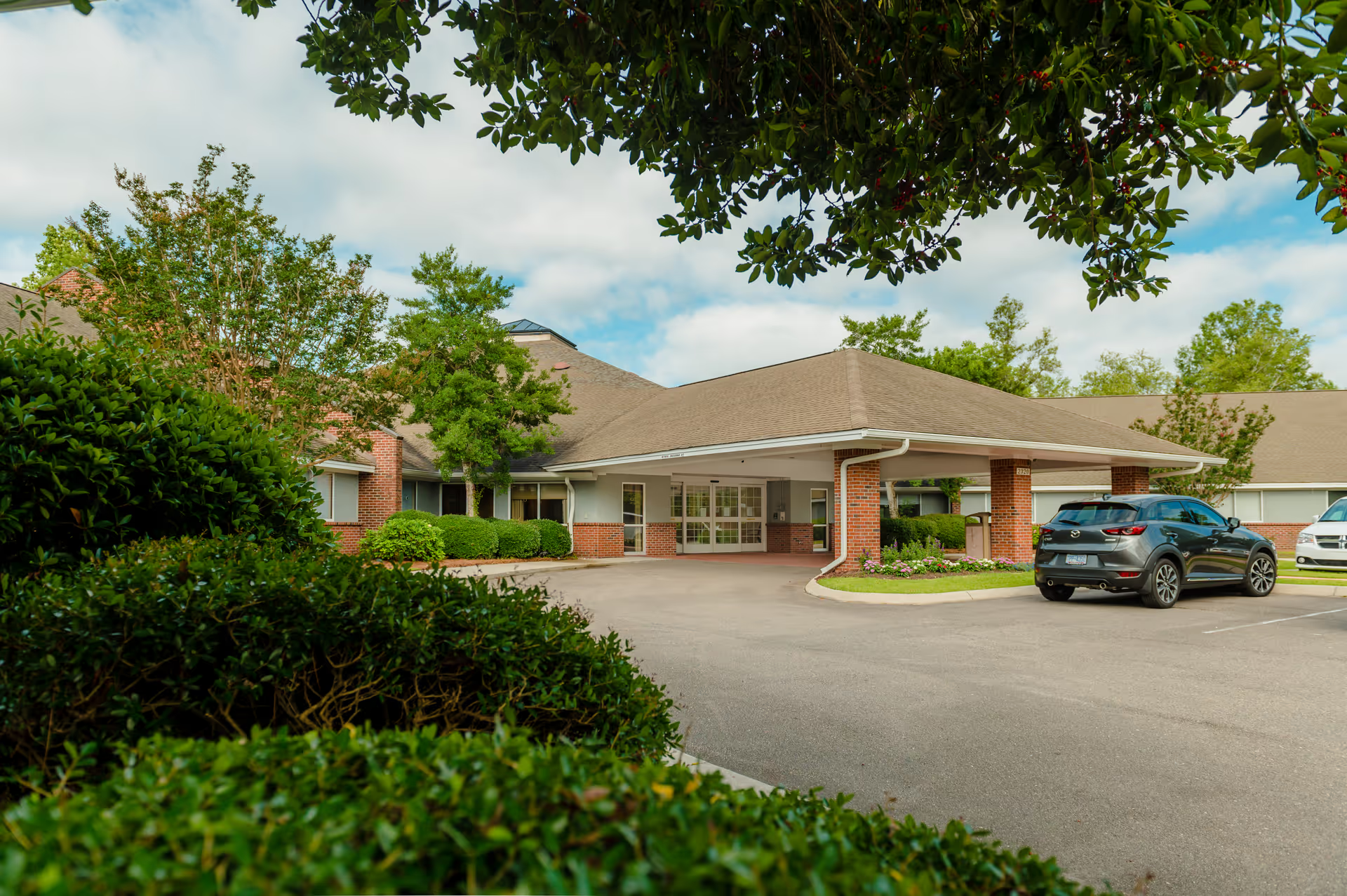
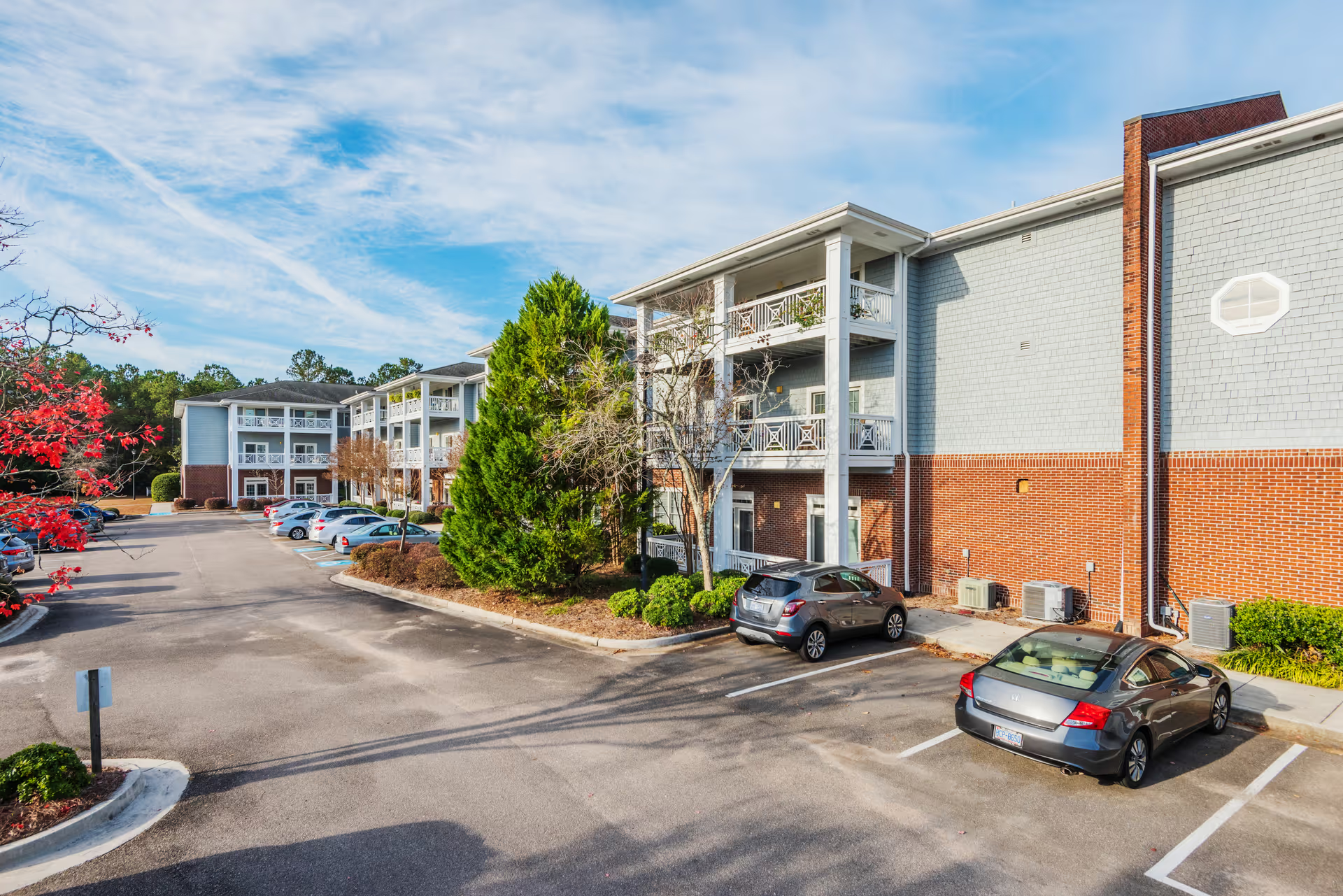
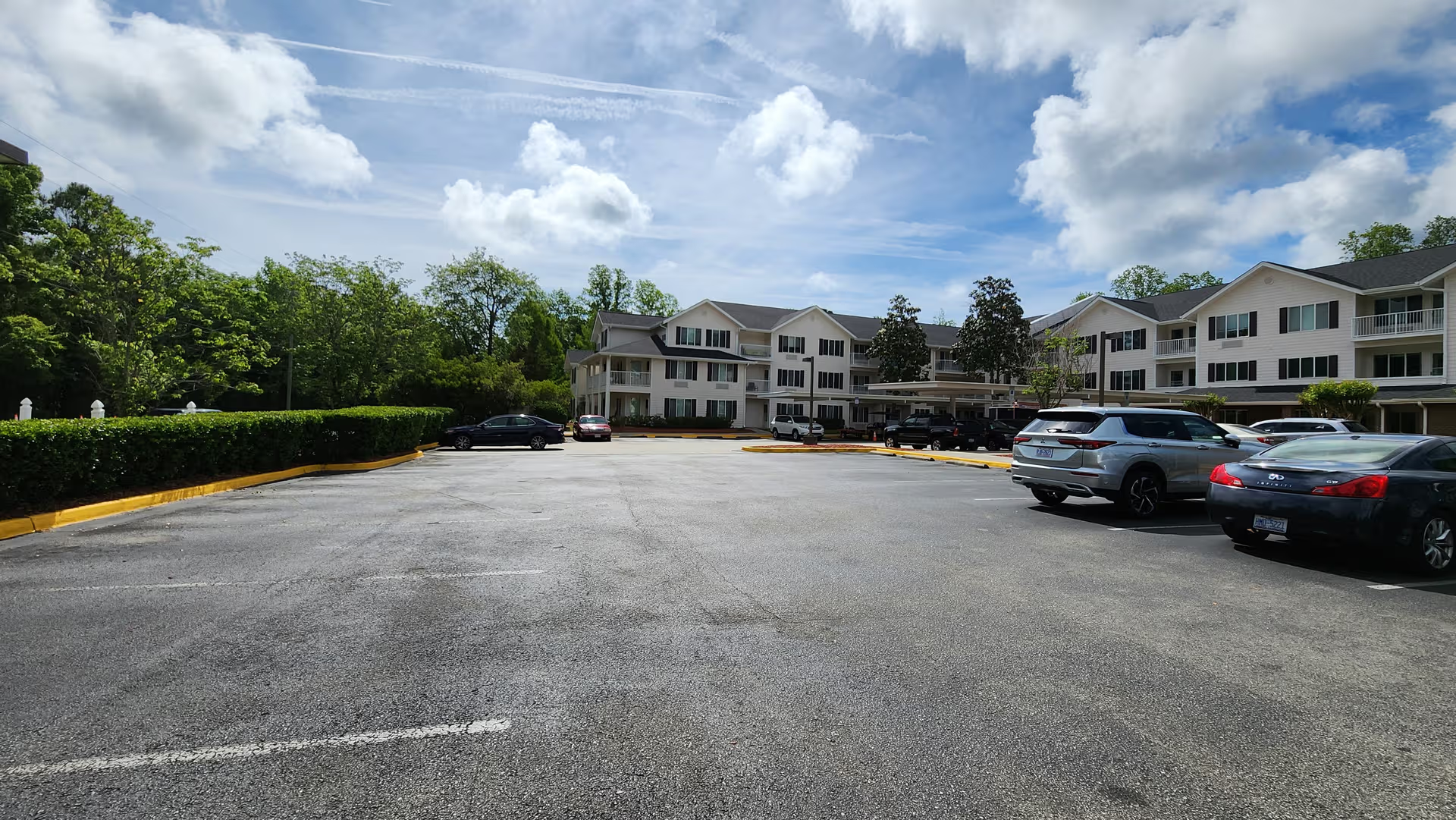
Reviews of Bolivia Rehabilitation & Healthcare Center describe a facility with a clear strength in rehabilitation and many individual caregivers who are described as compassionate and effective. Physical and occupational therapy are repeatedly cited as strong points; several families credited therapy staff with meaningful functional recovery. Numerous commenters also praised visible administrative leadership (DON/ADON), a welcoming front desk, attentive housekeeping, and a generally home-like environment in common areas.
At the same time, the experience appears highly variable across units, shifts and stays. Positive accounts of attentive nursing and prompt response to needs coexist with accounts of slow or unreliable call-bell response, inconsistent assistance with bathing and dressing, and concerns about medication-management controls. There are serious individual claims including alleged inappropriate staff conduct and medication administration contrary to instructions; those allegations are significant and would warrant formal investigation. Night-shift responsiveness and conduct issues are a recurring theme distinct from daytime reports of stronger performance.
Dining and activities present a mixed picture. The kitchen receives credit for accommodating dietary preferences and tailoring meals for individual needs, and some residents enjoy regular social and craft programs. However, reviewers also describe irregular meal timing, temperature-control problems, and periods when activities staffing declined or an activities director departed, reducing program availability.
Facility condition and infection-control observations are similarly mixed. Many reviewers describe clean, well-kept common areas and regular housekeeping, while other accounts note sanitation concerns, odor issues in specific areas, and pest-control needs. These differences suggest variability by unit or shift rather than uniform facility condition. Infection-control process weaknesses and PPE communication lapses were also mentioned and should be clarified with facility leadership.
Management and operational oversight show a split perception. Several families commended hands-on administrators who know residents and communicate proactively; others described unclear management responsiveness, difficulty obtaining medical records or timely information, and inconsistent follow-through on grievances. Staffing shortages and turnover emerge as an underlying factor linked to many negative experiences, affecting responsiveness, activity coverage and meal service continuity.
Notable patterns for prospective residents and families: the facility demonstrates particular strengths in rehabilitation care and individual staff members who provide compassionate support, but there is variability in nursing responsiveness, personal-care assistance, medication practices and environmental maintenance. Before a placement, families should ask specific questions about staffing ratios by shift, medication administration protocols, infection-control policies, pest-control measures, activity staffing and how the facility handles escalation and family communication. Visiting at different times (day and night) and confirming the availability of administrative contacts and medical-record access can help clarify whether the facility’s positive elements are likely to be consistent for a given resident.