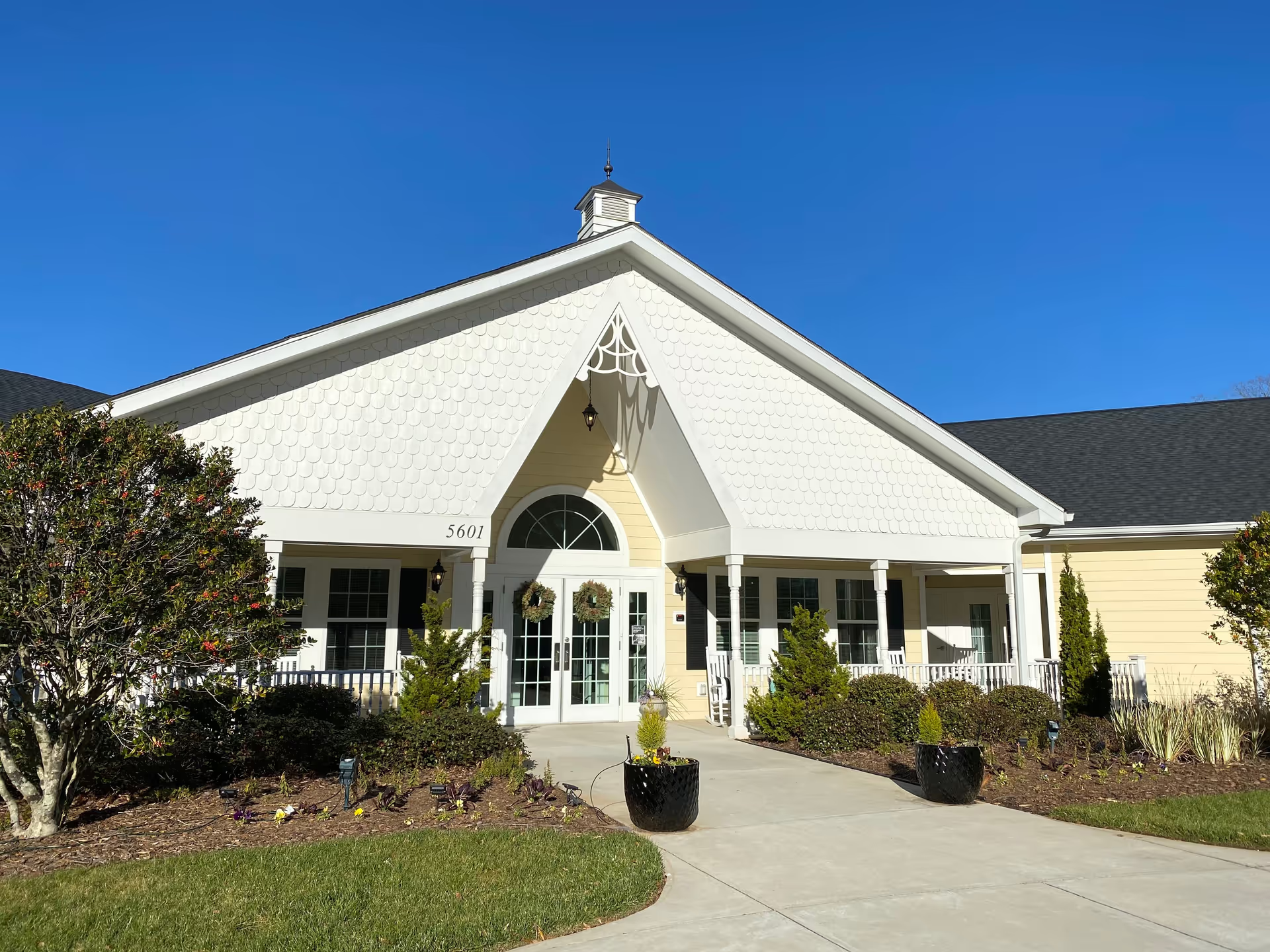
The reviews present a mixed picture of care at this facility. Strengths are strongest in short-term rehabilitation: physical, occupational, and speech therapy teams receive consistent praise for effectiveness and for preparing residents to return home. Many families described therapists and some nursing staff as caring and competent, and several reviewers highlighted positive experiences with administrative staff who prioritized discharge planning and dietary accommodations. The facility offers amenities that support resident quality of life, including an on-site hair salon, structured activities, a courtyard and gardens, and opportunities for pet interactions.
However, a notable pattern of variability in operational performance emerges across reviews. Staffing levels and responsiveness appear inconsistent: reviewers report long waits for assistance (including call-bell response delays), especially during certain shifts and weekends. These delays are tied to interrupted personal-care routines such as bathing, assistance with meals, toileting support, and timely provision of fluids. Several accounts associate these service lapses with subsequent clinical complications, indicating risk when basic care processes are not reliably delivered.
Clinical and administrative coordination show similar variability. While some families described attentive nursing and clear medication processes, others raised concerns about medication-management confusion, delayed clinical attention, and inconsistent infection-control and PPE practices. Communication breakdowns between staff and families — and within clinical teams — are recurring themes, sometimes prolonging discharge logistics or complicating care transitions.
Dining and housekeeping impressions are mixed. Dietary personnel are often credited for accommodating allergies and helping residents who require feeding assistance, and some reviewers praised the cooks and meals. At the same time, meal delivery interruptions, trays left unattended, and inconsistent fluid provision were reported. Facility cleanliness is generally acceptable in common areas and gardens, but select comments flagged sanitation and odor concerns in specific units or corridors, and some rooms were described as small, cramped, or in need of repair.
Activity programming and social spaces are a clear positive for many residents, although higher activity and loud televisions were noted as potential stressors for those who need quieter environments. Overall, the strongest, most consistent positive signal is the facility’s rehabilitation capability and staff who focus on short-term recovery. Conversely, the predominant operational weaknesses are inconsistent staffing and responsiveness, variable personal-care delivery, and intermittent communication and clinical coordination problems.
For prospective residents and families: the facility can be a good option for short-term post-acute rehab when therapy teams are engaged and staffing aligns with needs. For longer-term placements or for residents requiring continuous personal-care assistance, families should verify current staffing levels, call-response times, routines for feeding and toileting assistance, infection-control policies, and room assignments (private versus shared). Asking for recent staffing ratios, observation of a mealtime, and direct discussion with therapy and nursing leads can help set expectations and identify whether the facility’s operational cadence matches the resident’s needs.