Experiences at Fayetteville VA Medical Center vary considerably by department and visit. Many patients describe compassionate, capable care in urgent care and the emergency department, including attentive nursing, helpful explanations, and effective treatment. Positive accounts also highlight surgery, imaging, laboratory services, respiratory care, ophthalmology, and mental-health programs. Other patients describe delays in assessment or follow-up, feeling that concerns were not fully addressed, or difficulty obtaining needed care. These accounts point to inconsistent experiences rather than uniformly poor or uniformly strong care.
Staff interactions are similarly mixed. Patients and families praise clinicians, nurses, reception staff, volunteers, and support personnel for kindness, professionalism, and practical assistance. However, complaints about dismissive communication, unclear guidance, and difficulty reaching staff recur, especially in scheduling, community care, pharmacy, and administrative offices. Primary-care turnover and shortages are also described as affecting continuity and appointment availability.
Access and coordination are prominent concerns. Patients report long waits for routine and specialty appointments, cancellations or rescheduling, and challenges obtaining timely call-backs. Community-care referrals, dental services, prosthetics, and medication refills are particular sources of delay. Phone systems, voicemail capacity, and transfer processes are frequently described as difficult to navigate. Some patients also cite long on-site waits, although others report quick urgent-care visits and efficient appointments. Emergency-care experiences range from prompt and supportive to prolonged or poorly coordinated.
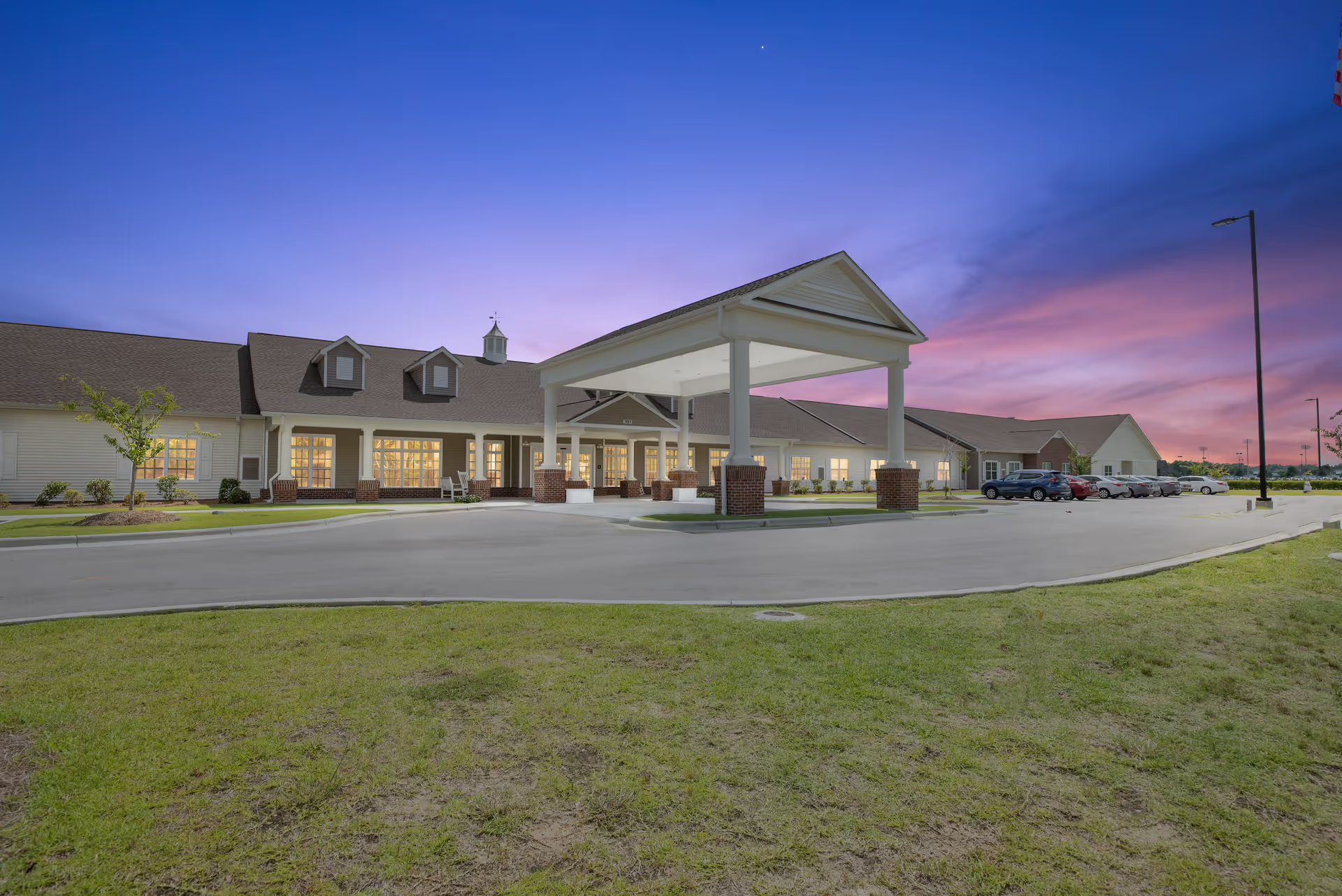
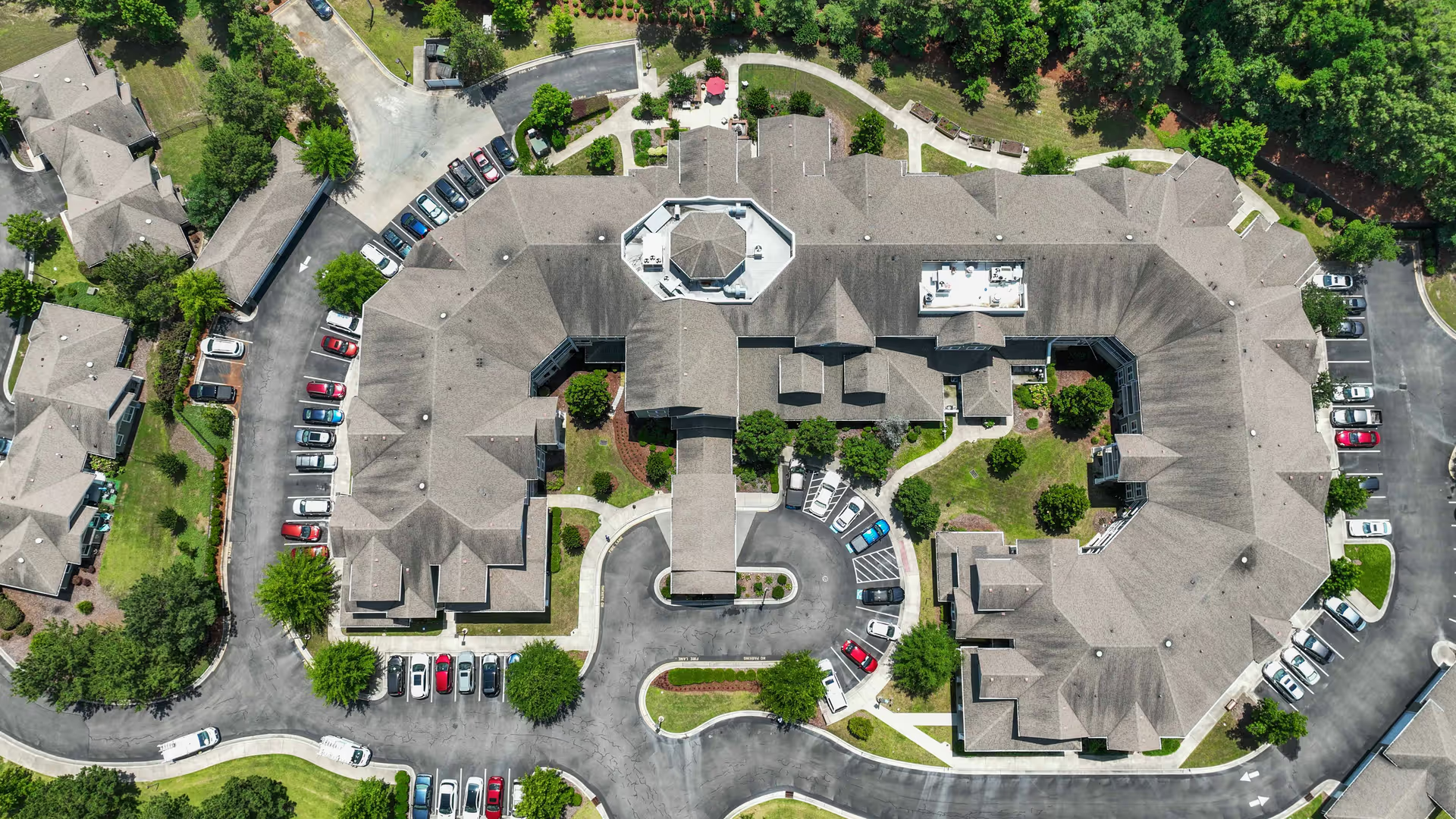
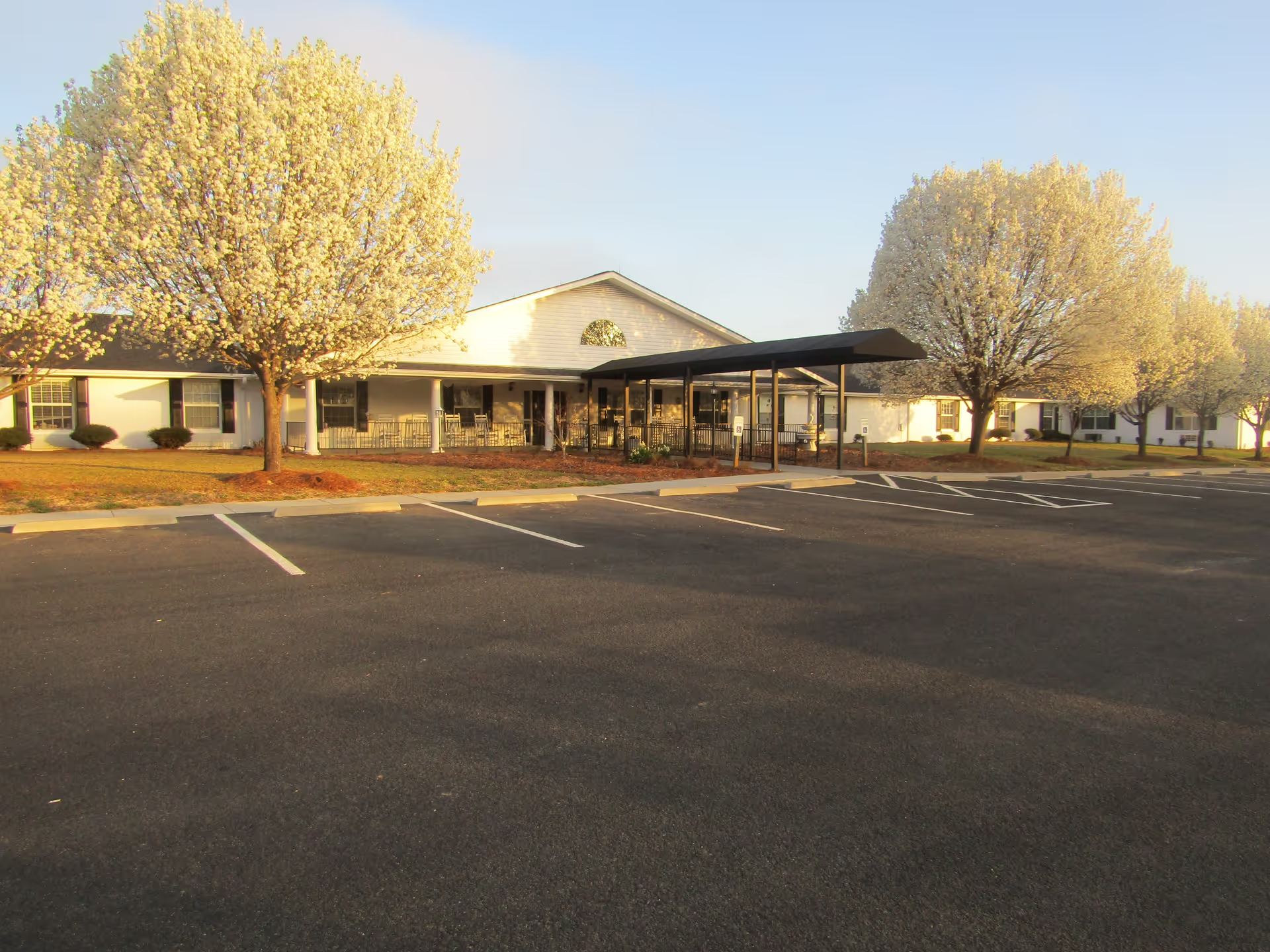
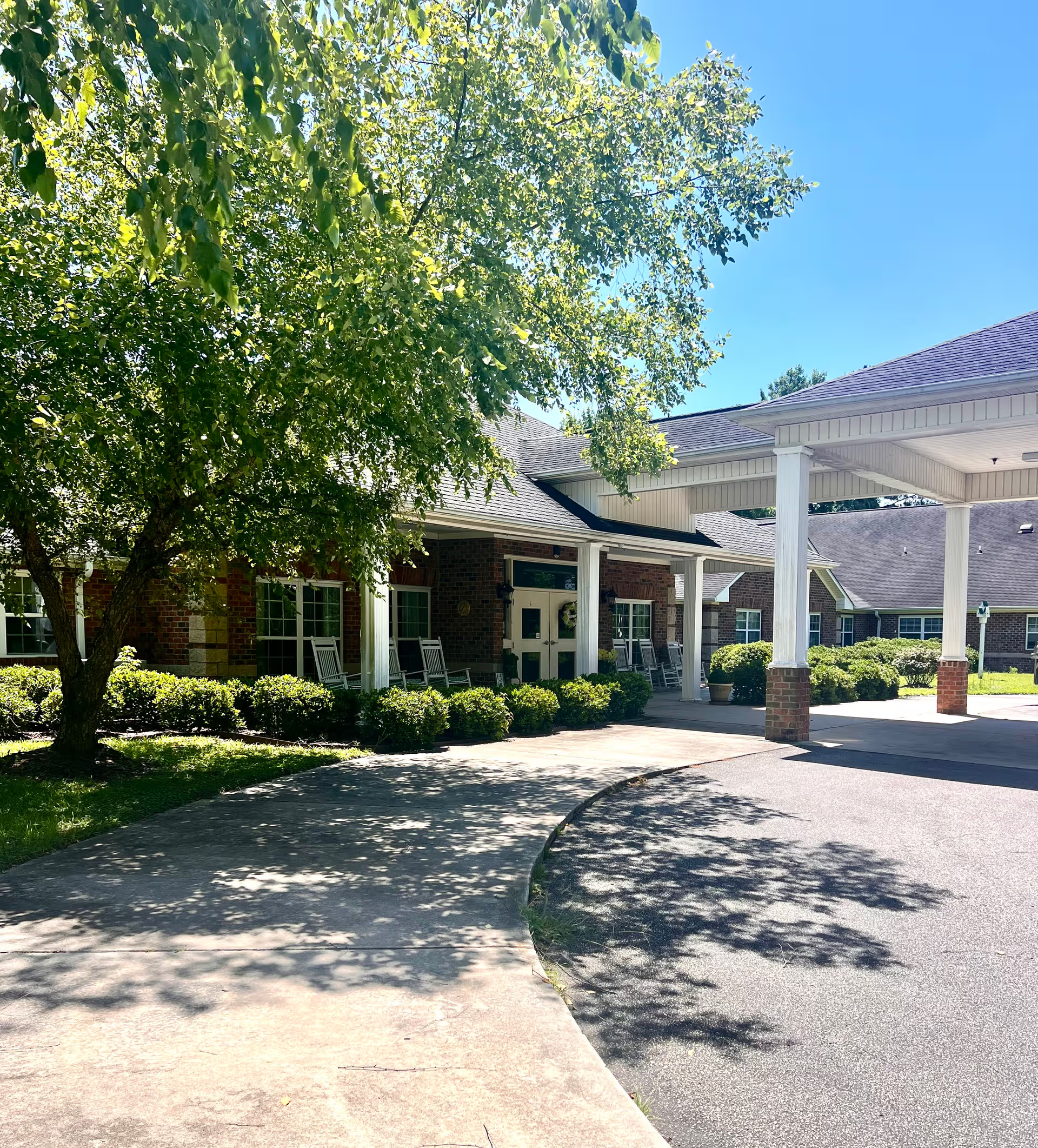
The facility is described as large, with ongoing renovations and improvements; some visitors find it clean and well maintained, while others raise concerns about cleanliness in clinical areas. Parking availability and wayfinding can be difficult, and the separate locations and clinic layouts may add to navigation challenges. Dining and activities receive little attention in the reviews: one inpatient mental-health account praises the food, staff attention to meal preferences, and regular peer-group meetings, while another notes a recovery-support program. These examples are positive but provide limited basis for assessing food or programming across the center as a whole.
Overall, the reviews show notable strengths in clinical teams and individual encounters, alongside persistent operational concerns involving access, communication, referral processing, medication continuity, and consistency of service. The contrast between highly positive department-specific experiences and accounts of delays or missed follow-through suggests that the quality of a visit may depend substantially on the service area, staffing, and how effectively administrative processes connect patients with care.