Overall impression: Reviews for this facility are highly polarized, with a substantive portion of families praising clinical outcomes and staff compassion while others raise operational and environmental concerns. Many families describe positive therapy progress, attentive bedside care by specific clinicians, and an active social program; concurrently, several reviewers described deficiencies in sanitation, maintenance, and consistent staff responsiveness that affected their confidence in day-to-day operations.
Care and clinical coordination: A common strength is the therapy and wound-care capability: reviewers singled out therapists and wound clinicians for helping residents progress and for providing clear communication about clinical status. At the same time, there are recurring concerns about inconsistent clinical oversight and care coordination — examples include missed specialist consults before appointments, medication-evaluation delays, and instances where families identified gaps in the facility’s response to clinical needs. These contrast with multiple reports of successful rehabilitations, especially when therapy staff were actively engaged.
Staff and communication: Staffing character is a major driver of the mixed impressions. Numerous comments highlight compassionate, responsive caregivers, supportive case managers, and a proactive activities director. Conversely, other reviewers reported variable customer-service tone, long wait times to reach staff, and instances where family notification about appointments or changes in condition was insufficient. The facility’s phone and in-room communication infrastructure was also highlighted as a practical shortcoming that can impair timely family contact.
Dining and activities: Activities are a clear strength for many residents: live music, bingo, beauty services, and a robust activity calendar were frequently praised and associated with improved resident morale. Several reviewers appreciated the ability to bring comfort foods and the social, family-like atmosphere. Feedback about dining was mixed — some described palatable meals and good housekeeping, while others observed interruptions in meal-service continuity or empty trays on occasion.
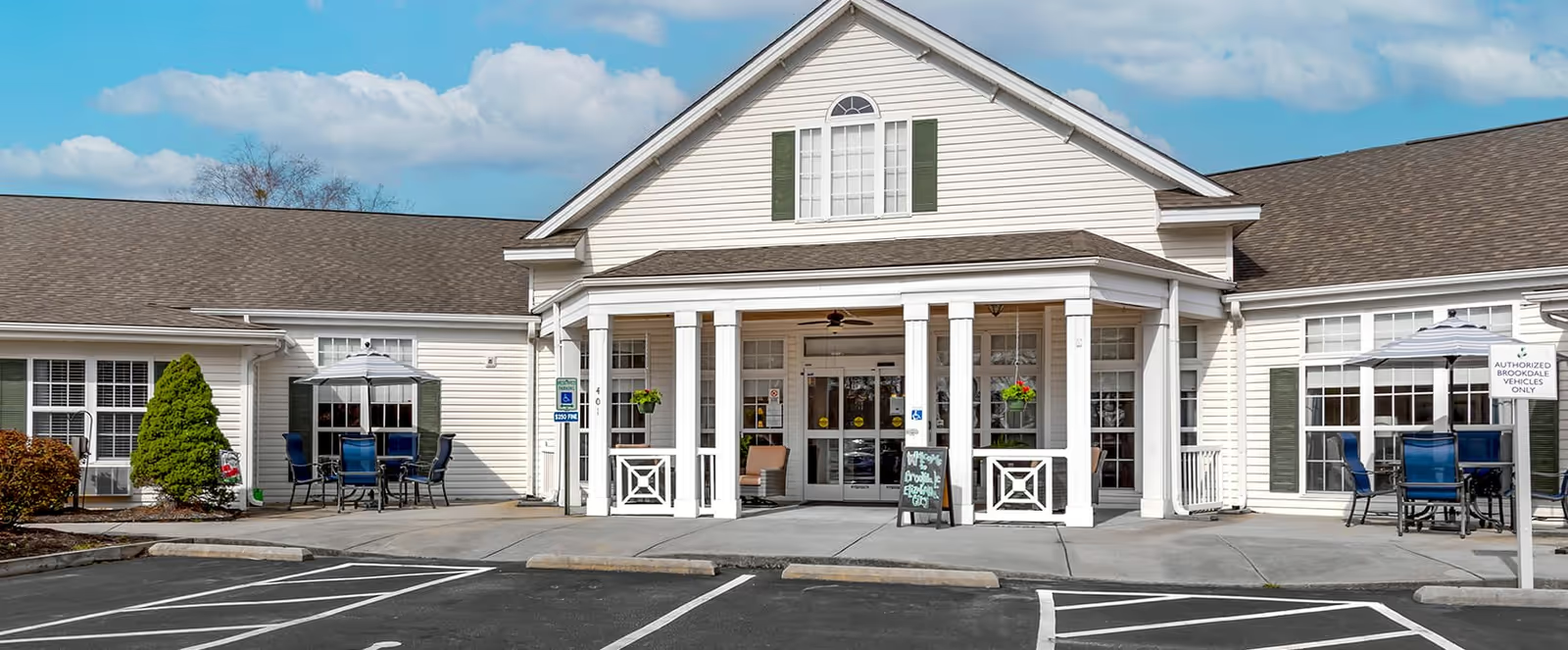
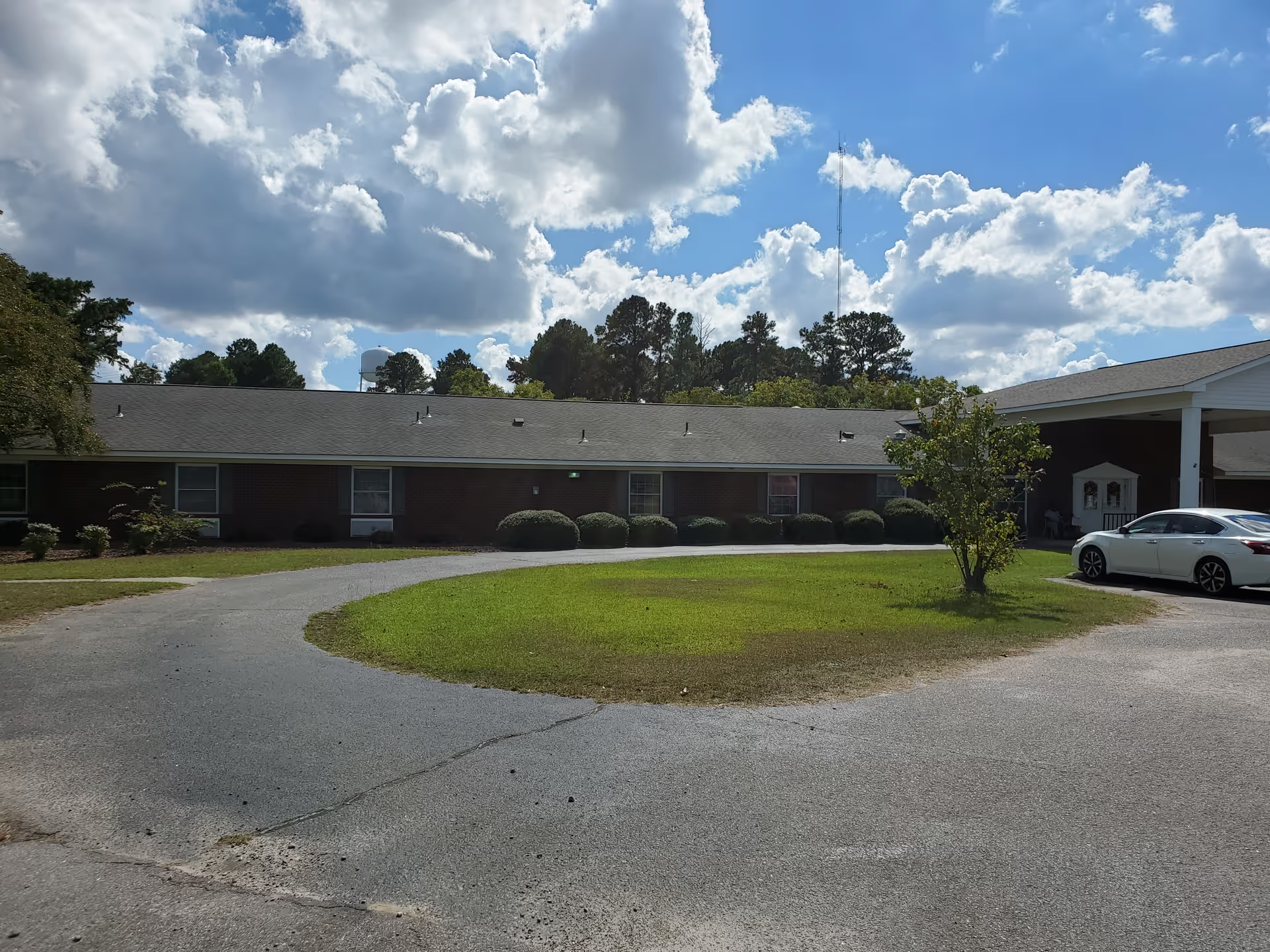
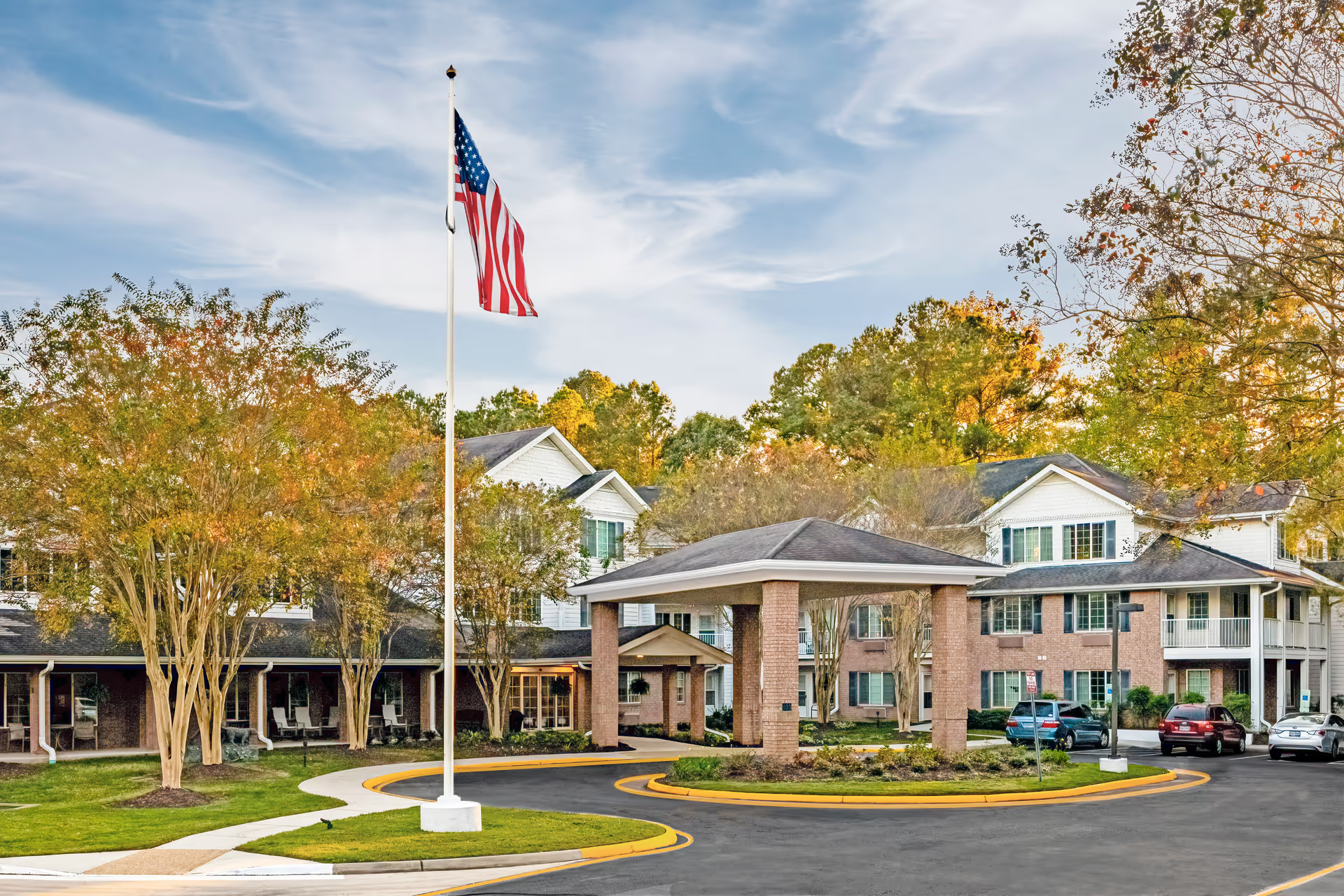
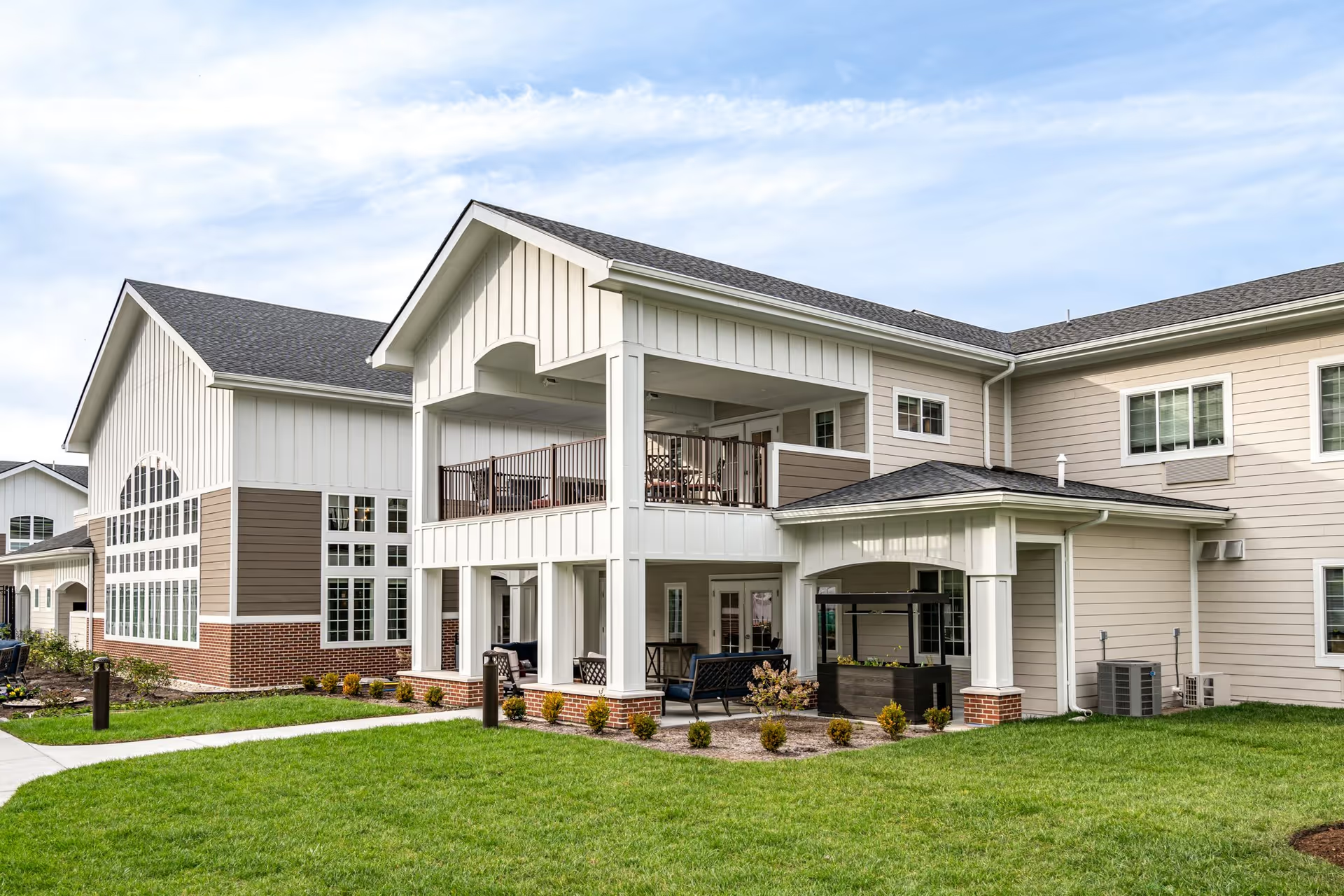
Facilities and maintenance: Reports on the physical plant are inconsistent. Some guests described clean, well-kept areas and supervised outdoor space; others reported sanitation concerns, incontinence-care issues, and maintenance problems such as weak water flow, worn closets/drawers, and broken remotes. These environmental and maintenance gaps appear to contribute to family unease when they coincide with clinical or staffing issues.
Management and patterns: Administrative impressions are similarly mixed: some families felt admissions and leadership were welcoming and receptive, while others characterized leadership response as unhelpful or dismissive in the face of concerns. Taken together, the most consistent pattern across reviews is variability — high-performing clinical and activity elements exist alongside operational weaknesses (cleaning, maintenance, communication, and staffing consistency) that can materially change a family’s experience.
Considerations for prospective families: When evaluating this facility, ask specific questions about staffing ratios and shift coverage, wound-care and therapy credentials, cleaning and incontinence-care protocols, laundry and personal-property procedures, medication-evaluation timelines, and availability of in-room communication devices. Visiting during activity hours and speaking directly with the social worker and therapy staff can help validate the aspects most important to your loved one.
In summary, the facility demonstrates clear clinical and social strengths for many residents—particularly in therapy, wound care, and activities—yet exhibits operational inconsistencies in cleanliness, maintenance, communication, and staffing that warrant careful review before placement.