Kenansville Rehabilitation and Healthcare Center presents a mixed but distinct profile: many reviewers praise the clinical rehabilitation capabilities and the compassion of numerous frontline staff, while others raise operational concerns that families should evaluate during a tour. The facility's therapy department (physical and occupational therapy) receives frequent commendation for effective, goal-oriented rehabilitation that helps many residents return home. Several reviewers singled out individual clinicians and CNAs by name for attentive care; social-work and administrative staff were also noted as helpful and approachable in coordinating transitions.
Clinical care shows variability. There are clear strengths — visible wound-care expertise, capable nurses, and medication-administration procedures described as safe by some families — but other reviewers described inconsistencies in personal-care routines (bathing, repositioning) and in wound and skin management. These inconsistencies have been associated with adverse outcomes for a subset of residents, including infection-related complications and transfers to higher levels of care. Safety practices around transfers and fall prevention were also cited as an area of concern, with instances of falls and incomplete assistance suggesting gaps in day-to-day supervision and transfer protocols.
Staffing and conduct present a bifurcated picture. Many accounts emphasize compassionate, hardworking CNAs, therapists, and kitchen staff who go beyond their roles; long-tenured teams and strong teamwork were reported. Conversely, other accounts describe short-staffing, variable staff responsiveness, and inconsistent communication or tone from some supervisors. These staffing fluctuations appear to influence timeliness of assistance, housekeeping consistency, and family communication.
Dining, activities, and resident life are generally reported positively. The facility offers structured, engaging activities (music, Bible study, social events) and accessible outdoor spaces that residents enjoy. Food quality was described as good by many, with weight gain and satisfactory meals reported, although a few reviewers described dissatisfaction with menu quality. Transportation and family-oriented services (tours, administrative support) are available and viewed as helpful by prospective residents and families.
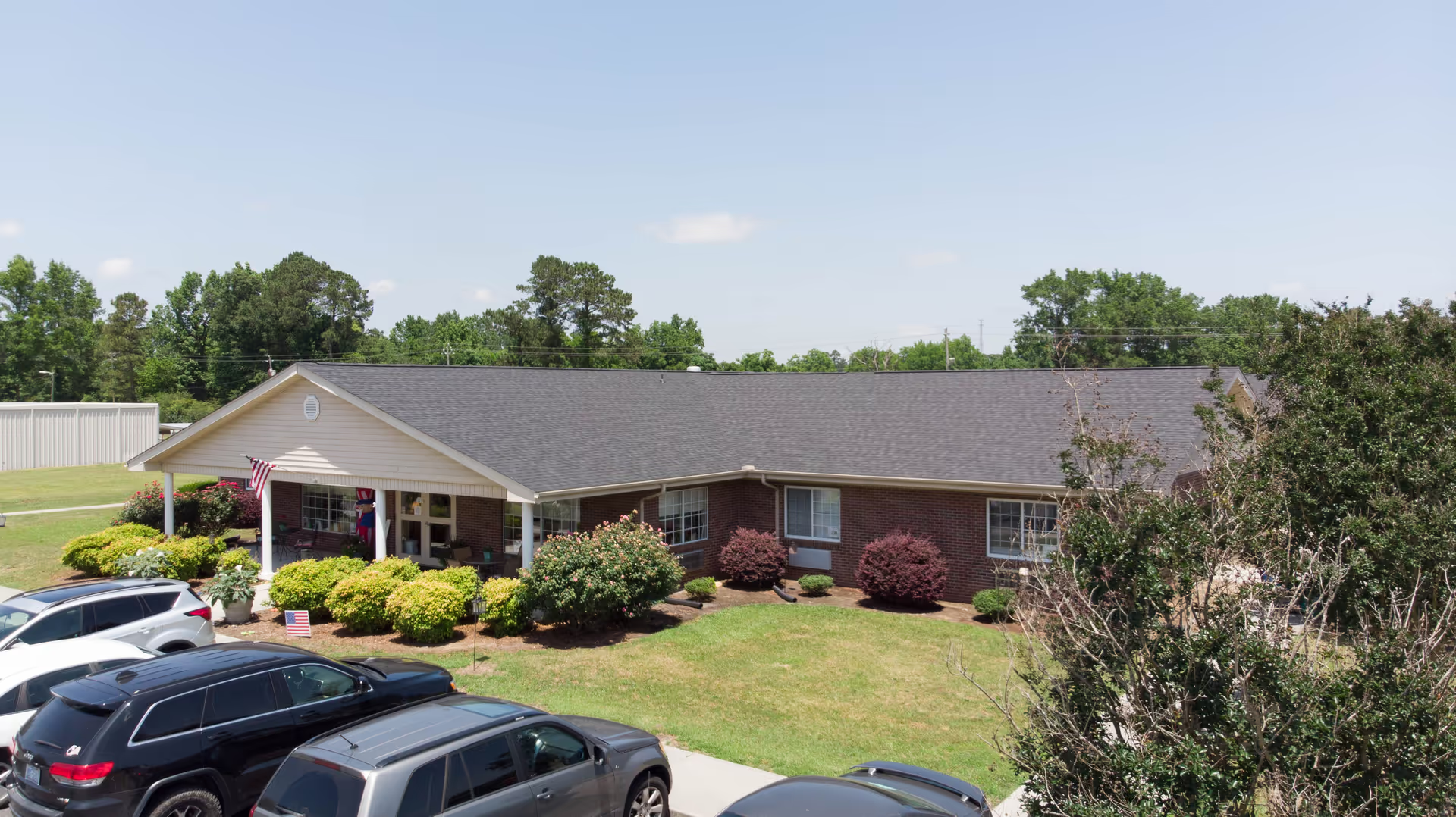
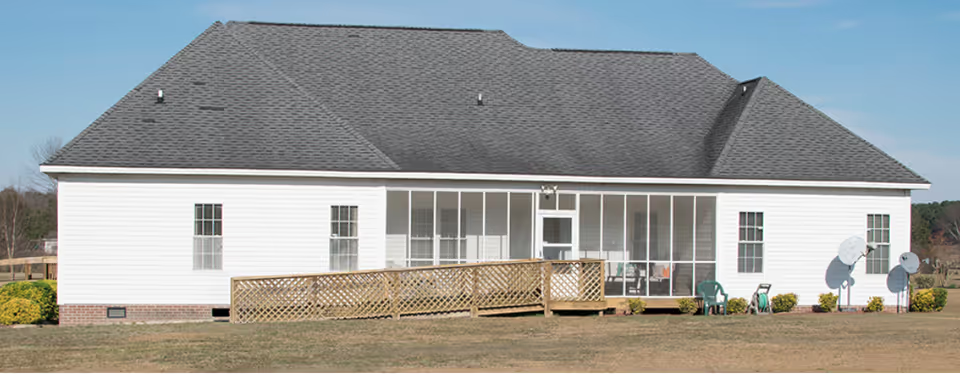
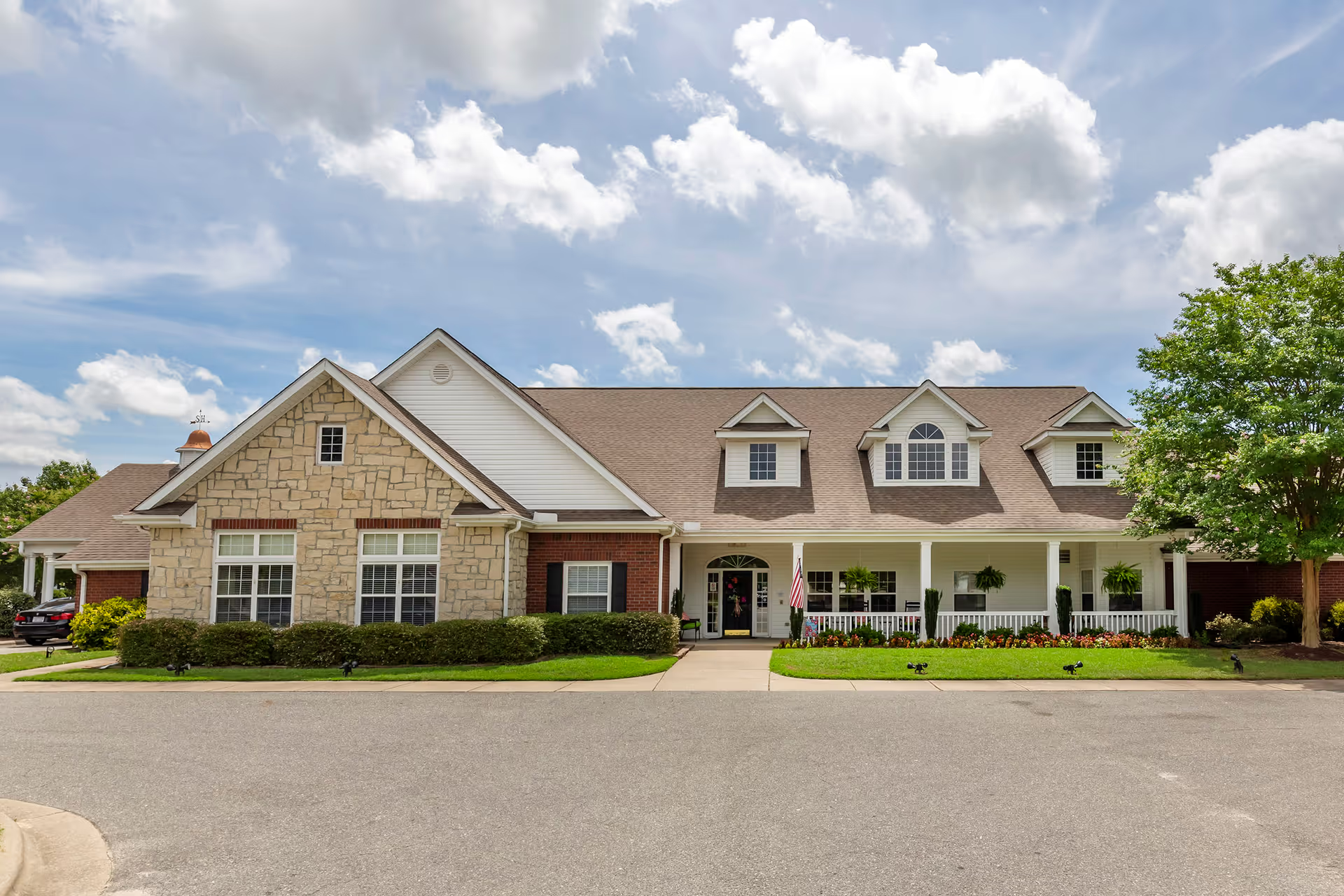
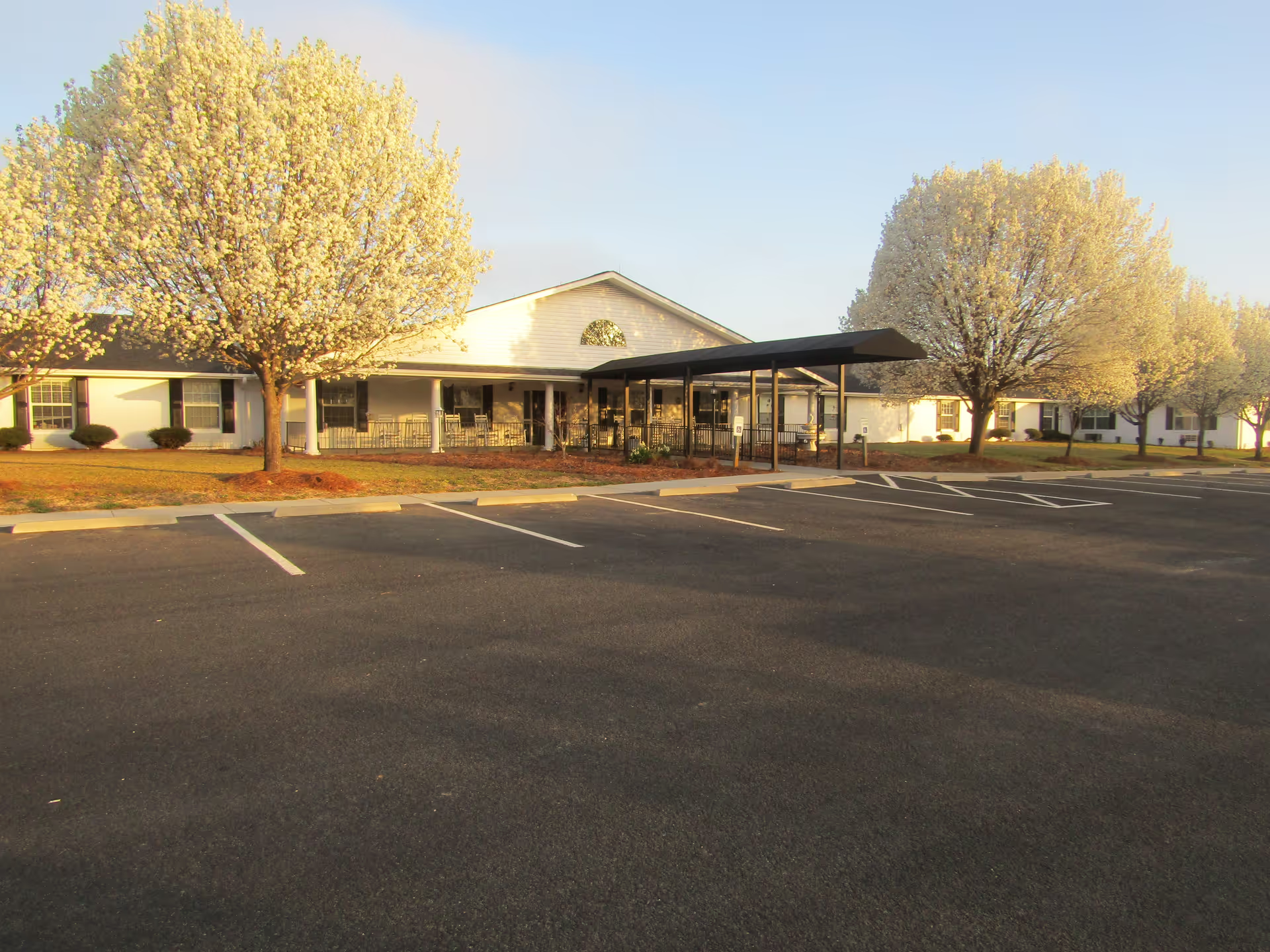
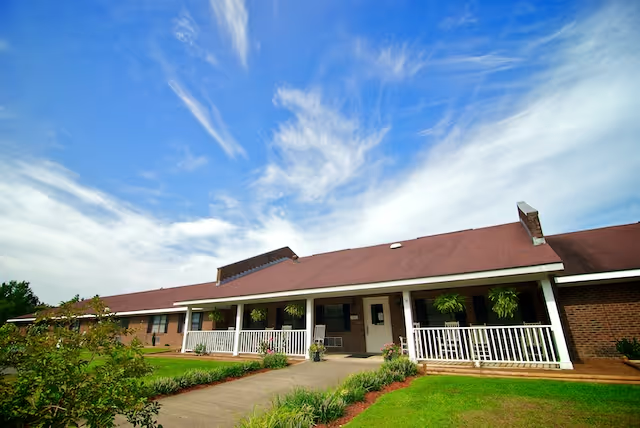
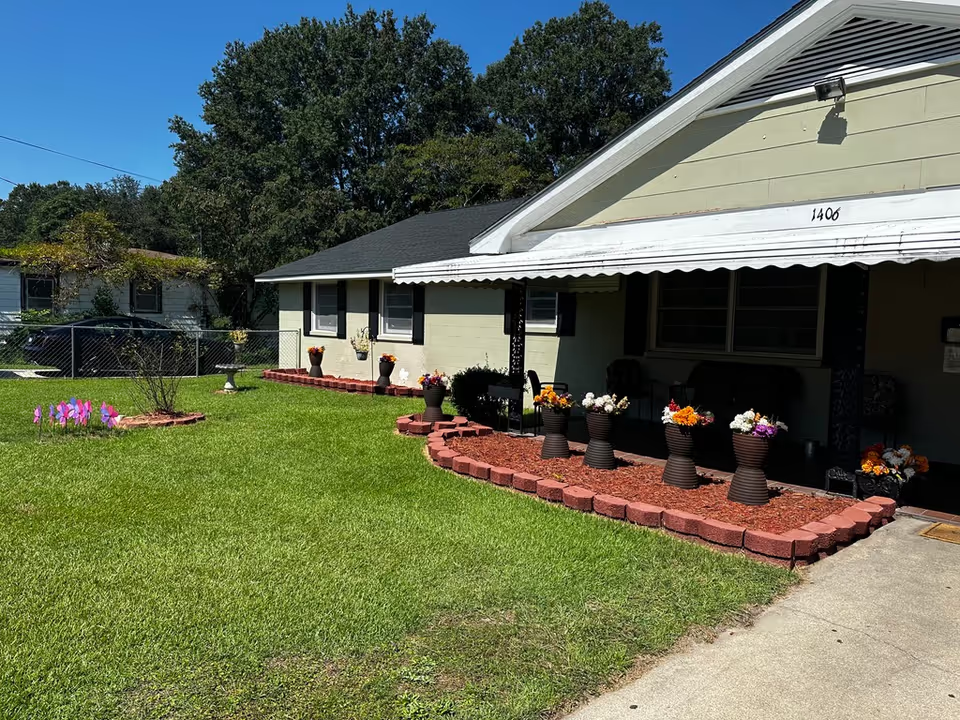
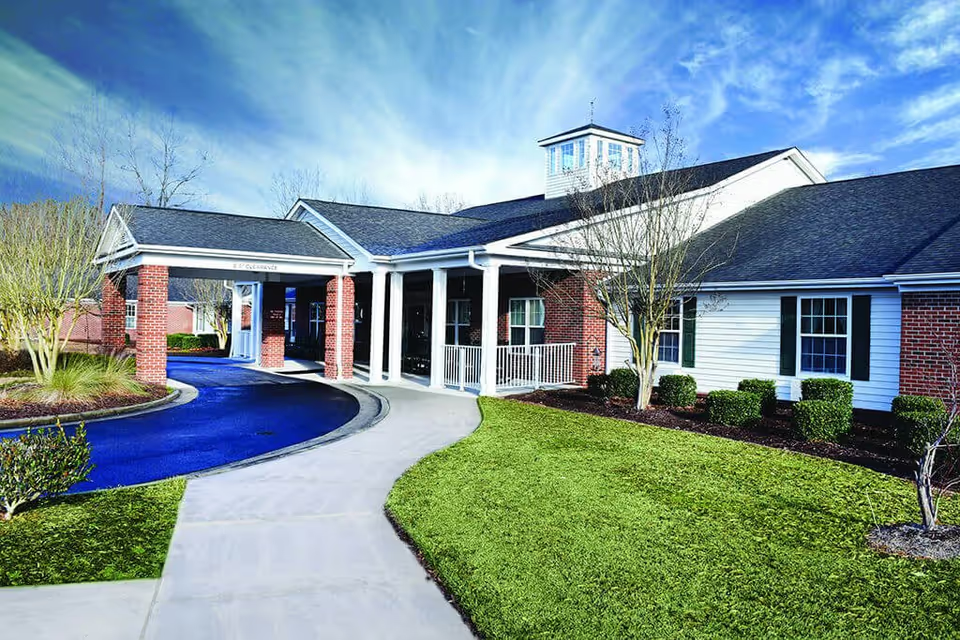
The physical environment is mixed: some reviewers described a clean, comfortable, home-like atmosphere, while others observed areas in need of repair or updating and raised sanitation concerns in specific rooms. Housekeeping and laundry quality appears to be inconsistent across units. Security and management of personal belongings were flagged as an operational weakness by some families, and a few reviewers mentioned perceived value concerns as costs rose.
Overall pattern and recommended focus for families: prospective residents and families should weigh the facility’s strong rehabilitation capabilities and many praised staff members against documented operational inconsistencies in sanitation, staffing levels, wound and skin care, and fall prevention. When evaluating the center, request a tour that includes therapy areas and resident rooms, ask about current staffing ratios and wound-care protocols, review housekeeping schedules, and speak with the therapy and nursing leads about transfer and fall-prevention procedures. These targeted inquiries can help clarify whether the facility’s strengths align with an individual resident’s clinical and safety needs.