Overall impression: The facility is consistently praised for its front-line caregiving and rehabilitation services. Many families highlight compassionate, attentive nurses and CNAs who provide hands-on support and encouragement, and the therapy teams are frequently credited with producing measurable progress toward discharge goals. Common-area cleanliness and day-to-day housekeeping are described positively, and activity programming appears broad and purposeful for both short-term rehab and longer stays.
Care and staffing: Clinical care quality is a clear strength when staff are present; reviewers describe respectful interactions, effective therapy plans, and strong CNA engagement. However, an operational pattern of inconsistent staffing and coverage emerged across accounts. That pattern manifests as slower nurse response times at certain periods, intermittent absence of assigned aides, and occasional communication gaps around medication timing and clinical handoffs. Prospective families should confirm current staffing ratios and on-shift coverage during tour and admissions conversations.
Rehabilitation and therapy: Rehabilitation services receive consistently positive remarks. Therapy teams are characterized as goal-oriented, encouraging, and effective at returning residents to baseline or preparing them for home. Multiple families said they would return to this facility for rehab because of the measurable progress achieved.
Dining and activities: The dietary team and kitchen leadership are frequently noted as responsive and willing to accommodate individual meal preferences; several accounts praise customizable meals and an engaged dietary director. At the same time, food quality is described as variable — some residents and families find meals satisfactory, while others view the menu as an area for improvement. Activity programming is described as extensive and engaging, supporting social and cognitive needs.
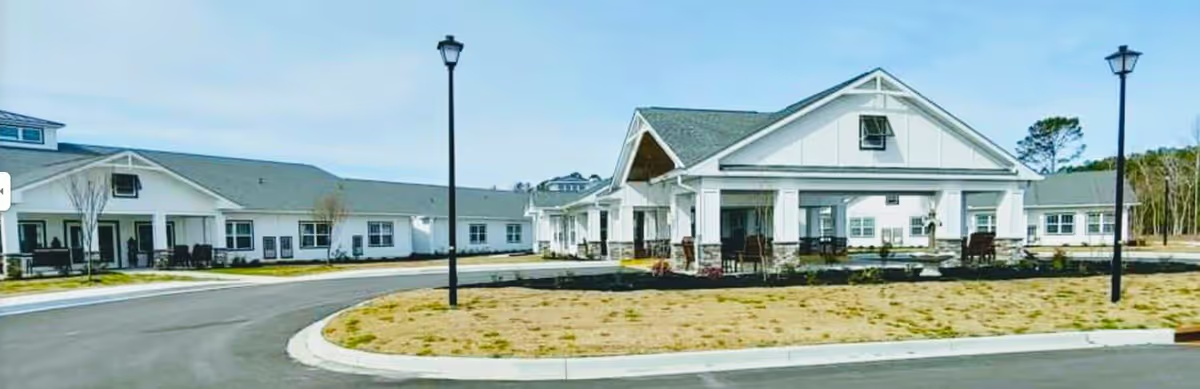
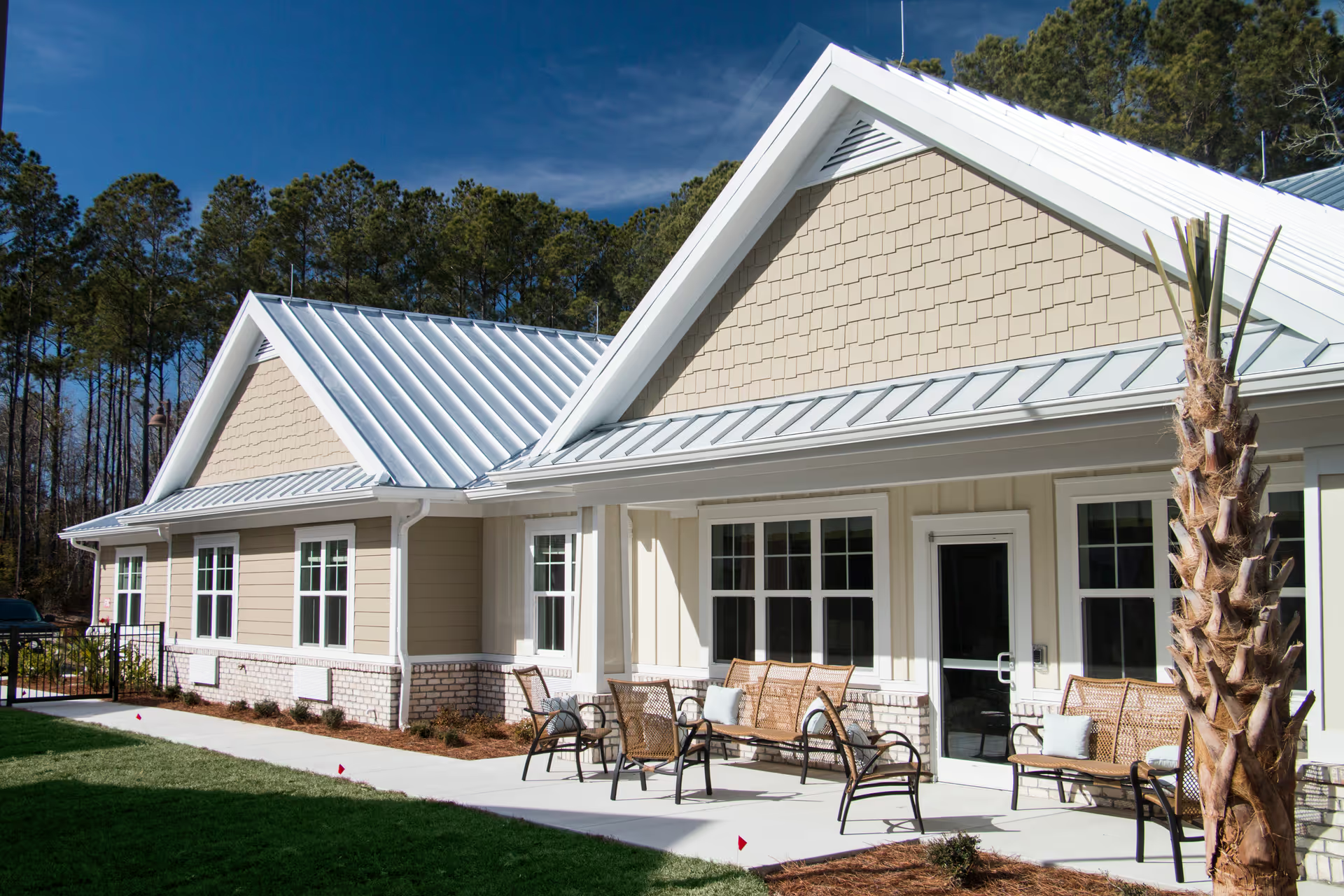
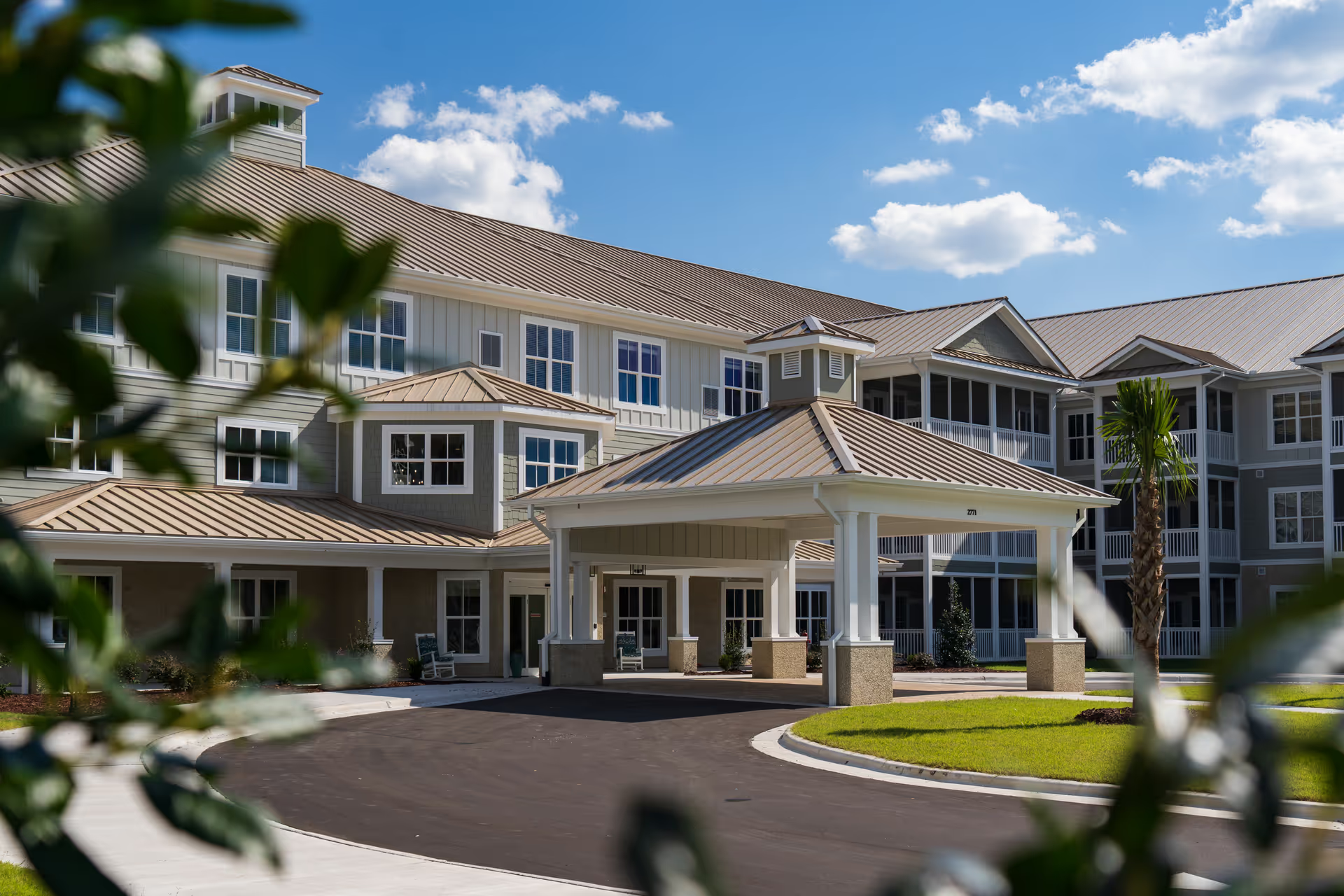
Facilities and maintenance: Facility sanitation and hallway cleanliness are strengths, but several reviewers identified facility-maintenance and accessibility shortcomings. Resident rooms are often described as spacious but in need of renovation; bathroom fixtures can be poorly suited to wheelchair use, and cosmetic issues such as missing drawer handles and worn furnishings were noted. Critical safety-related equipment reliability is an operational concern — specifically, nonfunctional or unreliable call-bell/pull-cord systems were cited and should be verified in person.
Management and administrative issues: Administrative strengths include supportive front-office staff and social work/case-management that facilitate discharge planning. Offsetting those strengths are recurring administrative concerns: opaque billing and refund processes, upfront monthly billing practices that some families found difficult, and observable management turnover. There are also accounts describing supply-management gaps that required families to supplement linens or personal-care items. A small number of serious complaints have led to or prompted regulatory review; these are significant and merit direct inquiry during facility evaluation.
Notable patterns and recommendations: The dominant pattern is strong bedside caregiving and effective rehab delivered within a facility that is generally clean and program-rich. The primary operational weaknesses are staffing consistency, responsiveness at certain times, maintenance and accessibility of resident rooms, reliability of call systems, and administrative transparency around billing. Prospective residents and families should ask about current staffing levels, call-bell functionality and recent maintenance work, dining-satisfaction procedures, discharge and billing policies, and whether any regulatory reviews are active or resolved. This balanced approach will help clarify whether the facility’s strong clinical and therapy capacity aligns with a family’s expectations for responsiveness, accessibility, and administrative reliability.