Overall impression Westlake Nursing and Rehab presents a mixed picture. Many reviewers praise the facility's renovated environment, pleasant campus, and strong therapy programs that support rehabilitation and safe discharge. At the same time, recurring operational issues—most prominently staffing levels and responsiveness—appear to affect the day‑to‑day resident experience and the consistency of clinical care.
Care quality and therapy Clinical strengths are a clear theme: the physical and musical therapy teams receive frequent positive mentions for effectiveness and for helping residents regain function. Admissions and care‑planning processes are often described as knowledgeable and communicative, contributing to smooth transitions into the facility. However, reviewers also describe operational gaps that affect clinical reliability, including inconsistent wound and skin‑care management, variability in nursing follow‑through, and cases where escalation to higher levels of care was delayed or handled inconsistently. These patterns suggest the rehab and therapy services are robust, while some aspects of ongoing nursing and clinical oversight may need reinforcement.
Staff, conduct, and communication Staff are widely characterized as compassionate, attentive, and willing to go above and beyond, and many families appreciate daily updates and proactive planning. Conversely, there are repeated concerns about insufficient staffing and overwork among aides, which reviewers link to delayed assistance and slower call‑light response. Several comments point to issues with staff tone or professional conduct in specific interactions, and others cite slow or inconsistent administrative communication and callbacks. Together these observations indicate strong individual caregivers and therapy staff but recurring weaknesses in staffing adequacy and administrative responsiveness.
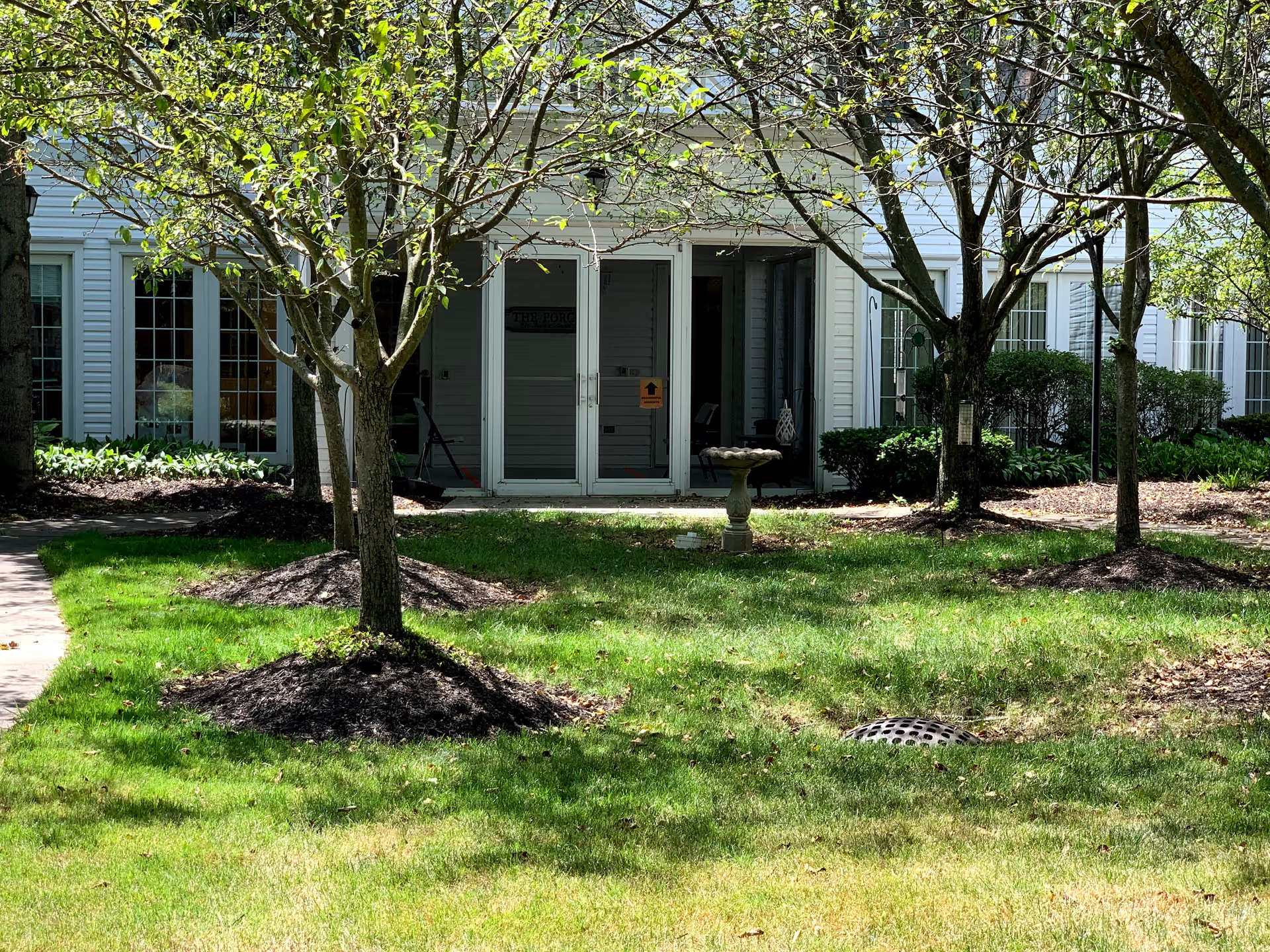
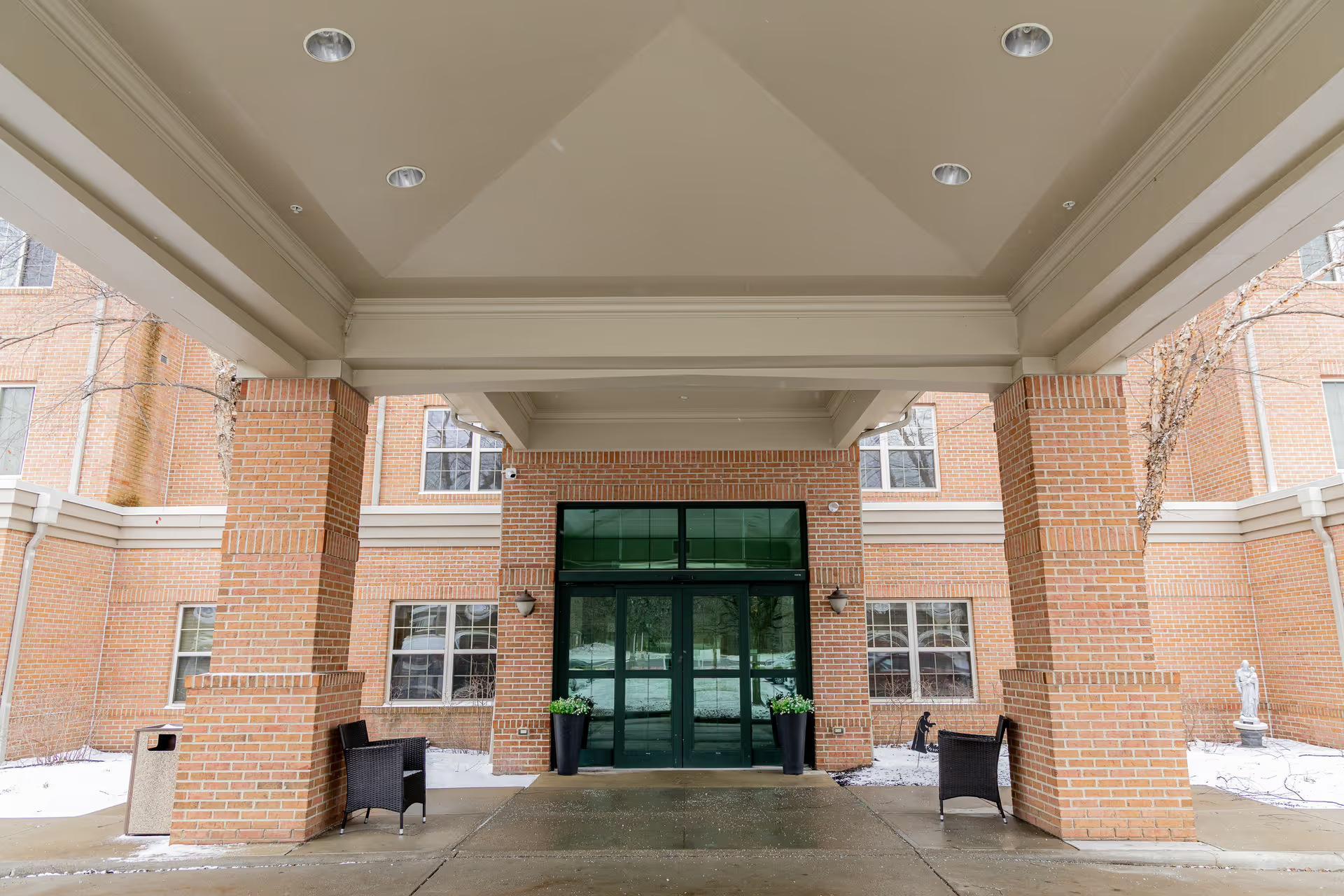
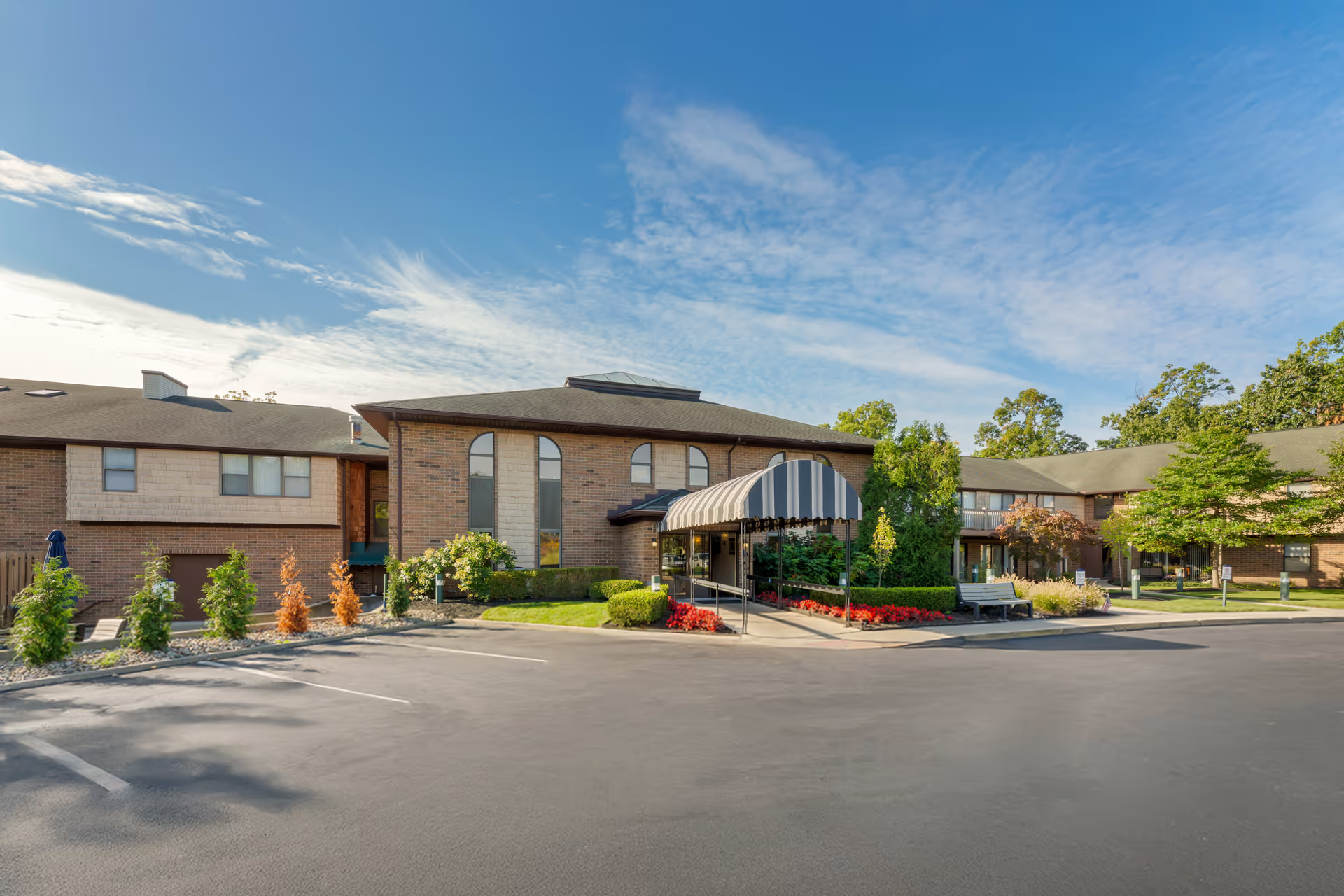
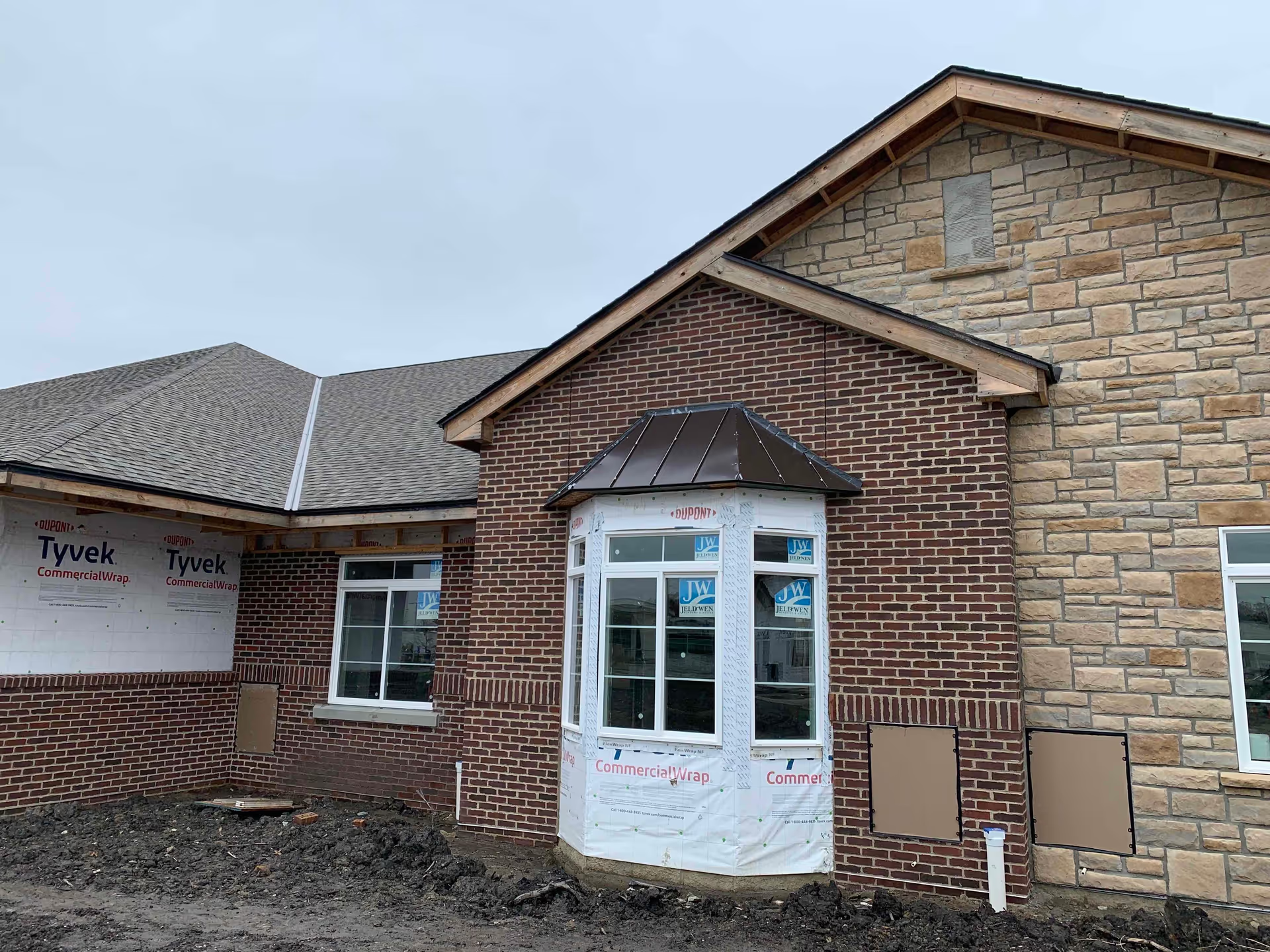
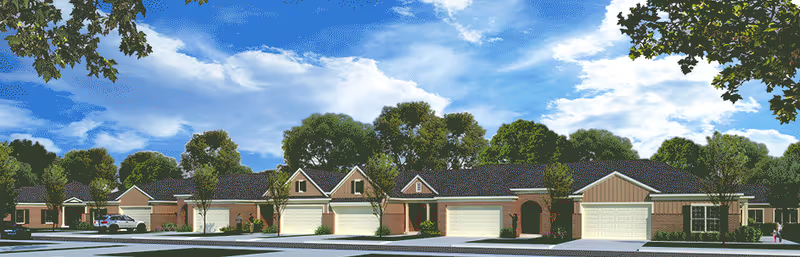
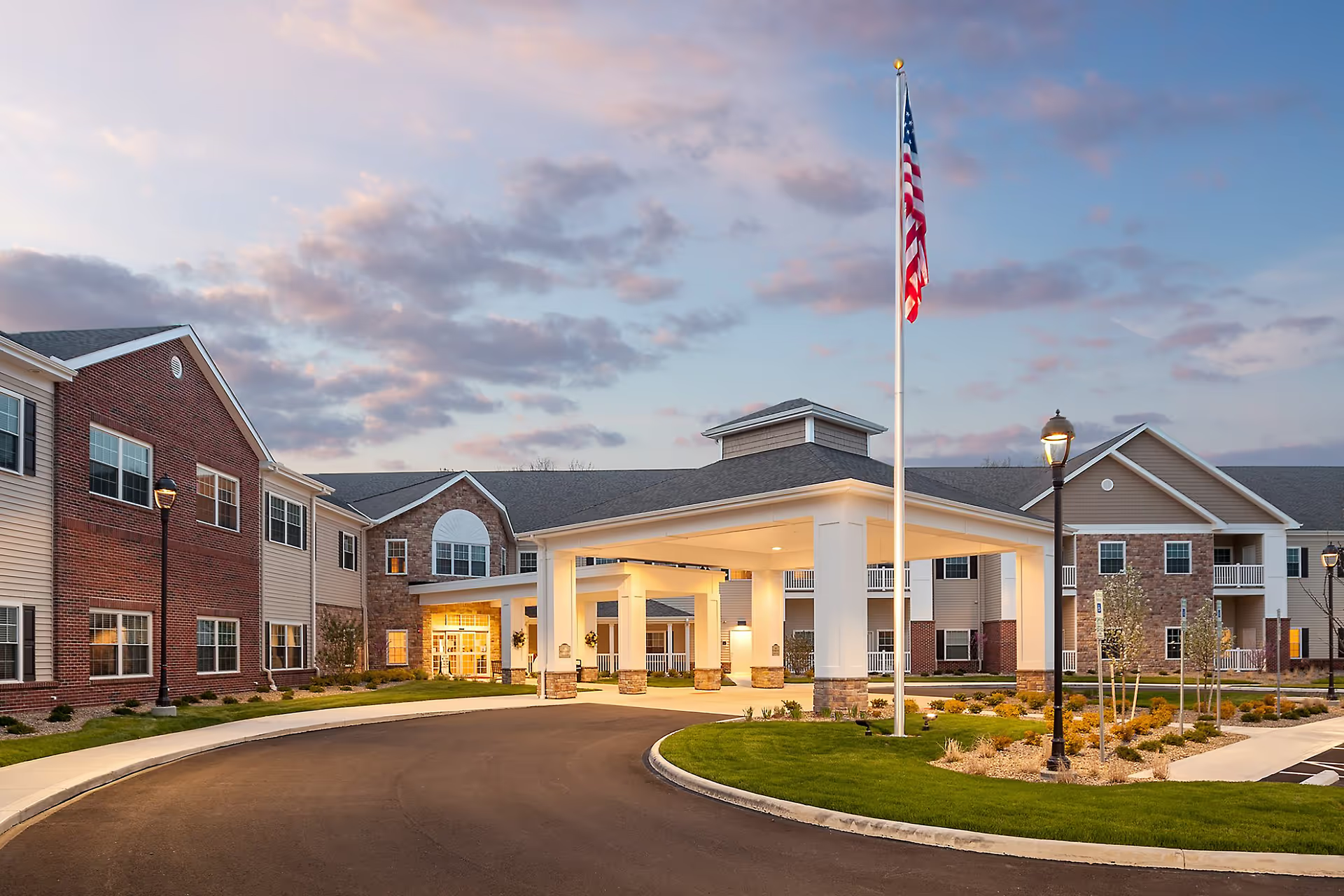
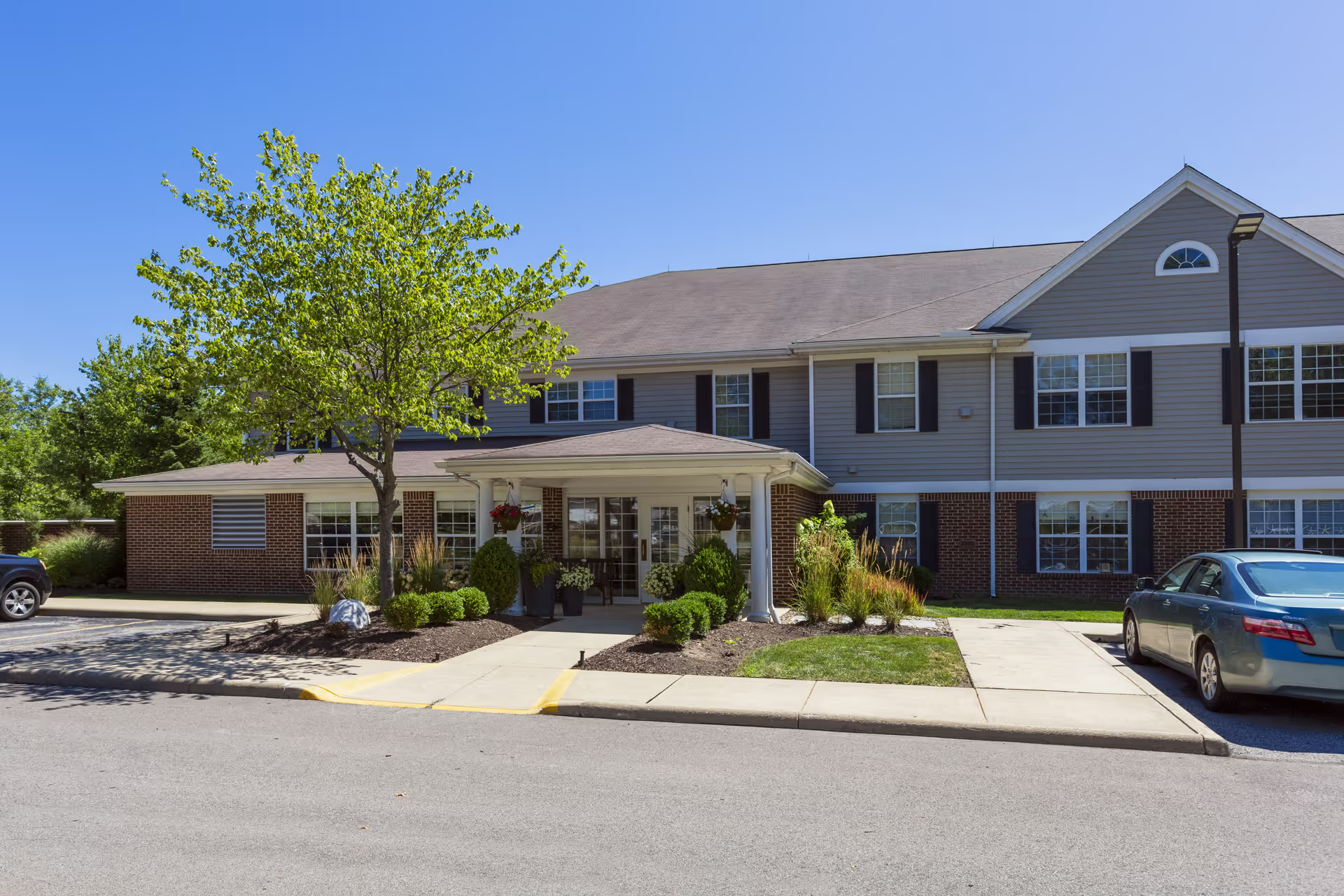
Dining, activities, and environment The facility’s dining and activities receive largely positive feedback: meals are often described as good, mealtimes are engaging, and activities are available and enjoyable. At the same time, reviewers noted occasional inconsistencies in mealtime assistance and in meal delivery processes. The physical environment is a commonly cited strength—newer construction, private suites, and clean common areas contribute to a comfortable, welcoming setting—though noise and roommate disturbances were flagged as a factor that can interfere with rest and recovery for some residents.
Management, policies, and safety patterns Management strengths include clear admissions and visible therapy outcomes. Operational weaknesses that emerged across reviews include limited on‑site physician coverage, gaps in clinical‑incident response and escalation, and variability in how administrative concerns are handled. Several reviews referenced safety‑related incidents (for example falls or care delays) and at least one review mentioned concerns following a resident’s death; these comments underscore the importance of transparent incident communication, robust escalation protocols, and consistent clinical oversight.
Practical takeaways for families Families seeking strong rehabilitation services in a modern, comfortable setting may find Westlake's therapy teams, admissions process, and campus appealing. Prospective residents and families should evaluate the facility’s current staffing levels, on‑site medical coverage, and how management handles incident escalation and family communication. Asking targeted questions during a tour—about average staff ratios, call‑light response times, wound‑care protocols, physician availability, and incident escalation procedures—will help determine whether the facility’s strengths align with an individual resident’s clinical and safety needs.