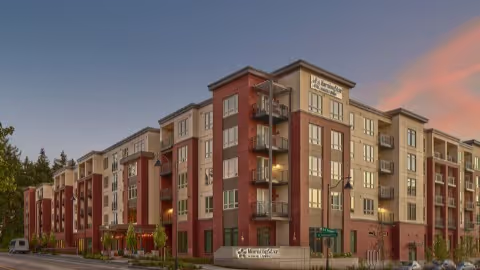
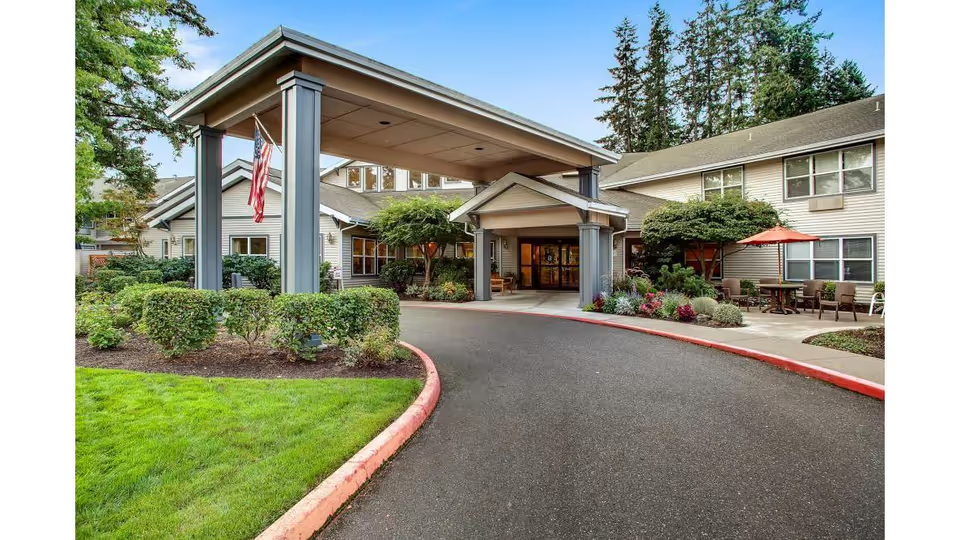
Overall impression: The reviews present a mixed but clear pattern: the people and upkeep receive consistent praise while the physical space and accessibility raise significant concerns. Reviewers repeatedly highlight a supportive owner and staff who are described as informative, helpful, and attentive. The facility is described as clean and benefits from attractive outdoor areas and private bathrooms, which are meaningful positives. At the same time, multiple reviewers point to cramped interiors and very small bedrooms, and they specifically call out bathroom dimensions and fixture heights that make the space unusable or difficult for powerchair users. The neighborhood appearance is a separate recurring concern.
Staff and management: The strongest and most consistent positive theme is the quality of the owner and staff. Reviewers call out the owner as a strong point and describe staff as both informative and helpful — language that suggests good communication, responsiveness, and a supportive day-to-day culture. This suggests a management team that residents and families feel comfortable with and that likely provides attentive interpersonal care. However, none of the summaries provide detailed commentary about medical care levels, staffing ratios, or clinical competence, so while interpersonal service appears strong, the reviews do not allow firm conclusions about clinical care capabilities beyond general helpfulness.
Facilities and accessibility: Physical space is the primary area of concern. Bedrooms are described as very small, and reviewers also note that interior spaces in general feel too small. Bathrooms are a mixed item: private baths are listed as a positive, but multiple reviewers explicitly say bathrooms are too small for a powerchair and that the mirror and vanity are not wheelchair-accessible or at the correct height. Taken together, these comments indicate that while residents can have private bathrooms, the facility is not well suited for those who rely on larger mobility aids or who need ADA-compliant fixtures. For prospective residents who use wheelchairs or powerchairs, these are serious, repeatedly reported limitations that should be verified in person.
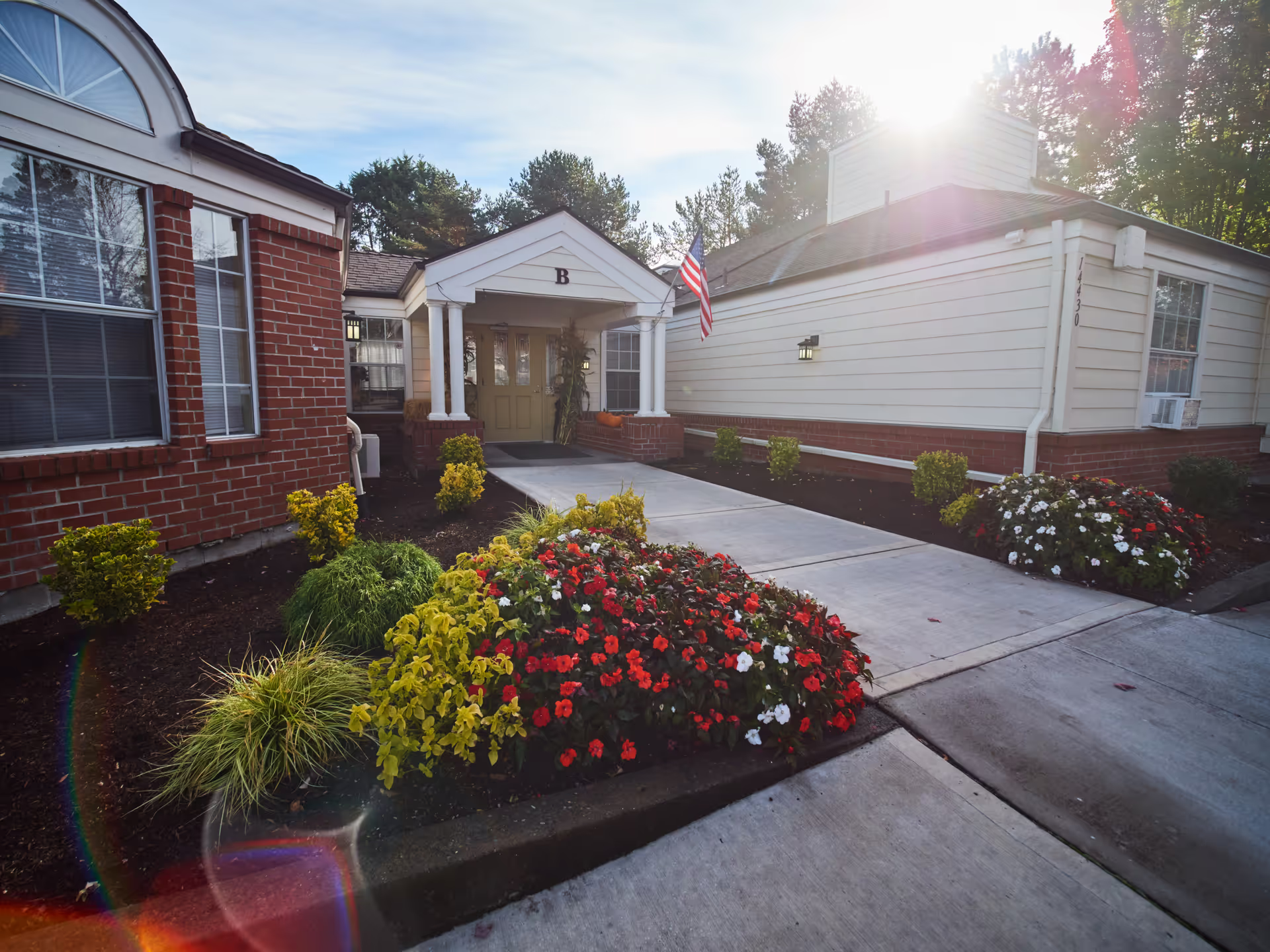
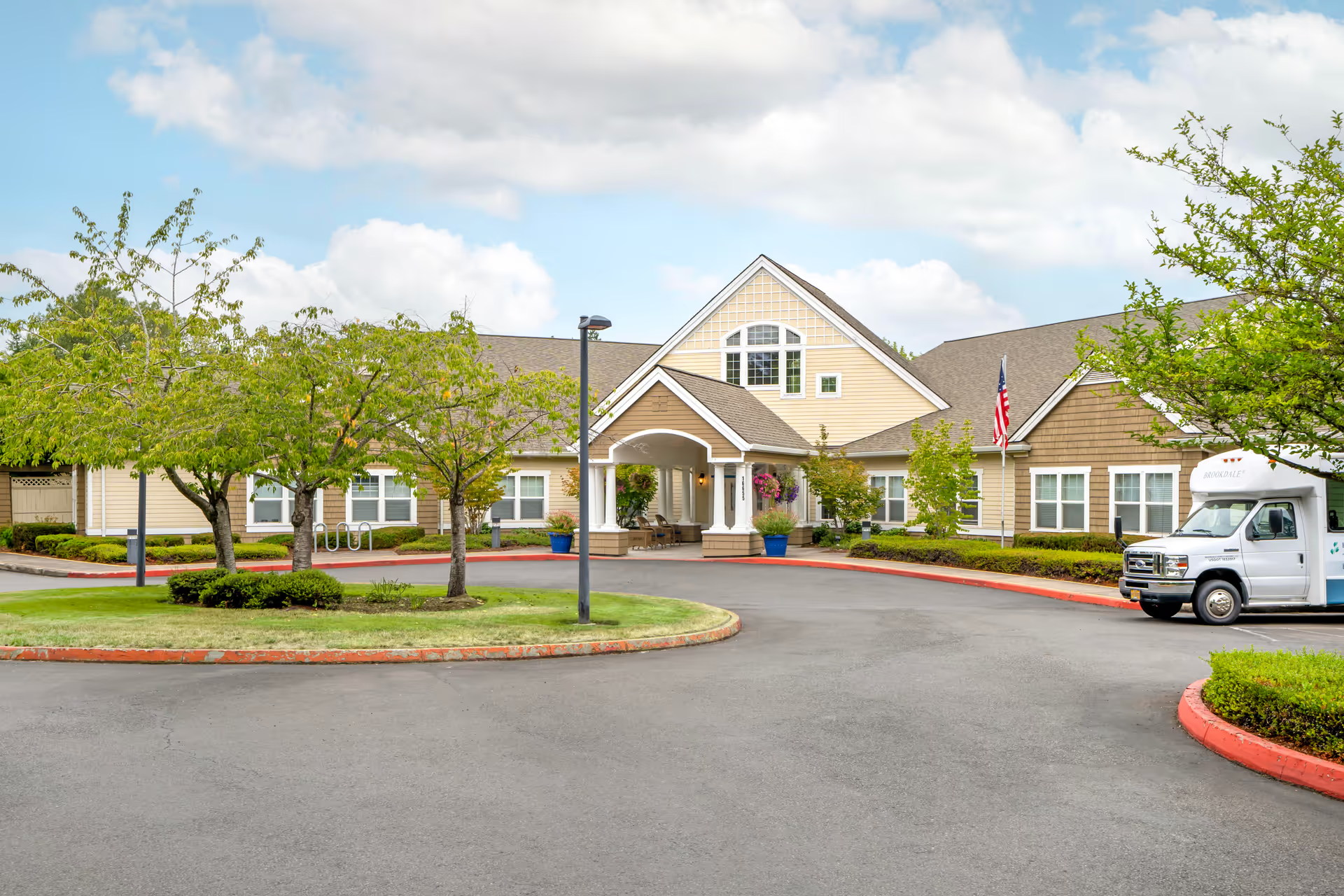
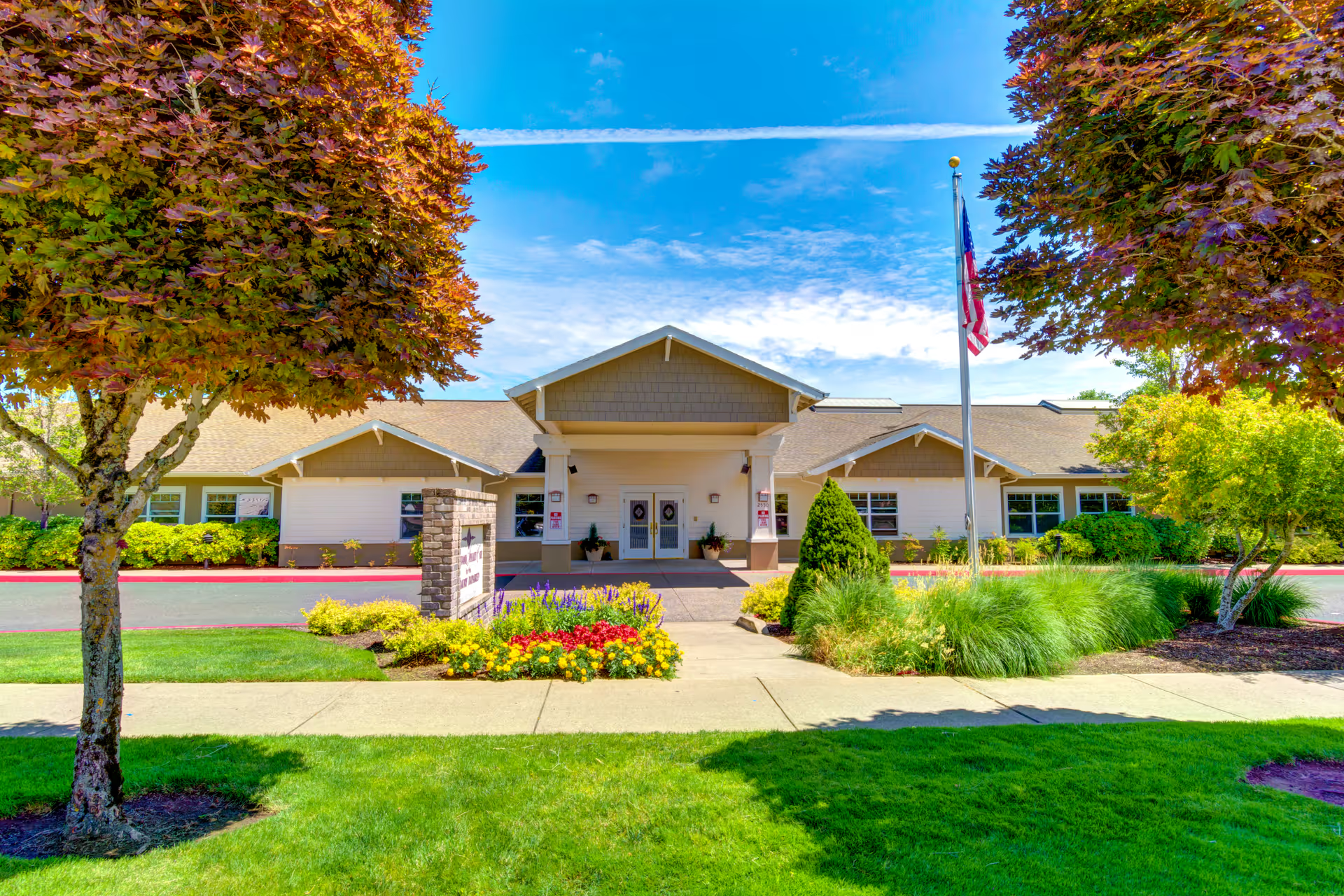
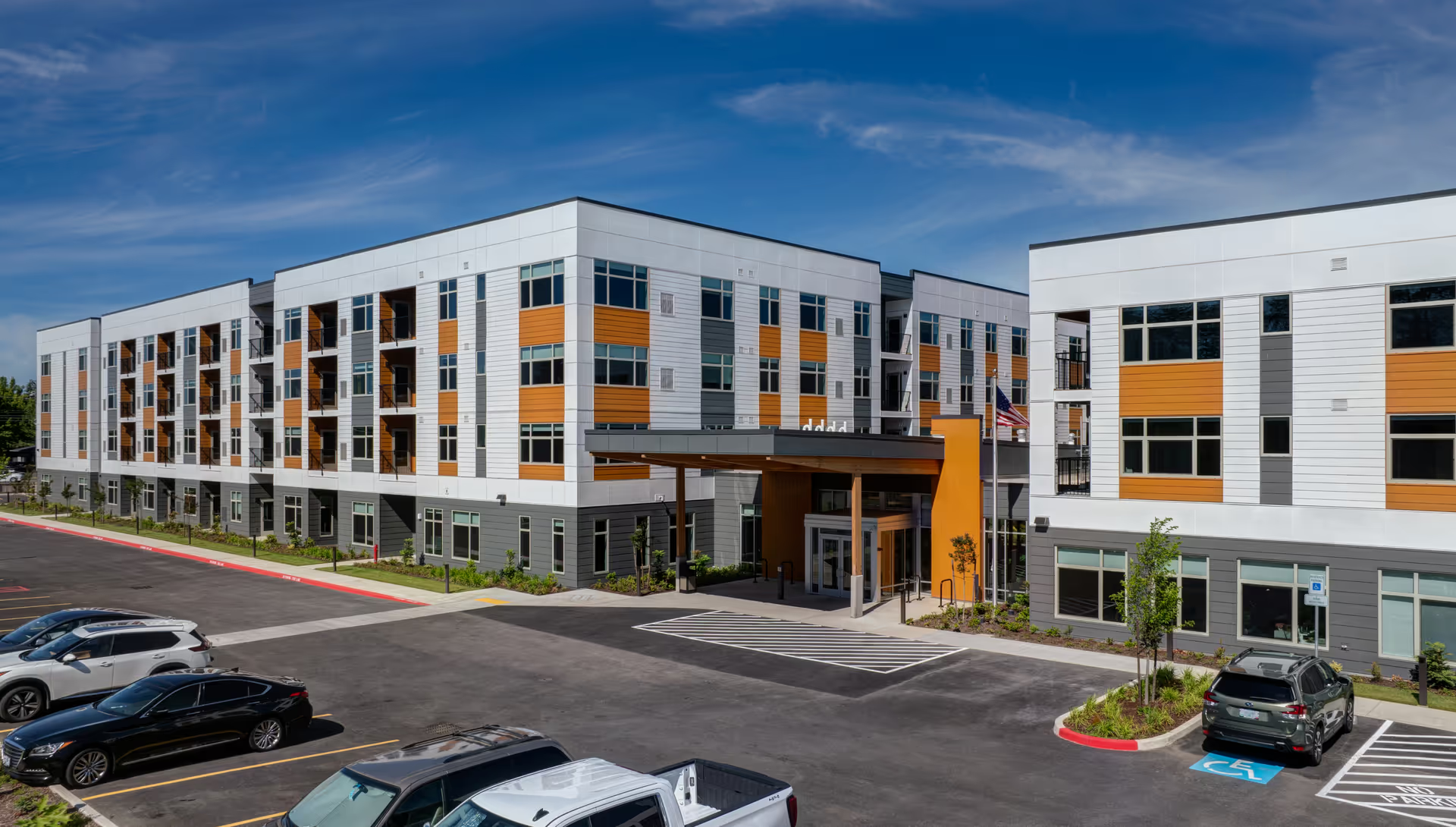
Environment and grounds: Reviewers appreciate attractive outdoor areas, which is a meaningful quality-of-life benefit. The facility is also described as clean, reinforcing a positive impression of day-to-day maintenance. In contrast, the neighborhood surrounding the facility is described as rundown in multiple summaries. This external condition may affect feelings of safety, local walkability, and the general attractiveness of the setting, and it creates a tension between pleasant on-site outdoor spaces and a less desirable surrounding area.
Notable omissions and recommendations: The review set lacks detail about dining quality, activities and programming, medical or nursing services, medication management, and staffing levels at different times of day. Because those are important dimensions of senior living, the absence of commentary should be treated as an information gap rather than a positive or negative. Given the strong pattern of interpersonal warmth but clear physical limitations, prospective residents and families should prioritize an in-person visit that includes: measuring bedroom and bathroom clearances, testing maneuverability with mobility aids, confirming whether any rooms or bathrooms are ADA-compliant or can be modified, asking management (or the praised owner) about plans for renovations or accessibility upgrades, and assessing neighborhood safety and nearby services.
Bottom line: The facility appears to offer attentive, helpful staff and good upkeep with pleasant outdoor spaces, which will appeal to residents who value personalized attention and a clean environment. However, its small living units and bathrooms with non-accessible fixtures and limited clearance make it a poor fit for residents who require powerchairs, larger mobility aids, or more spacious interiors. The rundown neighborhood is an additional consideration. The most accurate next step is an on-site evaluation focused on physical dimensions and accessibility, combined with targeted questions about clinical services, activities, and any planned facility improvements.