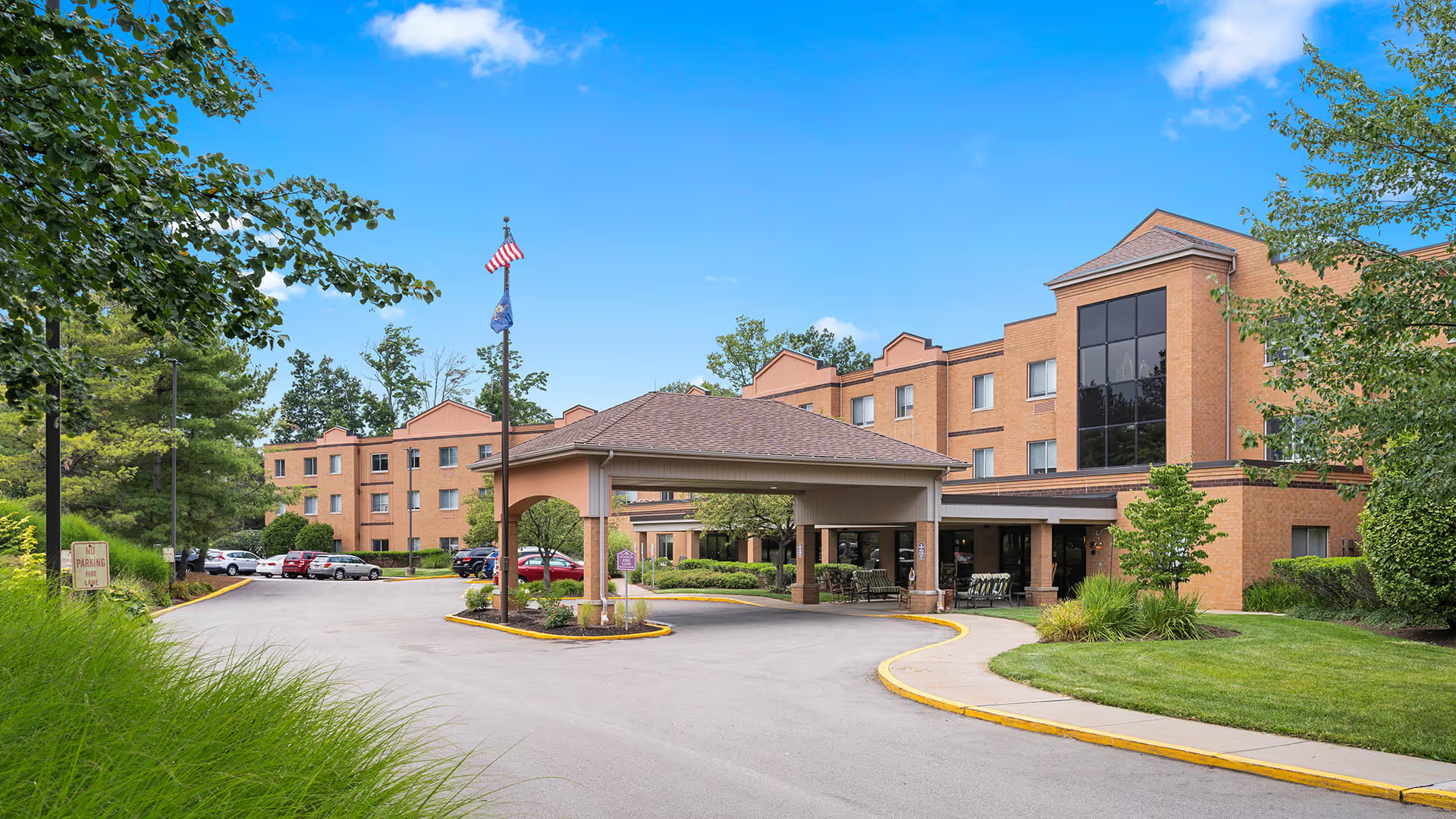
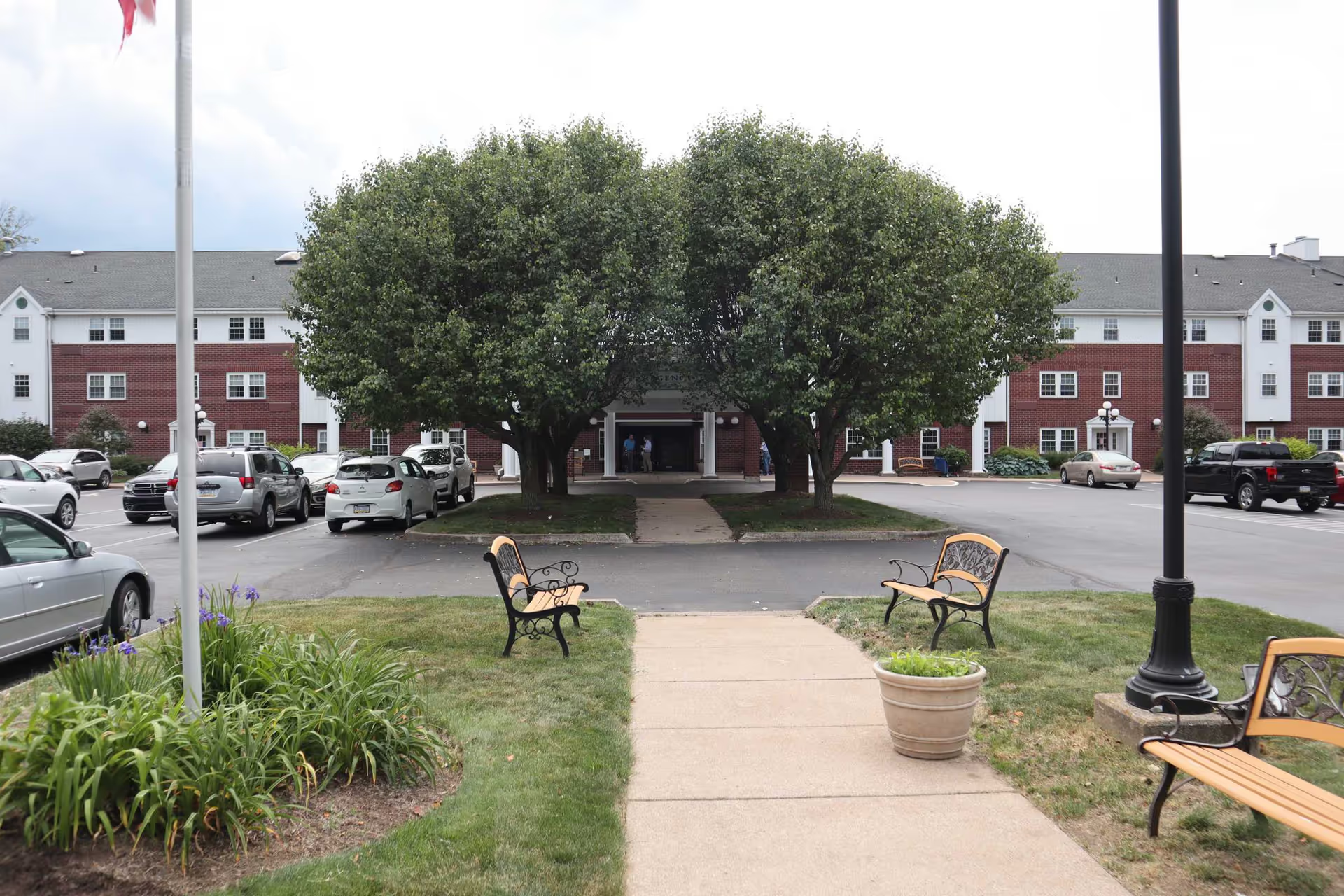
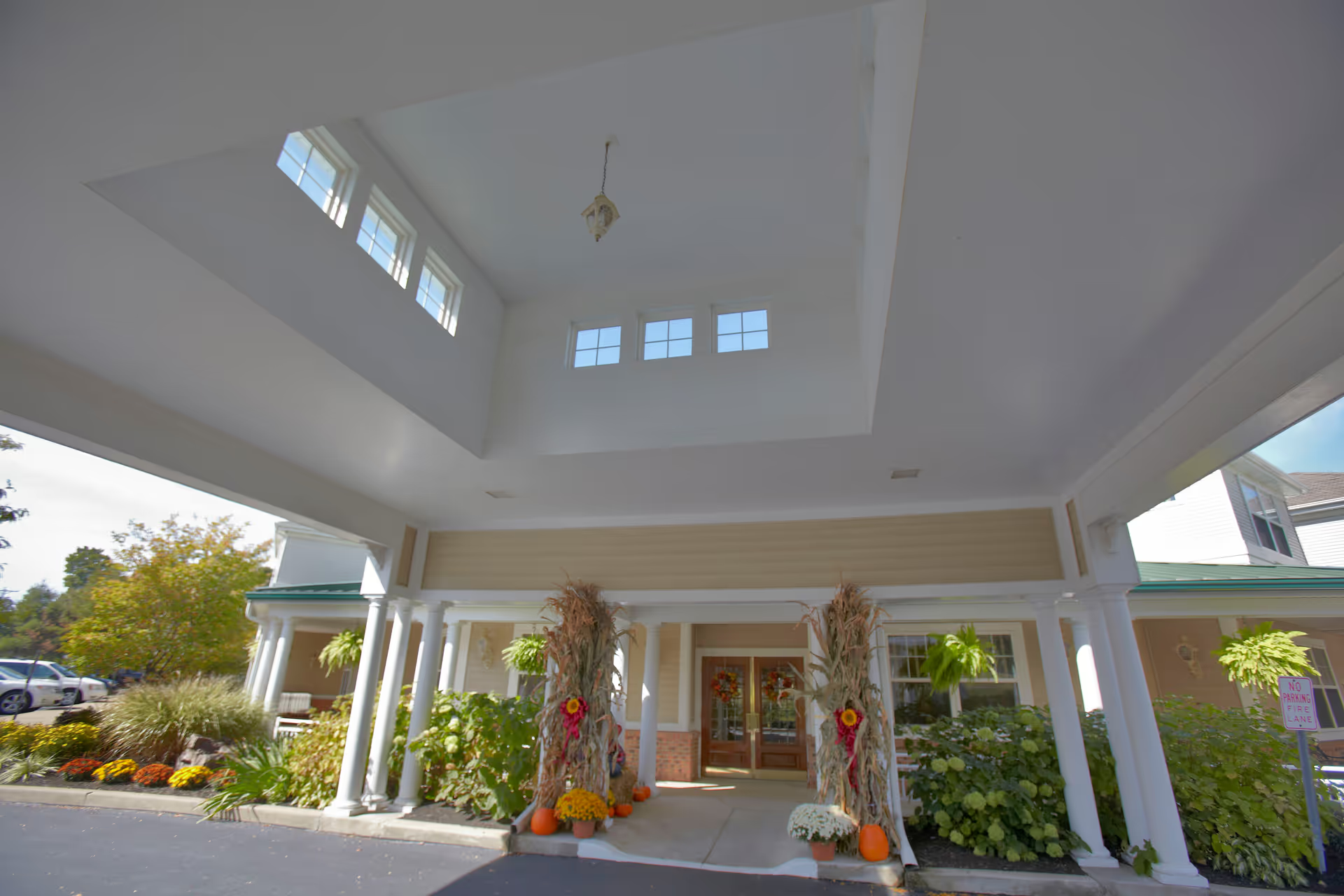
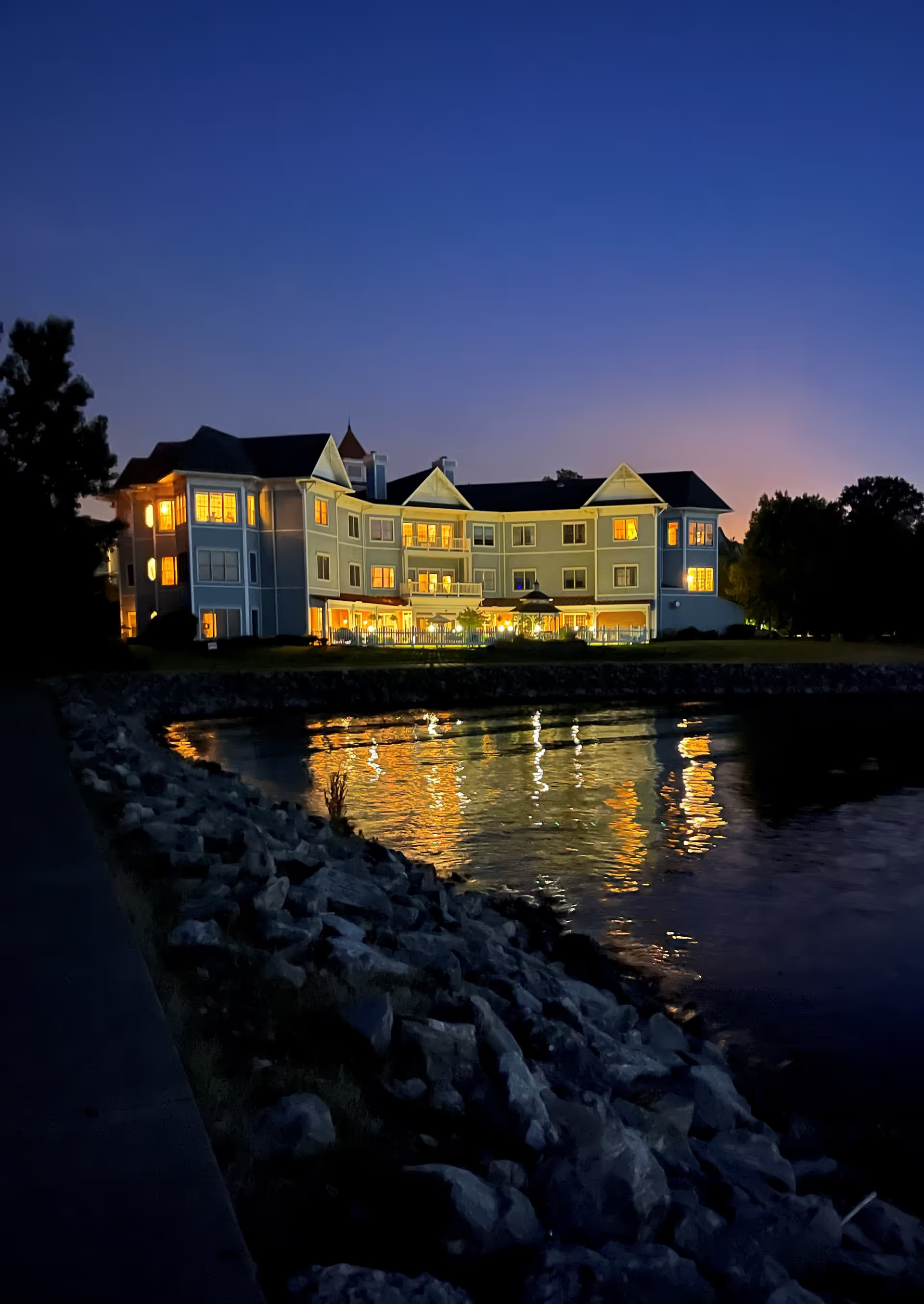
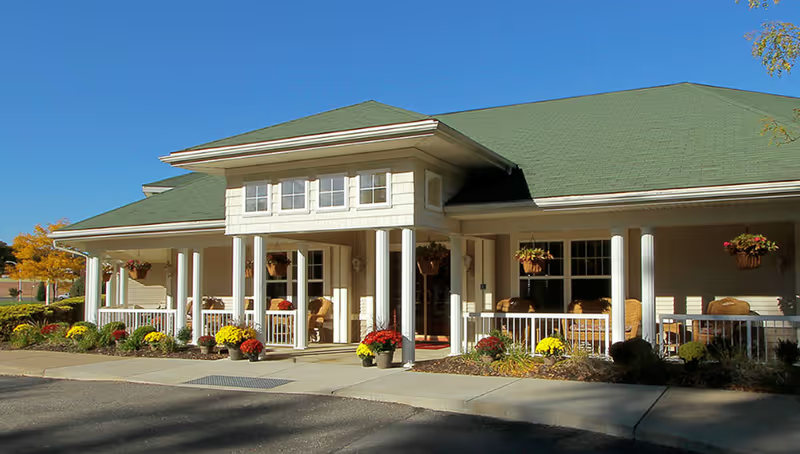
Reviews describe a facility with a mix of clear clinical strengths and persistent operational weaknesses. Clinically, the site is noted for its capability to manage complex respiratory needs, including tracheostomy care, and for responsive attention to acute medical issues. Several families praised skilled nurses and individual caregivers who supported mobility improvement, rehabilitation goals, and infection-control measures. Activities and social programming are generally viewed positively, and the outdoor courtyard and grounds are described as well maintained and conducive to resident socialization.
At the same time, reviewers describe variability in day-to-day care quality. A recurring operational theme is understaffing and high patient loads, which appears linked to delayed responses to call bells, inconsistent assistance with bathing and feeding, and gaps in routine checks. Concerns about medication and feeding protocols, including the potential for over-sedation and inconsistent tube-feeding management, were raised alongside reports of hospital transfers and increased dependence on staff for some residents.
Staff culture is described as uneven: while some nurses and aides are praised as compassionate and knowledgeable, others are characterized as overworked or lacking in professional communication. Supervisory tone and staff accountability were noted as areas of concern, creating an environment where families felt reluctant to raise problems. Transfer processes and patient identification practices also showed weaknesses, with instances of misrecognition after transfers and of personal belongings becoming misplaced, indicating gaps in handoff and property-controls procedures.
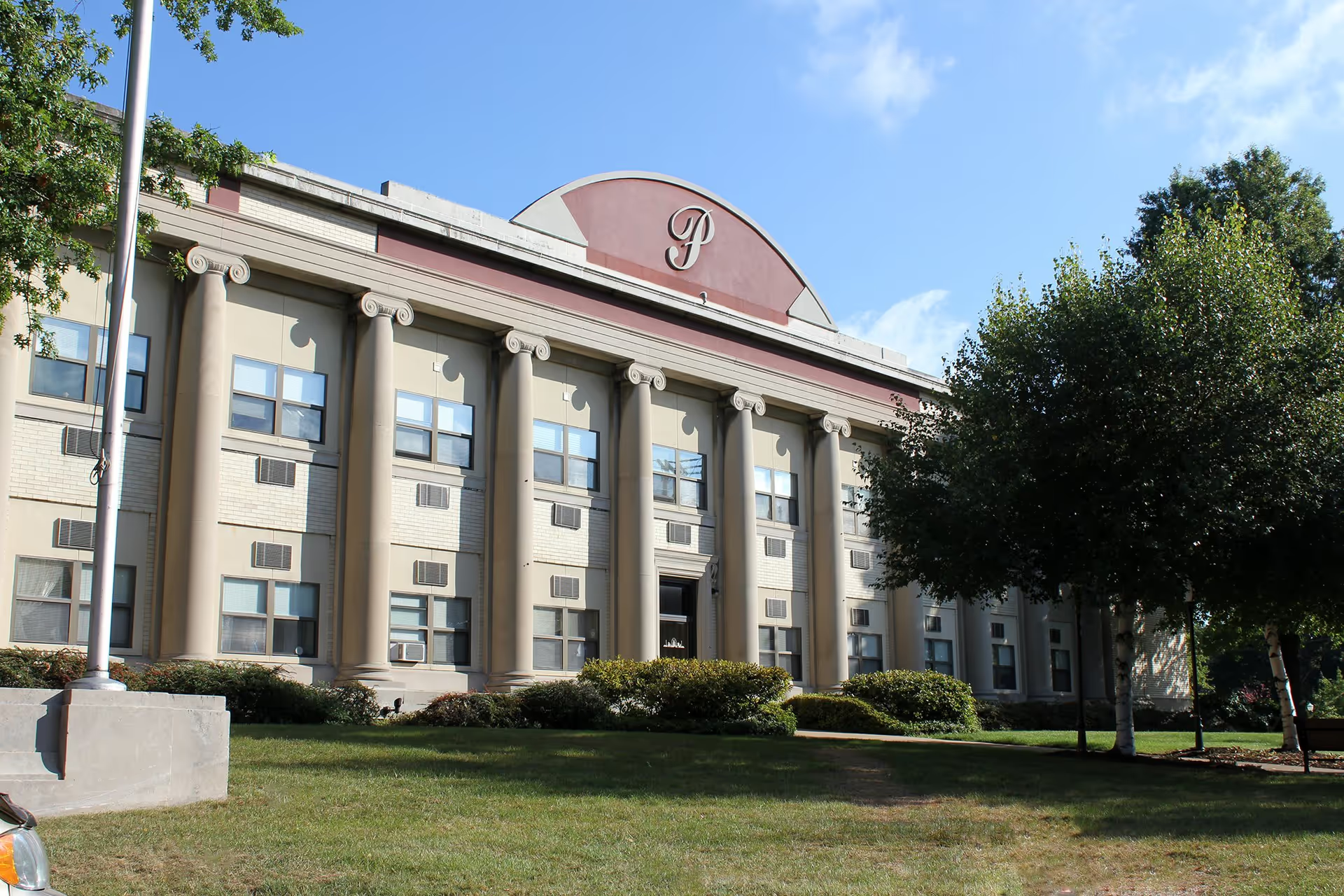
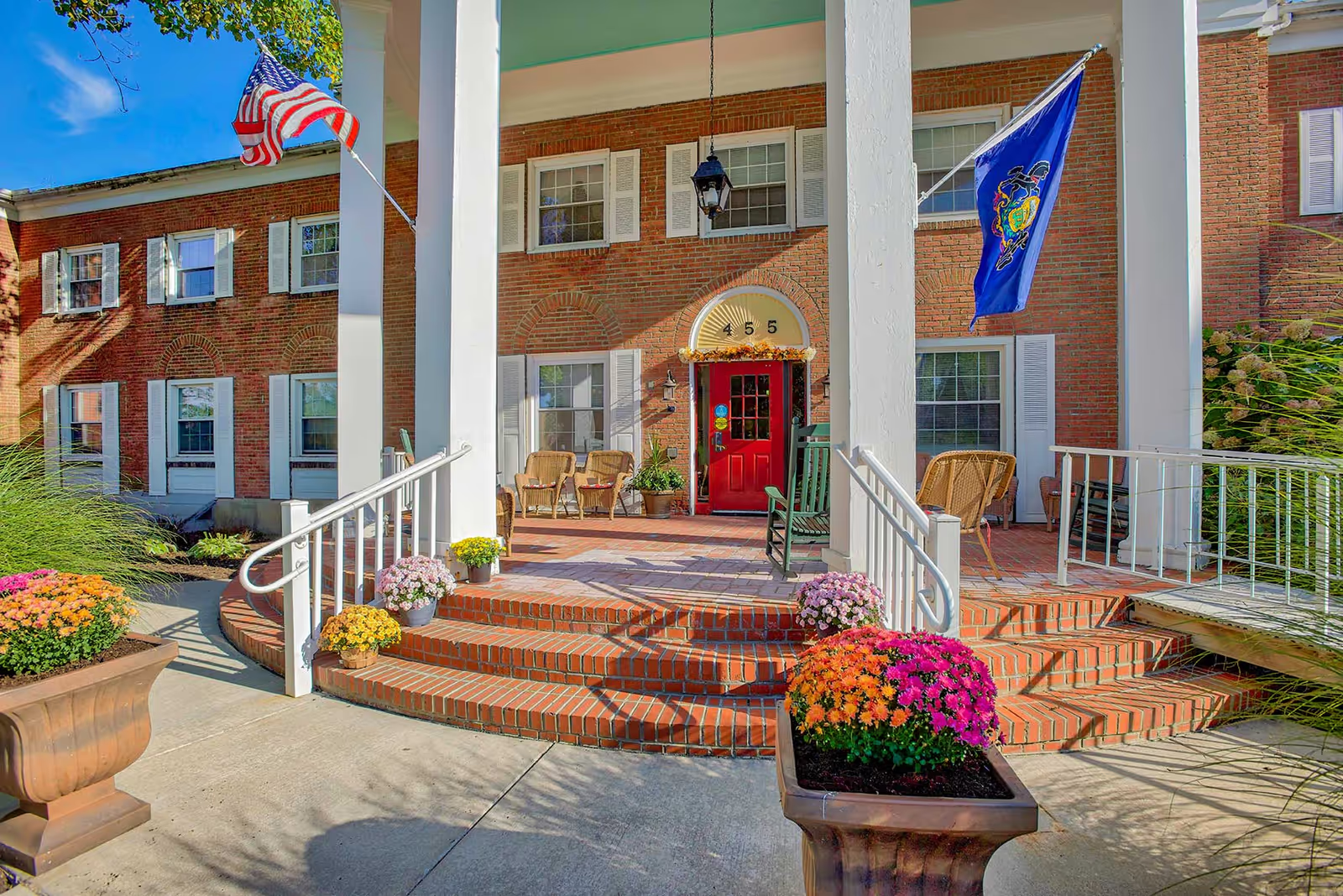
Dining services include dietician oversight and snack availability, which some families appreciated; however, there are also accounts of inconsistent management of food allergies and limited responsiveness from dietary staff. Facility infrastructure contributes to mixed impressions: the building is described as older, with shared bathrooms and limited private rooms, and reviewers cited sanitation concerns in some resident rooms and common areas that warrant attention.
Management and administration appear to be in flux. Some reviewers noted improvements following administrative changes, while others described significant delays in paperwork processing (including Medicaid-related matters), unhelpful office interactions, and, in a few cases, escalation of concerns to legal channels to obtain resolution. Communication with outside physicians was identified as inconsistent, with families indicating that outside doctors were not always engaged in facility care.
In summary, Lecom at Presque Isle exhibits clinical capabilities for higher-acuity respiratory care and offers meaningful activity and outdoor amenities, but operational issues — particularly chronic staffing shortages, inconsistent routine care, transfer and property-control gaps, sanitation concerns, and administrative communication delays — create variability in resident and family experience. Prospective residents and families should observe staffing levels, ask about transfer and identification protocols, review medication- and feeding-management policies, confirm dietary allergy procedures, and inspect private-room availability and cleanliness during an in-person visit.