Experiences at Twin Lakes are sharply mixed. Many positive accounts describe residents receiving attentive, kind care, and families appreciate staff who answer questions and respond to concerns. Rehabilitation is a recurring strength: reviewers praise physical and occupational therapy, and some describe meaningful progress toward walking or returning home. Respiratory therapy is viewed favorably by some families, although one detailed account raised concerns about equipment handling and respiratory-care protocols. Other critical accounts describe delays in assistance, limited access to therapy, and concerns about clinical monitoring, medication management, and individualized mobility support. A few highly critical accounts describe serious health deterioration and hospitalization, with one raising concerns following a resident’s death; these individual accounts cannot establish causation.
Staff experiences also vary. Positive reviews characterize nurses, aides, therapists, and activities staff as compassionate, knowledgeable, and helpful. Conversely, families and residents describe uneven staffing, delayed responses to call lights, and inconsistent help with toileting and personal care. Some accounts also raise concerns about staff conduct and the ability to reach staff or facility leaders. Communication is described as strong in certain stays but difficult in others, including concerns about unanswered calls, delayed callbacks, and billing or administrative issues.
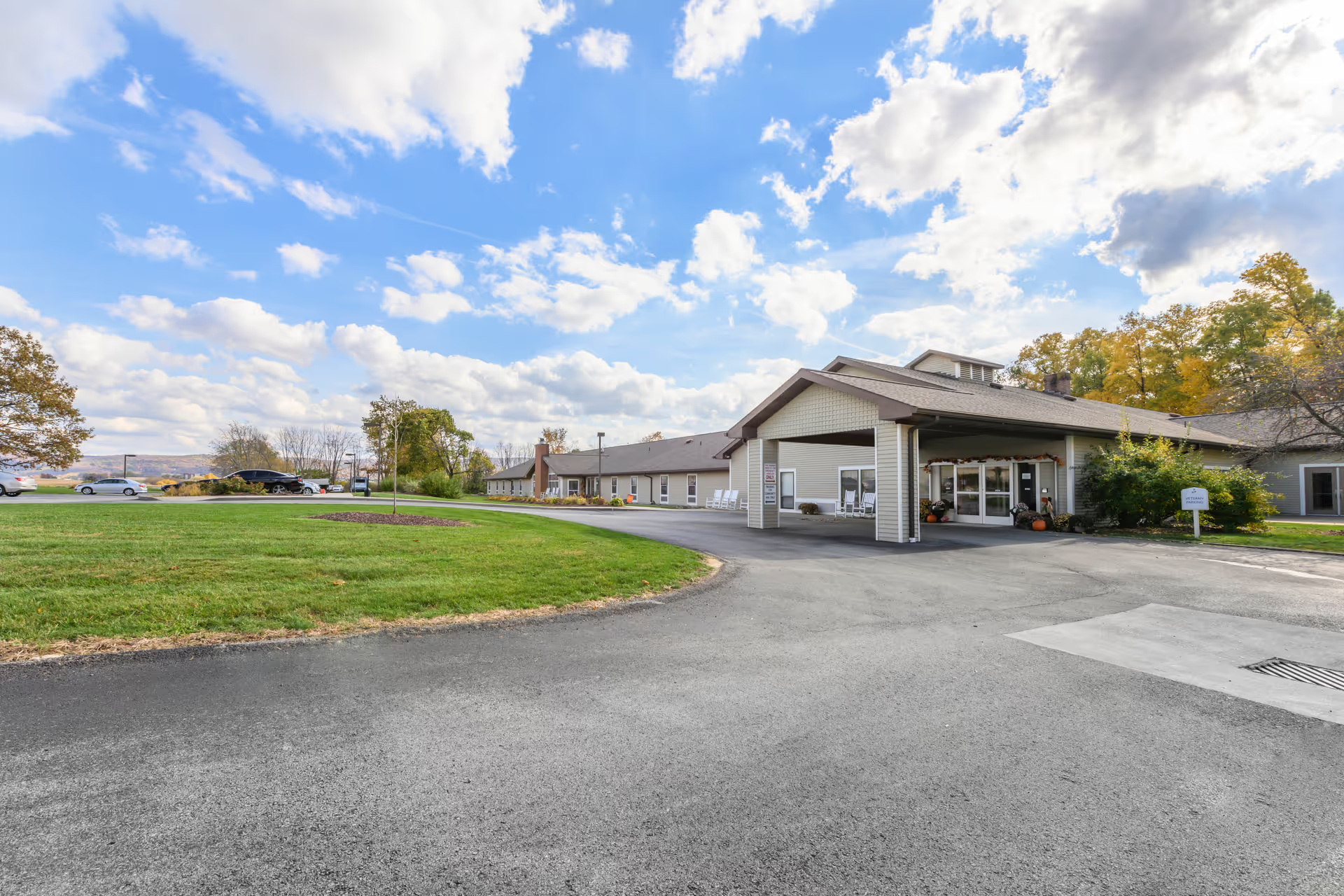
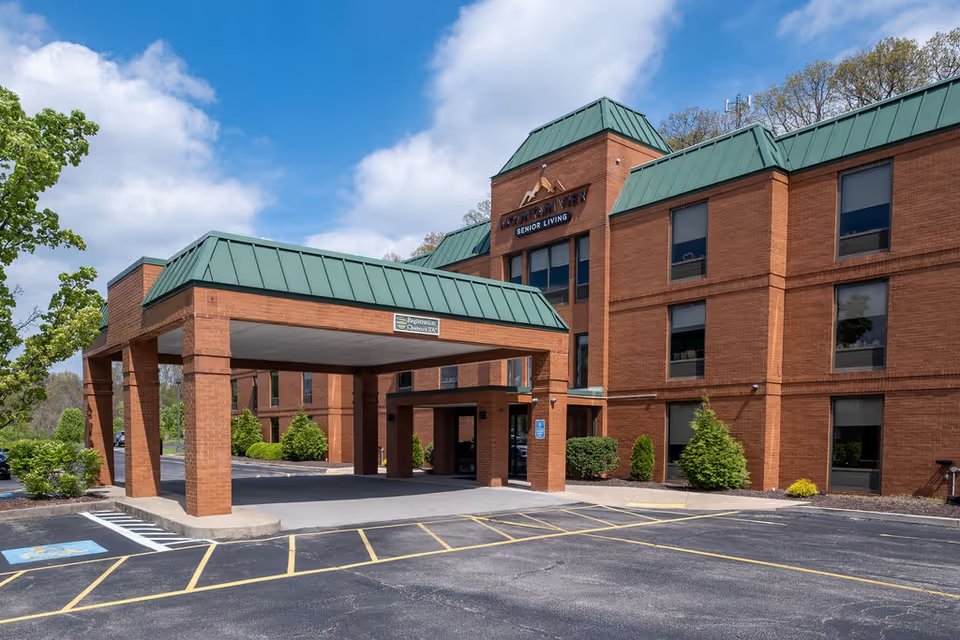
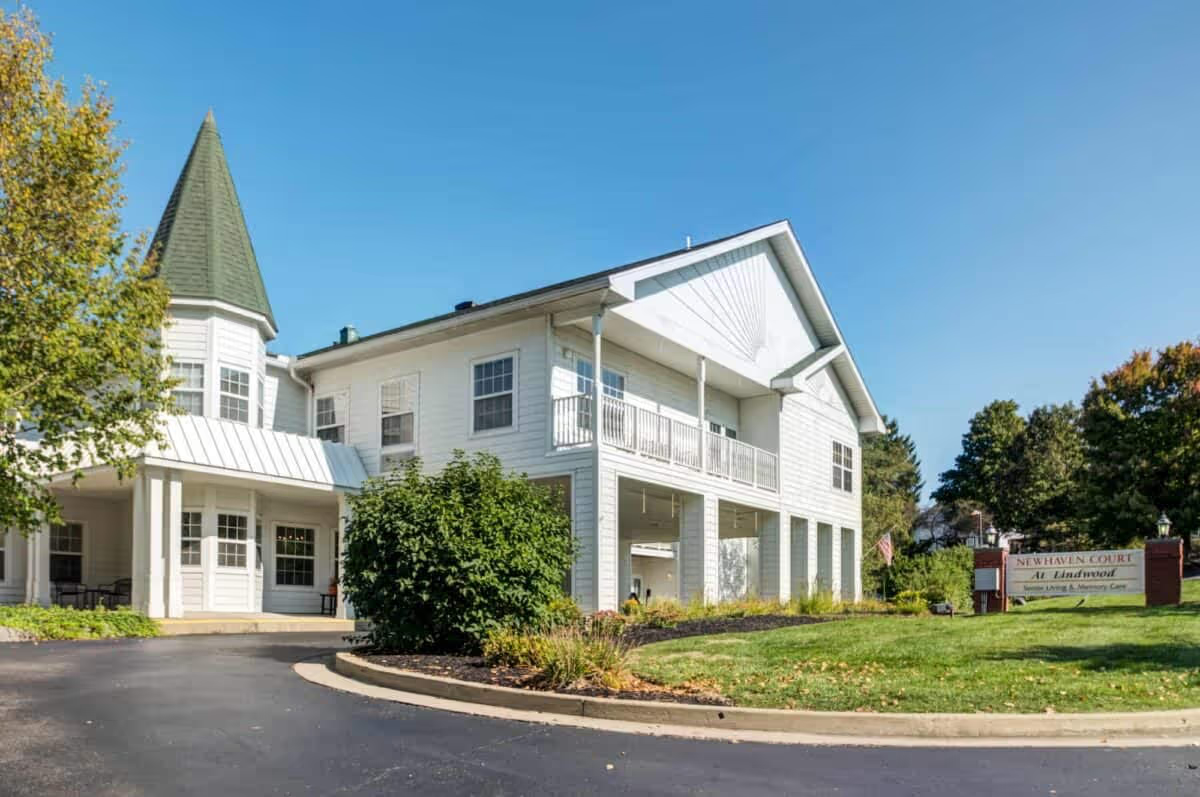
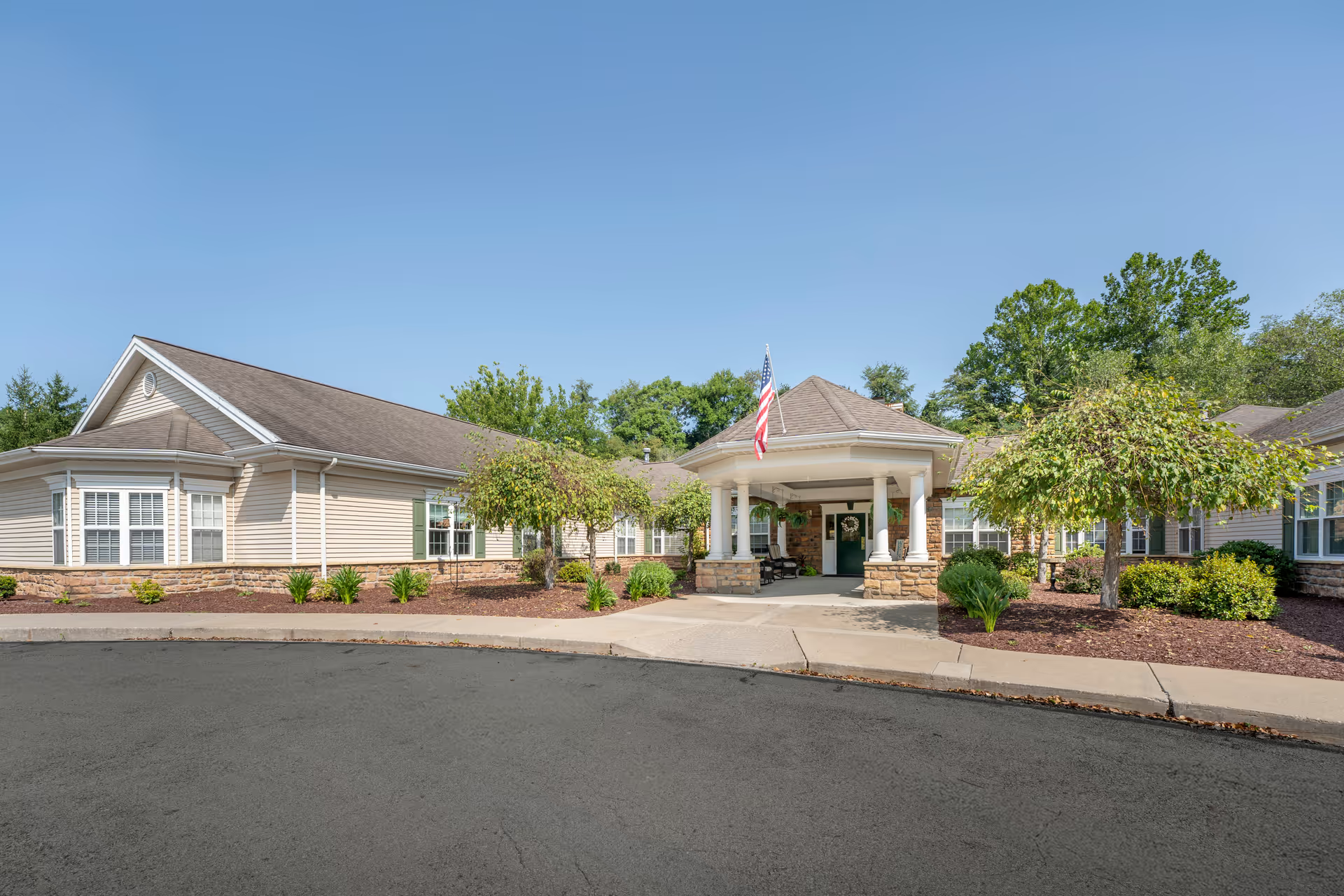
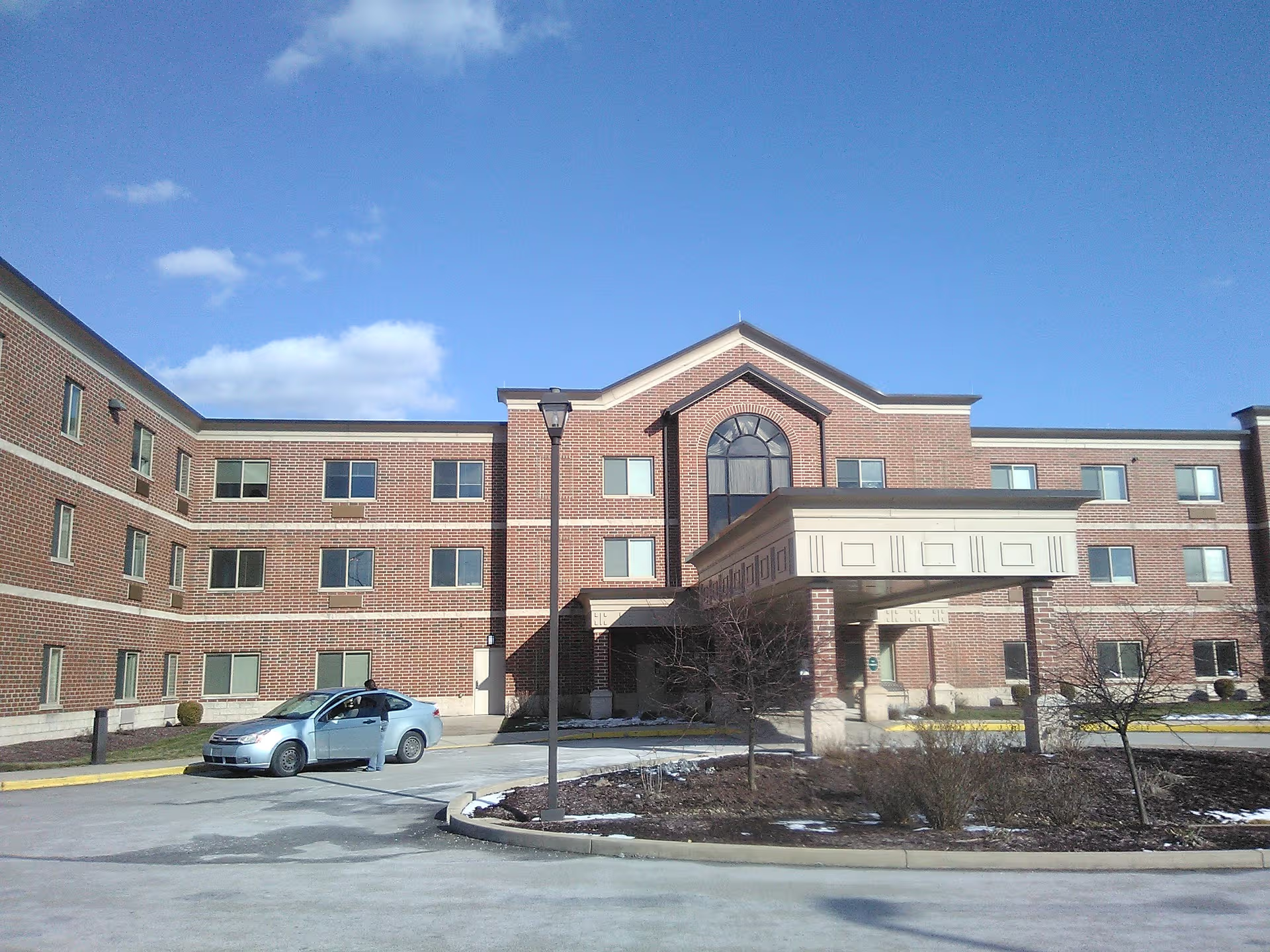
Dining feedback ranges from praise for tasty meals and accommodation of dietary preferences to complaints about cold, poor-quality, or inconsistently served food. Activities staff and programming receive positive mentions, as do opportunities for residents who are able to go outdoors. Facility descriptions are similarly inconsistent: some visitors find the center clean, tidy, and secure, while others describe cleanliness, odor, and maintenance concerns, including water intrusion. The building is also described as somewhat dated by one reviewer.
Personal belongings are another area to consider, with families describing recurring difficulty tracking clothing and personal items. Visitation restrictions during infection-control periods were particularly difficult for one family. Overall, the reviews suggest that care quality and responsiveness may vary considerably across staff, shifts, and resident needs. Prospective residents and families may wish to ask about staffing coverage, call-light response, personal-care routines, therapy planning, respiratory-care practices, meal service, belongings procedures, and how families can reach clinical and administrative leaders.