Reviewer sentiment for St Monica Center for Rehabilitation & Healthcare is strongly polarized. Many families and former residents describe a facility with an attractive, recently renovated physical plant, a robust therapy program, and staff who at times provide warm, individualized care. At the same time, a significant subset of reviews raise substantive operational and clinical concerns that have led to hospital transfers and serious family dissatisfaction.
Care quality shows a clear bifurcation. Short-term rehabilitation and therapy are frequently praised; reviewers credit the therapy team with measurable progress and attentive rehabilitation planning. Conversely, there are repeated accounts indicating clinical-process failures: delayed or inconsistent medication administration, missed vital checks, delayed escalation to providers or emergency services, and questions about adherence to clinical protocols. Several reviewers described incidents that prompted hospital transfers; those accounts underline the importance of confirming current clinical oversight and transfer procedures before placement.
Staff performance is described variably. Many reviewers highlight compassionate, friendly, and hardworking caregivers who go beyond their roles (examples include offering extra attention and purchasing breakfast items for residents). Others describe limited responsiveness—particularly on late shifts—and concerns about tone or conduct during interactions. This pattern suggests meaningful variability by shift and by unit: some teams are noted as dependable, while others are described as slow to respond or insufficiently attentive.
Dining and activities also show mixed feedback. Multiple reviewers report engaging activities, tailored programming, and meals that support social engagement. However, there are recurring complaints about meal quality, inconsistent adherence to prescribed diets (notably for residents with diabetes or other dietary needs), and small protein portions. Prospective residents should request current menus, diet-management policies, and opportunities to sample meals during a visit.
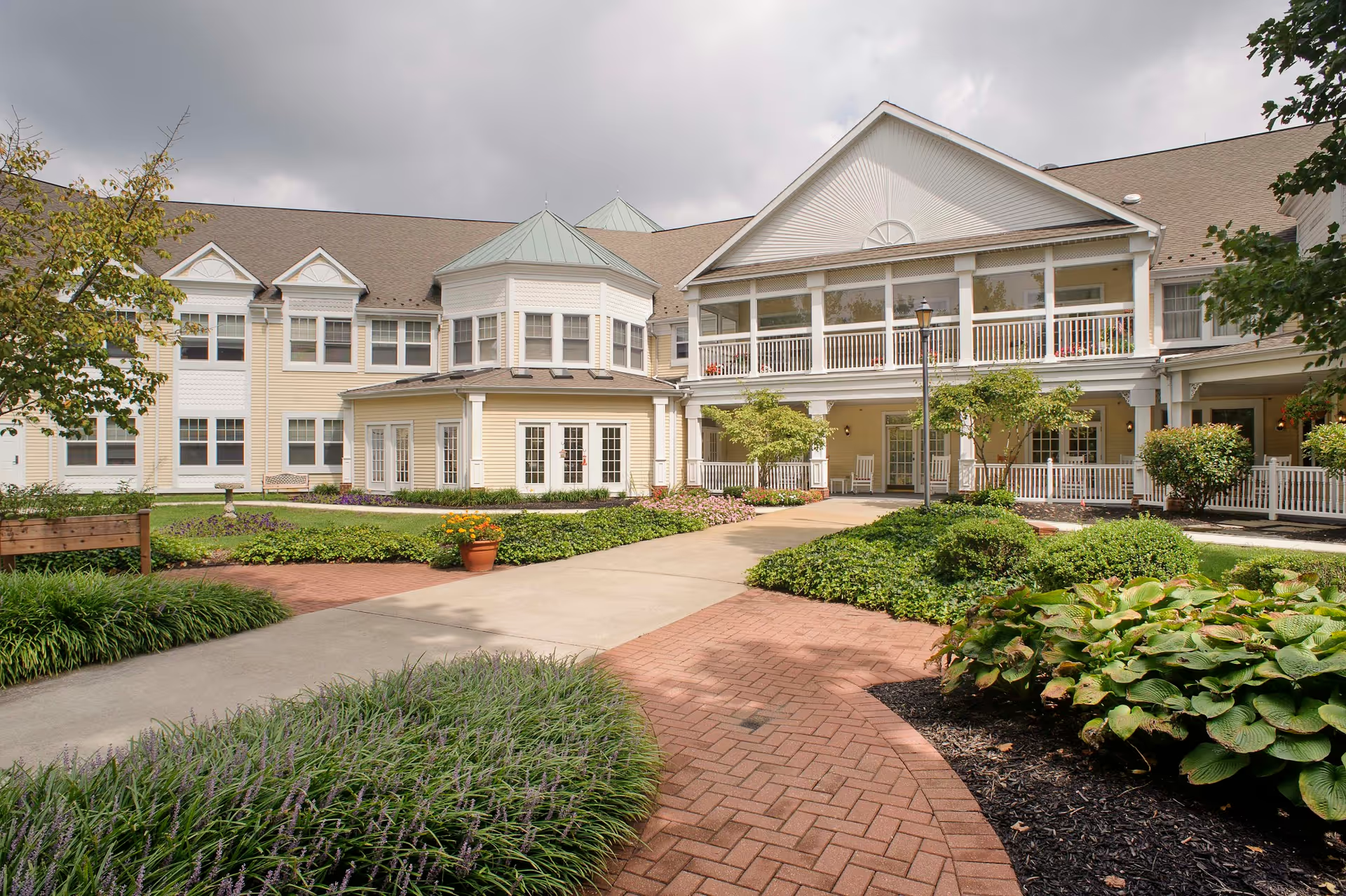
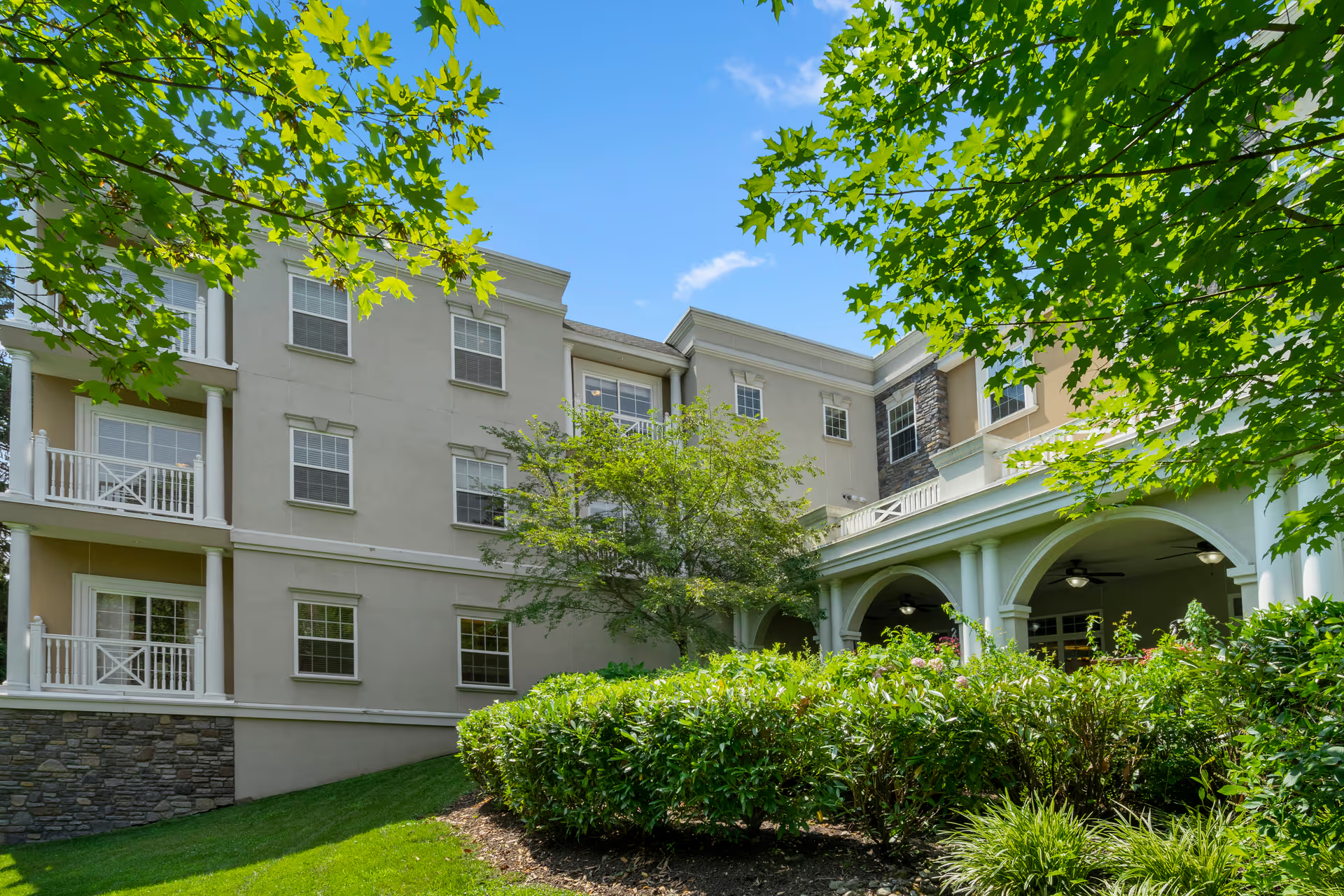
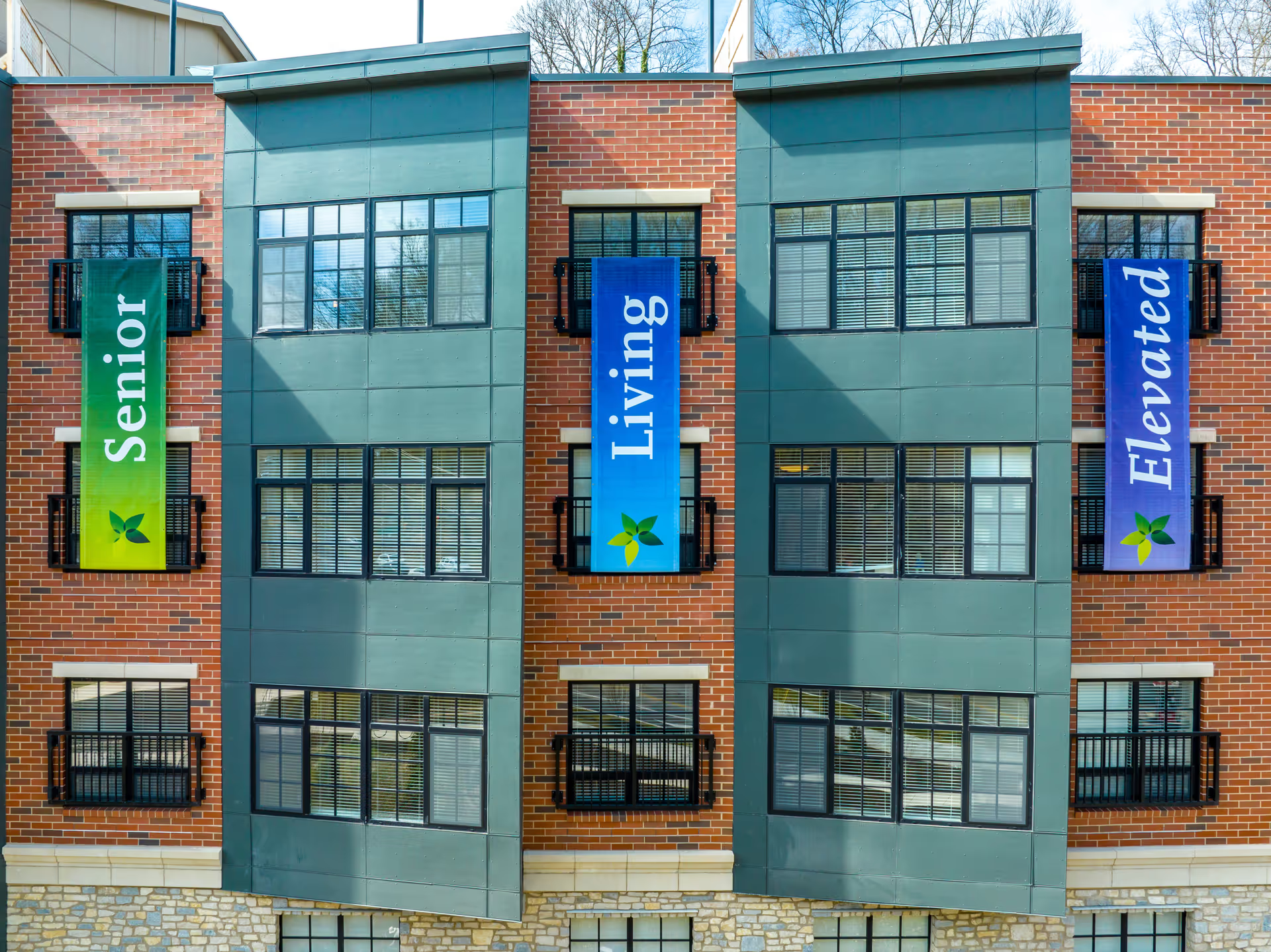
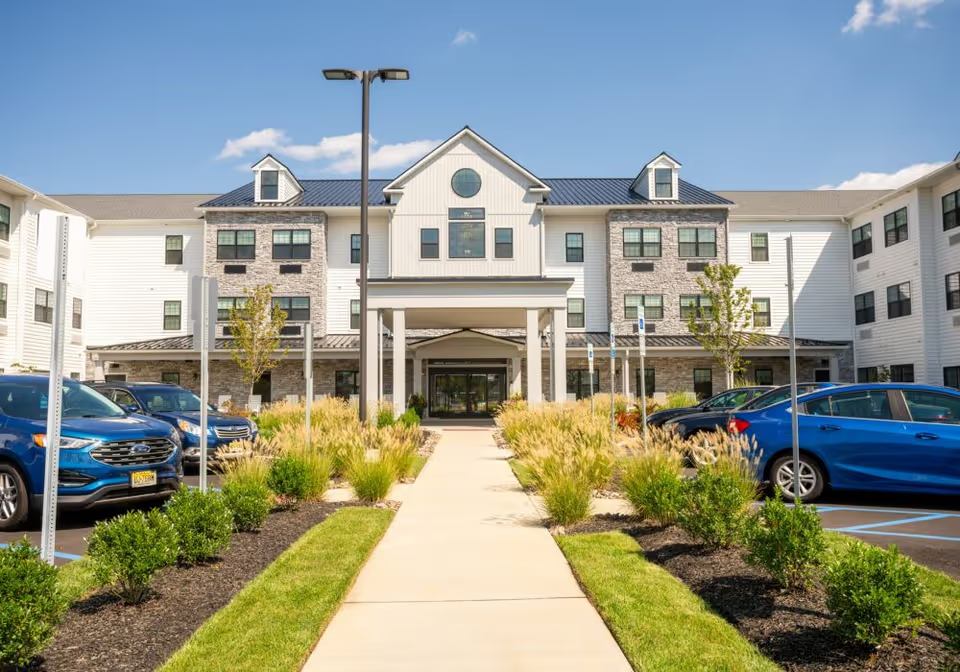
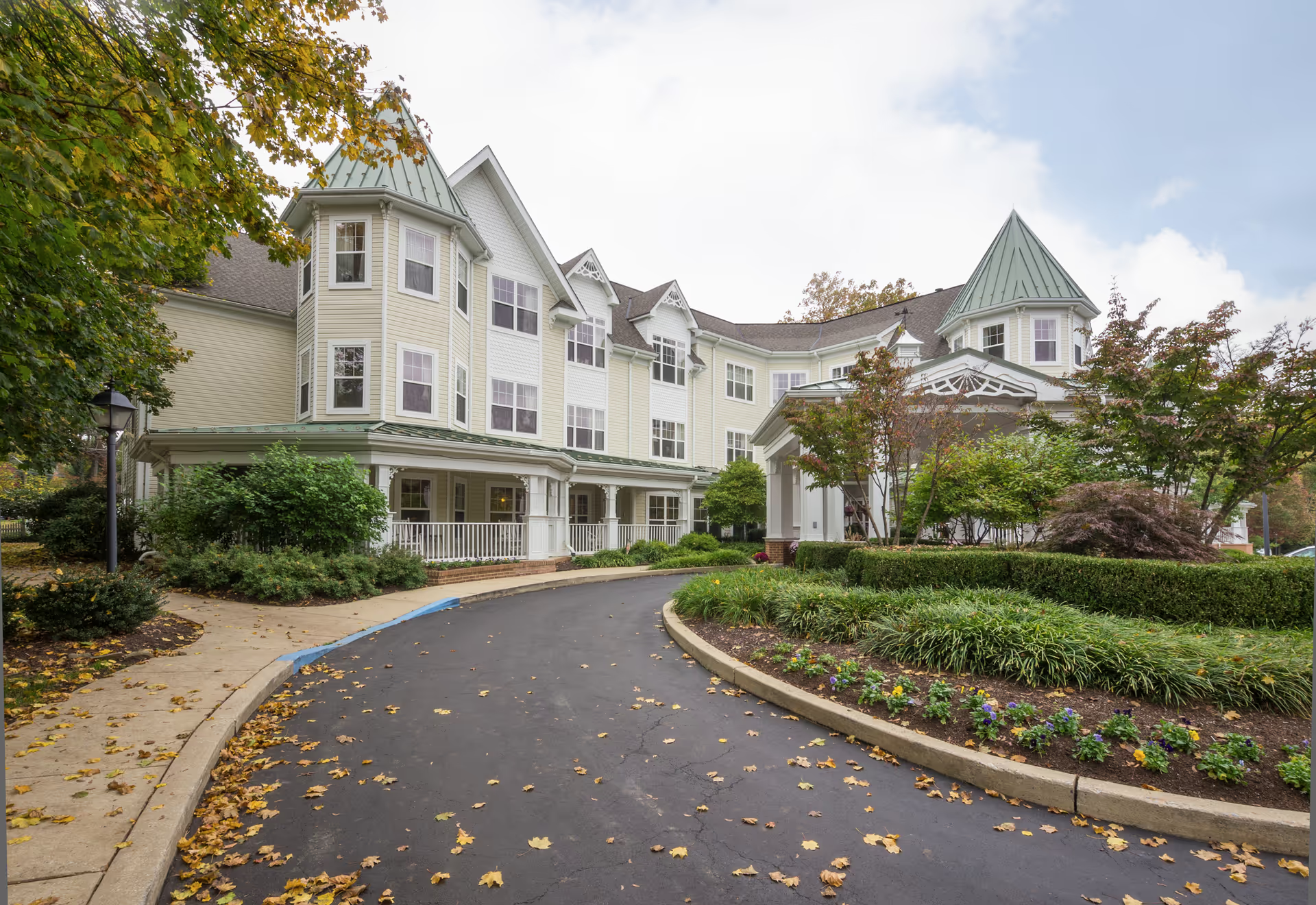
Facilities and safety observations are similarly divided. The building, furnishings, and grounds receive positive mention for cleanliness and appearance in many accounts; ongoing renovation work and plans to reduce multi-bed rooms are also noted. At the same time, reviewers reported sanitation lapses in some rooms, pest-control concerns, broken or missing maintenance items (for example, grab bars or oxygen equipment), and multiple fall incidents with questions about incident reporting. These issues point to uneven housekeeping and maintenance practices and potential gaps in fall-prevention and equipment inspection routines.
Management and administrative themes include both praise and criticism. The admissions coordinator and some administrative staff are described as helpful and communicative, but there are also repeated complaints about unclear or illegible contractual paperwork, delayed communications about insurance and status changes, and difficulties expediting moves. Several reviews describe long waits for hospital transfers or delayed family notification during clinical events, suggesting opportunities for stronger family communication protocols.
Overall pattern: the facility demonstrates real strengths in rehabilitation, a pleasant physical environment, and examples of committed staff. At the same time, recurring operational weaknesses—notably inconsistent staffing, medication and clinical oversight gaps, sanitation and maintenance variability, and administrative communication failures—create risk for residents with complex medical needs. Prospective residents and families should tour the facility during multiple shifts, ask specific questions about staffing ratios, night-shift coverage, medication administration procedures, incident reporting and family notification protocols, infection-control practices, housekeeping schedules, and diet-management for clinical conditions. Request current quality and inspection records, sample menus, and written policies for transfers and emergency response to make an informed placement decision.