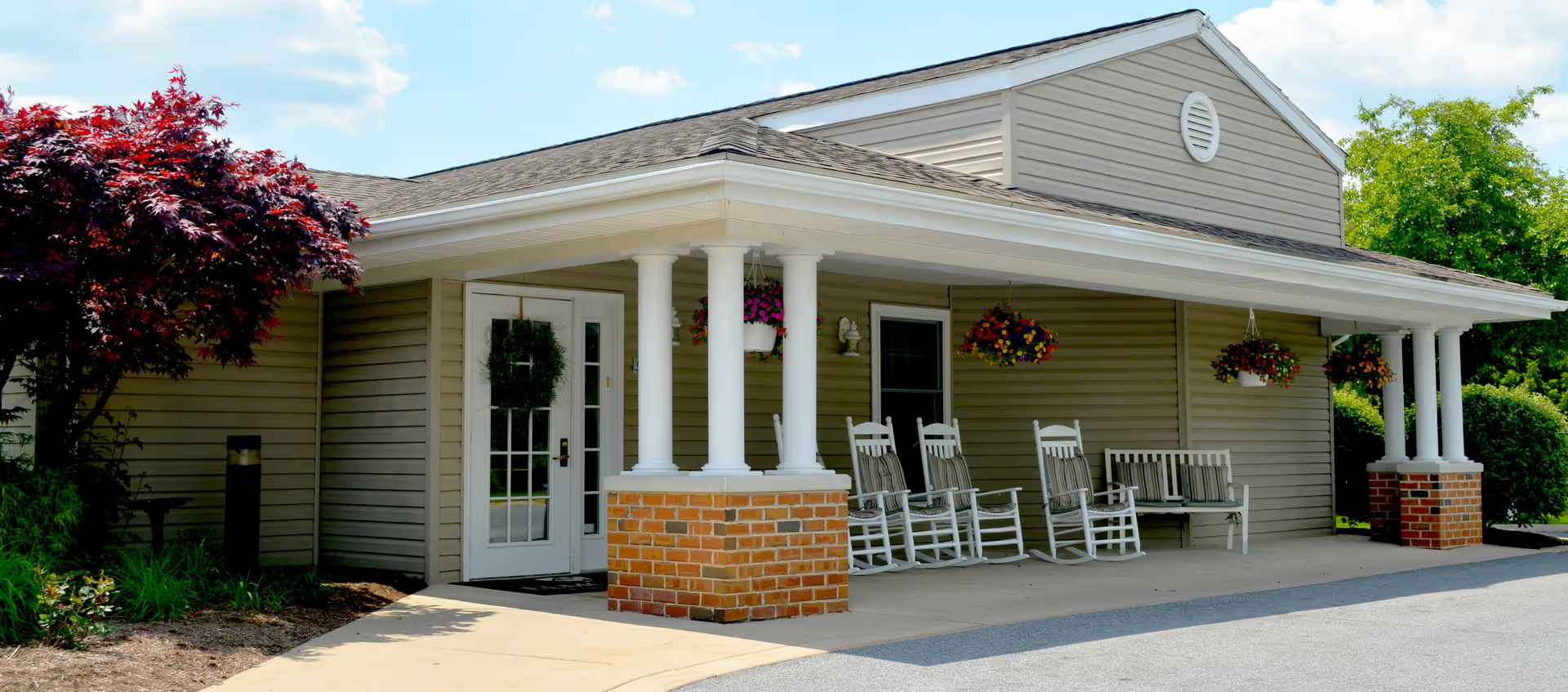
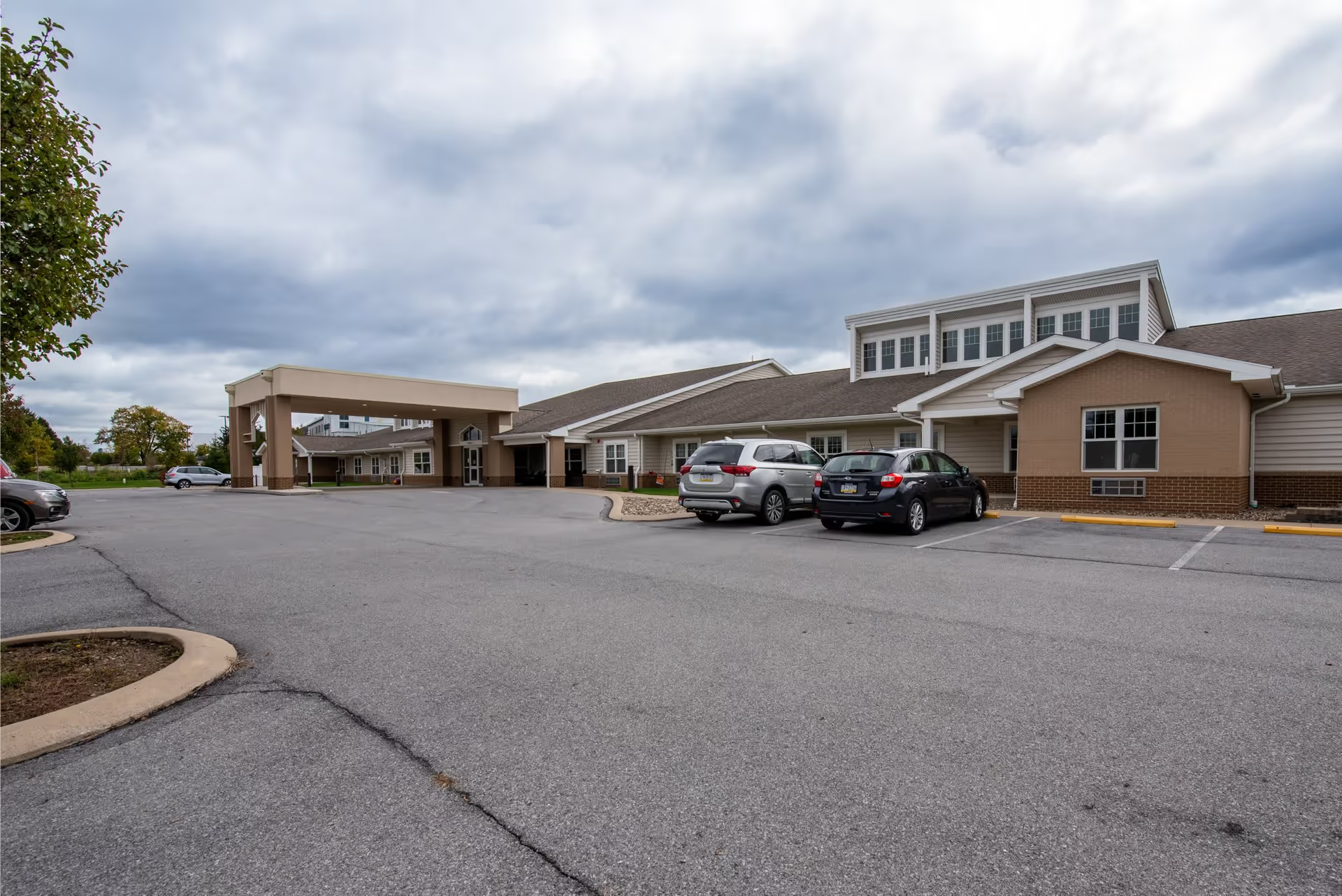
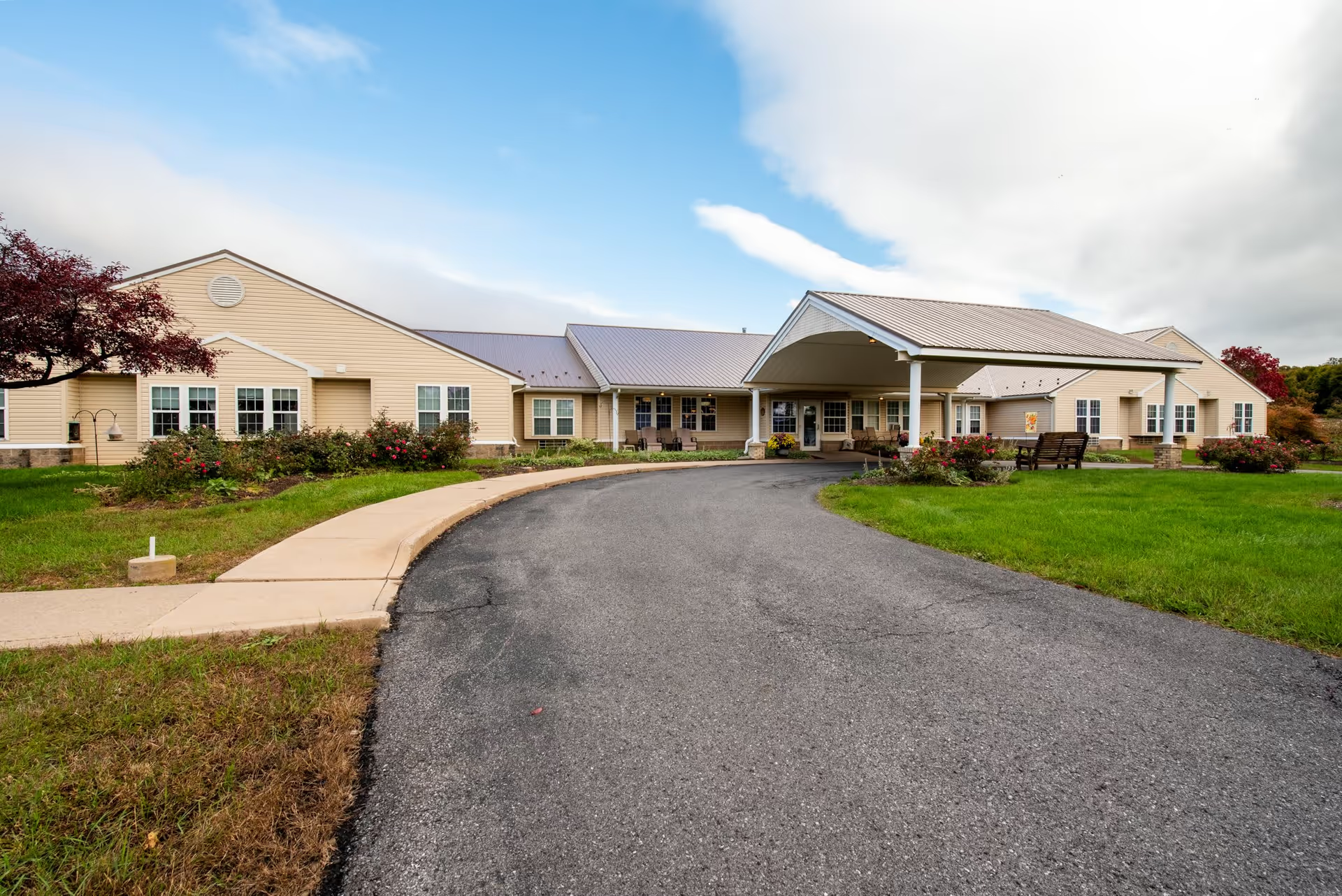
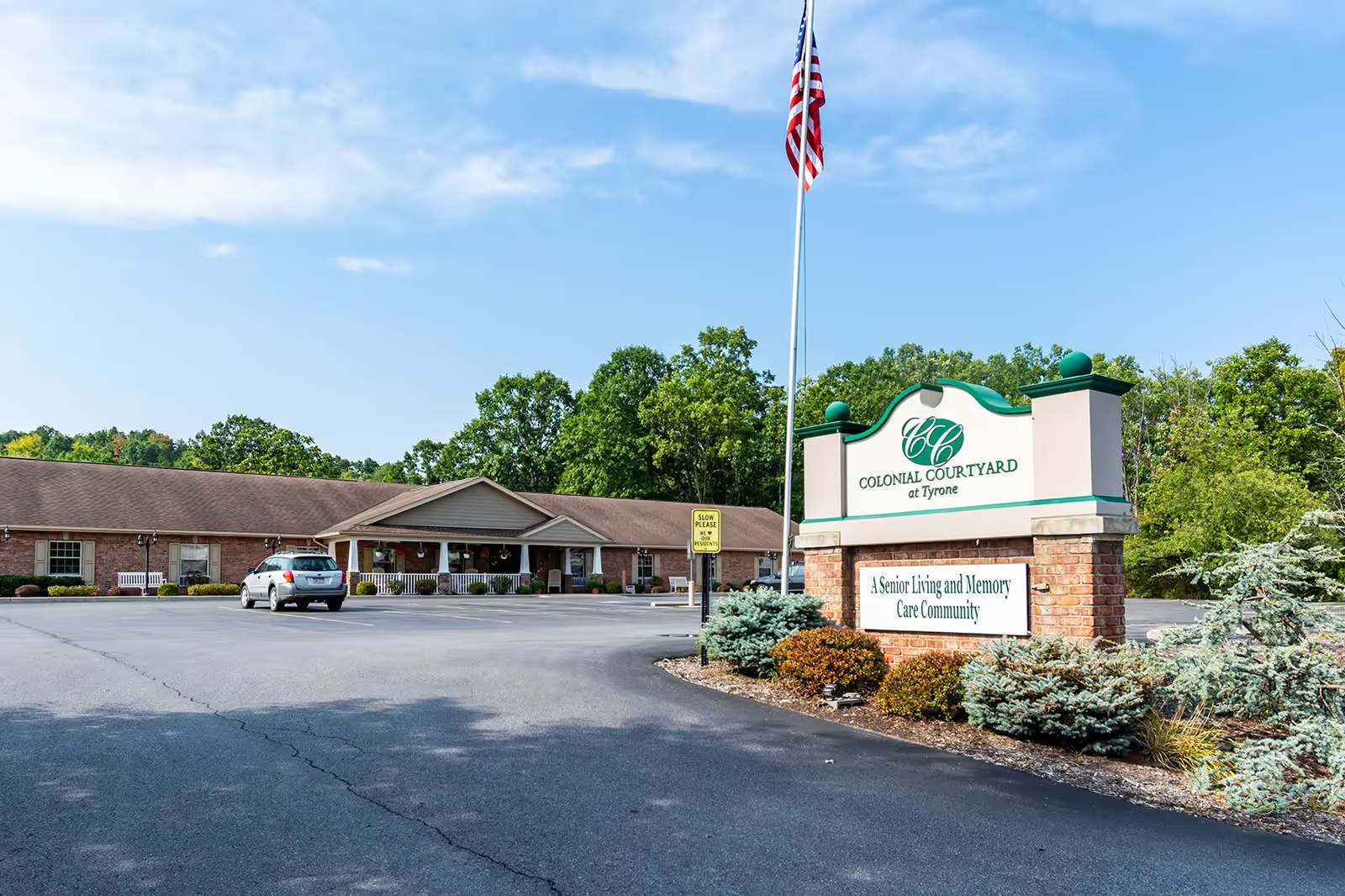
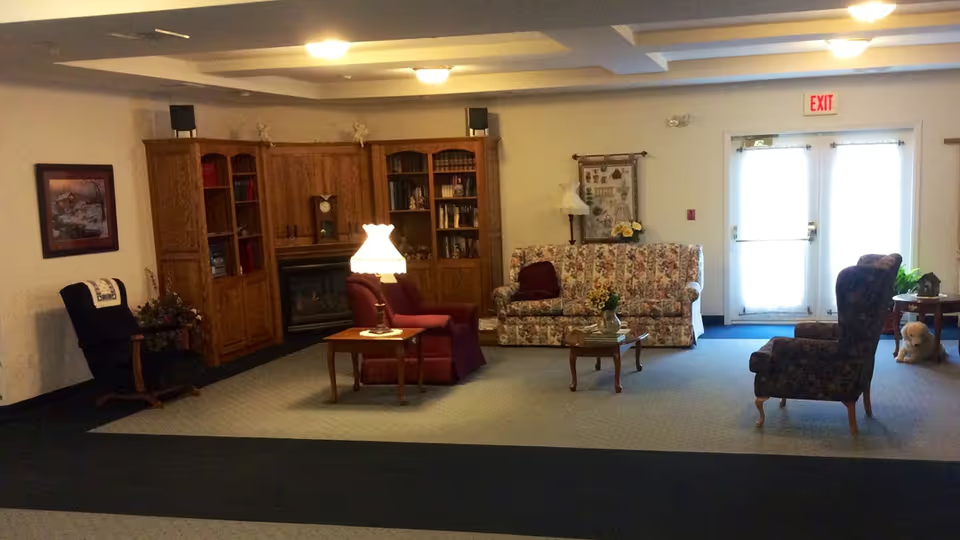
Overall sentiment across the reviews is mixed but leans toward concern. A recurring theme is that individual staff members — particularly some nurses and CNAs — are praised for being warm, compassionate and attentive. Many reviewers specifically note staff who went out of their way to provide personal attention, kept families informed, and provided meaningful activities such as music, crafts, balloon events and ice cream socials. A subset of reviews report positive therapy experiences (speech and physical therapy) and visible cleaning crews, an accessible layout, and pleasant features like large windows and a courtyard. These positives indicate that when staffing and individual attention align, residents and families can have a genuinely good experience.
However, serious and frequently reported problems counterbalance those positives. Understaffing is a pervasive complaint and appears to be the root of many operational failures: long response times for basic care, aides being unavailable (on breaks or overwhelmed), residents left unattended in dining rooms, and delayed assistance during transfers. Multiple reviews describe neglect-level incidents — residents found soiled, diapers not checked, bowel matter on caregivers' hands, long waits for toileting or repositioning, and even post-fall bruising. These accounts suggest inconsistent basic care and safety monitoring.
Facility condition and maintenance are another major area of concern. Numerous reviewers describe an aging, poorly maintained building: old beds (some improvised with taped remotes), rundown furniture, old televisions, rooms that are cramped or in poor repair, doors that stick, clogged gutters, and overgrown grounds. Odors (notably urine), dirty hallways, and slippery public bathrooms were explicitly mentioned as safety and hygiene hazards. Frequent room moves and double-occupancy small rooms were also highlighted, negatively affecting resident comfort and privacy. These environmental shortcomings amplify the perception of neglect and reduce overall dignity and quality of life for residents.
Food and nutrition receive mixed but mostly negative feedback. Several reviewers report inedible meals, shortage of meal items, and incorrect diets being served (for example, a regular diet given instead of pureed), though one summary said meals meet standards and portion sizes were adequate. In the context of understaffing, incorrect or delayed meal service can further compromise vulnerable residents’ wellbeing.
Clinical care and medication practices raise red flags in multiple reviews. Some relatives reported overmedication or unnecessary administration of insulin and other drugs, while others noted poor-quality therapy services or that therapy did not meet expectations. There are also troubling reports of falls, missing jewelry and personal items not returned after death, which point to lapses in security, inventory practices, and post-incident follow-up.
Administration, communication and billing are additional weak points. Several reviewers cited poor communication from office staff and directors of nursing, ignored emails and calls, a lack of family involvement in care planning, and management turnover. Financially, billing issues such as problems submitting claims to insurance and disputes over payments were specifically mentioned and contributed to distrust. Some reviewers explicitly described the administration as money-focused rather than resident-focused.
Notably, reviews present a split picture: many individual caregivers are described as compassionate and competent, yet systemic issues — chronic understaffing, poor maintenance, hygiene failures, inconsistent clinical oversight, and problematic administration — undermine the overall quality of care. This produces a high-variance experience where the outcome depends heavily on which staff are on shift and which part of the facility a resident is in. For prospective families, the most frequently mentioned risks are safety and hygiene concerns, staffing shortages, and unreliable administration/billing. The most reliable strengths are the pockets of excellent caregiving, active engagement through programs and activities, and occasional effective therapy services. Those factors explain why some reviewers strongly recommend the facility while others describe it as unacceptable and would not place a family member there.