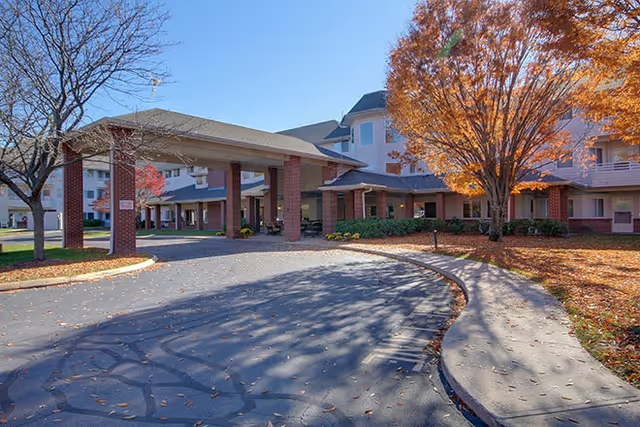
Feedback for Bannister Center displays a broad range of experiences, with a clear split between strong rehabilitation/nursing outcomes and recurring operational weaknesses. On the positive side, many accounts highlight an effective PT/OT program and a rehabilitation team that produces measurable functional improvements. Nursing staff and CNAs are frequently described as compassionate and attentive, and several families praised short-term rehab outcomes, warm bedside care, and a family-oriented atmosphere. Front-office personnel and certain business-office staff also receive positive mention for helpfulness and insurance/billing assistance.
At the same time, multiple operational patterns raise concern. Medication management and administration are described as inconsistent in a number of accounts, with attendant worries about reliability of dosing and record-keeping. Call-response times and staff responsiveness are uneven; several families described long waits for assistance and delays in attending to resident needs. Staffing shortages and irregular shift coverage are recurrent themes and appear to contribute to delayed care, missed hygiene assistance, and reduced supervision at times.
Dining and nutrition present mixed impressions. While dining staff are often described as pleasant and some meals are adequate, reviewers also note variability in food quality, overcooked vegetables, meager portions at times, and meal runouts. Laundry handling and management of personal belongings emerge as a notable operational gap—lost clothing and delayed reimbursements or replacements are cited frequently enough to be a pattern rather than an isolated incident.
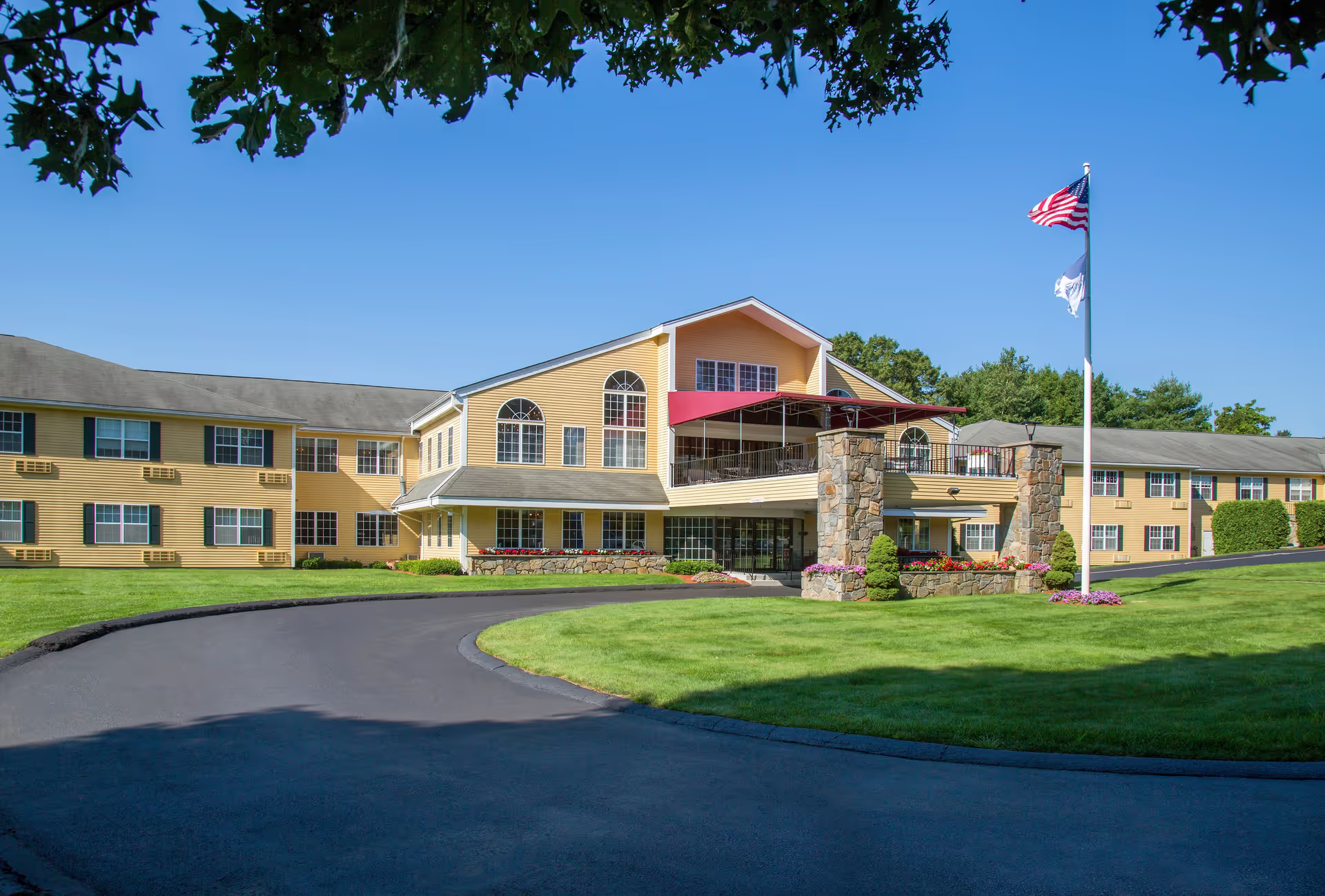
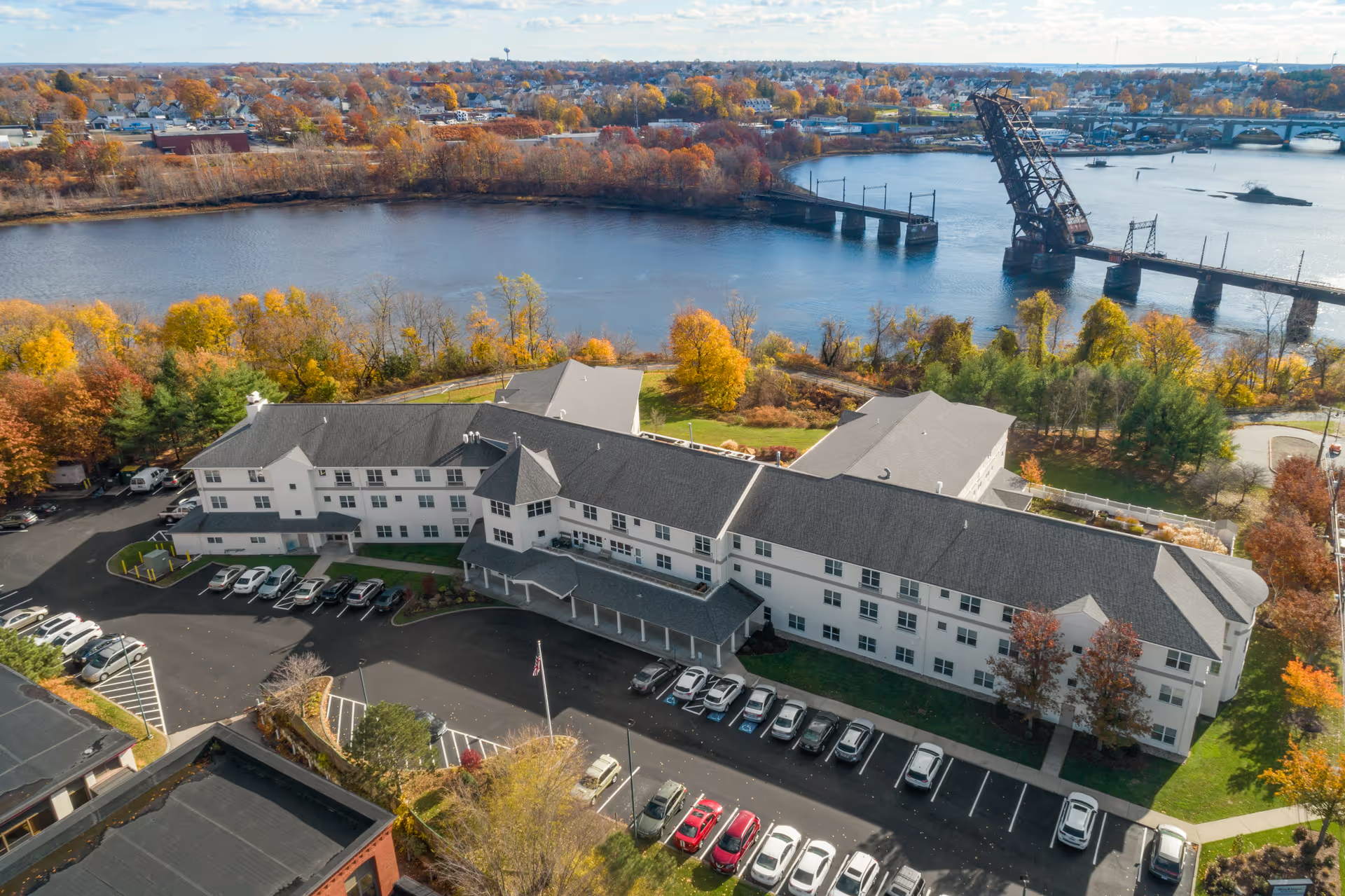
Facility condition and infection-control issues are described inconsistently across accounts. Some units are noted as recently renovated, clean, and well-maintained; other reports describe sanitation concerns, odor issues, and pest-control problems in particular areas. Safety and security items are a concern for several families — examples include unsecured doors, limited elevator availability, resident wandering, and situations that made families feel the unit was not fully secure or adequately supervised.
Management and communications receive mixed evaluations. Certain administrators and nurse leaders are singled out for proactive updates and responsiveness, yet other families report late or unreturned communications, ineffective social-work engagement, and inconsistencies around discharge planning and billing transparency. A few accounts reference regulatory complaints and incidents involving law-enforcement interaction; these appear to be exceptional but serious enough that prospective families should inquire about them directly.
Taken together, the pattern suggests Bannister Center can deliver strong rehabilitation and warm direct-care interactions under the right staffing conditions, but it also exhibits recurring operational weaknesses that affect medication reliability, responsiveness, cleanliness in some areas, and administrative transparency. Prospective residents and families considering Bannister Center should ask specific questions about current staffing levels, medication-safety protocols, laundry and property procedures, meal-service practices, infection-control measures, and how management documents and follows up on safety or regulatory concerns. Scheduling a tour during different shifts and speaking directly with the rehabilitation team, nursing leadership, and business/social-services staff can help clarify whether the aspects praised in many accounts are consistently in place for the unit and timeframe under consideration.